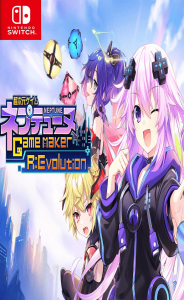
Hyperdimension Neptunia GameMaker R: Evolution Switch NSP
Report Link Error
Select the broken download file, then submit the report.


Screenshots

About Game
Hyperdimension Neptunia GameMaker R: Evolution Switch NSP brings Gamindustri back to Nintendo Switch with a role-playing adventure that combines turn-based battles and a virtual game-development system. Released in Japan on August 10, 2023, this Japanese-language entry is both published and developed by Idea Factory. Its central premise places creativity under pressure, asking the series’ heroines to fight for Gamindustri while learning how to make games that can restore their world’s spirit.
Hyperdimension Neptunia GameMaker R: Evolution on Nintendo Switch: Key Details
This is a Japan-region release with Japanese language support, released on August 10, 2023. Idea Factory serves in both the publisher and developer roles, keeping the project closely tied to the company behind the game.
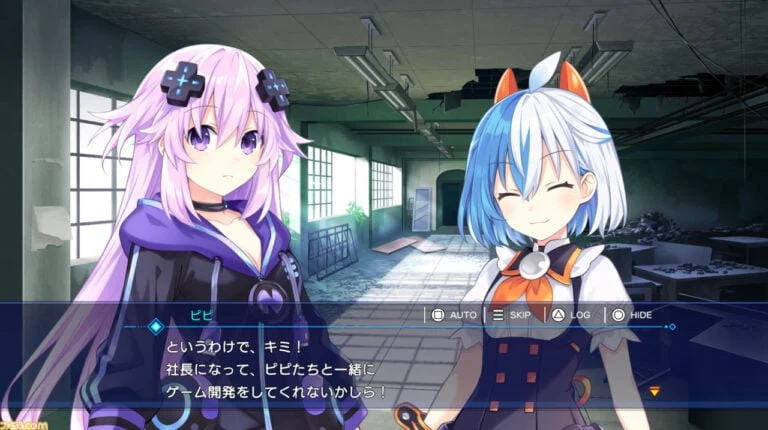
Gamindustri is presented as a place threatened by a wave of uninspired entertainment. As Shares weaken, the CPUs lose influence, while a shadowy organization seeks control over entertainment and innovation. Neptune, Noire, Blanc, and Vert set out to investigate the crisis, joined by new allies and drawn toward lore involving older game-development spirits and technology.
The setup gives the adventure a deliberately playful, self-referential tone. Saving the world is not limited to winning encounters in the field: creating successful virtual games becomes part of the response to the threat. That blend supports the series’ game-focused setting while giving progress a practical role beyond the party’s immediate combat strength.
How JRPG Battles Fit Into GameMaker R: Evolution
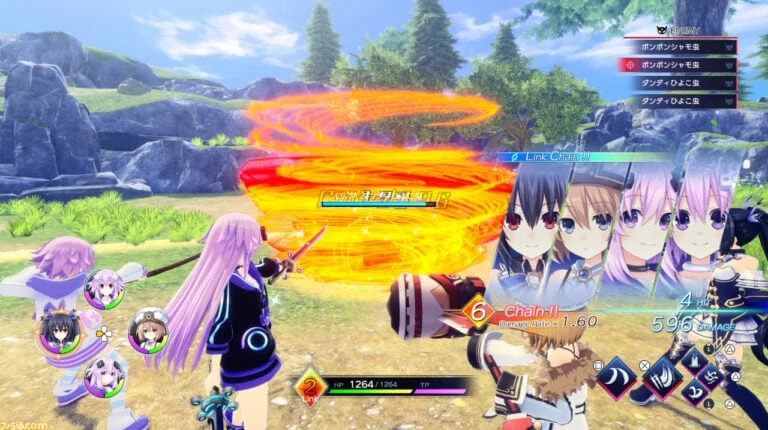
Combat uses a strategic turn-based combat structure, with party members strengthening through exploration and encounters. The system includes combo attacks, allowing attacks to be chained for more forceful turns, while special skills give each Goddess and ally their own offensive options.
HDD transformations remain a major source of power. These forms let the Goddesses shift their capabilities during battle, fitting the larger stakes surrounding Shares and the CPUs’ influence. Players can also unleash EXE Drives, described as devastating techniques that add another high-impact choice when planning an attack.
The battle layer is tied to the journey through towns and dungeons rather than operating separately from it. Exploring produces combat encounters, equipment opportunities, and party growth, then that stronger party is better prepared for later challenges. The result is a familiar JRPG rhythm, but one that shares space with management decisions made back at the studio.
Running a Virtual Game Studio
The game creation system is the feature that gives this adventure its particular identity. Between field activities, players manage a virtual studio and guide the production of games. That means selecting genres and themes, assigning staff, and making decisions intended to produce successful releases.
Staff are not simply passive resources. Virtual developers can be recruited and trained, improving the studio’s capabilities and the quality of its output. This puts game studio management alongside dungeon exploration: one side develops the party directly, while the other develops the creative operation that supports the adventure.
The studio layer also asks for attention to combinations. A genre, a theme, and the people assigned to a project all contribute to the production process. Rather than treating game creation as a decorative side activity, GameMaker R: Evolution connects it to advancement in Gamindustri. The system gives players an additional reason to consider their choices after returning from a dungeon or town.
How Released Games Affect Progress
Completed games can affect more than the studio’s reputation. Successful releases may grant character buffs, unlock special events, and influence the wider state of Gamindustri. This gives studio output a direct relationship with the RPG side of the experience.
The connection extends to public opinion and the Gamindustri economy. Releasing games successfully can shape how the world responds, making creative output part of the broader struggle against stale, monopolized entertainment. Progress is therefore split between immediate victories in combat and longer-term results from the studio.
This structure also gives the game a reason to revisit its systems. A player may return to staffing and production choices in pursuit of better results, potential buffs, or events that were not previously available. Replay value comes from that ongoing relationship between the studio’s decisions, the party’s condition, and the effects of released games on the world.
Exploration, Towns, and Dungeon Progression
The adventure moves through diverse dungeons and towns. Dungeons provide combat encounters and opportunities to strengthen the group, while towns bring players into contact with quirky NPCs and possible hidden secrets. The changing locations support the game’s lively Gamindustri atmosphere without losing sight of progression.
Equipment customization is another part of preparing the party. A range of equipment, accessories, and stat-boosting items can be used to adjust characters for upcoming battles. These choices matter alongside skills, combos, HDD transformations, and EXE Drives, since party preparation is not limited to leveling through encounters.
Towns also act as a useful counterpoint to dungeon activity. They offer interaction and discovery before the party heads back into more dangerous areas, while the headquarters provides the place to focus on game creation. The loop moves naturally between exploration, combat, character strengthening, and studio work.
5 Areas to Balance During Your Adventure
- Grow the party: Use dungeon exploration and combat encounters to strengthen the Goddesses and their allies for the challenges ahead.
- Use combat tools wisely: Combine standard attacks with combo attacks, special skills, HDD transformations, and EXE Drives when battles demand greater force.
- Prepare with gear: Adjust equipment, accessories, and stat-boosting items to support the party’s needs before returning to dangerous areas.
- Develop the staff: Recruit and train virtual developers so the studio can improve its capabilities and produce stronger work.
- Plan each release: Choose genres, themes, and staff assignments carefully, since successful games can provide buffs, open special events, and affect public opinion and the economy.
Hyperdimension Neptunia GameMaker R: Evolution Switch NSP is suited to players interested in a JRPG framework that pairs party-based battles with creative management decisions. Its appeal comes from the way the two systems inform one another: exploration builds the team, studio work influences the journey, and Gamindustri’s future depends on both action and imagination.