Sailing Era Switch NSP
Report Link Error
Select the broken download file, then submit the report.


Screenshots

About Game
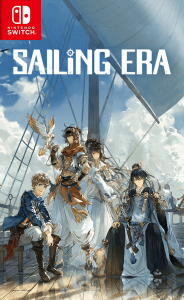
Sailing Era Switch NSP places a maritime role-playing and strategy adventure on Nintendo Switch, inviting players to pursue a captain’s ambitions across an Age of Discovery-inspired world. Released on July 20, 2023, it combines open-water travel, trading, port development, ship improvement, and naval encounters into a progression-focused voyage where wealth and influence are earned one decision at a time.
Sailing Era on Nintendo Switch: Release and Game Details
Sailing Era Switch arrived on July 20, 2023. BILIBILI HK serves as both publisher and developer, with the game available across Europe, the USA, Asia, and Japan. Its language options include English, Japanese, and Chinese, helping the adventure reach players across its listed regions.
Classified as a blend of role-playing, simulation, and strategy, Sailing Era is built around the responsibilities of commanding a vessel and shaping a maritime career. The captain is not limited to a single pursuit. A voyage can lead toward commerce, discovery, investment, confrontation, or preparation for a more demanding expedition. That broad structure gives the game a deliberate, systems-driven feel while keeping the sea journey at the center of the experience.
The Nintendo Switch version uses the title’s seafaring premise to frame a long-term rise from modest beginnings. Progress is tied to what the player discovers, trades, upgrades, and overcomes, making each successful route or battle part of a larger effort to establish a name on the water.
An Age of Discovery Adventure Built Around Ambition
The Sailing Era story begins with a young captain motivated by fame and fortune. From there, the journey expands into an Age of Discovery game concerned with exploration, trade influence, and the search for a lasting maritime legacy. New places are not simply scenery between objectives; they are possible sources of opportunity, danger, and information.
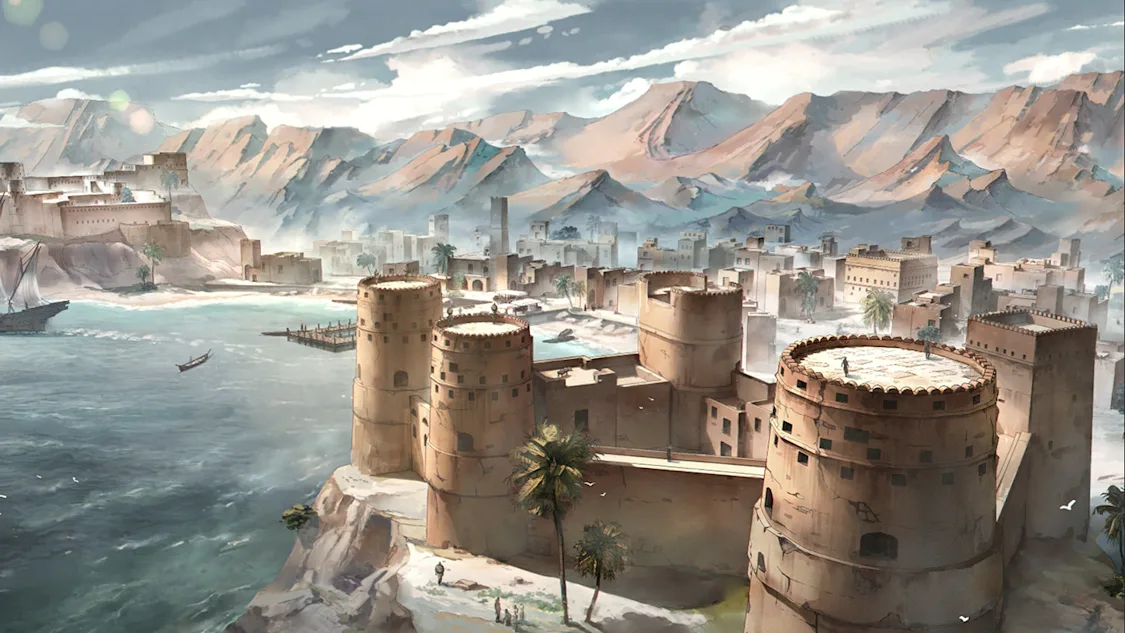
The premise includes a wider search involving ancient secrets, clues, maps, and the possibility of fabled treasure or an undiscovered continent. Historical figures and fictional characters can offer quests and challenges, while rival captains, pirates, and threats at sea complicate a captain’s plans. Ports can introduce fresh prospects, but they may also require careful preparation before a crew pushes farther from familiar waters.
There is a useful tension in this maritime adventure between personal ambition and practical management. Fame may encourage a captain to take risks, yet longer voyages depend on a capable crew, a prepared ship, and enough resources to keep moving. The result is an atmosphere shaped less by a fixed route than by the sense that a reputation is being built through travel and choice.
Exploration Across Ports, Hidden Coves, and New Territories
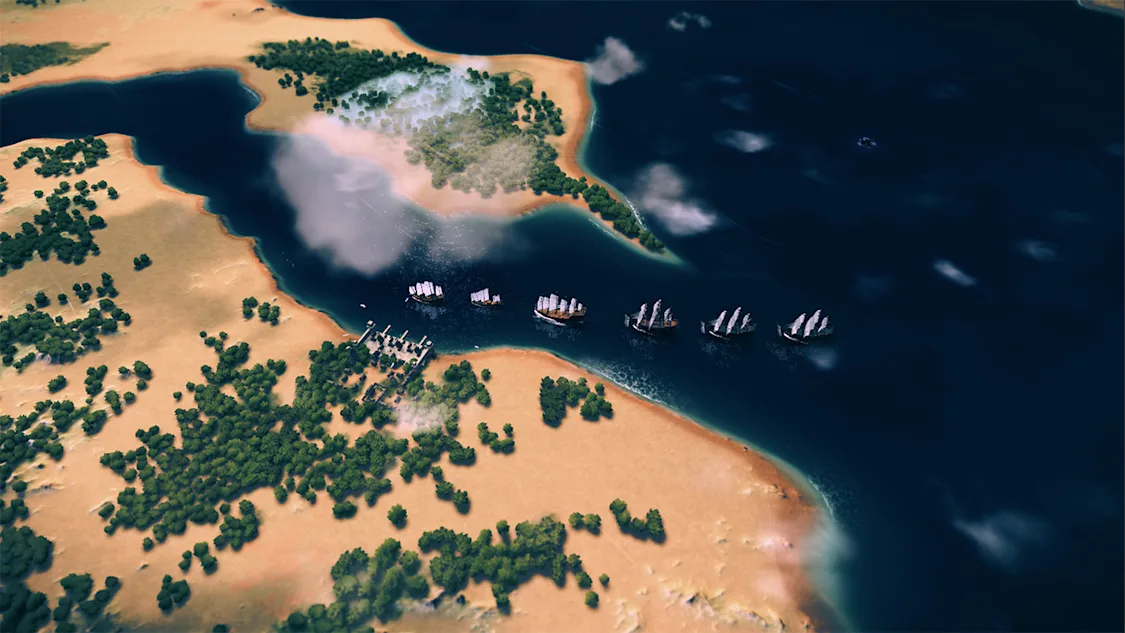
Sailing Era exploration is centered on navigating a world map, with players steering their vessel toward ports, hidden coves, islands, and unknown territories. The appeal lies in deciding where to go next. A known city may offer a dependable commercial stop, while an unvisited location may reveal a new path, a useful connection, or a problem that cannot be predicted before arrival.
This approach gives world map sailing a measured sense of discovery. The sea is a route between destinations, but it is also where planning matters: a captain must consider the value of pushing onward against the need to maintain a ship and crew. Hidden coves and less familiar locations reinforce the possibility that useful discoveries may sit outside the most obvious trading paths.
Exploration also supports the game’s larger progression loop. Finding new ports can create access to different trade opportunities, while further travel can lead to challenges that demand stronger equipment or better crew performance. Rather than separating exploration from economic growth and combat readiness, Sailing Era connects them. The more a player sees, the more options become available for defining a maritime career.
Naval Combat: Positioning, Cannons, and Boarding
When diplomacy, trade, or careful routing are not enough, Sailing Era naval combat brings ship battles into the captain’s routine. Encounters ask players to consider positioning, use cannon fire effectively, and decide when boarding an enemy vessel is worth the risk. Victory depends not only on having a ship in the fight, but on how well its armaments and crew can be used.
Positioning matters because sea battles are more than a simple exchange of attacks. A captain must arrange the ship for a favorable engagement, then make the most of cannon volleys before moving into a boarding action. The presence of rival captains and pirates gives these conflicts a natural place in the wider journey, turning some voyages into tests of preparation as much as courage.
Crew skill is an important part of the equation. Recruiting crew members with distinct abilities can improve efficiency and combat capability, while continuing improvements help a vessel meet more serious opposition. Combat therefore feeds back into the broader strategy: successful battles can support a captain’s growing influence, but careless encounters can expose weaknesses in equipment, staffing, or planning.
Ship Upgrades That Support Exploration and Battle
Sailing Era ship customization gives practical weight to progression. Upgrades to sails, cannons, and armor can improve a vessel’s speed, combat readiness, and ability to handle longer journeys. These improvements are not merely decorative milestones; each one supports a different part of the captain’s expanding ambitions.
Better sails help serve the exploratory side of the game, where travel and reach matter. Cannons strengthen a ship’s ability to answer threats in naval combat, while armor supports durability when battles become unavoidable. Together, these upgrades encourage players to think about the kind of captain they want to become. A trade-focused route still benefits from protection, and an aggressive combat approach still requires reliable travel between ports.
Port investment adds another layer to that growth. Investing in facilities can increase trade income and unlock further shipbuilding possibilities, connecting economic decisions directly to a vessel’s development. As resources increase, a captain can recruit more effectively, refine the ship’s performance, and attempt journeys that may have seemed too risky earlier in the adventure.
5 Core Activities That Define Sailing Era’s Voyages
The central appeal of Sailing Era Switch NSP is how its major activities support one another. An ambitious captain can spend time building wealth, searching for new territory, strengthening a vessel, or facing hostile ships, with each choice contributing to a broader maritime legacy.
- Chart the unknown: Sail the world map to uncover ports, hidden coves, islands, and territories beyond established routes.
- Trade for influence: Move goods between cities, using differences in supply and demand to build funds for future ventures.
- Invest in ports: Support port facilities to generate income, strengthen commercial opportunities, and access additional shipbuilding options.
- Improve the vessel: Upgrade sails, cannons, and armor to support faster travel, tougher voyages, and stronger battle performance.
- Fight for the sea: Use positioning, cannon volleys, crew capability, and boarding actions to overcome enemy vessels.
This structure makes Sailing Era well suited to players who enjoy sailing strategy games with interconnected progression. It offers room for explorers who want to seek out new locations, planners who enjoy developing trade routes and ports, and tacticians who want ship battles to depend on preparation as well as direct action. Its maritime atmosphere comes from the constant pull between a distant horizon and the practical demands of getting there.
Recommended Similar Games
 2weistein – The Curse of the Red Dragon 3 – Ronger Pirates – V2 Switch NSPView Game
 .hack//G.U. Last Recode Switch NSPView Game
 WRC 10 The Official Game Switch NSP XCIView Game
 Railway Empire 2 – Nintendo Switch Edition NSPView Game
 Aery – Calm Mind 4 Switch NSPView Game
 MARIO + RABBIDS SPARKS OF HOPE Switch NSP XCIView Game