Final Fantasy XII: The Zodiac Age Switch NSP XCI
Report Link Error
Select the broken download file, then submit the report.


Screenshots
About Game
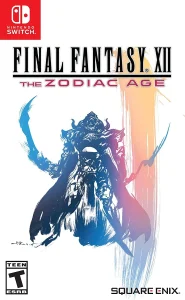
Final Fantasy XII: The Zodiac Age Switch NSP XCI presents Ivalice as a land shaped by empire, resistance, and difficult personal choices. Square Enix’s role-playing game arrived on Nintendo Switch on April 30, 2019, bringing an enhanced version of its large-scale adventure to a portable format. Its story, field-based battles, and unusually flexible character systems give the journey a measured but highly strategic rhythm.
Princess Ashe, Vaan, and the Party’s Shared Journey
Ivalice is caught between the powerful empires of Archadia and Rozarria, while the smaller kingdom of Dalmasca has already fallen. Princess Ashe, Dalmasca’s surviving heir, lives in secrecy and pursues resistance against the force that has taken her homeland. Her goal is political, but the story also gives it emotional weight through the losses tied to Dalmasca’s defeat.
Vaan offers a different perspective on the conflict. An orphan from Rabanastre, he dreams of becoming a sky pirate and traveling freely through the skies. His desire for freedom sits alongside Ashe’s determination to reclaim what was lost, letting the party’s journey move between private hopes and larger events.
Basch brings the burden of a disgraced knight into the group. His loyalty and past are part of the tensions surrounding Dalmasca’s fall, while Balthier and Fran enter as sky pirates with their own reasons for becoming involved. Balthier’s confident manner and Fran’s partnership with him give the party another view of independence beyond royal duty or military allegiance.
These characters are drawn into a conspiracy involving imperial control and ancient powers. The result is a story concerned with courage, belief, loyalty, and the cost of pursuing freedom. No one travels through Ivalice for exactly the same reason, and that difference helps give the party a shared journey rather than a single-minded quest.
How Real-Time Field Battles Change the RPG Flow
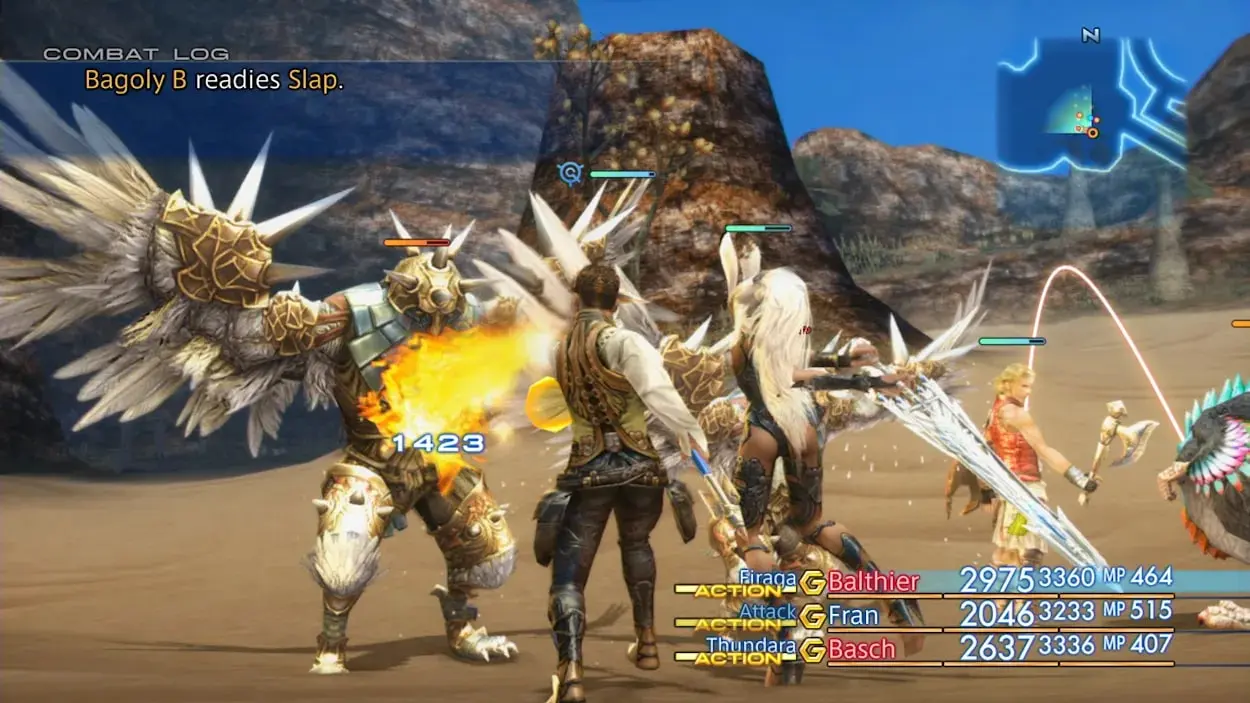
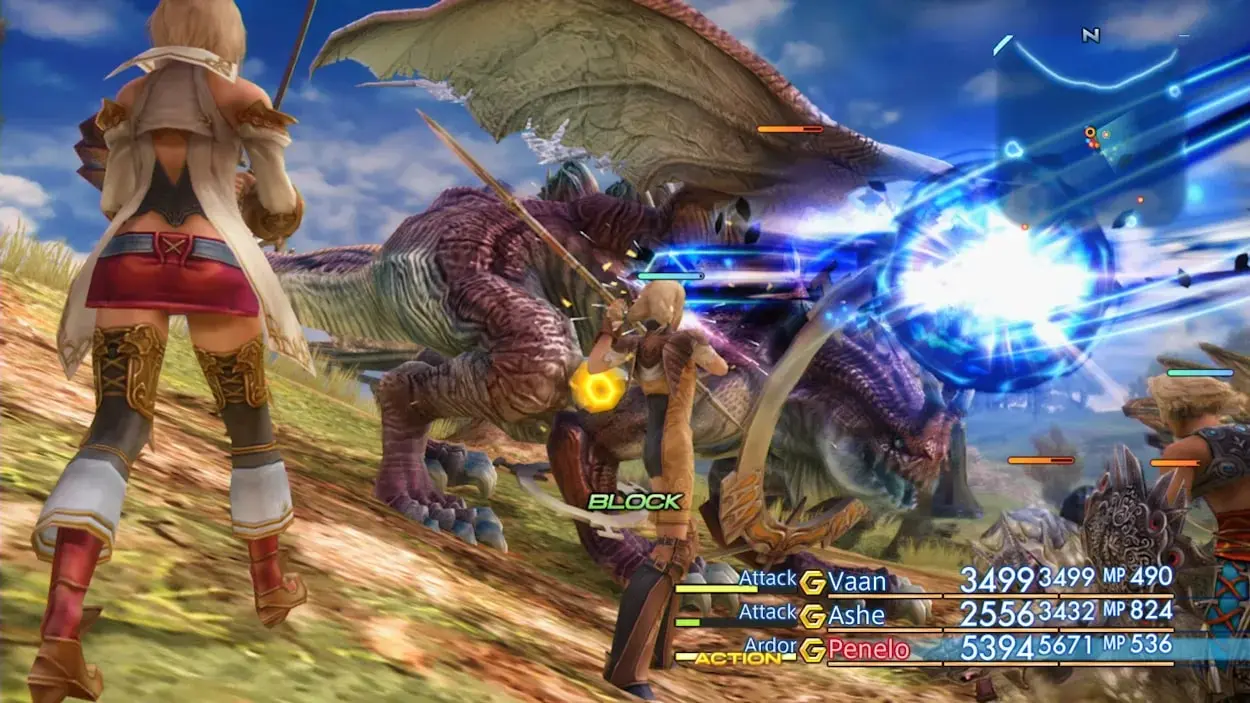
Combat does not cut away from exploration into a separate battle space. Encounters unfold directly in the field, creating a seamless movement from traveling through interconnected zones to facing monsters. That continuity gives the adventure an exploratory atmosphere: threats are part of the places being crossed, not interruptions detached from them.
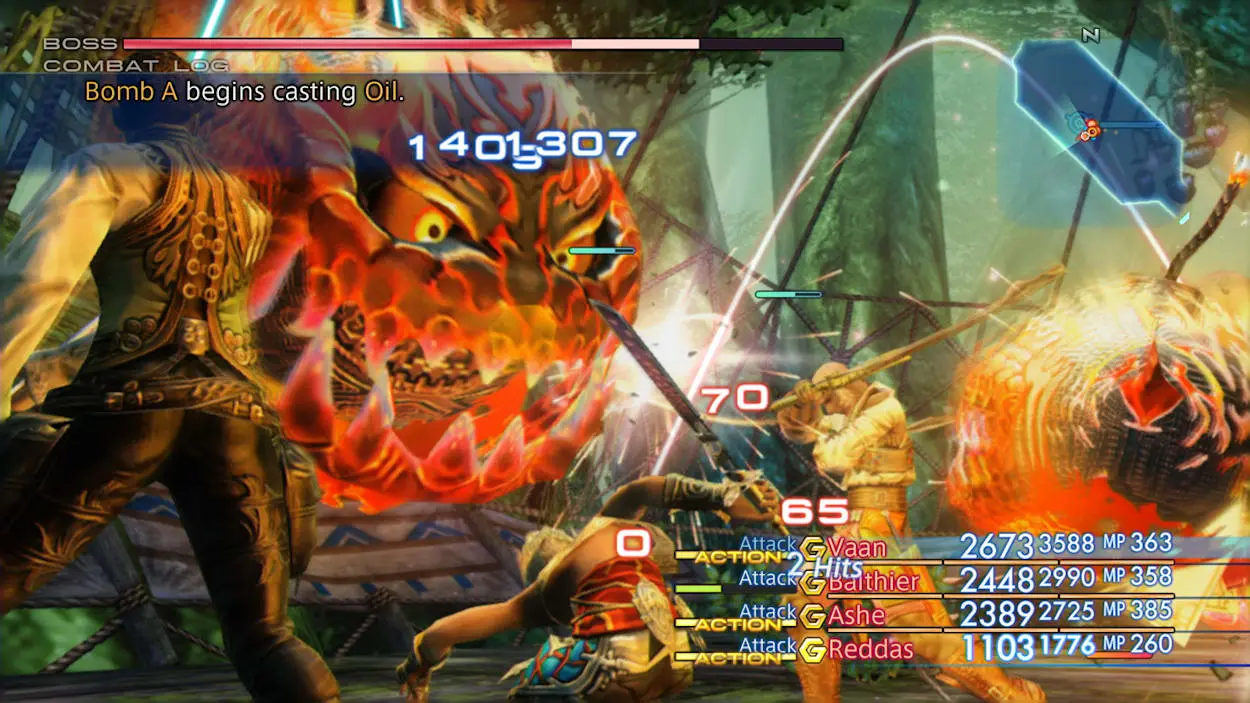
The Active Dimension Battle system supports this pace by allowing commands to be issued in real time while the player controls one party member. Rather than relying only on a fixed sequence of turns, players make decisions as a situation develops. The party can move through the field, engage enemies, and respond through selected commands without a constant cycle of transitions.
This approach changes the feel of RPG combat. Positioning, timing, and preparation matter alongside command choices, while the field itself remains visible throughout the encounter. The system can feel more immediate than a traditional turn-based structure, but it still leaves room for planning. Its real strength comes from the way active control and automated allies work together.
The Gambit System and Customizable Party AI
The Gambit system is central to that balance. Party members not under direct control can receive conditional instructions, allowing them to act automatically when defined circumstances occur. These customizable commands shape how the group behaves in battle and make party AI a practical part of combat strategy rather than a background feature.
Instead of treating automation as passive, the game asks players to decide priorities before and during encounters. A Gambit setup can be adjusted for the demands of a new area, a different enemy type, or a more difficult opponent. This creates an ongoing tactical process: players build instructions, observe how the party performs, and revise the plan when it no longer suits the challenge.
The system also helps preserve the flow of real-time combat. One character remains directly controlled, while the other party members can follow their assigned conditions. Good preparation allows the group to respond efficiently, but the player is still responsible for defining the behavior that makes that efficiency possible.
6 Practical Steps for Building Better Gambits
- Set clear priorities. Decide which actions the party should handle first, then arrange Gambits so essential responses are not competing with less urgent commands.
- Start with a simple setup. Use a small set of understandable instructions before adding more conditions. This makes it easier to see how each party member is behaving in real-time combat.
- Review enemy types. When entering a new zone or facing unfamiliar monsters, adjust conditions to suit the opponents rather than assuming one arrangement will work everywhere.
- Account for weaknesses. Pay attention to enemy weaknesses and resistances, then revise party commands so the group is not relying on an ineffective approach.
- Give roles room to work. Build party setup around the jobs assigned to each character, allowing their selected roles to support one another instead of duplicating every task.
- Rebuild for bosses. A boss strategy may require a different order of priorities from ordinary field battles. Revisit Gambits before difficult encounters and change them again if the first plan fails.
The Zodiac Job System and Two-Job Character Builds
Character progression is organized through the Zodiac Job System, which provides twelve job boards. Each character can be assigned two jobs, opening a broad range of party combinations. This gives players room to experiment with how a group is structured instead of locking every character into only one permanent function.
The two-job approach is especially meaningful because it connects directly to Gambit design. A party’s assigned jobs influence the roles players want their allies to perform, and those roles can then be expressed through conditional commands. Progression and combat preparation therefore feed into each other: job choices shape the party, while Gambits determine how that party acts under pressure.
Experimentation is encouraged. Different combinations can produce different approaches to exploration and battles, making repeat play and renewed party planning a natural part of the experience. The appeal is not simply in choosing powerful arrangements, but in finding setups that fit a player’s preferred balance of direct control, automation, and strategic preparation.
What the Nintendo Switch Version Brings to the Adventure
Released for Nintendo Switch on April 30, 2019, Final Fantasy XII: The Zodiac Age Switch NSP XCI offers a portable way to experience Ivalice’s political drama, sprawling zones, monsters, and side quests. The Switch version supports the scale of the adventure while making it possible to continue the journey away from a television.
Enhanced graphics and remastered music strengthen the presentation. The visual improvements support the varied atmosphere of Ivalice’s connected locations, while the updated music complements both exploration and the tension of field battles. Together, they help frame a game that shifts between quiet travel, dangerous encounters, and major turns in its story.
Square Enix developed and published the game. It is available across Europe, the USA, Asia, and Japan, with language options including English, French, German, Italian, Japanese, Korean, Chinese, and Spanish. For players drawn to strategic party management, real-time command systems, and a story of resistance in a war-torn world, its combination of flexibility and atmosphere remains a compelling fit.
Recommended Similar Games
 Call of Cthulhu Switch NSPView Game
 Atelier Escha & Logy: Alchemists of the Dusk Sky DX Switch NSP XCIView Game
 Tokyo Mirage Sessions #FE Encore Switch NSP XCIView Game
 Bakugan: Champions of Vestroia Switch NSP XCIView Game
 MARVEL ULTIMATE ALLIANCE 3: The Black Order Switch NSP XCIView Game
 Shin Megami Tensei III NOCTURNE HD REMASTER Switch NSP XCIView Game