The Walking Dead A New Frontier Switch NSP XCI

Report Link Error
Select the broken download file, then submit the report.
Screenshots
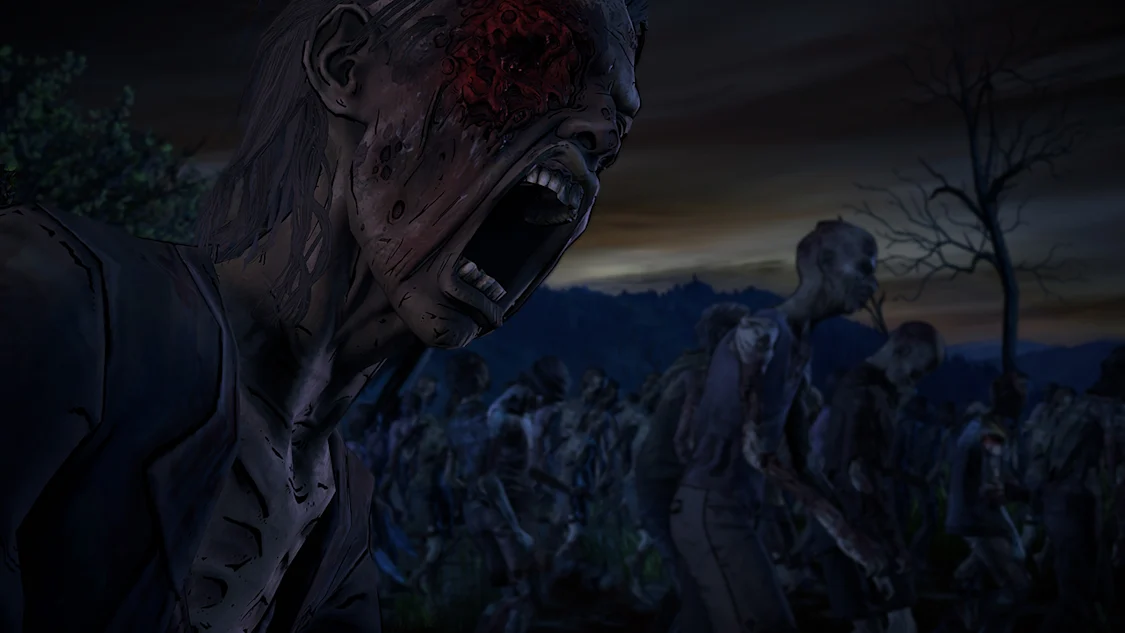
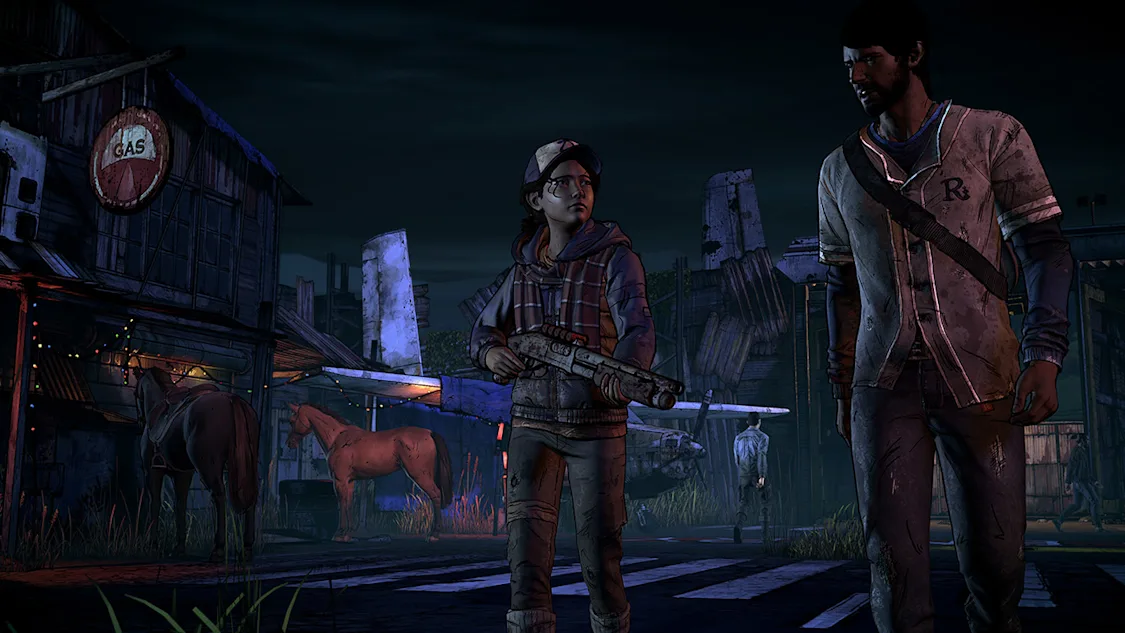
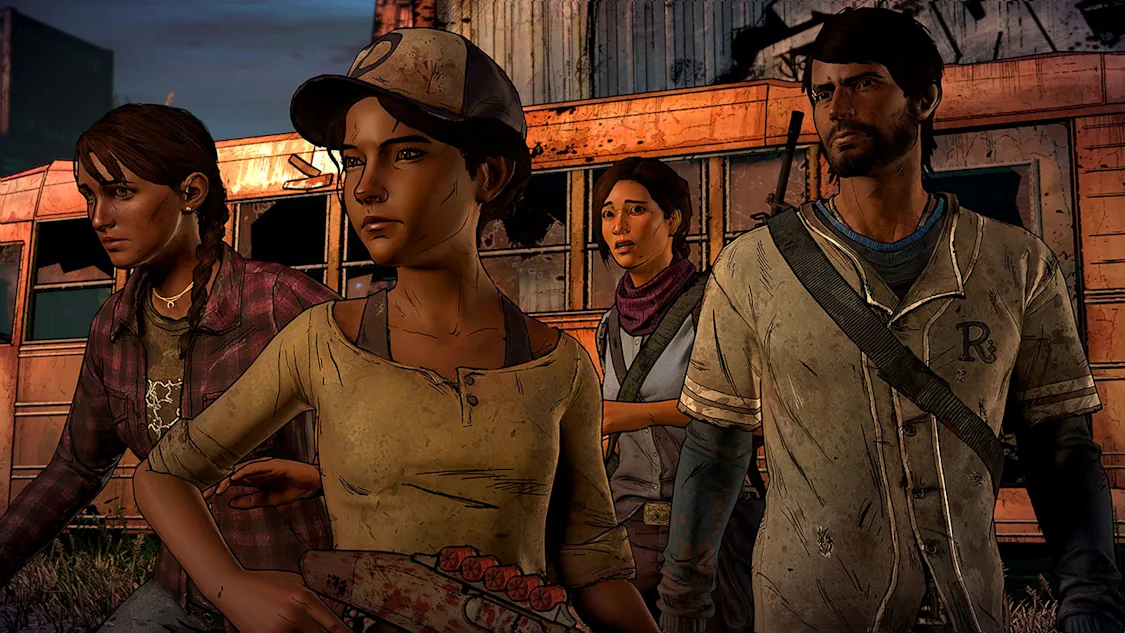
About Game
The Walking Dead A New Frontier Switch NSP XCI is a choice-driven adventure game built around survival, family, and the difficult compromises made in a world devastated by walkers. Developed by Telltale Games and published by Skybound Games, this Nintendo Switch release presents a tense story in which conversations, alliances, and split-second actions can carry lasting weight.
The Walking Dead: A New Frontier on Nintendo Switch: Key Game Details
The Walking Dead: A New Frontier released on Nintendo Switch on January 21, 2020. It is an Adventure Game developed by Telltale Games and published by Skybound Games. The release is designated Region Free, supports English, and carries the Nintendo Switch title ID 010056E00B4F4000.
The game follows Telltale’s narrative-led approach, placing character interaction and branching decisions ahead of complex mechanical systems. Its progression is shaped through dialogue selections, interactive scenes, exploration moments, and action sequences that ask players to respond quickly under pressure. The focus remains on the people caught within the outbreak and the consequences of trying to keep them safe.
Javier Garcia’s Family Story in the Zombie Apocalypse
The Walking Dead: A New Frontier introduces Javier Garcia as its central new protagonist. His story begins around the start of the outbreak, when ordinary family life is rapidly overtaken by chaos, danger, and loss. That opening establishes the personal stakes behind Javier’s later decisions: survival is important, but protecting the people closest to him is often the greater concern.
Years after the first days of the outbreak, Javier continues to navigate a hostile landscape with his family in mind. The narrative repeatedly returns to questions of loyalty, responsibility, and trust. A choice that seems practical in the moment may strain a relationship, while a decision made out of compassion can create fresh complications. The result is a zombie apocalypse family drama in which the living can be as unpredictable as the dead.
Javier’s journey eventually leads toward Richmond, a community connected to the mysterious New Frontier. What initially appears to offer safety also brings new uncertainty. The group’s secrets and control over the community become part of the story’s central tension, placing Javier and those around him in situations where moral certainty is hard to find.
Clementine’s Role Alongside Javier
Clementine is an essential presence in this chapter of The Walking Dead. Older and more experienced than before, she arrives with a difficult past of her own and a sharper understanding of what survival demands. Her history is not treated as incidental background; it helps explain her instincts, her guarded manner, and the choices she makes when danger closes in.
Javier and Clementine’s paths intersect as both seek safety and answers. Their connection develops through shared threats, difficult conversations, and the pressure of dealing with other survivors. Neither character has an easy route through the story, and their differing priorities can create friction as well as cooperation.
For players following The Walking Dead Clementine story, her role helps fill in parts of her past while showing her continued resilience. For Javier, Clementine can become a significant ally whose experience changes the way he views the people and conflicts around him. Their partnership gives the narrative two distinct perspectives on loss, loyalty, and survival.
Choices, Consequences, and Difficult Moral Decisions
The Walking Dead A New Frontier Switch NSP XCI uses the familiar Telltale Games structure of dialogue choices and consequential decisions. Conversations frequently offer multiple responses, and those responses can influence how other characters see Javier and Clementine. A calm reply may preserve trust; a harsh one may create distance. The game encourages players to think about not only what they want to say, but who may be affected by it.
Major decisions can shape relationships, alter plot developments, and influence the outcomes faced by different characters. The choices are often framed around competing obligations rather than simple right-or-wrong answers. Supporting family may conflict with honoring a promise. Showing loyalty to one person may put another at risk. These moral decisions help give the story its emotional pressure.
This structure also makes progression feel personal. Players move through the same broad struggle for safety and answers, but the tone of key relationships can change according to the decisions made along the way. The game’s tension comes not only from walkers and immediate danger, but from having to live with uncertain consequences after a choice has been made.
Exploration, Puzzles, and Interactive Story Progression
Although dialogue is the main driver of the experience, the game includes lighter adventure-game activities between major story scenes. Players can investigate locations, look for clues, examine interactive elements, and collect items that may help move events forward. These quieter stretches provide context for the characters’ situation and break up the more urgent conversations.
Environmental obstacles occasionally require simple puzzle-solving. Progress can involve finding an appropriate item, using it in the right place, or identifying an interactive detail within the environment. These puzzles support the narrative rather than taking it over, keeping attention on Javier’s journey and the immediate problem facing the group.
Quick-time events add another layer of pressure. During tense action sequences, timely button presses or stick movements are needed to respond to threats and complete urgent actions. They create a more immediate sense of danger, especially when the story shifts from deliberation to survival. Together, dialogue, exploration, puzzles, and QTEs form an interactive narrative game paced around dramatic turning points.
5 Story-Focused Tips for Navigating A New Frontier
- Choose words with care. Dialogue options can affect how survivors perceive Javier and Clementine, so consider both the immediate response and the relationship behind it.
- Weigh family against loyalty. The story regularly presents competing responsibilities. Think about who needs protection, what promises have been made, and what each decision may cost.
- Inspect the surroundings. During exploration scenes, investigate locations, clues, and interactive objects. Useful items and environmental details can help advance the story.
- Stay ready in QTEs. Action scenes demand quick responses. Paying attention to prompts is important when threats from walkers or hostile survivors escalate suddenly.
- Expect relationships to shift. Decisions can strengthen or strain bonds with other characters. A single choice may not settle everything, but it can influence later conversations and outcomes.
This entry is best suited to players looking for a story-centered adventure shaped by character relationships and difficult decisions. Its atmosphere is driven by uncertainty: safety can be temporary, trust can be fragile, and even a well-intentioned choice may leave someone hurt. Javier’s family struggle and Clementine’s parallel journey keep that uncertainty grounded in personal stakes rather than spectacle alone.