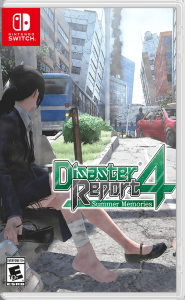
Disaster Report 4 Summer Memories Switch NSP
Report Link Error
Select the broken download file, then submit the report.


Screenshots
About Game
Disaster Report 4 Summer Memories Switch NSP places a single traveler in a major Japanese city on a summer day that is shattered by a devastating earthquake. What begins as an ordinary visit becomes a tense survival journey through wreckage, uncertainty, and encounters with people facing the same catastrophe. Its adventure-game structure keeps the focus on moving through the disaster, managing immediate needs, and deciding how much responsibility to take for others.
A Summer Journey Interrupted by Earthquake
The premise is direct but emotionally charged. The player character arrives in a major Japanese city during the summer, only to be caught in the aftermath of a massive earthquake. The city’s familiar routines are replaced by damaged streets, frightened survivors, and the urgent need to find a way forward.
This is not simply a story about reaching safety. Disaster Report 4 Summer Memories frames survival as a human experience shaped by fear, pressure, hope, and moments of compassion. Other survivors have their own worries, requests, and personal circumstances, so progress through the city also means listening to people whose lives have been disrupted in different ways.
The summer setting gives the disaster an unsettling contrast. A day that should have carried ordinary travel and seasonal calm is transformed into a struggle through a Japanese city disaster. That contrast supports the game’s atmosphere: the environment is not an abstract danger zone, but a place where everyday life has been abruptly broken apart.
Survival in a Collapsing Urban Landscape
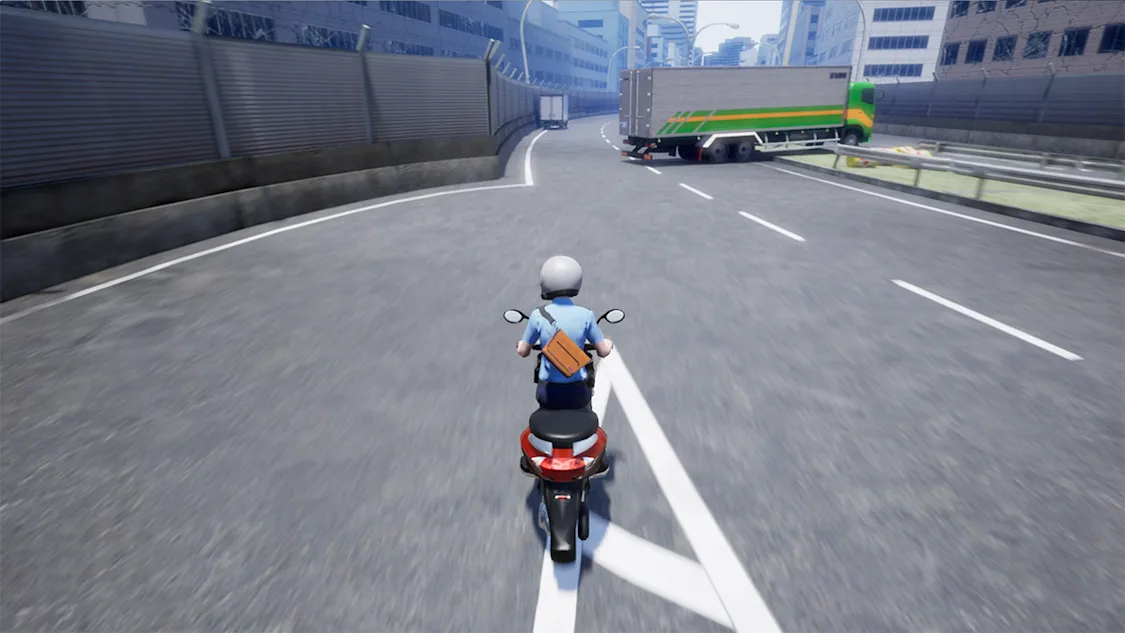
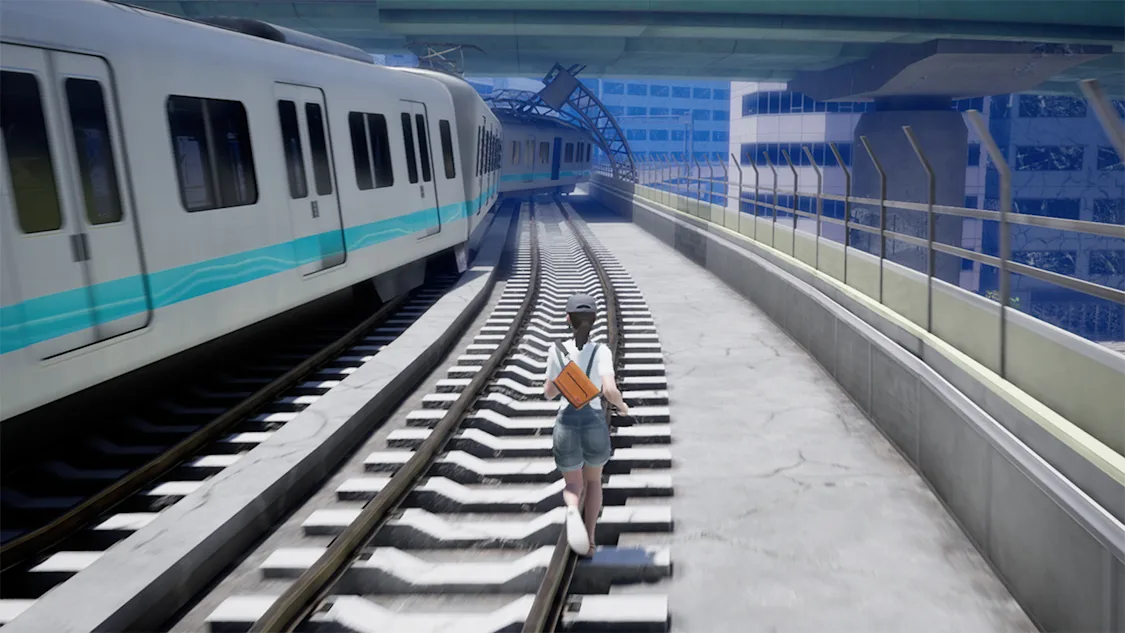
Exploration is shaped by danger at nearly every stage. Streets can be obstructed, buildings can be unstable, and falling debris creates a constant sense that the safest-looking route may not remain safe for long. The player must navigate damaged urban spaces carefully rather than treating movement as a simple trip from one objective to another.
In Disaster Report 4 Summer Memories Switch NSP, hazardous environments define the rhythm of progression. Crumbling structures and treacherous streets ask the player to pay attention to the surroundings, search for routes through the destruction, and avoid dangers that can interrupt the journey. The disaster is not only part of the story; it is the practical obstacle that shapes how the city is explored.
Resource management adds another layer to that pressure. Food, water, and first-aid supplies matter, while hunger, thirst, and emotional stress can affect the character’s condition. These systems give the earthquake survival scenario a personal scale. A route is not useful merely because it leads onward; it may also contain needed items, a chance to recover, or another person whose situation changes the player’s priorities.
Choices, Karma, and the Human Cost of Disaster
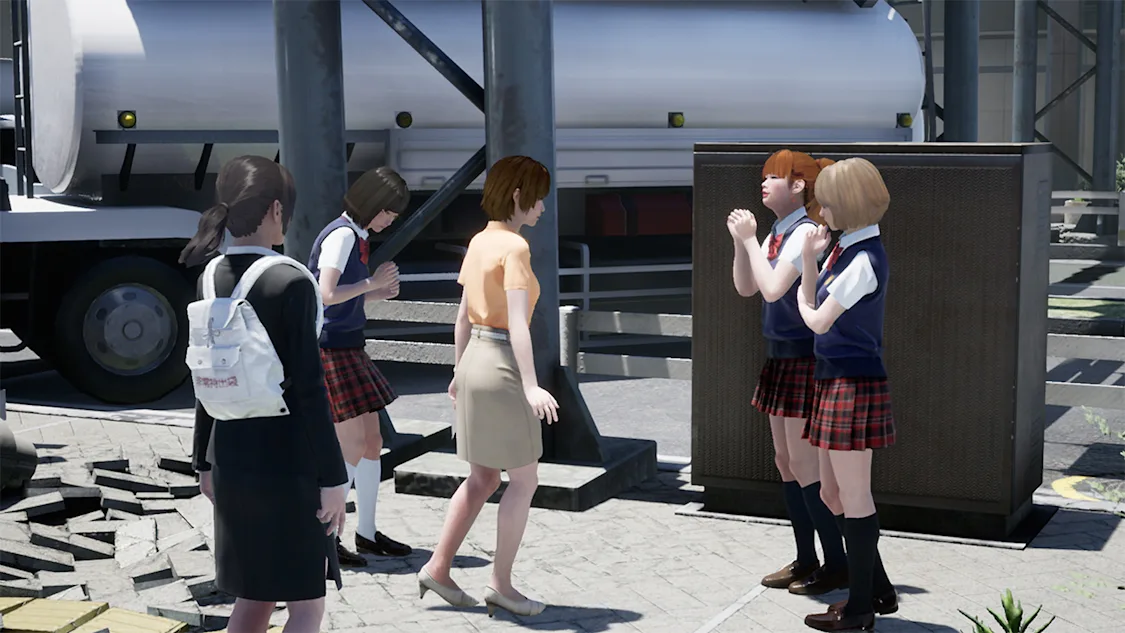
The people encountered along the way are central to the game’s moral tension. Survivors are not just markers directing the player through the city. Conversations, responses, and actions can influence relationships, individual outcomes, and the path taken by the player character.
Moral choices can involve a basic but difficult question: protect personal safety first, or stop to help someone in greater distress. The game presents disaster as a setting where there may not be an easy response. A decision made under pressure can carry consequences for others as well as for the player’s own journey.
The karma system reinforces this idea by connecting choices to the character’s conduct and relationships. Dialogue is therefore more than background storytelling. It can become a means of showing concern, responding cautiously, or making a decision that affects how the unfolding disaster is experienced. The result is a survival adventure with an emphasis on the social cost of catastrophe.
Exploration, Safe Paths, and Hidden Story Details
Careful environmental exploration supports both survival and narrative discovery. Searching the wreckage can reveal useful supplies and safer routes, but it can also expose deeper plot points, character motivations, and story mysteries that sit beneath the immediate crisis.
This approach gives the damaged city more purpose than a series of dangerous backdrops. A side path may offer a way around an obstacle. An overlooked area may hold a vital item. Speaking with someone can lead to a new request, a different outcome, or a clearer view of what that survivor has lost. Progress comes from staying alert to the city and the people within it.
Inventory choices also matter because essential supplies cannot be ignored. Keeping food, water, and first-aid items available supports the character’s physical well-being, while attention to emotional stress acknowledges that the disaster affects more than health alone. The game’s story mysteries and environmental challenges develop together: moving ahead can mean finding a safe path, but it can also mean learning why a person behaves as they do amid the chaos.
Five Priorities for Surviving the Earthquake
- Assess the danger. Watch for unstable buildings, damaged streets, falling debris, and routes that may place the traveler in further danger.
- Search for supplies. Explore carefully for food, water, first-aid items, and other resources that can support continued survival.
- Protect well-being. Pay attention to hunger, thirst, physical condition, and emotional stress while moving through the disaster zone.
- Speak with survivors. Conversations can reveal personal stories, requests, useful information, and possible routes through the city.
- Weigh each decision. Moral choices can affect karma, relationships, and the outcomes faced by the people encountered during the journey.
Disaster Report 4 Summer Memories on Nintendo Switch: Release Details
Disaster Report 4 Summer Memories arrived on Nintendo Switch on April 07, 2020. It was developed by Granzella and published by NIS America. The release is available in the USA and EUR regions and includes English language support.
Classified as an Adventure Game, it combines urban disaster exploration with survival management, dialogue, and consequential choices. Its focus on a traveler navigating an earthquake-stricken Japanese city makes it suited to players interested in tense disaster scenarios where the route forward depends on observation, supplies, survivor interactions, and difficult judgment calls.