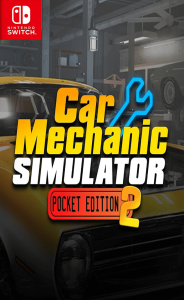
Car Mechanic Simulator Pocket Edition 2 Switch NSP
Report Link Error
Select the broken download file, then submit the report.
Screenshots
About Game
Car Mechanic Simulator Pocket Edition 2 Switch NSP frames automotive work as a steady, hands-on routine of diagnosis, disassembly, replacement, and refinement. Rather than pushing players through a fixed plot, it centers the experience on the satisfying process of turning problem vehicles into road-ready machines while building a more capable workshop around that work.
Workshop Growth as the Game’s Progression Framework
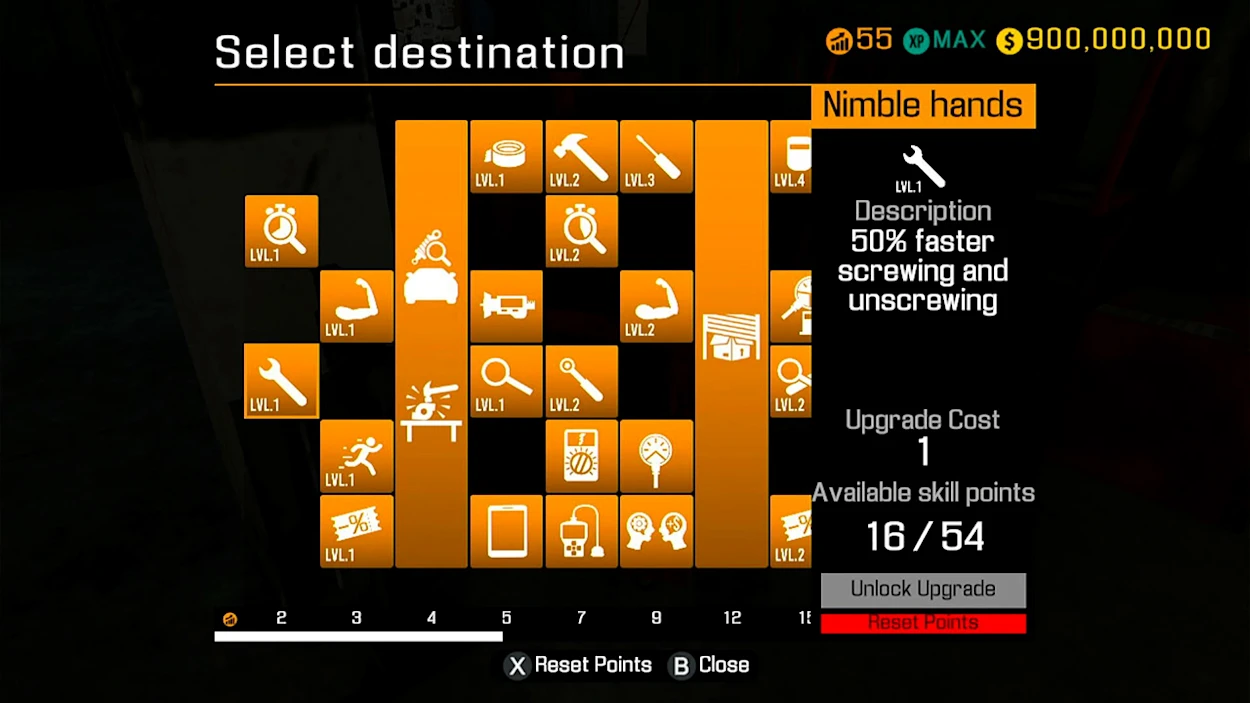
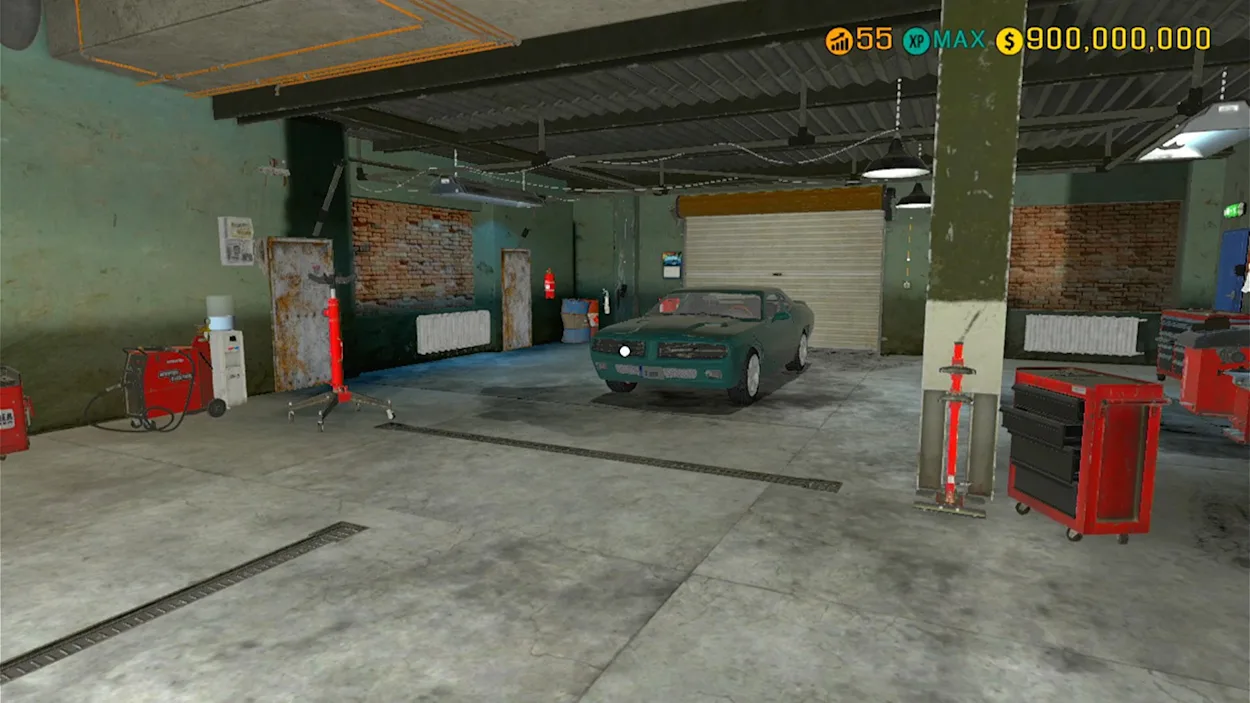
The game begins from the perspective of a mechanic operating a small garage. Its progression is tied to the work completed there: repair jobs bring opportunities to build a stronger reputation, take on more demanding clients, and develop the facilities needed for broader mechanical tasks.
That structure gives the simulator a practical sense of momentum. There is no traditional linear story directing the player from one dramatic event to another. Instead, the workshop itself becomes the record of progress. A successful repair can lead into tougher assignments, while growing reputation opens the way to new tools, parts, and challenges. The result is an experience shaped by ambition and mechanical problem-solving rather than scripted narrative beats.
Workshop expansion also supports the atmosphere of a working garage. New workbenches, lifts, and specialized equipment are not merely decorative additions; they represent a garage becoming better prepared for complicated vehicles and deeper repairs. Cars can range from older classics needing careful attention to modern sports cars that demand precision, giving the repair loop room for variety.
From Simple Maintenance to Complex Repair Orders
Repair orders cover both everyday maintenance and much larger mechanical projects. Basic jobs such as oil changes and brake work provide an accessible starting point, while more involved assignments can require engine swaps, engine overhauls, bodywork repairs, and extensive rebuilding.
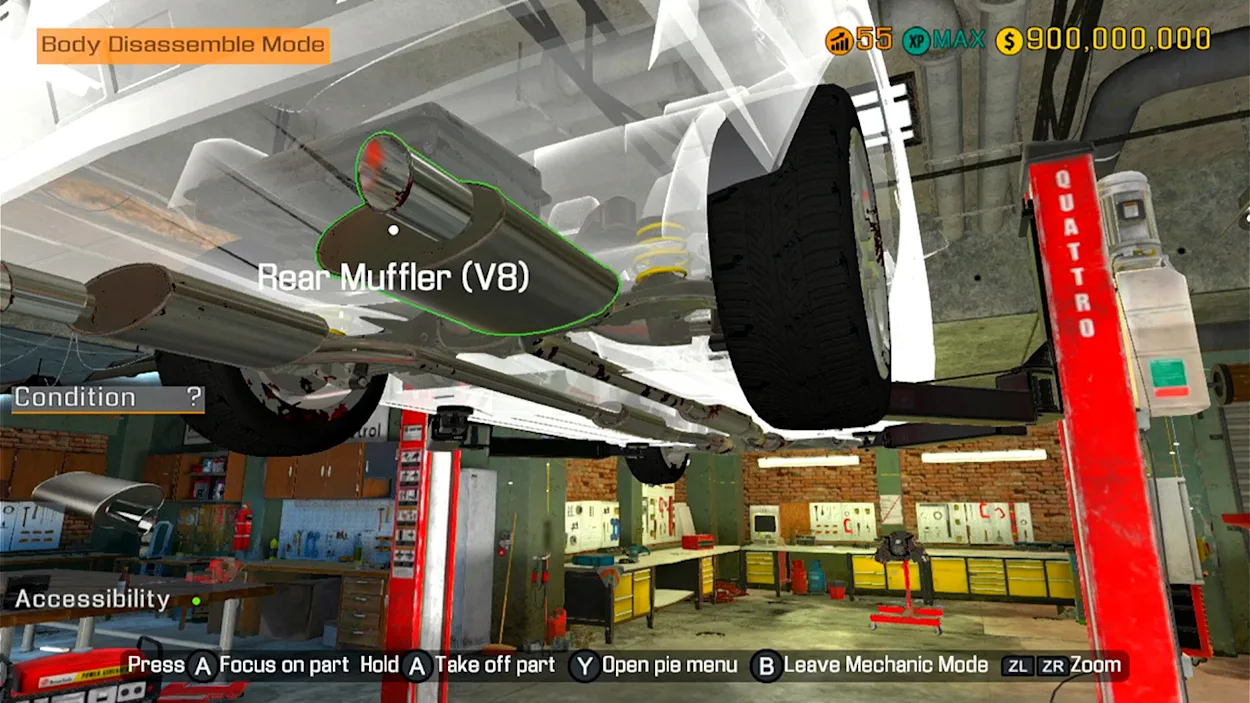
The work is built around a clear mechanical workflow. Players diagnose problems, identify faulty components, dismantle systems, order spare parts, and put the vehicle back together. Engines, gearboxes, and suspension systems can be taken apart down to individual components, which makes accuracy important during reassembly. Every part has a place, and the correct tools matter when moving from inspection to repair.
This detail gives routine assignments more weight than a simple checklist. A damaged component has to be found before it can be replaced, while a major rebuild asks the player to keep track of a far larger collection of parts. Car Mechanic Simulator Pocket Edition 2 Switch NSP uses that escalation to make garage progression feel tied directly to growing confidence and capability.
Testing Restored Cars on the Road
Completing the workbench portion of a repair is not the final step. Test drives provide a practical way to check restored cars after the mechanical work has been completed. They allow players to confirm repairs and assess vehicle performance away from the garage floor.
That road-testing phase reinforces the simulator’s repair-verification loop. A vehicle is diagnosed, repaired, reassembled, and then driven to see whether the work has achieved the intended result. It adds a useful change of pace after detailed component work, while giving the restoration process a more complete endpoint than simply fitting new parts.
Painting and Customizing Restored Vehicles
Mechanical restoration is accompanied by a creative side. Cars can be painted and customized after repair work, allowing a restored vehicle to receive a more personal visual finish. This gives players a chance to move beyond the condition report and leave a visible mark on the cars passing through the garage.
Painting is especially fitting after bodywork repairs or a larger restoration project. The process of returning a vehicle to working order can end with a new look, making the finished car feel more distinct from the worn or damaged machine that first arrived. It is a modest but meaningful contrast to the more methodical business of tools, bolts, replacement parts, and diagnostic checks.
9 Practical Steps for Running an Efficient Garage
An efficient garage depends on patience as much as speed. The following six stages group the full repair workflow into a repeatable routine, covering diagnosis, damaged parts, dismantling, ordering, reassembly, tools, job completion, test drives, and garage investment.
- Start with diagnosis. Inspect the car carefully before removing components. Use diagnostic tools, including the diagnostic path tester and oscilloscope, to narrow down the problem and identify damaged parts.
- Dismantle with order. Take apart engines, gearboxes, suspension systems, or other affected areas methodically. Keeping the task focused makes it easier to understand which components need attention.
- Replace what is worn. Order the necessary spare parts from the in-game shop once the faulty pieces have been identified. Replacement is more effective when it follows a careful inspection rather than guesswork.
- Reassemble accurately. Return components to their proper places and make sure each bolt and screw is accounted for. Precision is essential after larger jobs such as engine work or extensive rebuilds.
- Finish and verify. Complete the repair order, then take the vehicle for a test drive to confirm that the repair has worked and to evaluate vehicle performance.
- Reinvest in the workshop. Use garage growth to add workbenches, lifts, and specialized equipment, preparing the business for more complex repair orders and future challenges.
Nintendo Switch Release Profile and Language Support
Published and developed by Ultimate Games, the Nintendo Switch title released on April 15, 2022. Its listed genres are Lifestyle, Practical, Racing, and Simulation, a combination that reflects its focus on workshop tasks, vehicle testing, and restoration activity.
The release is available in the Europe and USA regions. Supported languages are English, French, German, Italian, Spanish, Dutch, Portuguese, and Russian. That language support broadens access to a simulation built around readable repair orders, tool use, component handling, and the gradual development of a small garage into a better-equipped operation.
Its strongest fit is for players interested in a structured car-repair workflow rather than a conventional story-driven racing game. The appeal comes from repeated jobs that become more challenging as the garage develops: inspect a vehicle, solve its mechanical issues, restore it carefully, take it out for verification, and prepare the workshop for the next order.