Spiritfarer Switch NSP

Report Link Error
Select the broken download file, then submit the report.
Screenshots

About Game
Spiritfarer Switch NSP refers to the USA release of Thunder Lotus Games’ Adventure and Simulation title, launched on August 18, 2020. Available with English and French language support, this version places players aboard a growing houseboat in a hand-drawn world where exploration, care, construction, and farewells shape the journey.
Spiritfarer on Nintendo Switch: Release and Game Details
Spiritfarer Switch arrived in the USA on August 18, 2020, published by Thunder Lotus Games. Its genre labels, Adventure and Simulation, accurately describe a game that moves between island exploration and the everyday work of maintaining a floating home for a community of spirits.
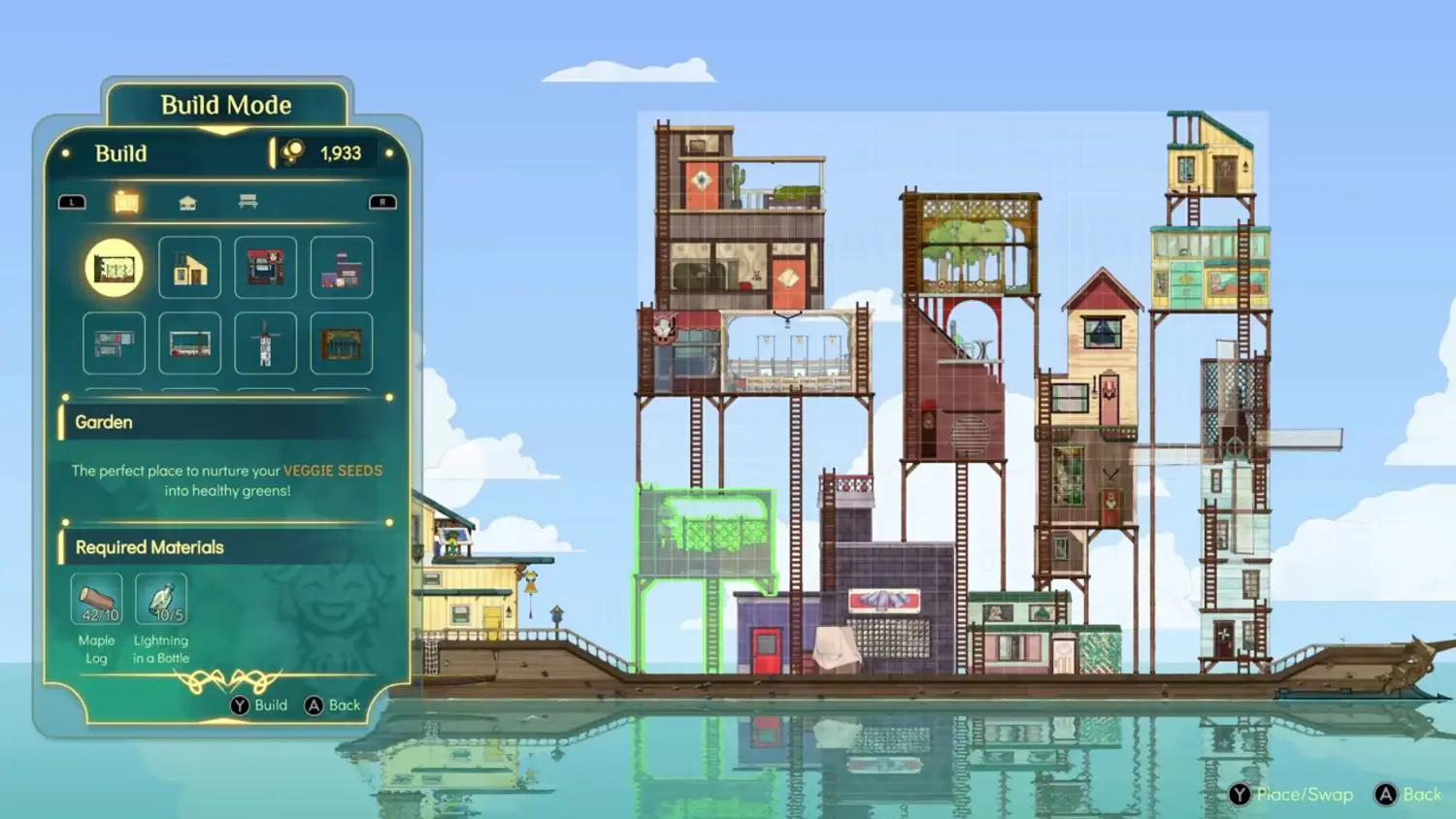
The simulation side comes through in the boat’s development. Stella can add facilities such as gardens, kitchens, workshops, and orchards, turning the vessel into a practical and personal space. These rooms support crop growing, cooking, crafting, and the fulfillment of requests. The adventure side emerges when the boat sails into new areas, where islands hold materials, secrets, challenges, and possible new passengers.
That balance gives the game a gentler sense of progression. Expanding the boat is not merely about increasing capacity or unlocking options; it is tied to the needs of the characters living there. A new building can make an activity possible, provide a useful resource, or help Stella offer better care to a spirit with unfinished business.
Stella’s Role as the New Spiritfarer
In the Spiritfarer story, Stella takes on the role of Spiritfarer after inheriting the duty from Charon. She is a ferrymaster for the deceased, welcoming animal spirits onto her boat and helping them through the final stage of their journeys. Her work is not framed around combat or conquest. Instead, it is centered on attention, companionship, and the practical acts that help each passenger reach a point of peace.
Every spirit has personal requests and a distinct history. Stella spends time getting to know them, completing tasks, preparing food, offering comfort, and helping them resolve their remaining wishes. When the time comes, she guides them to the Everdoor, the passage that marks their departure to the afterlife.
The premise gives ordinary activities a clear emotional purpose. A crafted object, a prepared meal, or a newly built room can become part of a larger farewell. Stella’s boat is therefore more than transport: it is a temporary home where spirits can be cared for before they move on.
A Journey Built Around Compassion and Farewells
The game’s emotional force comes from the individual relationships Stella forms with her passengers. The animal spirits are not treated as interchangeable objectives. Their stories carry different tones, including humor, warmth, frustration, affection, and sadness. Their requests may be simple in mechanical terms, but they gain meaning through the personalities and histories behind them.
Spiritfarer spirits ask the player to slow down and listen. The journey rewards patience, since much of its impact rests in spending time with characters rather than rushing from one destination to another. Caring for them includes keeping them fed, responding to their needs, and providing reassurance as they approach the end of their stay.
The farewells are especially important because they turn progression into something more reflective than a checklist. Each departure changes the boat and its community. The game makes room for grief, but it also leaves space for gratitude and tenderness. Its sadness is not separate from its warmth; both are part of Stella’s responsibility as a guide.
Exploring Islands for Resources and New Encounters
Sailing is the link between the boat’s domestic routines and the larger world. Stella travels across a vibrant, hand-drawn setting, visiting islands that provide the supplies needed to keep building and caring for her guests. Wood, ore, plants, and other materials support crafting projects, structural upgrades, and useful facilities aboard the ferry.
Spiritfarer exploration also makes each stop feel like more than a resource run. Islands can contain secrets, hidden routes, environmental challenges, and encounters with new spirits. Some destinations expand the world through their layout and discoveries, while others serve as places to gather materials required for a spirit’s request or a boat improvement.
- Build a home: Add gardens, kitchens, workshops, and orchards to support the life of the boat.
- Gather supplies: Search islands for wood, ore, plants, and other crafting materials.
- Care for guests: Cook meals, provide comfort, and help spirits with their final wishes.
- Find new paths: Use exploration and movement abilities to reach concealed areas and resources.
- Guide farewells: Bring spirits to the Everdoor when their journeys are complete.
This structure supports a steady rhythm. A visit to an island may lead to a new material, which enables a workshop project, which helps fulfill a request, which deepens a relationship. The game continually connects travel, management, and character care rather than treating them as isolated systems.
Platforming and Fishing Along the Voyage
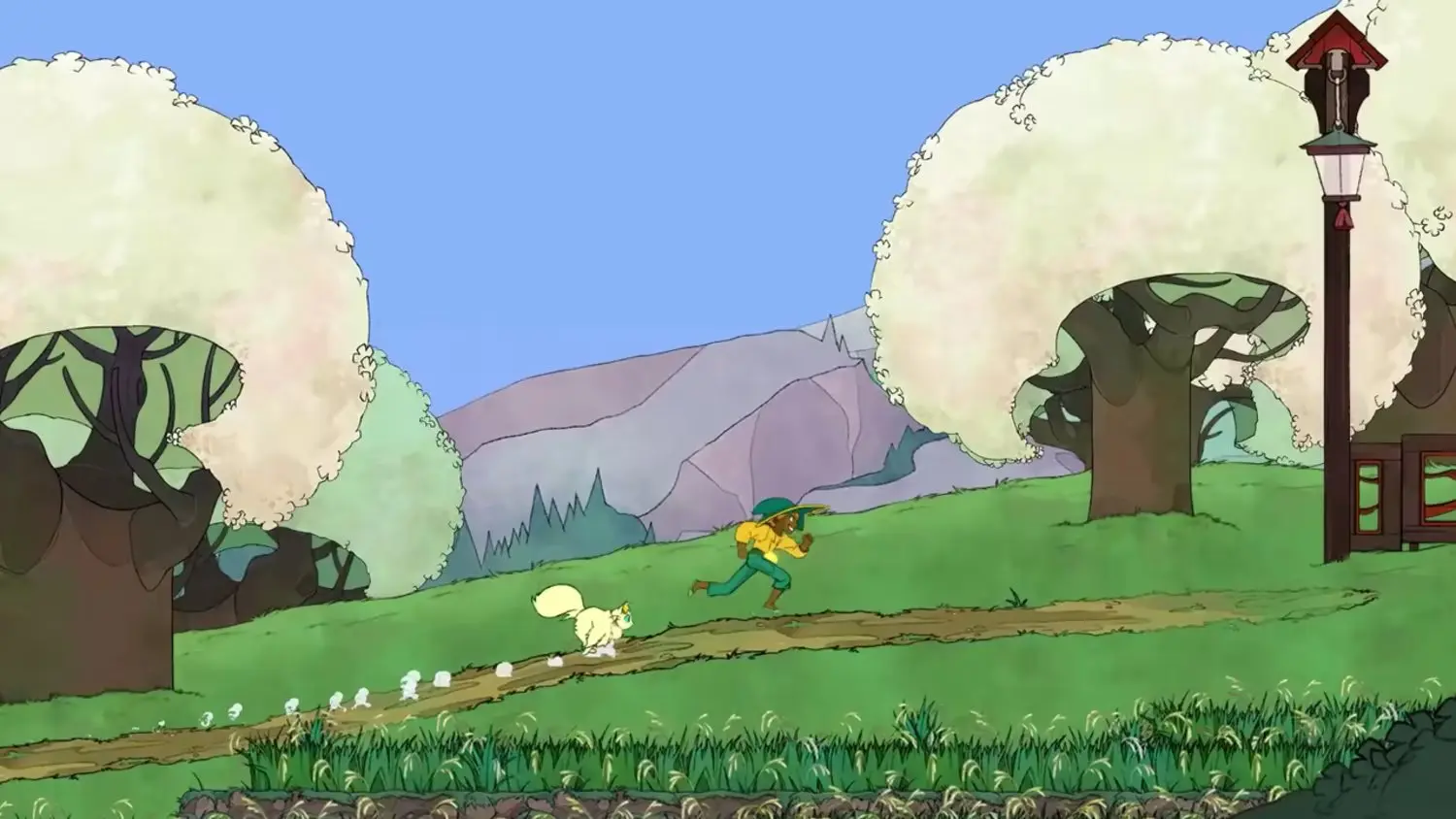
Movement is a key part of how Stella interacts with the world. The platforming layer gives island exploration a more active feel, with environmental navigation and hidden routes to uncover. Stella’s abilities include gliding and dashing, helping her cross spaces and reach areas that would otherwise remain inaccessible.
These abilities matter because resources are often placed within the environment rather than simply handed over. Traversal turns gathering into a small challenge, asking players to read terrain and use Stella’s mobility to explore more thoroughly. The approach fits the game’s measured pace: progress often comes from curiosity and careful movement, not speed alone.
Fishing offers another quieter activity during the voyage. Stella can cast a line into the water to catch fish, which can be used in recipes or traded. It complements the routines aboard the boat, supplying ingredients while reinforcing the feeling that travel itself is part of daily life rather than downtime between major events.
Why Spiritfarer Blends Adventure and Simulation
Spiritfarer Switch NSP works through the close connection between its Adventure and Simulation elements. Exploration supplies materials and discoveries. Platforming opens routes through the world. Construction gives the boat new functions. Farming, cooking, fishing, and crafting create the resources needed for everyday care. Narrative gives all of that work human weight through the spirits Stella meets.
As a management game, it emphasizes responsibility without losing its personal tone. Players arrange facilities, improve the ferry’s capabilities, and decide how to support a growing group of passengers. The blueprint station and boat upgrades expand what can be built, giving the journey a clear sense of development as new options become available.
Its hand-drawn presentation supports the same mood as its mechanics: inviting and vibrant, yet capable of carrying more somber moments. This makes it well suited to players interested in exploratory adventure games, relaxed management systems, and character-focused stories about compassion and letting go. Rather than separating cozy routines from emotional storytelling, Spiritfarer lets each one strengthen the other.
Recommended Similar Games
 Wizard of Legend 2 Switch NSPView Game
 Let’s Sing 2024 with International Hits Platinum Edition Switch NSP XCIView Game
 Elder Sister’s Love Training Switch NSPView Game
 LEGO Voyagers Switch NSPView Game
 LAYTON’S MYSTERY JOURNEY: Katrielle and the Millionaires’ Conspiracy Deluxe Edition Switch NSP XCIView Game
 Rayman Legends Definitive Edition switch NSP XCIView Game
