Animal Crossing: New Horizons Switch NSP XCI
Report Link Error
Select the broken download file, then submit the report.
Screenshots
About Game
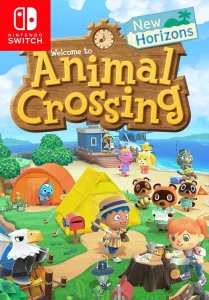
Animal Crossing: New Horizons Switch NSP XCI begins with a simple proposition from Tom Nook: leave familiar routines behind for a deserted island getaway and build a life there at a personal pace. Released on March 20, 2020, this Nintendo simulation places the emphasis on small daily choices, creative projects, and the gradual transformation of an undeveloped shore into a welcoming community.
A Deserted Island Getaway Built Around Player Choice
Tom Nook’s Deserted Island Getaway Package brings the player to an island that initially has very little beyond open land, natural resources, and a pair of animal companions. The first steps are modest: choose a spot for a tent, explore the surroundings, and start collecting materials. That humble beginning establishes the game’s relaxed rhythm.
There is no fixed hero’s journey or single antagonist driving events forward. Progress comes from the player’s own priorities. Some may focus on gathering wood, stone, iron, fruit, fish, and bugs; others may spend more time arranging furniture, learning DIY recipes, or planning an island layout. The island becomes a record of those decisions rather than a place built to follow one prescribed route.
Its atmosphere is shaped by that sense of freedom. Daily activity can be practical, such as crafting tools or earning Bells, but it also leaves room for unhurried exploration and decoration. Rivers, cliffs, paths, buildings, and outdoor furnishings can all become part of an island’s identity. The result is a simulation built less around reaching an ending than around enjoying the process of making a space feel lived in.
From Tent to a Thriving Island Community
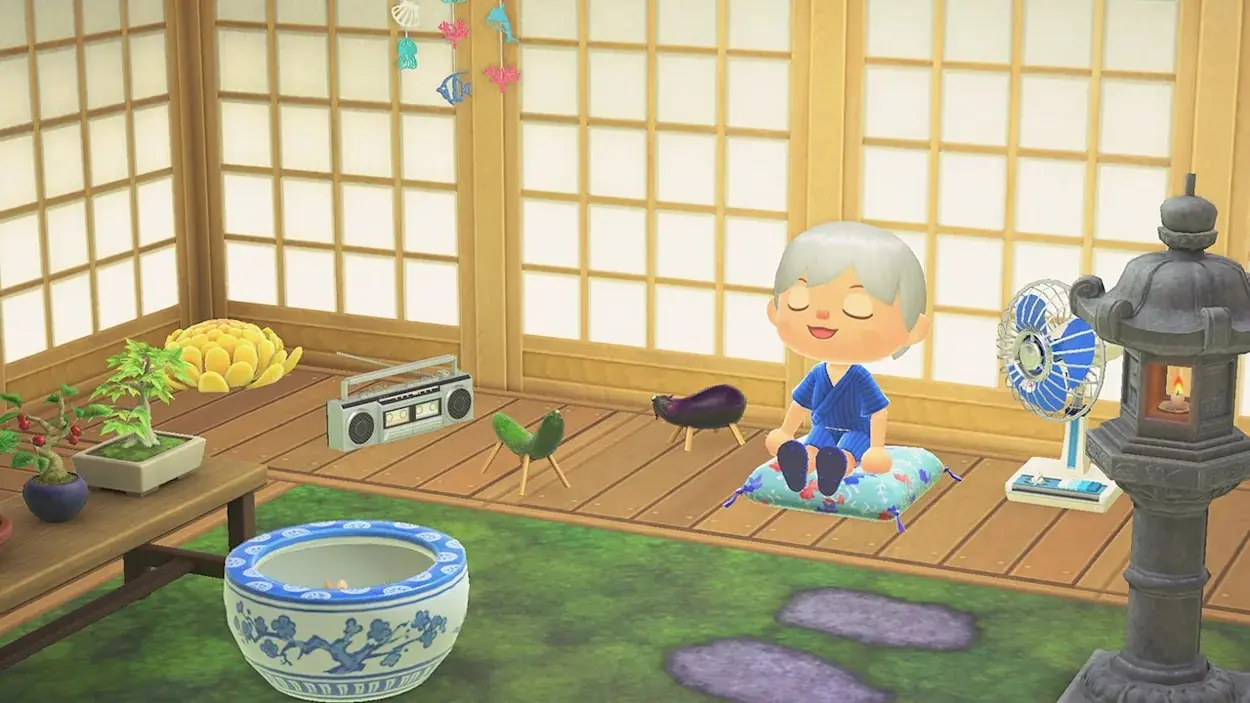
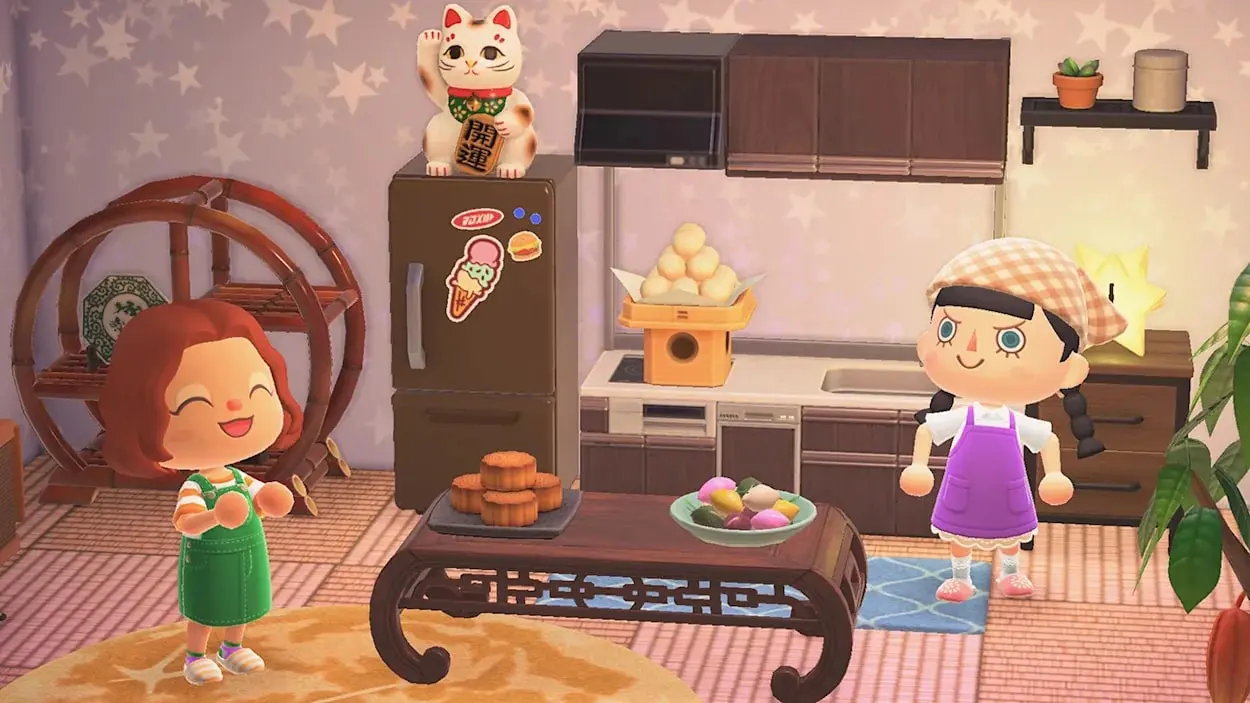
The early progression in Animal Crossing: New Horizons Switch NSP XCI starts with a tent, then develops through home upgrades and the repayment of loans. A house creates more room for interior design, with furniture, wallpaper, flooring, and decorative items offering ways to make each room personal. Those upgrades also give the player a clear sense that the island is changing alongside them.
Island development extends beyond the home. More animal residents can be welcomed in, and facilities can be expanded as the community grows. Bridges and inclines help connect different parts of the landscape, while building placement and terraforming allow the player to reshape terrain with rivers, cliffs, and paths.
That progression is satisfying because it mixes practical goals with creative control. Gathering resources supports crafting; crafting produces tools and decorations; decorations can feed into a larger plan for a neighborhood, garden, or gathering area. The island does not need to look a particular way, which gives the experience lasting replay value for players who enjoy revising designs over time.
Villager Friendships and Everyday Requests
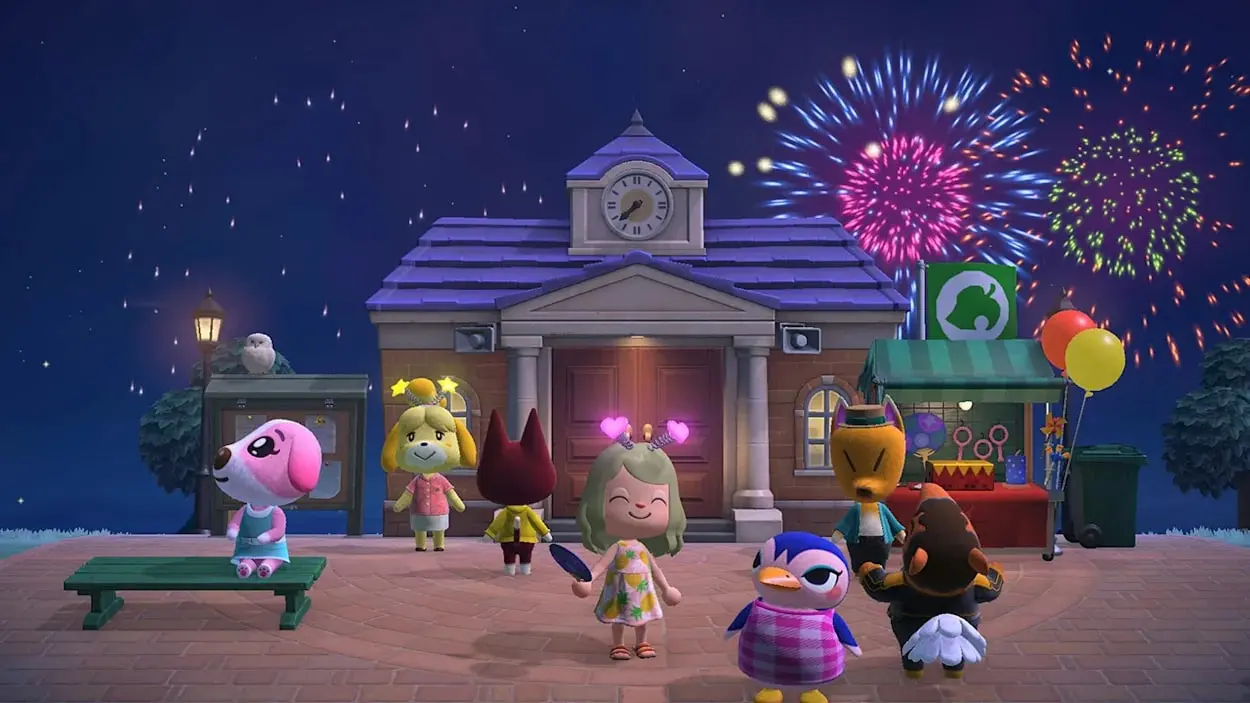
Animal villagers give the island its social texture. Conversations provide a regular reason to check in with residents, while requests and gift-giving turn simple interactions into small acts of community-building. These encounters are not framed as high-stakes missions. Instead, they make the day-to-day routine feel warmer and more connected.
Fulfilling a request, sending a gift, or simply speaking with a resident can make an island feel less like a decorating project and more like a shared home. The game’s social side complements its creative systems: a thoughtfully arranged outdoor area has more character when it sits within a community of familiar animal neighbors.
This makes the game especially suited to players who enjoy gentle goals and repeated daily rituals. There is still plenty to do, but the structure leaves space for quiet routines, spontaneous conversations, and personal projects without forcing a rapid pace.
Museum Donations, Seasonal Changes, and Ongoing Discovery
The museum collection gives exploration another purpose. Fish, bugs, fossils, and art can be donated to help Blathers build an expanding collection. Each contribution turns a find from a daily outing into part of a larger public display, encouraging players to keep looking closely at the island and its changing opportunities.
Seasonal events and calendar-based activities also keep the island from feeling static. Different times of year bring new activities, items, decorations, and occasions to participate in. That evolving calendar supports the game’s long-term structure: returning on another day or in another season can offer a different reason to explore, collect, craft, or decorate.
The presentation of island life is therefore tied to accumulation. A museum fills gradually, a home gains new details, and outdoor spaces develop piece by piece. Discovery is rarely separated from routine; it is woven into fishing, bug catching, fossil hunting, and the simple act of walking around an island that continues to change.
Visiting Friends’ Islands for Trading and Exploration
Multiplayer expands the island-life experience through local and online visits. Players can visit friends’ islands, see how others have approached design and development, and share ideas through exploration. One island may emphasize carefully planned paths and buildings, while another may prioritize furniture arrangements, natural scenery, or a different use of terrain.
Item trading adds a practical side to these visits, but the larger appeal is social. Seeing another player’s community can provide inspiration for future projects and make the customizable nature of the game more visible. Because every island can develop differently, visits offer a useful reminder that there is no single correct way to play.
7 Ways Nook Miles Support Island Progress
- Daily goals: Completing achievements provides Nook Miles through regular island activities, giving small routines a clear reward.
- Exploration incentive: The system encourages players to spend time moving around the island and engaging with its available activities.
- Resource habits: Gathering materials for crafting fits naturally with achievement-focused play and supports practical island tasks.
- Creative momentum: Nook Miles complement projects involving decoration, layout changes, and the broader development of the island.
- Long-term structure: Achievements provide continuing objectives for players who enjoy returning regularly rather than rushing through a linear story.
- Everyday variety: Different activities can contribute to progress, helping fishing, bug catching, crafting, and exploration feel connected.
- Personal pacing: Because progress grows from repeated actions, players can pursue Nook Miles alongside their own home upgrades, community plans, and collection goals.
Published and developed by Nintendo, Animal Crossing: New Horizons is a simulation for players drawn to customization, collecting, friendly social interactions, and gradual progress. Its strongest appeal lies in the way everyday tasks connect: a resource can become a crafted item, an item can shape a home or outdoor space, and each small improvement can help turn a deserted island into a community with its own character.