Out of Sight Switch NSP
Report Link Error
Select the broken download file, then submit the report.
Screenshots
About Game
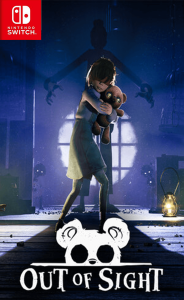
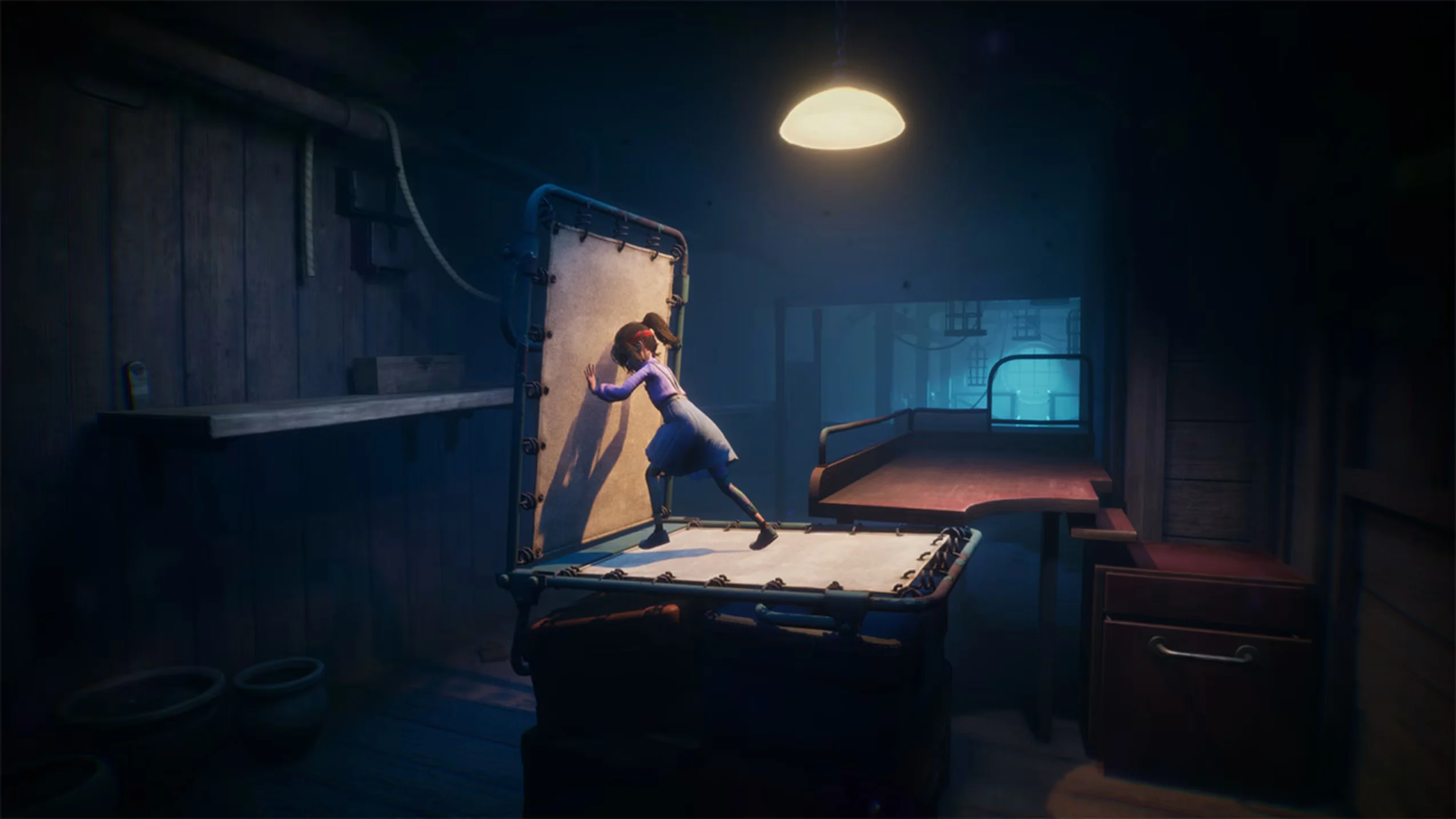
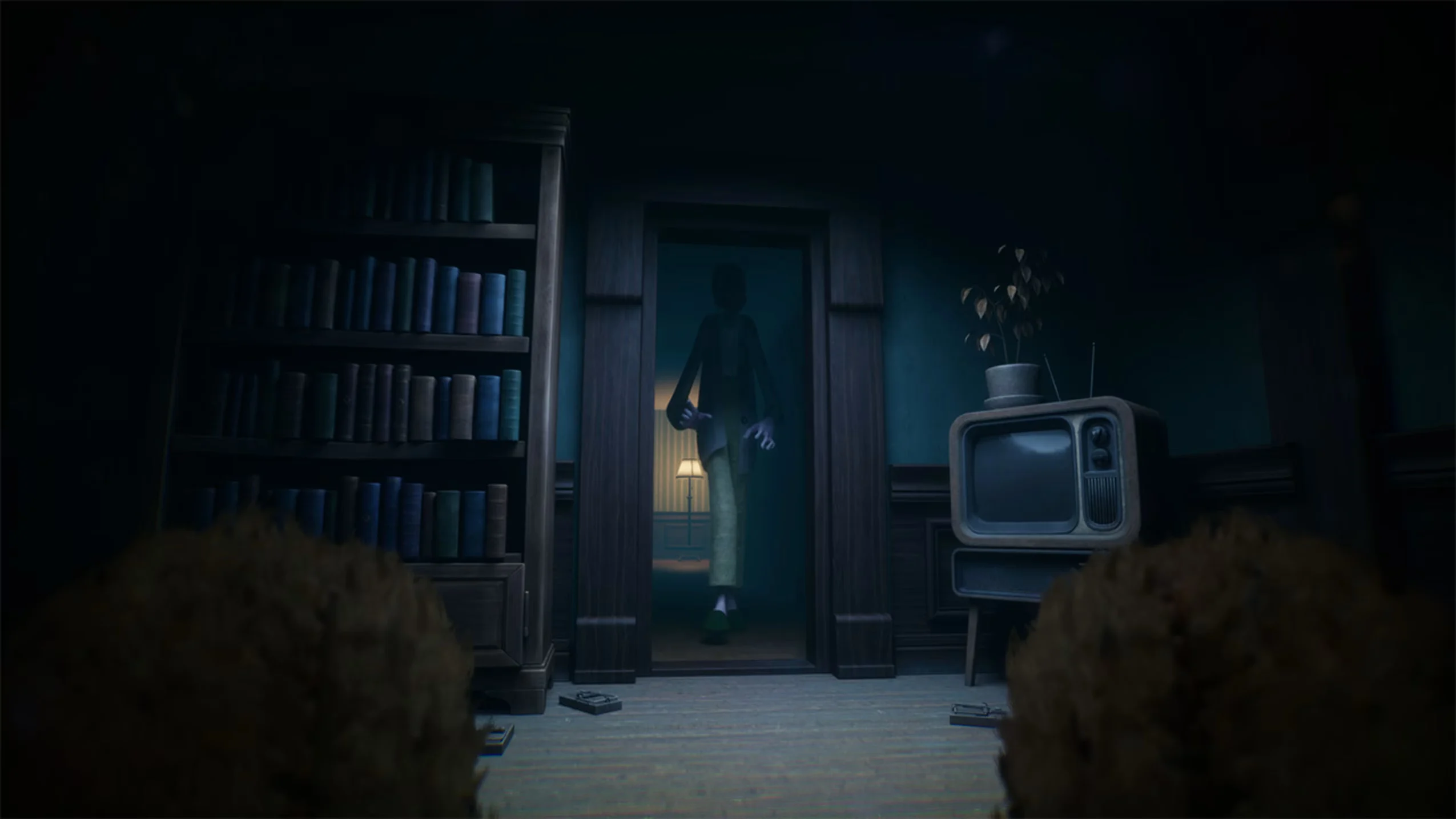
Out of Sight Switch NSP is a Puzzle and Adventure release published by Starbreeze Studios for the USA region, arriving on June 12, 2025. Its premise centers on a disorienting world in which perception is not merely part of the presentation: it determines what can be reached, what remains hidden, and what dangers are waiting just beyond view.
Out of Sight on Nintendo Switch: Release and Game Details
Released on June 12, 2025, Out of Sight Switch places players in an uncertain setting shaped by shifting spaces, fragmented memories, and a mysterious guiding voice. The central character awakens without a complete understanding of their situation, then advances through increasingly demanding challenges while gathering pieces of a forgotten past.
Starbreeze Studios is listed as the publisher, with Puzzle and Adventure identifying the game’s two genres. That combination fits the available description: progress depends on observation, environmental interaction, light platforming, and exploration rather than on a straightforward route through fixed spaces.
The narrative is conveyed through environmental details and subtle clues. Fragments of the protagonist’s past gradually point toward a wider conspiracy or a more personal explanation for the strange environment. The nature of “sight” is especially important, both as part of the story’s mystery and as a practical ability used during play. This gives progression a deliberate rhythm: each new route may reveal another clue, while each clue can make the world feel less certain rather than more familiar.
How Perception Shapes Every Puzzle
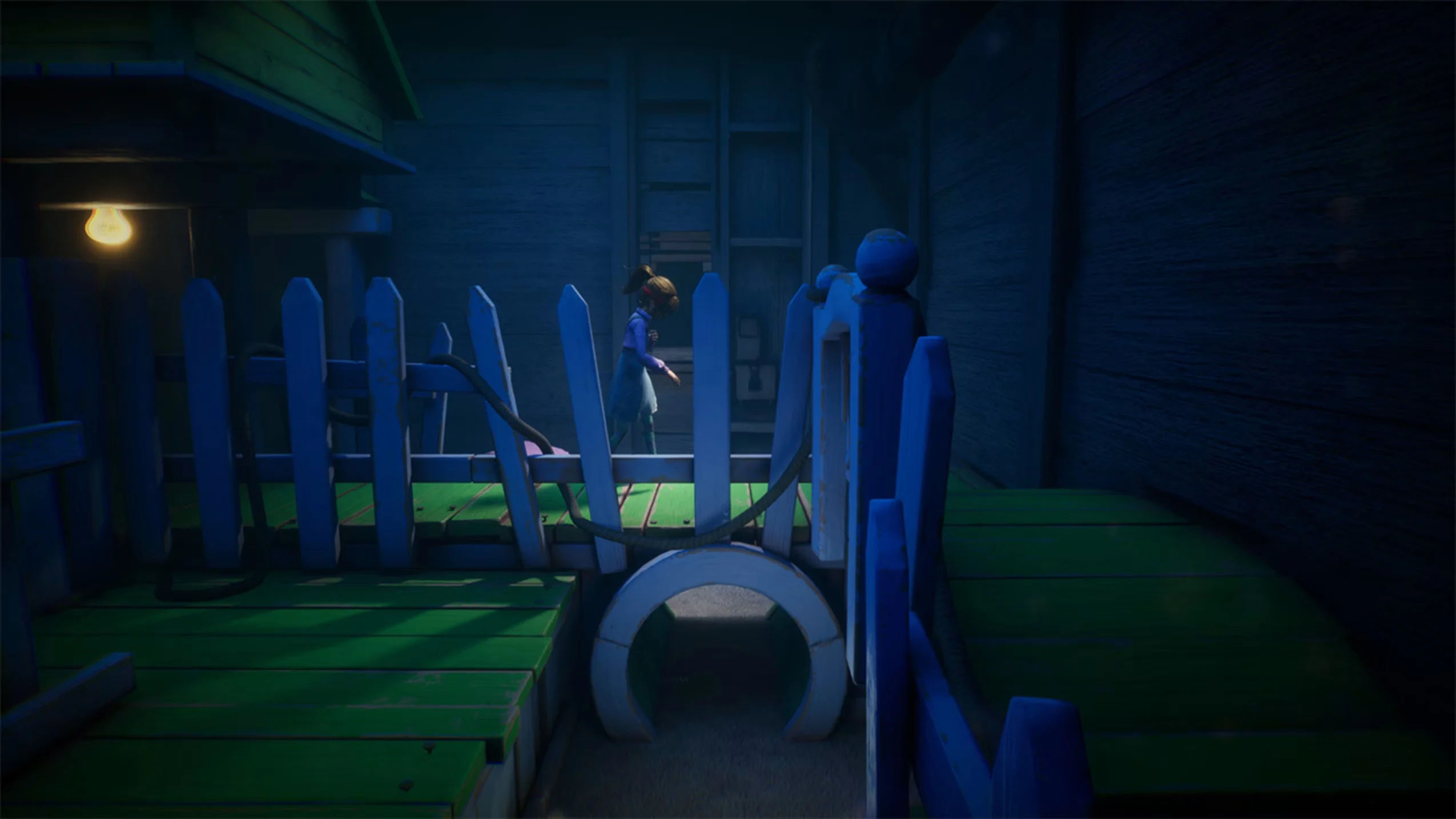
Out of Sight puzzles are built around a simple but demanding idea: a scene can change according to the player’s viewpoint or an environmental trigger. A platform visible from one position may disappear from another. A route that initially appears blocked may become usable after interacting with the right object. The result is a puzzle structure that asks players to question what they are seeing before committing to a move.
These perception-based puzzles make positioning meaningful. Instead of treating the environment as a static backdrop, players are encouraged to inspect rooms, pathways, and objects from more than one angle. An apparent dead end may be a prompt to reconsider the scene, look for a trigger, or use a newly revealed element in a different way.
Environmental manipulation also supports this approach. Objects and triggers can alter pathways, open routes, and remove obstacles, making the level itself feel like the main puzzle board. Light platforming adds movement-based pressure to the process, particularly when a solution requires careful timing after a new platform or safe route becomes visible.
The game’s atmosphere follows naturally from those mechanics. A shifting environment and incomplete memory create uncertainty, while the reliance on subtle environmental storytelling rewards close attention. Rather than presenting every answer directly, the experience asks players to build an understanding of its spaces and their changing rules.
Understanding the Limited Sight Mechanic
The Out of Sight sight mechanic provides brief access to information that would otherwise remain concealed. When activated, it can expose hidden platforms, enemies, clues, or altered versions of reality. It is not an unlimited shortcut; its restricted use makes every activation a decision.
That limitation is central to puzzle strategy. Using sight immediately can clarify a dangerous room, but waiting may be wiser if a later section contains several uncertain routes. Players need to balance curiosity against necessity, especially when a hidden platform could be the difference between progress and a failed jump.
The mechanic also serves defensive purposes. Some areas contain creatures or guardians that react to the player’s presence. In those moments, sight can help identify cover or find a route around a threat. This introduces a stealth and evasion element without moving the game away from its perception-focused identity. The information revealed by the ability matters, but so does the player’s ability to act on it quickly.
Because sight reveals only a temporary glimpse, the game encourages retention rather than passive observation. Players may need to remember the location of a platform, an enemy, or a clue after the altered view fades. The strongest solutions are likely to come from understanding the pattern behind a scene, not simply activating the ability repeatedly.
Boss Encounters That Test Puzzle Mastery
Out of Sight boss encounters are described as challenges that test a player’s understanding of the game’s perception mechanics. These confrontations demand quick thinking and effective use of the abilities learned while navigating regular areas.
Rather than treating bosses as separate from the puzzle design, the available details connect them directly to perception mastery. Hidden information, altered routes, timing, and environmental awareness all have a place in the broader challenge. A player who has learned when to expose useful elements, when to move, and when to avoid danger should be better prepared for these more intense encounters.
This structure gives the game’s progression a clear purpose. Earlier puzzles teach observation and restraint; later tests ask for those skills under greater pressure. Boss battles therefore act as a measure of how well the player has understood the world’s unusual rules.
7 Practical Tips for Navigating Out of Sight
- Change your angle. Inspect scenes from multiple viewpoints before assuming a path is unavailable. Objects and routes may appear or disappear depending on perspective.
- Save sight for uncertainty. The special ability is limited, so reserve it for moments when a hidden platform, enemy, clue, or altered route is likely to matter.
- Track environmental triggers. Interact with objects carefully and note what changes. A trigger can open a route, remove an obstacle, or alter the layout of an area.
- Explore beyond the direct route. Hidden alcoves and optional paths can contain collectibles or lore snippets that add context to the world and its mystery.
- Use cover deliberately. When creatures or guardians react to your presence, look for cover and consider whether sight can reveal a safer bypass.
- Remember what sight revealed. A temporary glimpse is most useful when you retain the location of the platform, clue, or threat after the effect ends.
- Apply the rules under pressure. Difficult encounters and puzzle boss battles call for the same perception skills used elsewhere, only with faster decisions and more precise timing.
Switch Technical Profile: Languages, Firmware, and File Details
The USA release is identified by Title ID 010098A02288A000. It supports a broad language selection: English, French, German, Italian, Japanese, Korean, Portuguese, Russian, Chinese, Spanish, and Traditional Chinese.
The listed firmware version is 19.0.0, and the file size is 3.19 GB. For players drawn to cerebral adventure design, environmental mysteries, light platforming, stealth-oriented evasion, and puzzles that reward patient observation, Out of Sight Switch NSP presents a focused concept: what is visible may be useful, but what is hidden can be just as important.