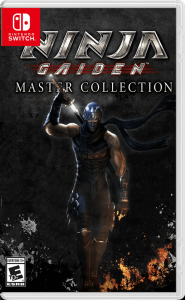
NINJA GAIDEN 3: Razor’s Edge Switch NSP XCI
Report Link Error
Select the broken download file, then submit the report.
Screenshots
About Game
NINJA GAIDEN 3: Razor’s Edge Switch NSP XCI brings Koei Tecmo’s hard-edged action adventure to Nintendo Switch with a June 10, 2021 release date. Developed and published by Koei Tecmo, this edition is available in Europe and the USA, with language support for English, German, Spanish, French, Italian, and Japanese. Its focus is direct and demanding: guide master ninja Ryu Hayabusa through a violent crisis where disciplined combat and personal consequence are inseparable.
NINJA GAIDEN 3: Razor’s Edge on Nintendo Switch: Release and Game Details
Released on June 10, 2021, NINJA GAIDEN 3: Razor’s Edge fits firmly within the Action and Adventure genres. The Nintendo Switch version places its emphasis on fast encounters, difficult opposition, and a story that follows Ryu through an escalating global threat. Koei Tecmo handles both publishing and development, keeping the game centered on the studio’s vision of intense ninja combat.
The release supports players across the Europe and USA regions. Its broad language selection also makes the game accessible in several major languages, from English and Japanese to German, Spanish, French, and Italian. Beneath that practical release information is a much darker premise than a simple mission of revenge: Ryu’s skills remain extraordinary, but his ability to use them is tied to an increasingly painful curse.
Ryu Hayabusa and the Grip of Murder
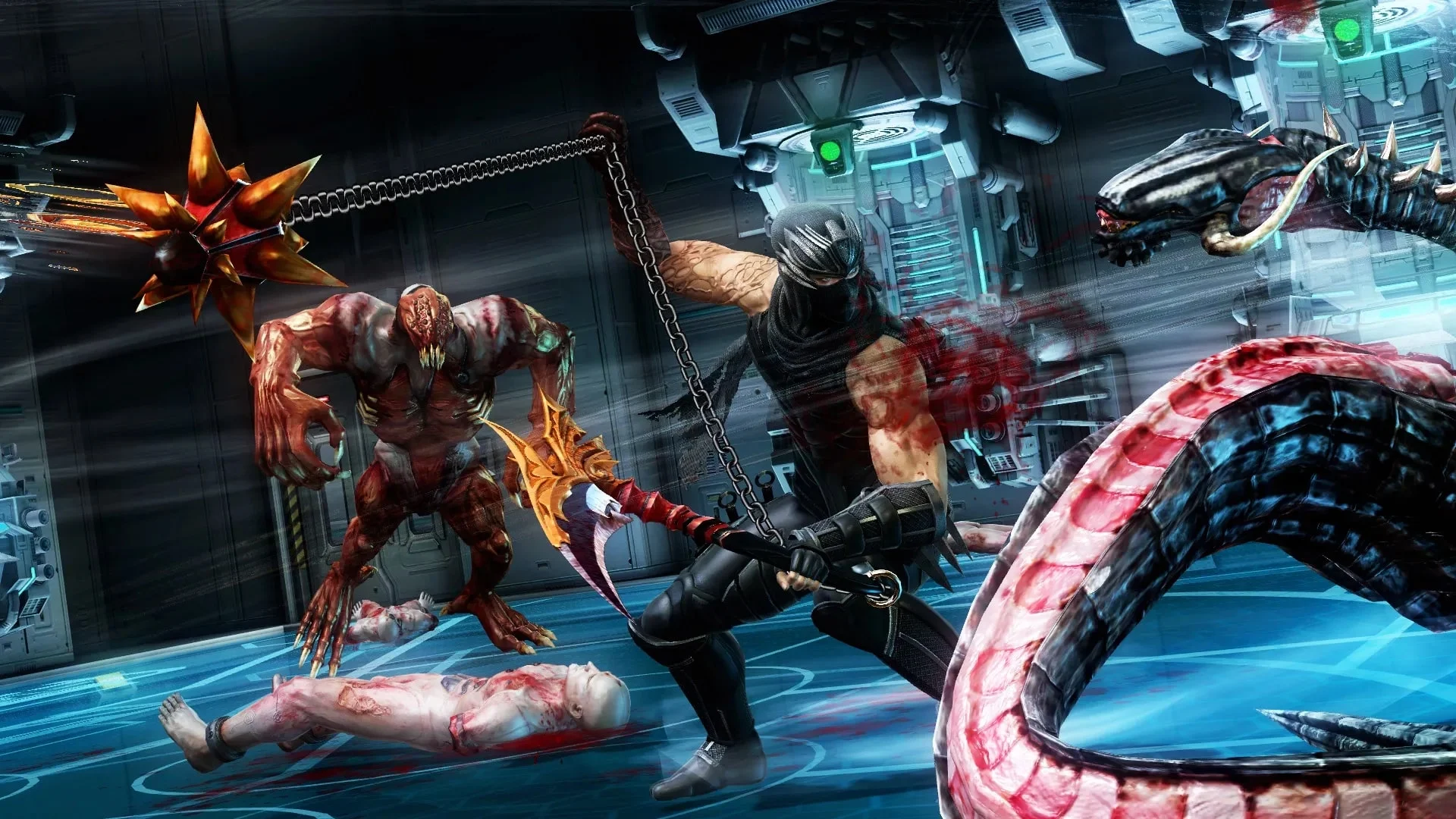
Ryu Hayabusa becomes entangled in an international conspiracy driven by the Regent of the Mask and a campaign of terror. The immediate danger is global, but the more personal threat is the Grip of Murder, a curse that forces Ryu to experience the pain connected to every life he takes. It is not merely an obstacle to overcome between battles. The curse afflicts him physically and emotionally, placing pressure on the controlled, silent warrior at the center of the story.
Ryu’s journey is therefore about more than stopping the Regent’s plans. He must learn what the Grip of Murder is, endure its effects, and seek a way to break it while facing enemies determined to push the world toward destruction. The premise gives the action a harsher emotional context. Every confrontation is tied to the burden Ryu carries, rather than existing only as another opportunity to display his combat ability.
A Darker Ninja Gaiden Story
The narrative examines violence through Ryu’s cursed condition. He is still a hero facing a destructive enemy, yet the Grip of Murder makes the cost of his actions impossible to ignore. That tension blurs the boundary between protector and monster, asking what years of lethal combat have demanded from him.
This darker direction gives the adventure a more severe atmosphere. Ryu is challenged not only by the Regent of the Mask’s forces but also by the possibility that the curse will change what he is. The stakes extend to humanity’s future and to Ryu’s own soul. Allies provide important support, but the central conflict remains deeply personal: a legendary fighter confronting the consequences of the life he has lived.
For players interested in a dark action story, the appeal lies in that collision of spectacle and responsibility. The game does not separate Ryu’s violent skill from the weight attached to it. His progress through the crisis is also a reckoning with the Grip of Murder curse and the limits of his identity as a warrior.
Combat Built Around Precision, Patterns, and Survival
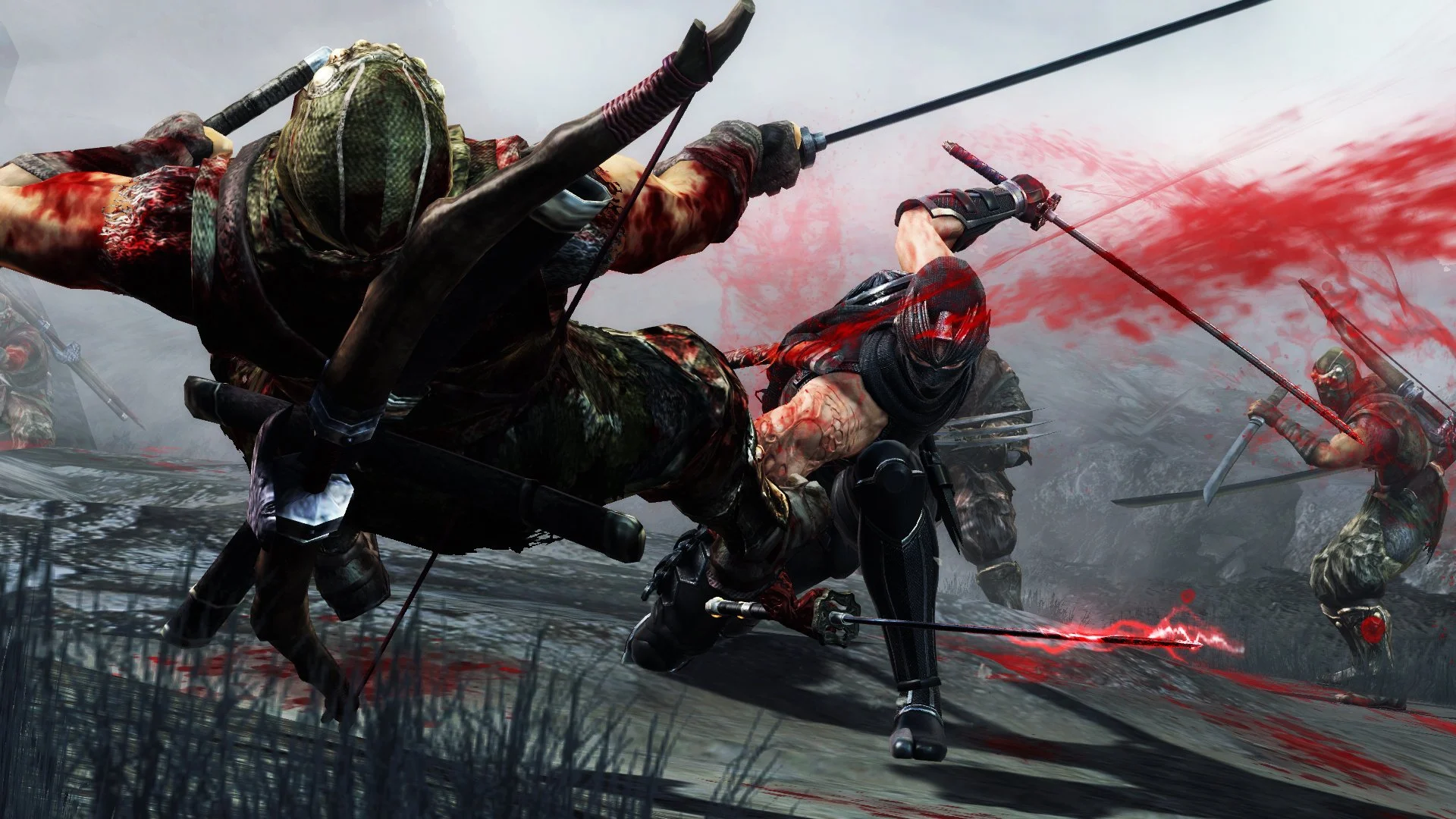
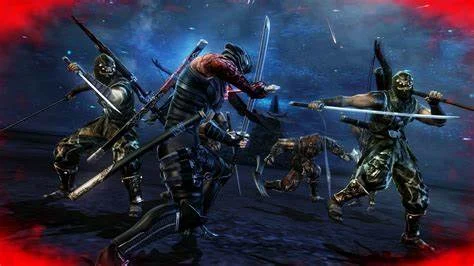
Combat in NINJA GAIDEN 3: Razor’s Edge Switch NSP XCI is built for players willing to pay attention. The hack-and-slash action is fast and responsive, with combinations, finishing moves, weapons, and Ninpo all contributing to Ryu’s options. However, speed alone is not a solution. Charging forward without understanding an opponent’s behavior can quickly lead to defeat.
Enemy-pattern recognition matters because each encounter asks players to judge when to attack, when to reposition, and when to use the right tool for the situation. Ryu can draw on a range of weapons, including the Falcon’s Talons, Lunar Staff, and Scythe, each offering a different approach to close-quarters pressure. Ninpo techniques such as Incendiary Shuriken and Piercing Void add powerful answers when groups become difficult to control or when a large burst of damage is needed.
- Read the room: Watch enemy patterns before committing to long attacks, especially when several foes threaten from different directions.
- Use the arsenal: Switch weapons and employ Ninpo to respond to the demands of a particular encounter.
- Protect momentum: Responsive combos are valuable, but reckless aggression can leave Ryu exposed.
- Create openings: Injuring enemies can make them vulnerable to critical blows and help reduce pressure in a crowded fight.
- Practice under pressure: Trials and Ninja Tests offer additional challenges for sharpening combat skills outside the main story.
The progression systems support that demanding structure. Karma rewards skillful play and can be used to upgrade weapons, Ninpo, and unlock abilities. As Ryu advances, new moves and stronger attributes give players more ways to shape their approach. The result is not a casual power fantasy; it is a combat game that rewards learning, execution, and measured adaptation.
How Dismemberment Changes Encounters
The enhanced dismemberment system gives battles another tactical layer. Injured enemies can be weakened before Ryu commits to a critical blow, changing how players assess priority targets during chaotic fights. The system serves the game’s brutal tone, but it also has a clear mechanical role: damage can create an opening that alters the flow of an encounter.
That makes aggression more purposeful. Rather than treating every foe as a target to overwhelm immediately, players can use damage to reduce an enemy’s threat and set up a decisive finish. In a game where survival depends on awareness, this interaction reinforces the importance of control. The most effective attacks are not simply the flashiest ones; they are the ones used at the right moment.
Beyond Ryu: Ayane, Momiji, and Kasumi
Ryu is the heart of the story, but Ayane, Momiji, and Kasumi expand the experience as playable characters. Each brings a distinct fighting style and separate story segments, creating breaks from Ryu’s familiar tools and perspective. Their presence also strengthens the sense that the conflict reaches beyond one ninja’s struggle.
These additional characters add meaningful replay value. Learning another combat style can change the rhythm of encounters, while separate segments provide more material beyond Ryu’s main path. Trials and Ninja Tests further extend the challenge for players who want to refine their performance, and online multiplayer includes cooperative missions alongside competitive battles.
This is best suited to action players who enjoy difficult fights, repeated practice, and systems that reward careful improvement. Its world is grim, its combat is unforgiving, and its central hero is burdened by more than the enemies in front of him. For those prepared to meet that intensity with patience and precision, Razor’s Edge offers a relentless ninja adventure with real mechanical depth.