Once Upon a Puppet Switch NSP
Report Link Error
Select the broken download file, then submit the report.
Screenshots

About Game
Once Upon a Puppet Switch NSP arrives on Nintendo Switch as a June 26, 2025 Adventure release from Daedalic Entertainment. Its premise is built around a magical theater whose annual puppet show is losing its magic before the curtain can rise. Through Pip, a small but determined puppet, the game frames its journey around imagination, friendship, and the effort to bring a fading stage back to life.
Once Upon a Puppet on Nintendo Switch: A Theater-Born Adventure
The setting gives this Adventure game a clear theatrical identity. Rather than simply using a stage as decoration, Once Upon a Puppet places its story inside a forgotten theater where acts, scenes, props, and performances shape the world itself. Pip’s mission begins when the shadowy Maestro steals the Spark of Imagination, a vital force needed to make puppet performances live and move.
That theft puts the grand annual show in danger and sends Pip beyond the main stage, into a larger puppet world with its own secrets. The story’s stakes are personal as well as theatrical: Pip is trying to save friends, restore the theater’s lost glory, and recover the source of its creative energy. The result is a premise that leans into the warmth of storybook fantasy while keeping a clear goal in view.
For players looking for a Nintendo Switch adventure with handcrafted surroundings and a playful stage-show atmosphere, Once Upon a Puppet Switch NSP presents a journey where each new location can feel like another act waiting to be performed.
A Forgotten Theater Filled With Enchanted Acts
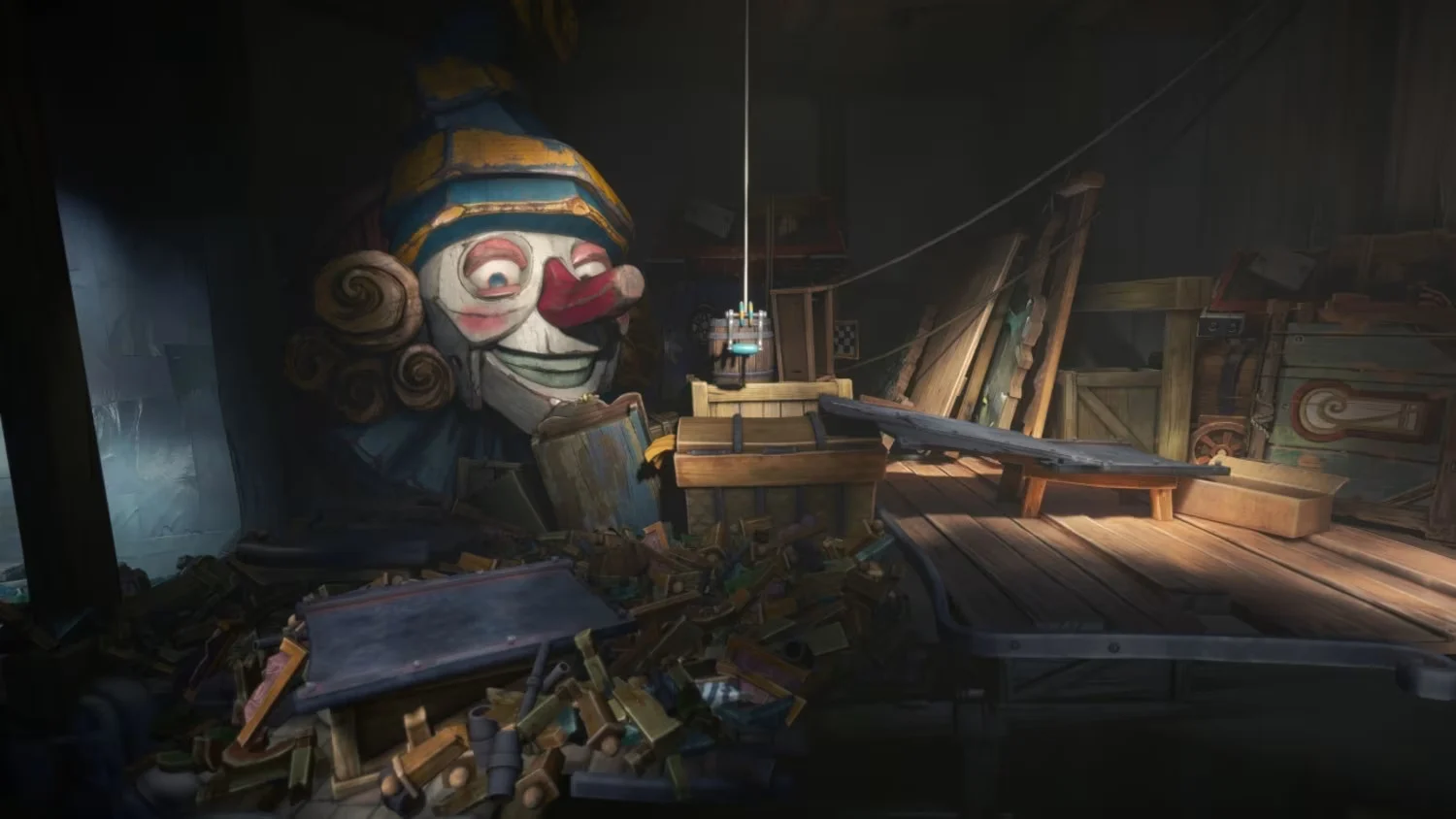
The forgotten theater is more than a backdrop for Pip’s quest. It provides the structure for the game’s exploration, with enchanted acts and scenes serving as places to investigate, traverse, and gradually understand. Ancient theater secrets are part of the path forward, suggesting that progress depends not only on reaching the next area but also on learning how this strange performance world fits together.
Pip encounters other puppets during the journey, and they bring their own stories and abilities to the adventure. Some offer guidance, while others may present challenges. That approach gives the puppet world a sense of community: its characters are not merely scenery around Pip’s objective, but figures connected to the theater’s fading magic and the trouble caused by the Maestro.
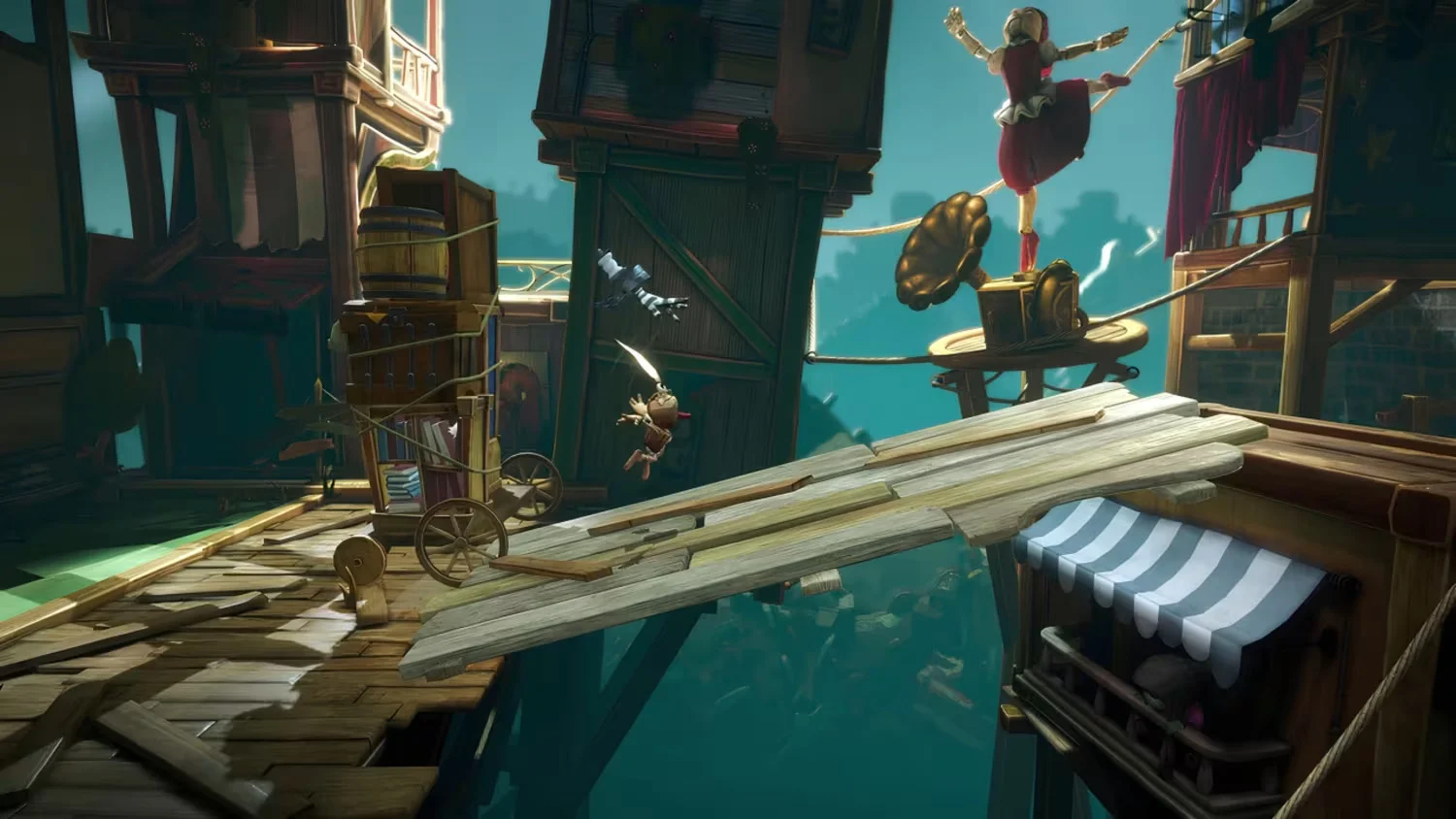
The presentation also supports the setting. Levels are described as vibrant and detailed, drawing from theater-inspired genres and rendered in a storybook art style. Mystical forests and bustling cityscapes broaden the visual range beyond a single backstage environment, while still fitting the idea of traveling from scene to scene in a larger production.
How Puppet Switching Shapes Every Challenge
Puppet switching is the central gameplay idea. Pip can swap among different puppet forms, and each form has distinct movement or interaction skills. The mechanic is not treated as a simple cosmetic change; the available forms are necessary for overcoming obstacles, handling enemies, and reaching new parts of a level.
This makes progression closely tied to observation. A blocked route, a high ledge, or an object that refuses to move can call for a different puppet transformation. Players are encouraged to consider the environment as a playable stage set, then choose the form that matches the task in front of them.
That structure should give individual challenges a practical rhythm: explore a scene, identify its obstacle, switch forms, and test the relevant ability. As new situations appear, the game can ask players to combine familiar skills in more thoughtful ways. The emphasis is on intuitive controls paired with puzzles that reward attention to the specific qualities of each puppet.
Using Puppet Abilities for Platforming and Puzzles
The confirmed puppet abilities show how platforming and environmental problem-solving work together. One form can jump higher, helping Pip reach elevated platforms or routes beyond ordinary reach. Another can push heavy objects, allowing players to shift obstacles or manipulate parts of the environment. A gliding ability offers a way across gaps that would otherwise stop progress.
These skills make the theater setting useful in mechanical terms. Stage props can be manipulated, hidden mechanisms can be activated, and puzzle solutions can emerge from experimenting with the surroundings. A prop is not just a visual nod to the game’s theatrical theme; it may be part of the route through an enchanted act.
The game also includes Imagination Sparks scattered throughout its levels. These collectibles can unlock new areas, reveal bonus content, and provide more information about the puppet world’s lore. Because Sparks are often hidden, exploration has a purpose beyond the main route. Players who inspect alternate paths and investigate unusual corners may find more than a simple shortcut.
This blend of platforming puzzles and collectible hunting gives the adventure room for replay-minded exploration. Returning attention to missed routes or cleverly concealed Sparks can be worthwhile for players interested in opening additional areas and uncovering more of the theater’s background.
Quirky Minions and Boss Encounters That Test Strategy
Pip’s opposition includes the Maestro’s quirky minions, encountered in boss battles designed around puppet-switching skill and strategic thinking. These encounters ask more than quick movement alone. Success depends on recognizing which transformation is useful and applying its strengths effectively during the fight.
That focus keeps the game’s central mechanic relevant when the stakes rise. The same abilities used to solve an environmental puzzle can become part of a combat-oriented challenge, encouraging players to think about form changes as flexible tools rather than one-purpose solutions. Each boss encounter is presented as distinct, fitting a game built around changing acts, characters, and theatrical scenarios.
The tone remains whimsical even as Pip works against the Maestro’s plans. The contrast between a shadowy rival, unusual minions, and a charming puppet cast gives the adventure a playful dramatic edge without leaving its storybook identity behind.
5 Things to Look for While Exploring Once Upon a Puppet
- Try every form: Each puppet transformation has a specific role, from higher jumps to moving heavy objects and gliding across gaps.
- Read the stage: Props and theater-themed mechanisms can be part of environmental puzzles, so unusual objects may deserve a closer look.
- Seek Imagination Sparks: These hidden collectibles can unlock new areas, reveal bonus content, and add to the puppet world’s lore.
- Check side routes: Hidden paths and secrets reward careful exploration beyond the most direct route through an act.
- Notice the changing scenes: Mystical forests, cityscapes, and other theater-inspired level themes help give the game’s storybook art style its variety.
With English, Japanese, Spanish, French, German, Italian, Russian, Korean, Simplified Chinese, and Traditional Chinese language support listed for the USA release, the game’s theatrical tale is positioned for a broad audience. Its combination of accessible movement, creative switching, collectible exploration, and strategy-based encounters makes it suited to players drawn to whimsical adventures that ask them to look closely at the world around them.