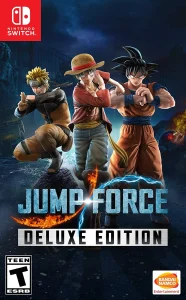
Jump Force Deluxe Edition Switch NSP
Report Link Error
Select the broken download file, then submit the report.
Screenshots
About Game
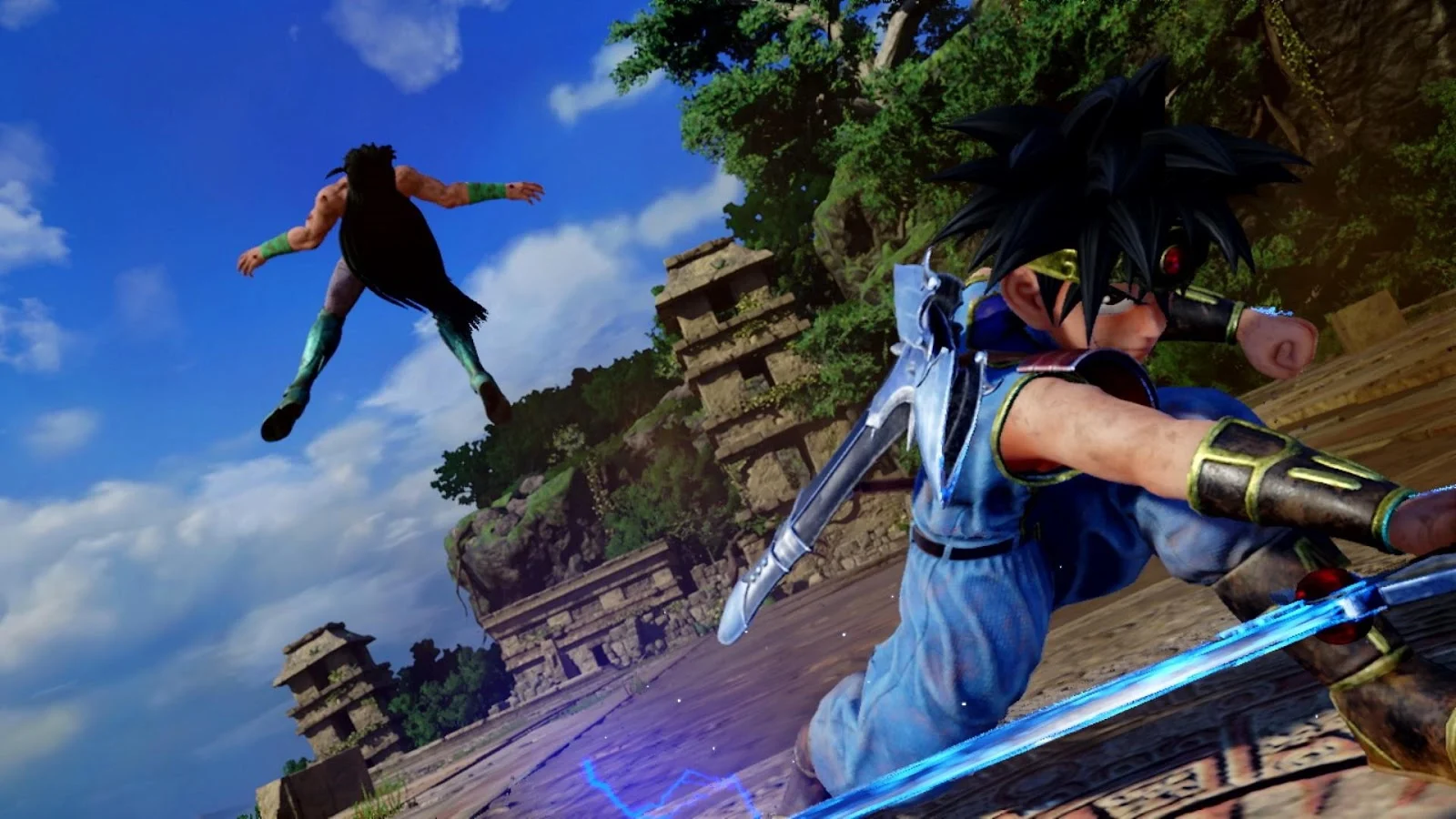
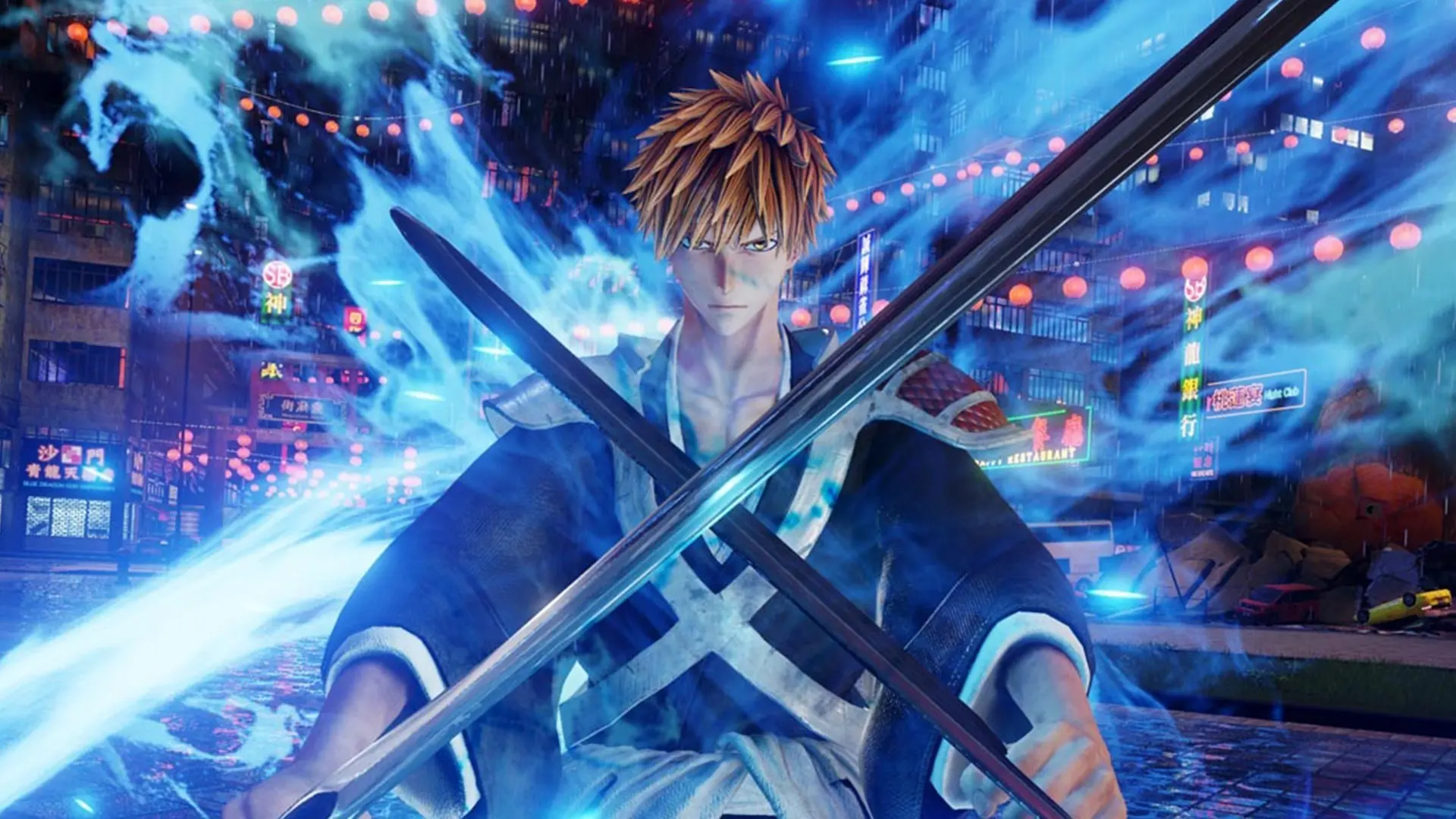
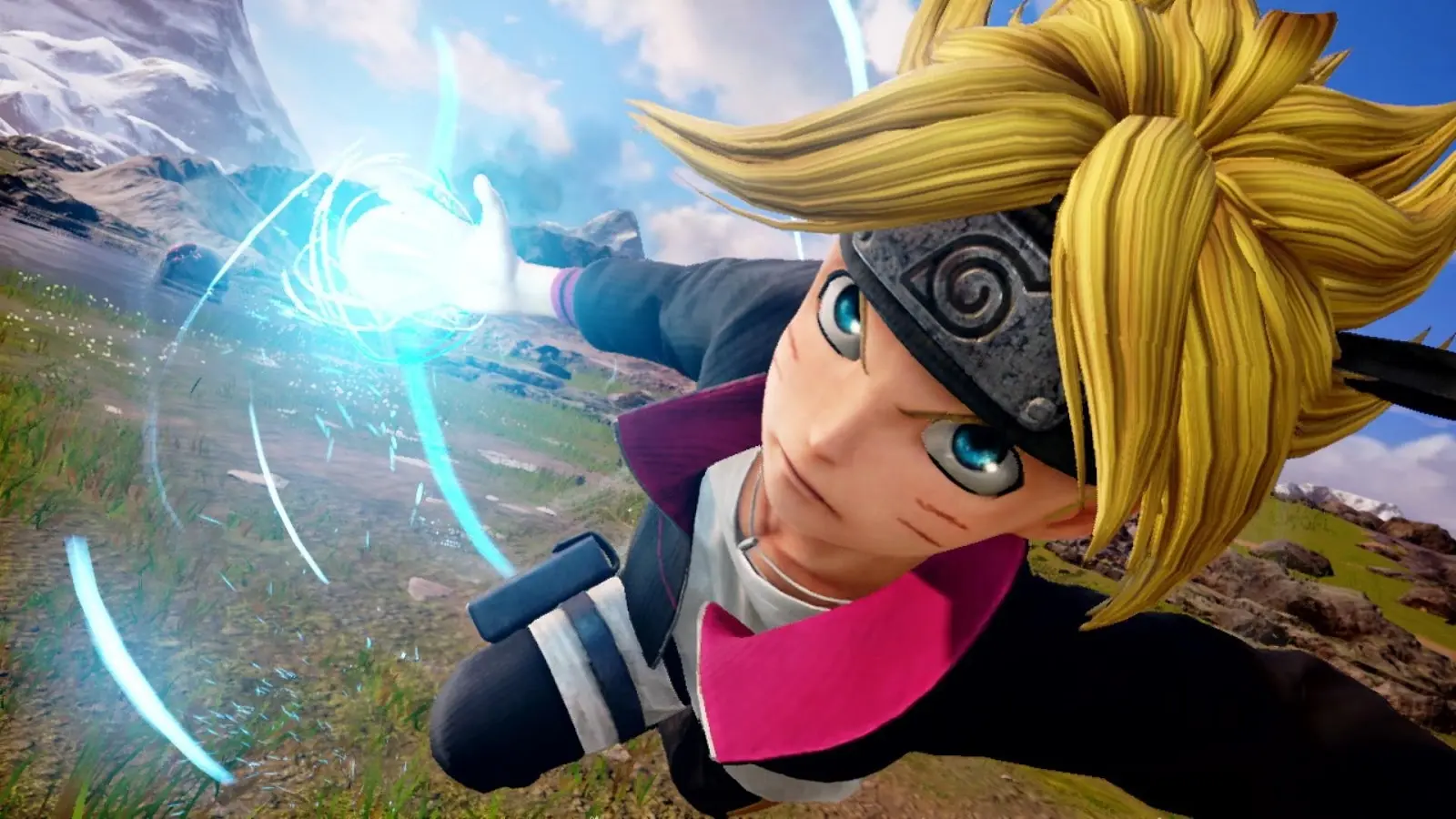
Jump Force Deluxe Edition Switch NSP brings Bandai Namco’s action-fighting crossover to Nintendo Switch, where it released on August 28, 2020. Developed and published by Bandai Namco, the USA release supports English, Spanish, French, and Portuguese, placing a broad collection of Shonen Jump heroes and villains into fast-paced three-versus-three arena battles.
Jump Force Deluxe Edition on Nintendo Switch: Game Overview
Jump Force is built around spectacle: recognizable fighters meeting in 3D arenas, rapid character swaps, explosive special moves, and large-scale ultimate attacks. The Nintendo Switch version frames that experience as a portable Bandai Namco fighting game, with battles centered on teams of three rather than a single selected fighter.
The pace rewards players who can move between offense and defense without losing track of their resources. Basic attacks establish pressure, while special abilities and ultimate moves add heavier damage options. Those stronger techniques rely on an ability gauge, so the most dramatic attacks work best when used with some restraint instead of being treated as a constant answer.
The presentation leans into the unusual meeting of distinct manga-inspired worlds. Familiar characters share the same battlefield despite coming from different series, and the arena format gives their clashes room for movement, positioning, and environmental tactics. It is a fighting game designed around crossover appeal, but its team system also gives each match a strategic layer beyond the first character chosen.
A Crossover Story Where Worlds Collide
The Jump Force story begins with a crisis that merges the real world with the Shonen Jump universes. The collision causes destruction and confusion, while characters from those worlds are left facing changes to their identities and origins. The result is a setting where famous heroes and villains are not simply meeting for exhibition fights; they are caught in a larger breakdown between worlds.
A hostile organization known as the Venoms intensifies that disorder. Led by Kane and Galena, the group manipulates Jump characters and turns them against humanity. Director Glover responds by forming Jump Force, an elite group charged with restoring balance and uncovering what lies behind the phenomenon.
This setup gives the crossover a clear purpose. The story follows efforts to understand the Umbras Cubes, resist the Venoms, and protect the connected worlds. Its themes of unity, conflict, and the bonds between separate universes fit naturally with a cast drawn from many different series. Goku, Luffy, Naruto, and other fighters occupy the same conflict, turning the premise of Jump Force worlds collide into both narrative tension and a reason for its major battles.
Create an Avatar and Join the Fight
Rather than placing the player only in the role of an established character, the game introduces an original avatar. After being revived by Glover through the power of an Umbras Cube, that custom character becomes part of Jump Force and takes an active role in the campaign. The avatar provides a personal link to the story’s world-spanning conflict.
Jump Force avatar customization extends beyond appearance. Players can equip outfits and abilities, allowing the custom character to be shaped around personal preferences before heading into missions or battles. That progression gives the hub and preparation systems practical value: customization is not separate from the fighting experience, but part of how a player develops their role within the team.
The custom-character approach also helps connect the roster’s many established personalities. Instead of asking one series’ hero to serve as the sole viewpoint, the game uses the avatar as a newcomer navigating a world where famous fighters, unfamiliar threats, and fractured realities all collide.
Five Team-Building Tips for Better Battles
- Build for synergy. Experiment with three-character groups whose attacks and abilities complement one another. A team does not need to use the same style across all slots; useful combinations can create more opportunities after a swap or during a combo.
- Cover different ranges. Balance close-range fighters with characters who can threaten from farther away. This gives a team more answers when an opponent changes distance or tries to control the pace of an arena.
- Value support options. A varied lineup can include fighters whose abilities help create openings rather than relying entirely on direct pressure. Team composition matters because each character contributes a different set of attacks and special moves.
- Swap with purpose. Character changes are central to the tag-team format. Use swaps to extend pressure, vary attacks, or bring in a better option for the current situation instead of treating the three slots as separate one-on-one rounds.
- Watch energy and defend. Special abilities consume the ability gauge, making energy awareness essential. Blocks, dodges, throws, and well-timed counterattacks can prevent wasted resources and open the way for a stronger response.
These Jump Force gameplay tips are less about finding one fixed team than learning how the game’s systems interact. Smart energy use, defensive timing, and roster variety can make a three-fighter squad feel more adaptable from one battle to the next.
The Hub World, Training, and Player Interaction
Between fights, the central hub world acts as a preparation space. It is where players can customize their avatar, acquire skills, train, organize their approach to missions, and interact with other players. That structure gives the game a social and practical break from the intensity of combat arenas.
Jump Force training is particularly relevant for a game with character swaps, special abilities, and defensive tools to learn. The battle system asks players to manage distance, gauges, combos, and timing, so a space for practice supports the transition from experimentation to more confident matches. Skills and avatar options also give progression a visible place in the broader routine of preparing for new encounters.
The hub’s player interaction reinforces the sense that Jump Force is a shared gathering point for fighters from many worlds. It is not only a menu between missions; it is a setting for adjusting a custom character, preparing a team, and returning to the action with a clearer plan.
Roster Variety and Multiplayer Battle Options
The roster contains more than 50 characters, giving the crossover its strongest sense of scale. The appeal of seeing Goku, Luffy, and Naruto associated with the same fighting game is immediate, but the larger roster also supports experimentation with team combinations, abilities, and play styles. A player can keep refining a preferred group or rotate through different fighters to explore new matchups.
Jump Force multiplayer includes offline and online battle options, extending the game beyond story missions and solo preparation. Three-character teams, character switching, and the need to read an opponent create room for repeat play, particularly for players who enjoy testing team synergy under different conditions.
For audiences drawn to Shonen Jump crossover battles and 3D arena fighting, Jump Force Deluxe Edition Switch NSP offers a combination of recognizable characters, avatar-driven progression, and strategic tag-team combat. Its largest moments come from the same place as its core appeal: separate worlds meeting in one chaotic, high-energy fight.
Recommended Similar Games
 Ben 10: Power Trip! Switch NSPView Game
 Shantae : Half-Genie Hero Ultimate Edition Switch NSP XCIView Game
 WarioWare: Get It Together! Switch NSP XCIView Game
 Yohane The Parhelion -Blaze in the Deepblue- Switch NSP XCIView Game
 SWORD ART ONLINE Hollow Realization Deluxe Edition Switch NSP XCIView Game
 Wash Simulator – Clean Garage, House, Cars Business Tycoons Switch NSPView Game
