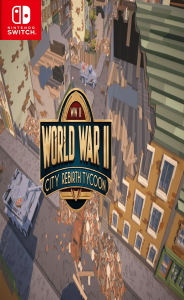
World War II City Rebirth Tycoon Switch NSP
Report Link Error
Select the broken download file, then submit the report.
Screenshots
About Game
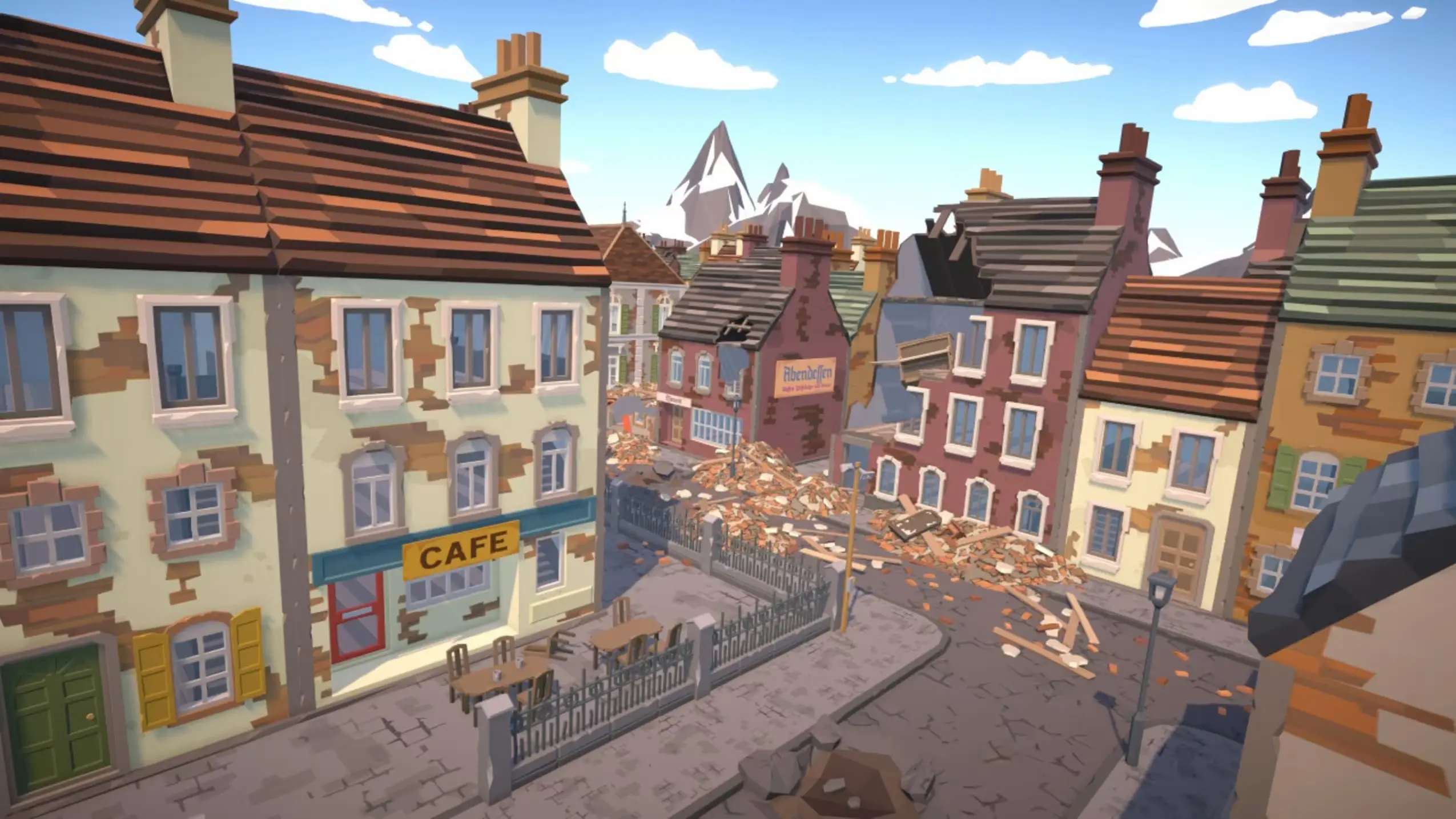
World War II City Rebirth Tycoon Switch NSP places city planning in the difficult period after World War II, when a damaged urban landscape must be made functional again. This Simulation and Strategy game asks players to guide recovery through practical decisions: reclaiming land, supplying residents, building services, and choosing where limited materials can make the greatest difference. Its focus is less on a character-led campaign than on the visible transformation of a city from ruin into a working community.
World War II City Rebirth Tycoon: A Post-War Rebuilding Simulation
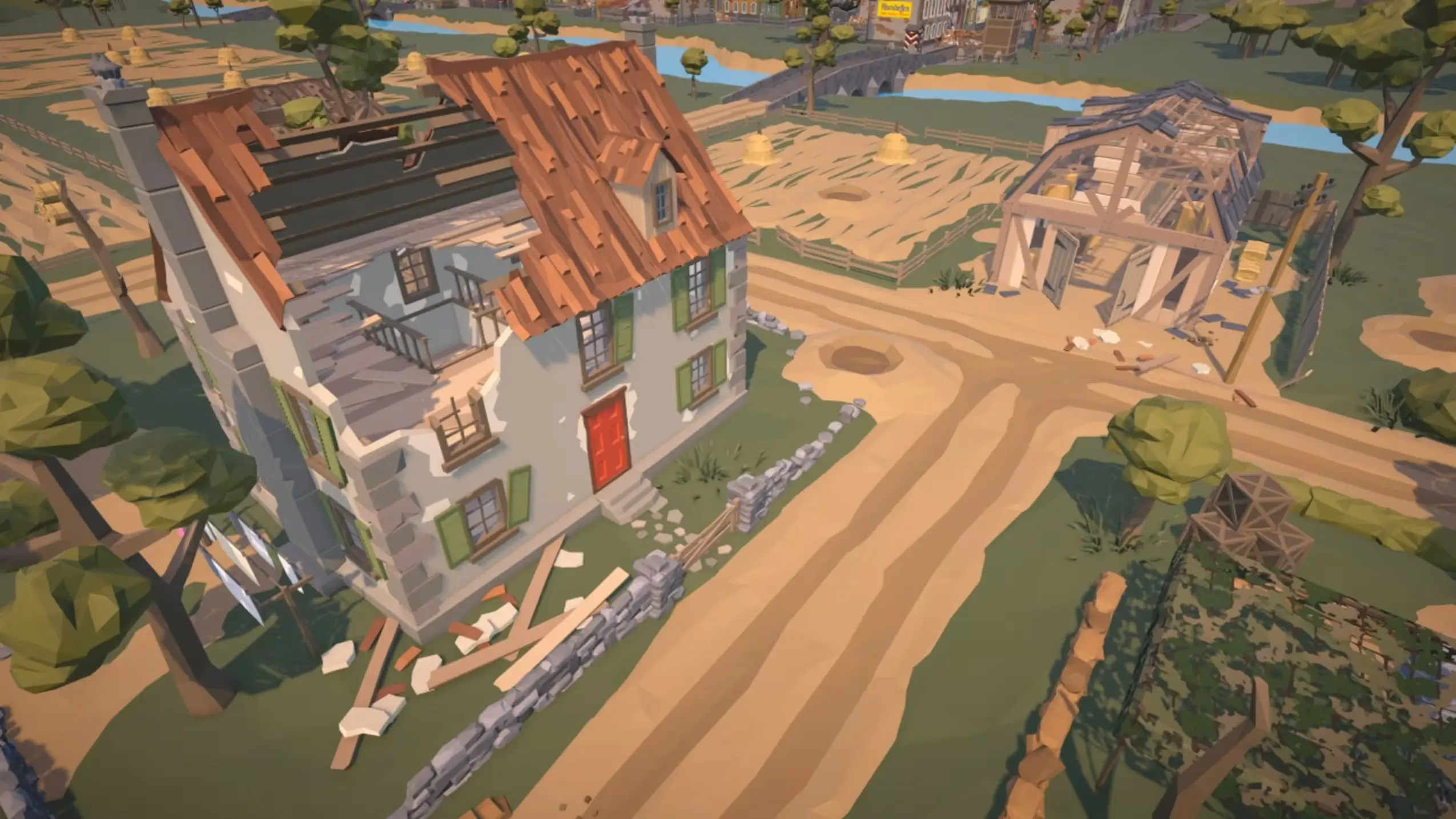
World War II City Rebirth Tycoon frames its challenge around post-war city rebuilding. The city begins in a scarred state, with debris restricting development and basic needs demanding attention. Recovery is shaped by the player’s planning choices, from the placement of homes and roads to the balance between public services and industrial growth.
The historical setting gives the simulation a clear sense of purpose. Rebuilding is not simply about expanding a map with new districts; it is about restoring the conditions needed for people to live and work. Housing, employment, water, power, and civic services all form part of the same recovery effort. A decision to develop one area can affect resource reserves, citizen needs, and the pace of later construction.
This makes it a simulation strategy game with a gradual rhythm. Early actions are practical and limited by what is available, while later choices can support a larger and more productive city. The city’s recovery becomes the game’s central story, told through its streets, buildings, industries, and growing population rather than through a traditional character narrative.
From Rubble to Recovery: The Core City-Building Loop
The first stage is to clear war debris and rubble. This reclaims valuable land for construction and establishes room for the city to begin functioning again. Clearing space is only the opening move, however. Once land is available, the next concern is creating the systems that allow residents and workplaces to operate.
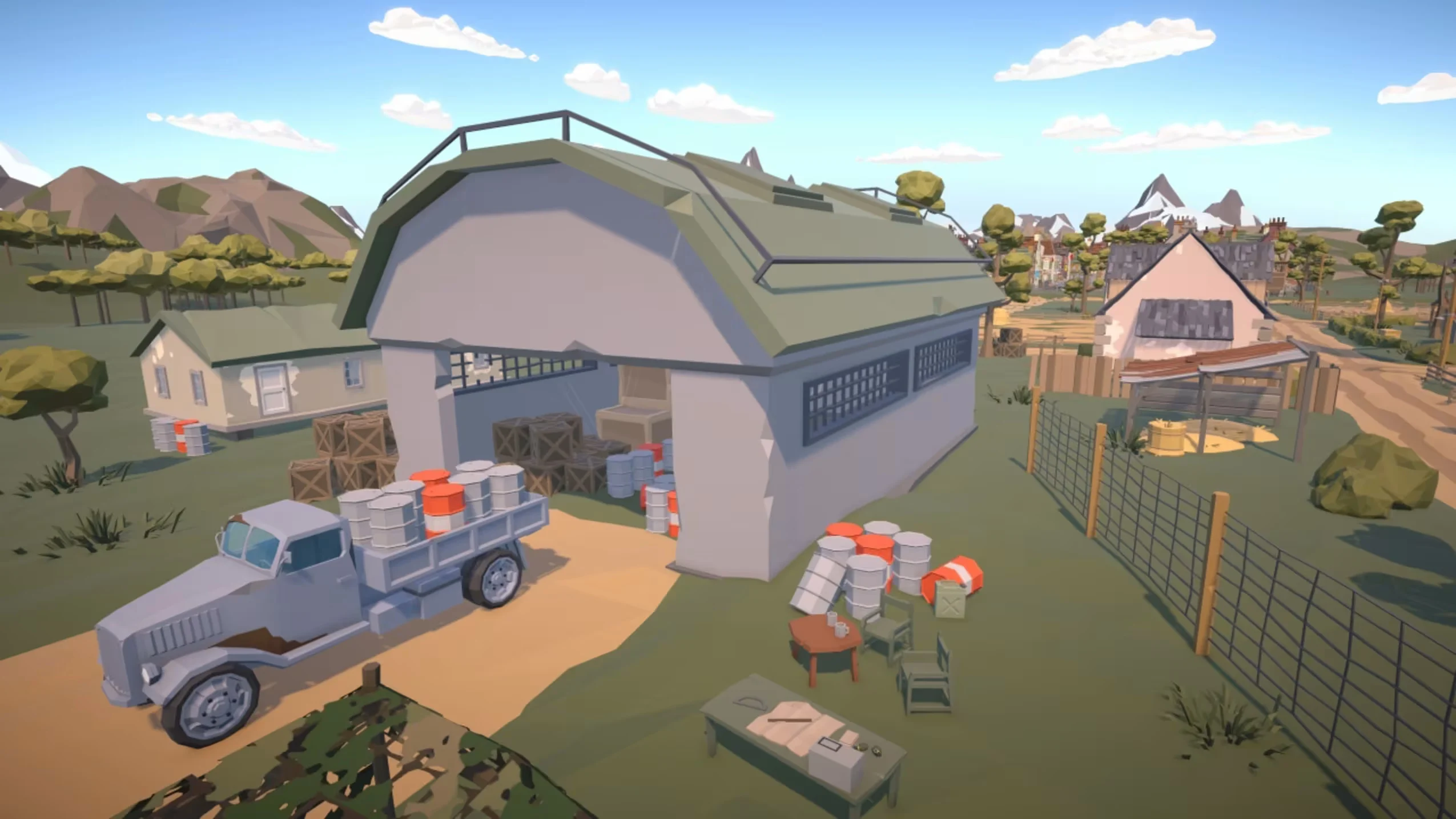
Roads, power lines, and water systems provide the backbone for development. Residential zones then give the population somewhere to live, while factories and resource-gathering facilities support the broader economy. The loop builds steadily: make land usable, connect it with infrastructure, house citizens, create jobs, and expand the facilities that keep the city supplied.
That structure gives progress a tangible quality. A desolate area can gradually become a serviced neighbourhood, an industrial district, or a connected part of the wider city. The available view options support both close management and broader planning, allowing attention to individual buildings as well as the overall shape of the growing metropolis. The visual style is described as charming, helping soften a subject defined by difficult circumstances without removing the weight of recovery.
Managing Scarce Resources for Sustainable Growth
Resource management is a central pressure throughout the rebuilding process. Timber, steel, and food are among the materials that must be managed while construction, infrastructure, housing, and industry compete for attention. A city may have ambitious plans, but its next project must still fit the resources on hand and the immediate needs of its citizens.
That tension encourages a measured city recovery strategy. Expanding too quickly can leave essential needs underfunded, while holding back too long may slow population growth and industrial output. The game asks players to balance economic development with citizen happiness, making jobs, housing, and amenities meaningful parts of the same system.
Public services add another layer to this balancing act. Hospitals, schools, and fire departments help support a more stable community, but they must be established alongside basic construction and productive industries. Resource shortages and unforeseen events can further disrupt a plan, so a successful city is not only one that grows; it is one prepared to keep functioning when conditions become less predictable.
Research and Long-Term Recovery Planning
As basic survival gives way to more dependable development, research technologies can open new directions for the city. New building types broaden the available choices, allowing planning to move beyond the earliest priorities of clearing space and meeting immediate needs.
This creates a useful sense of progression. The early game is concerned with foundations: services, homes, resource access, and workable infrastructure. Research supports the next phase, where the city can develop with more options and refine how its districts serve residents and industry. Long-term city planning therefore depends on more than placing the next building. It involves deciding how current investments will support later growth.
There is also room for different approaches. One rebuilding effort may emphasize housing and essential services first, while another may seek stronger production before attempting wider expansion. Since choices affect recovery and citizen well-being, the planning process can invite repeat attempts built around different priorities, especially for players who enjoy adjusting a city’s growth path over time.
7 Early Priorities for Rebuilding a War-Torn City
- Clear the ground. Remove debris and rubble first so valuable land becomes available for construction.
- Meet basic needs. Establish the essential conditions residents require before committing heavily to larger projects.
- Connect the city. Build roads, power lines, and water systems to support future housing and workplaces.
- Create housing. Develop residential zones so the recovering population has places to live.
- Watch materials. Manage timber, steel, food, and other available resources carefully as demands increase.
- Support daily life. Add services such as hospitals, schools, and fire departments while maintaining jobs and amenities.
- Expand with purpose. Develop factories and resource facilities, research new options, and avoid growth that exceeds current reserves.
These World War II City Rebirth Tycoon tips reflect the game’s emphasis on foundations. Basic services and stable supplies can prevent setbacks, while careful expansion gives research and industry a stronger platform. The approach is likely to suit players who enjoy city builders with resource pressure, methodical planning, and the satisfaction of seeing damaged land become a productive urban space.
Nintendo Switch Release Details for World War II City Rebirth Tycoon
World War II City Rebirth Tycoon Switch NSP is listed for Nintendo Switch in the USA region, published by Tashlik. Its release date is December 25, 2024, and it supports English language play. The listed genre classification is Simulation and Strategy.
The Nintendo Switch title ID is 010015F0211AA000. The listed firmware requirement is 19.0.1, and the listed file size is 167 MB. For players drawn to reconstruction-focused planning, its central appeal lies in the steady move from clearing debris and managing scarce supplies to shaping a larger city with services, industry, and new development options.