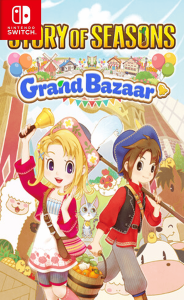
Story of Seasons: Grand Bazaar Switch NSP
Report Link Error
Select the broken download file, then submit the report.
Screenshots

About Game
Story of Seasons: Grand Bazaar Switch NSP places its farming life in a valley where the local market has lost much of its old energy. Released on August 27, 2025, this simulation from Marvelous Europe frames progress around a simple but appealing purpose: build a productive farm, bring useful goods to market, and help a quiet community regain the activity of its once-successful bazaar.
Windmill Valley and the Goal of Reviving Its Bazaar
Windmill Valley is more than a backdrop for planting and harvesting. Its declining marketplace gives the player a practical reason to work, sell, meet villagers, and improve their farm. The aim is not built around a large dramatic conflict. Instead, the story develops through steady personal progress and a wider sense of community renewal.
As the farm becomes more capable, the bazaar can attract more visitors and vendors. That connection gives routine work a visible purpose. A harvested crop is not simply a number added to storage; it can become part of a busy market day and contribute to the larger effort of reviving the bazaar. The tone is gentle, centered on achievement, relationships, and the satisfaction of helping Windmill Valley feel active again.
Villagers are part of that progression. Building friendships and speaking with the people around the valley supports the community-focused atmosphere, while farm and home upgrades create a sense that the player’s place in Windmill Valley is becoming more established over time.
A Farming Simulation Built Around Weekly Market Days
The central routine combines familiar farming simulation tasks with preparation for the weekly Grand Bazaar. Days can be spent watering crops, tending animals, collecting materials, foraging in the valley, cooking, crafting, or arranging goods for the next market. The bazaar gives these separate activities a shared deadline.
Rather than treating every day as the same cycle, market days create a rhythm between production and sale. Crops must be grown through the seasons, animal products need to be gathered, and useful ingredients can be turned into cooked dishes or crafted items before they are brought to the bazaar. This makes planning important without moving away from the relaxed pace associated with farm life.
The result is a routine with clear short-term goals. A player can decide what to plant, which animals to care for, what to make from available resources, and which goods are worth saving for the coming market. Each successful week supports both the farm’s development and the valley’s recovering marketplace.
Selling Directly to Customers at the Grand Bazaar
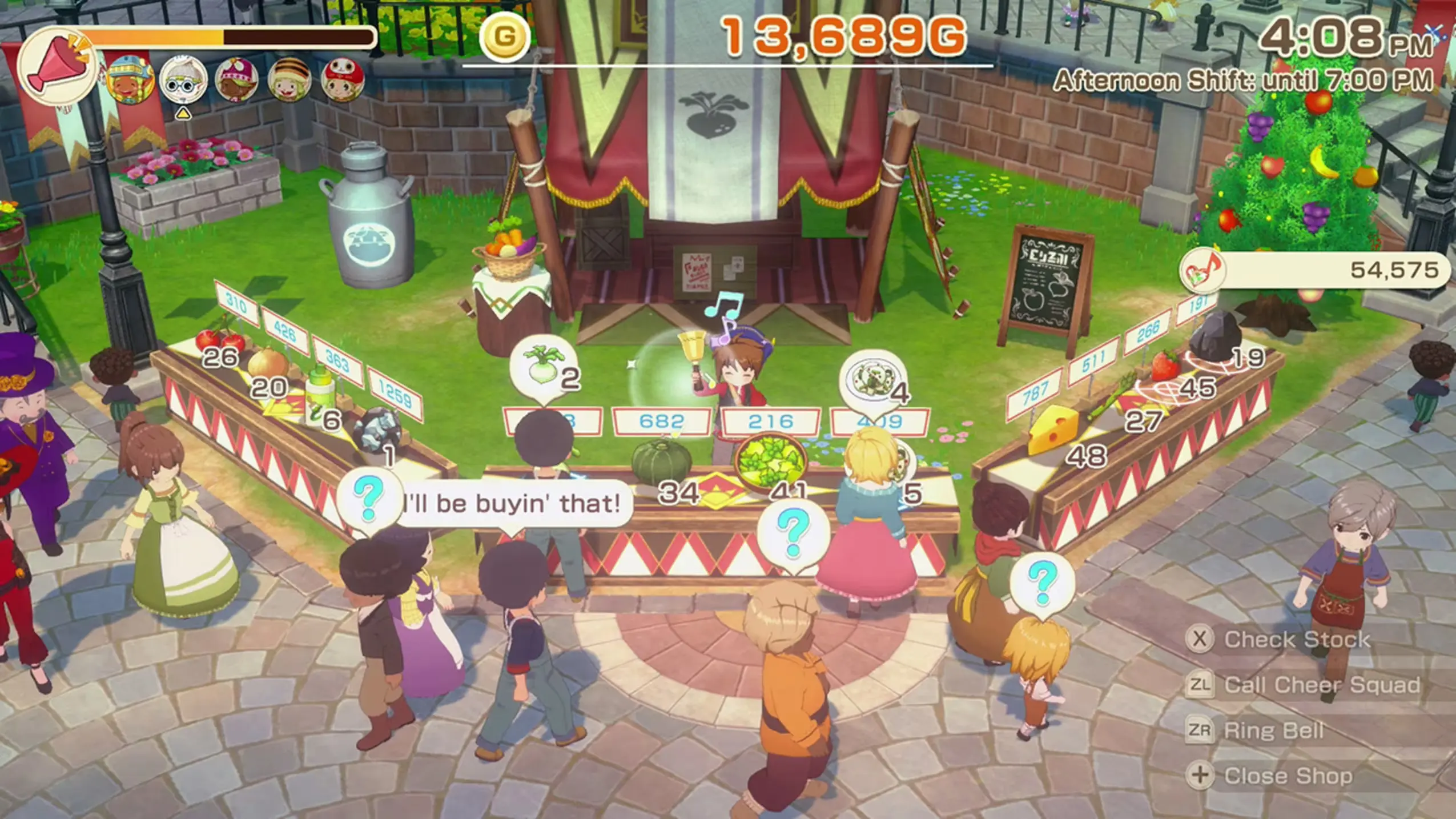
The market is the feature that gives the game its distinct business focus. Goods are sold through direct sales to bazaar customers rather than simply being sent away through a passive system. That makes selling goods an activity in its own right, with market performance tied to how well the farm has been prepared.
This approach gives everyday chores more weight. Milk, wool, eggs, vegetables, fruit, cooked recipes, and crafted products can all become part of a sale plan. The player is not only producing resources but choosing what to bring to a public event where customers and other vendors are present.
There is also a social dimension to the marketplace. Interacting with customers and villagers fits the game’s emphasis on a growing community. As the bazaar improves, its increased activity reflects the progress made through farming and trade. For players who enjoy seeing work translated into a lively shared space, the market structure provides a useful sense of payoff.
Crops, Livestock, and Seasonal Farm Planning
Farm management begins with seasonal crops. Different seasons support the continuing work of cultivating produce, and that encourages players to think ahead rather than rely on one source of income. Common vegetables and more unusual fruits can help fill out a market selection, while foraged goods offer another reason to explore Windmill Valley.
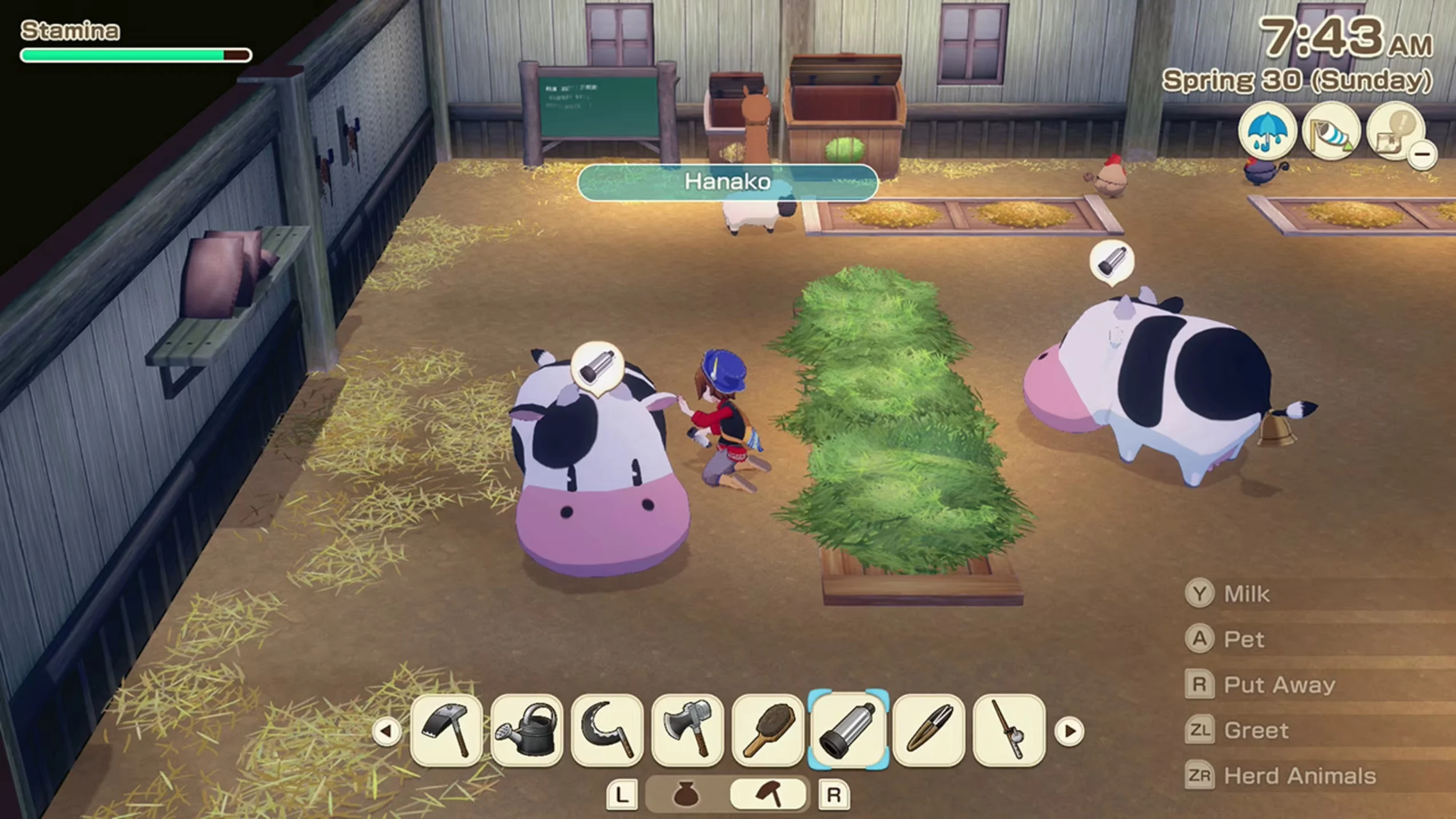
Animals add a second dependable branch to the farm. Cows, sheep, and chickens require care, but they also provide farm produce that can be gathered and used for sales, cooking, or other preparation. Their presence makes the daily routine more varied: the player may move from watering fields to tending livestock, then decide how best to use what the farm has produced.
Cooking and crafting extend the value of those materials. Recipes can use fresh ingredients and may be sold for profit or used to boost stats, while crafted items and accessories can support farming efficiency or personal style. Along with farm and home upgrades, these systems create a progression path that is practical rather than rushed. There is always another improvement to consider before the next bazaar arrives.
Seasonal Festivals That Break Up the Farm Routine
Seasonal festivals and other events give the calendar a welcome change of pace. Farming and bazaar preparation remain the main structure, but these recurring occasions add variety to the work of tending fields and managing livestock. They also reinforce the feeling that Windmill Valley is a place with its own community life beyond the player’s farm.
That variety supports the game’s replayable rhythm. Different seasons bring different crops, while market preparation, relationships, exploration, and festivals offer several ways to spend time. The appeal is likely best suited to players who enjoy organized daily tasks, gradual upgrades, social interaction, and the steady return of weekly market days rather than a fast-moving dramatic story.
7 Practical Priorities for a Stronger Bazaar Week
- Tend the fields: Water and manage crops so seasonal harvests are ready to become valuable market stock.
- Care for livestock: Keep cows, sheep, and chickens part of the daily plan so their produce can support regular sales.
- Collect what the farm provides: Gather crops and animal goods consistently instead of leaving market preparation until the last moment.
- Forage around the valley: Explore Windmill Valley for wild goods and hidden items that can broaden available resources.
- Cook with fresh ingredients: Turn farm materials into recipes that can be sold for profit or used for stat boosts.
- Craft with purpose: Make useful items and accessories that can aid farm efficiency, support personal style, or add to sale goods.
- Build village ties: Strengthen relationships with villagers while working toward a more active bazaar and community.
For a game built around small decisions, Story of Seasons: Grand Bazaar Switch NSP gives those decisions a clear destination. The farm supplies the goods, the bazaar turns preparation into action, and Windmill Valley provides the community context that makes each improved market day feel meaningful.