Yo-Kai Watch 4 PuraPura SWITCH NSP

Report Link Error
Select the broken download file, then submit the report.
Screenshots
About Game
Yo-Kai Watch 4 PuraPura SWITCH NSP arrived in Japan on December 05, 2019, bringing Level-5’s spirit-filled series to Nintendo Switch with a more action-oriented direction. Developed and published by Level-5, this Japanese-language release combines Action and Role-Playing elements while preserving the series’ interest in human relationships, mischievous Yo-kai, and places where ordinary life meets the supernatural.
Yo-Kai Watch 4 PuraPura at a Glance
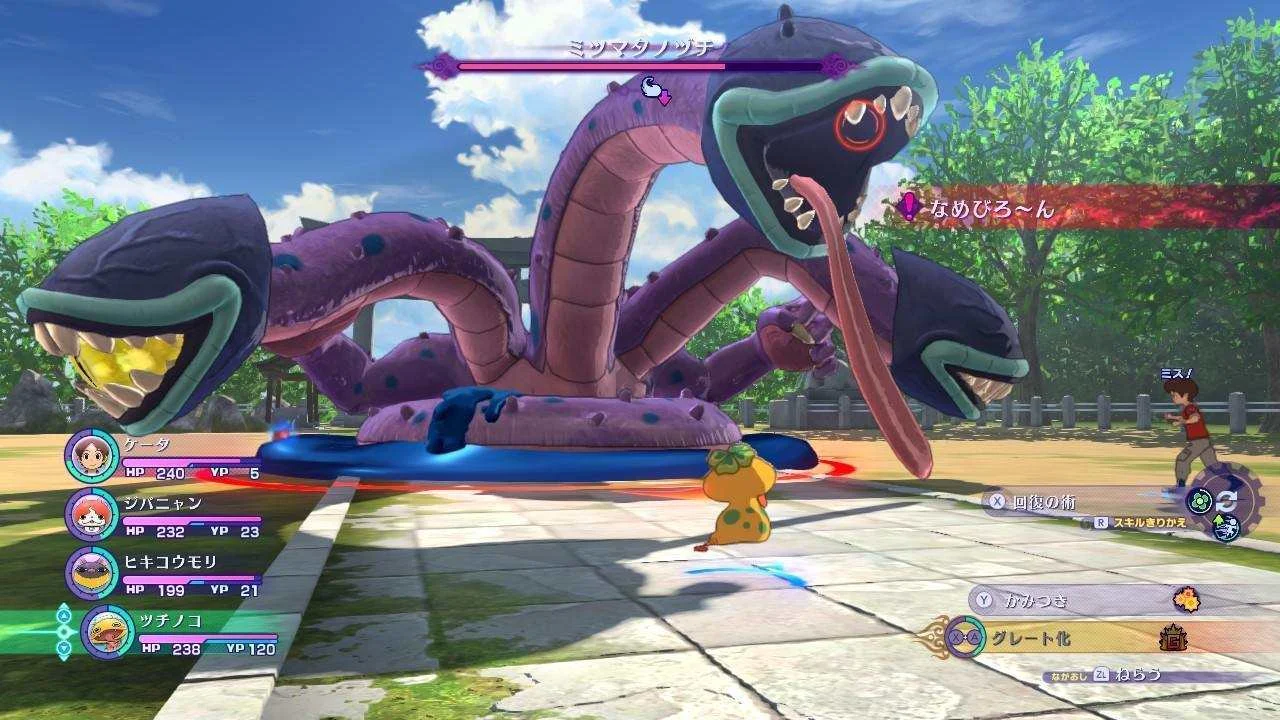
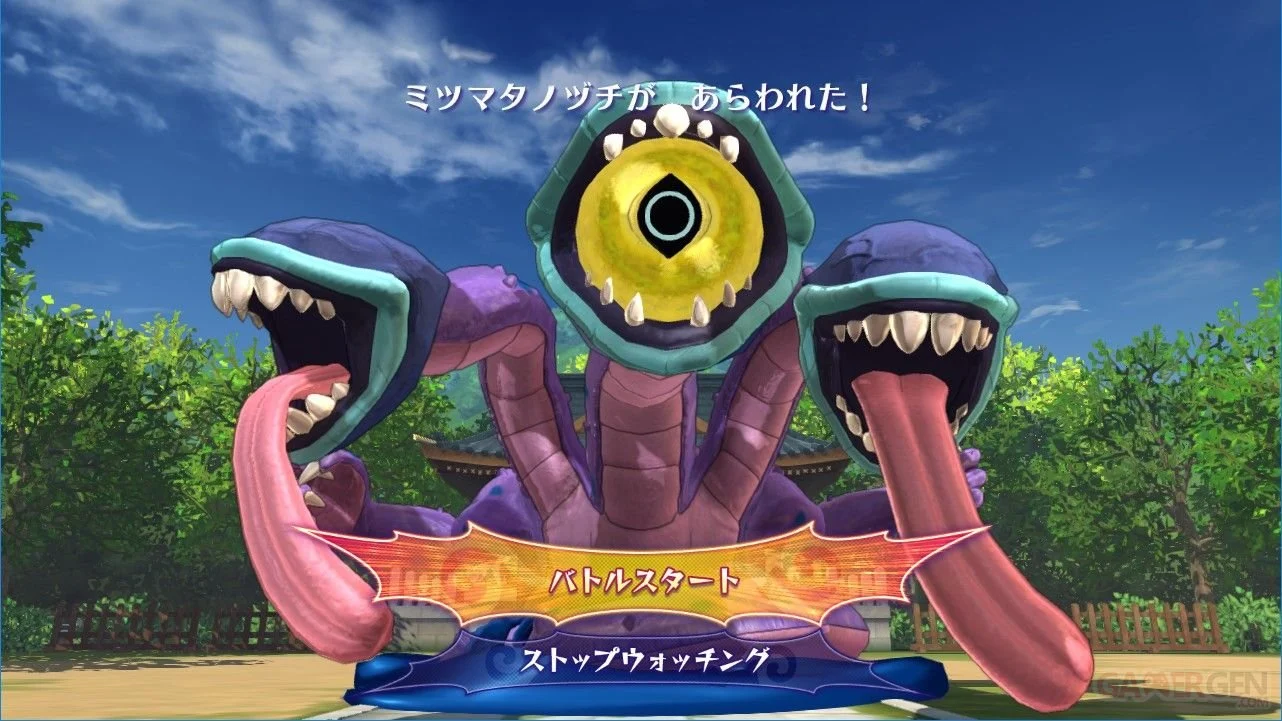
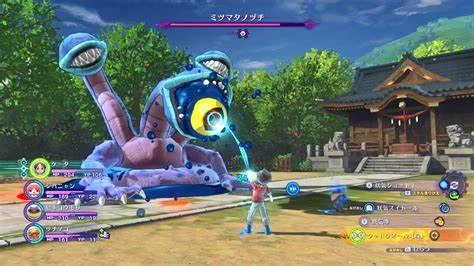
As a Nintendo Switch entry, Yo-Kai Watch 4 PuraPura shifts its emphasis toward immediate movement, active encounters, and a broader sense of adventure across distinct settings. Its Action RPG identity is important: battles no longer rely on the traditional turn-based structure associated with earlier games in the series. Instead, players take direct command of the people and Yo-kai involved in a fight.
The presentation is Japanese-language and tied to the Japan region, which gives the game’s environments, character interactions, and folklore-inspired spirit world a focused cultural setting. Level-5’s approach still makes room for humor and warmth, but the story also reaches across eras and dimensions, giving the adventure a more expansive scale than a simple neighborhood mystery.
The result is a game that asks players to engage with its world in several ways. There are battles to manage in real time, Yo-kai to befriend, abilities to improve, and locations that invite investigation beyond the most obvious route. Its 7.1GB file size reflects a substantial Switch release, but the more meaningful measure of its scope is the number of characters, eras, and supernatural connections gathered into one story.
A Story Spanning Timelines and Worlds
The narrative connects multiple timelines and interconnected worlds, allowing familiar lead Nate Adams to share the spotlight with heroes from other periods. Nate’s role is not isolated; his journey intersects with Touma Tsukinami, Akinori Arihoshi, and Keisuke Amano, Nate’s younger cousin. Each character has a particular connection to the Yo-kai world, creating several perspectives on events that stretch beyond one place or time.
This structure gives the Yo-kai story room to explore how people in different eras encounter the same supernatural forces. Mysterious threats cross dimensions, making cooperation necessary among the protagonists. As the plot develops, it reveals more about the origins of Yo-kai and their bond with humans.
That larger mystery is balanced by the series’ familiar personality. Emotional scenes, comic encounters, and confrontations with escalating stakes can sit alongside one another without abandoning the playful spirit that defines the setting. Rather than presenting its worlds as disconnected destinations, the game uses their links to make the unfolding conflict feel shared.
From Turn-Based Battles to Real-Time Action
The clearest mechanical change is the move from turn-based battles to real-time combat. This makes positioning, reaction speed, and timing part of every encounter. Players are no longer only selecting actions from a distance; they are actively directing combatants through battles as they develop.
Human characters and Yo-kai companions both participate directly. That pairing gives the action battles a different rhythm from a system centered solely on a creature team. Human support matters, while Yo-kai provide their own abilities and personalities in combat. The battle system encourages players to pay attention to what is happening moment by moment instead of treating each encounter as a fixed sequence of commands.
The change also suits the game’s world design. Exploration and combat feel more closely connected when fights call for immediate control and the surrounding towns contain areas worth searching. The active format may particularly appeal to players who enjoy RPG progression but prefer a faster, more hands-on approach to encounters.
Controlling Humans and Yo-kai in Battle
Direct control is not limited to one side of the partnership. Players can control both human characters and Yo-kai, then switch protagonists to take advantage of what each person brings to the field. This flexibility turns the human cast into more than story companions: their presence influences how a team approaches combat.
Each protagonist offers distinct battlefield advantages, including Watcher abilities that support Yo-kai during fights. These abilities make switching a practical decision rather than a purely cosmetic one. A challenging encounter may call for a different kind of support, and changing control can help a player respond to the situation.
Yo-kai control remains central, of course. The game includes a wide variety of new and classic Yo-kai, encountered through different in-game events. Befriending them is still a major part of the experience, and their differing abilities create reasons to keep trying combinations rather than relying on a single preferred group throughout the adventure.
Soul Skills, Special Attacks, and Team Strategy
Real-time action does not remove the need for planning. Powerful Soul Skills and special attacks give Yo-kai access to major combat options, while the larger team composition determines how well those options work together. Tougher battles reward players who understand the strengths and weaknesses of their Yo-kai instead of simply choosing favorites.
- Know the roster: Learn what each Yo-kai does well before committing to a regular group.
- Build with purpose: Experiment with team composition when an encounter exposes a weakness.
- Use Soul Skills carefully: Powerful abilities and special attacks can change the pace of a difficult fight.
- Switch when needed: Different human protagonists provide different battlefield advantages and support.
- Keep improving: Use the progression system to upgrade both Yo-kai and human abilities.
This structure gives the game useful replay value within its own adventure. New Yo-kai can alter a player’s preferred team, progression can reshape established tactics, and a previously difficult encounter may feel different with another protagonist or ability setup. The strategy is approachable in concept—build a capable group and learn its tools—but the active combat means execution still matters.
Exploring Modern Springdale and Ancient Tokyo
Exploration carries the adventure between contrasting locations, from modern Springdale to ancient Tokyo. The difference between these settings supports the game’s timeline-spanning premise while giving its world a changing atmosphere. One area reflects a contemporary town associated with Nate’s life; another reaches into a much older period, widening the visual and narrative frame.
The towns and hidden locations are designed to encourage curiosity. Looking beyond the main path can lead players toward secrets, while the presence of Yo-kai makes even familiar spaces feel less predictable. The world is not merely a route between battles. It is a place to search, revisit, and view through the shifting perspectives of its characters.
Yo-Kai Watch 4 PuraPura SWITCH NSP is best suited to players interested in a Japanese-language Action RPG built around Yo-kai collecting, active party battles, and an ensemble story that crosses worlds. Its appeal lies in that combination: a lighthearted supernatural setting, an evolving combat format, and an adventure that asks players to explore both its environments and the connections between its heroes.