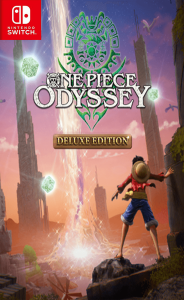
ONE PIECE ODYSSEY Deluxe Edition Switch NSP XCI
Report Link Error
Select the broken download file, then submit the report.
Screenshots

About Game
ONE PIECE ODYSSEY Deluxe Edition Switch NSP XCI brings the Straw Hat Pirates into an original Adventure RPG shaped by shipwreck, lost abilities, and the unexplored mysteries of Waford Island. Published by Bandai Namco and released in the USA on July 26, 2024, this Nintendo Switch edition places familiar characters in a new story that balances lively crew interactions with turn-based battles and broad areas to investigate.
Waford Island Sets the Stage for a New Straw Hat Adventure
The journey begins when a massive storm scatters the Straw Hat Pirates at sea. They wake on Waford Island, a place far removed from their usual route and filled with questions they cannot immediately answer. The crew is separated, their powers have been weakened, and escaping the island requires more than simply finding the Thousand Sunny.
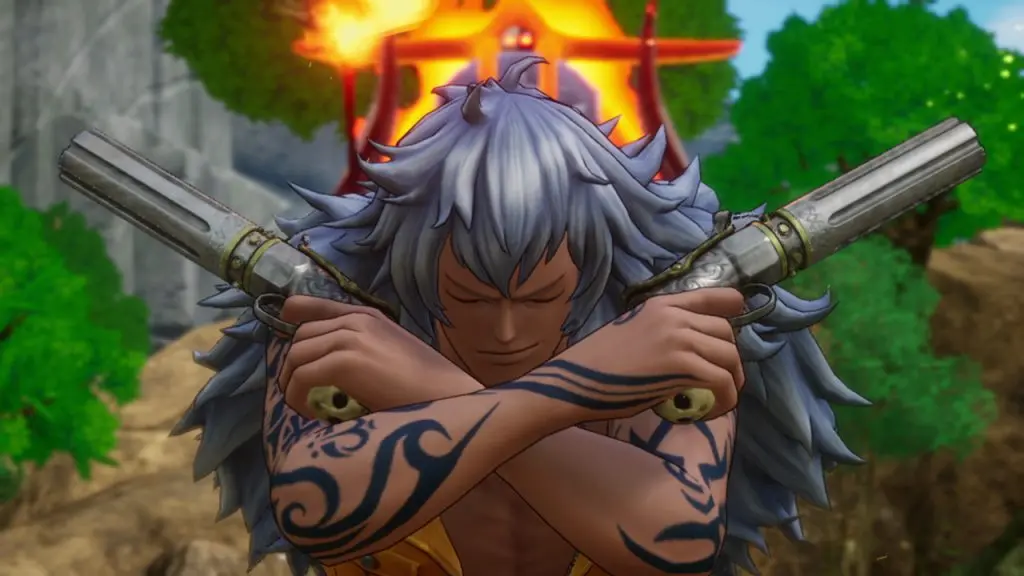
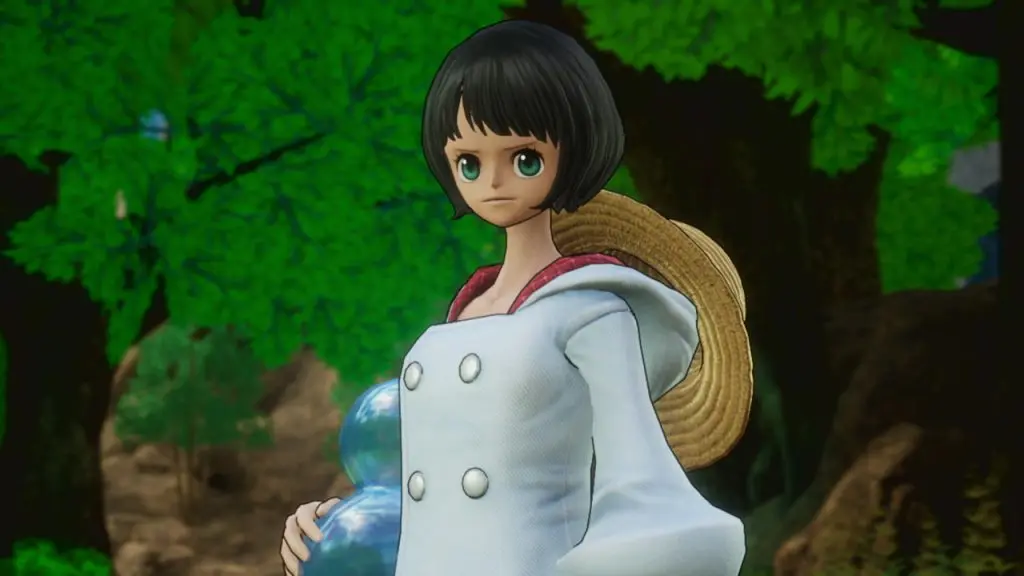
Waford gives the story a focused setting for an original One Piece adventure. Luffy and the crew encounter Lim, a young girl with unusual abilities, as well as Adio, an explorer who lives on the island. Their presence draws the Straw Hats deeper into the island’s history and toward the source of the crew’s lost strength.
There is room here for the contrasting moods associated with the series: moments of humor between crewmates, emotional reunions, tense confrontations, and fights against new enemies. The central objective remains clear throughout: work together, recover what was taken from the crew, and uncover why Waford holds such power over their journey. The story was crafted under Eiichiro Oda’s supervision, connecting this island-bound tale to the wider One Piece world without relying solely on familiar destinations.
Memory World Revisits Familiar One Piece Adventures
Waford’s secrets are closely tied to fragmented memories. Through the Memory World, the Straw Hats revisit places and events connected to earlier adventures while continuing the new narrative. These sequences offer a different context for recognizable One Piece memories: they are not merely detours, but part of the crew’s effort to restore their weakened abilities and move forward.
The structure gives the adventure a useful sense of contrast. Waford functions as the mystery at the center of the game, while Memory World opens paths back toward iconic locations and past arcs. For players familiar with the series, these returns can carry a nostalgic pull. For those arriving primarily for the RPG, they provide additional settings, enemies, and story moments connected to the crew’s history.
The Memory Link system supports this revisiting of past adventures and is connected to regaining powers and unlocking new skills. That makes progression feel tied to the narrative rather than separate from it. Each recovered memory adds another piece to both the crew’s capabilities and the larger explanation of what is happening on Waford.
Using the Straw Hats’ Individual Skills in Exploration
Exploration does not treat the Straw Hats as interchangeable party members. Players can switch characters while moving through Waford and Memory World, using individual field skills to handle obstacles, reach new routes, and search for hidden items. The approach encourages attention to the environment instead of simply following the most direct path.
Luffy’s Gum-Gum Rocket is one example of how traversal abilities can change movement through a map. Other crew members have their own practical uses: Zoro can cut through obstacles, while Chopper can squeeze into narrow spaces. These skills support puzzle-solving as well as discovery, giving players reasons to reconsider places that may have seemed inaccessible earlier.
This character switching also suits the spirit of the Straw Hat Pirates. The crew succeeds by combining very different talents, and the exploration design reflects that idea. A blocked route, a tight opening, or a distant item may call for a different character rather than a stronger attack. Thorough searching can therefore be rewarding in its own right, especially for players who enjoy checking side paths and revisiting environments after gaining access to new options.
Character Progression, Accessories, and Building a Battle Strategy
Combat uses turn-based RPG systems, but positioning matters through the Scramble Area Battle structure. Allies and enemies are arranged across separate zones, so attack range and character placement can influence which options are most effective. A battle is not only about choosing the highest-damage move; it also asks players to consider where each fighter is located and which foe they are equipped to handle.
Understanding enemy weaknesses is an important part of that decision-making. The Straw Hats have distinct abilities, and matching those abilities to enemy types can make encounters more manageable. Certain characters may also perform better in particular areas of the battlefield, creating another reason to adjust the party’s approach rather than repeat one routine.
Character progression provides longer-term development through leveling and accessories. As the crew becomes stronger, players can shape their battle plans around the abilities and equipment available to each member. New skills unlocked through the adventure broaden those choices further. Bond Arts add a cooperative element: when crew members share strong bonds, they can perform powerful tag-team attacks capable of changing the course of a difficult fight.
The result is a battle system that leaves room for both straightforward progress and more deliberate JRPG strategy. Players who pay attention to zones, ranges, enemy traits, and crew combinations will have more tools available when stronger opponents appear.
What the Deluxe Edition Brings to the Nintendo Switch Adventure
ONE PIECE ODYSSEY Deluxe Edition Switch presents this original story as a portable Nintendo Switch Adventure RPG built around exploration, strategic combat, and character-focused moments. Its appeal rests less on a single system than on how its parts connect: Waford’s mystery drives the plot, Memory World links the crew to earlier adventures, and field abilities make the island’s environments feel designed around the full team.
Bandai Namco’s release supports English, Japanese, French, German, Spanish, Italian, Portuguese, and Russian language options. The game’s combination of adventure and RPG elements makes it suited to players looking for a One Piece story with substantial party-based mechanics, as well as those who appreciate a turn-based format with positioning and weakness considerations.
Replay value is most relevant in the invitation to explore carefully. Hidden items, character-specific routes, and the tactical variety of different Straw Hat abilities give players reasons to look beyond the main path. It is particularly well suited to people who want to spend time with the crew as a team, rather than focus only on Luffy’s role in the adventure.
5 Gameplay Priorities for a Successful Journey Across Waford
- Search beyond the direct route. Waford exploration includes puzzles, hidden treasures, and areas that may reward careful attention to the environment.
- Switch the active character. Different Straw Hat abilities open different traversal options, from Luffy’s Gum-Gum Rocket to Zoro’s obstacle-cutting and Chopper’s access to tight spaces.
- Read the battle zones. Scramble Area Battle places combatants in separate areas, making range and positioning meaningful before an attack is selected.
- Match abilities to the threat. Consider enemy types and weaknesses when choosing attacks, rather than relying on the same character or move in every encounter.
- Build the crew over time. Leveling, accessories, newly unlocked skills, and Bond Arts all contribute to a stronger and more flexible party strategy.