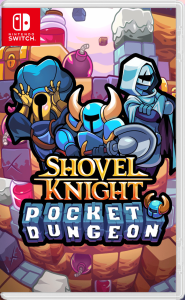
Shovel Knight Pocket Dungeon Switch NSP
Report Link Error
Select the broken download file, then submit the report.
Screenshots
About Game
Shovel Knight Pocket Dungeon Switch NSP takes the familiar Shovel Knight world in a sharply different direction: a compact puzzle adventure built around falling blocks, tactical movement, enemy encounters, and dungeon-crawling momentum. Its pixel-art presentation and humorous character interactions give the action a lively tone, but the real appeal is the pressure of making smart decisions on a board that keeps changing beneath the player.
What Makes Shovel Knight Pocket Dungeon a Puzzle-Adventure Hybrid
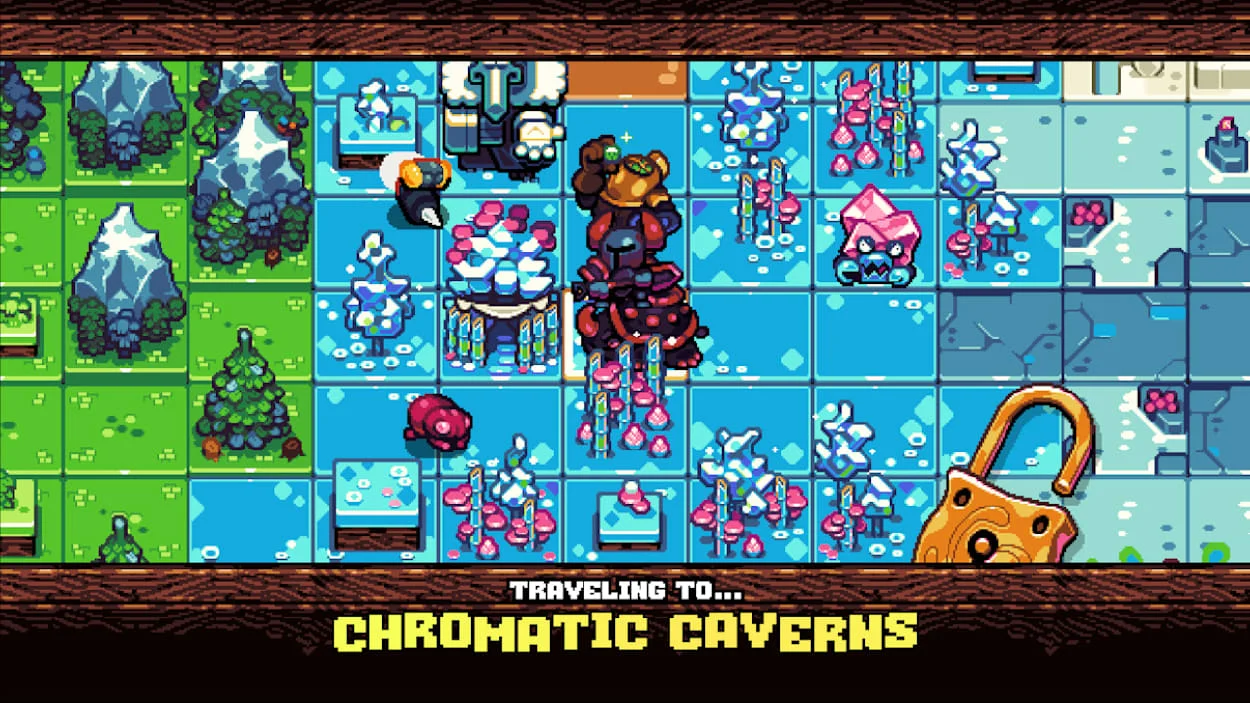
Shovel Knight Pocket Dungeon combines several ideas that are usually kept separate. It has the immediate pressure of block-dropping gameplay, yet every move also belongs to a dungeon run filled with enemies, items, relics, themed areas, and bosses. Players guide Shovel Knight, or another unlocked character, across a grid-based board where blocks and threats steadily accumulate.
The objective is not simply to react to what falls next. Clearing enemies, collecting loot, preserving health, and choosing a route through the board all matter. A run can shift quickly when useful items appear or a falling block closes off a safer path. That constant reshaping gives the game its puzzle-game urgency while its characters, dungeon structure, and progression supply the adventure framework.
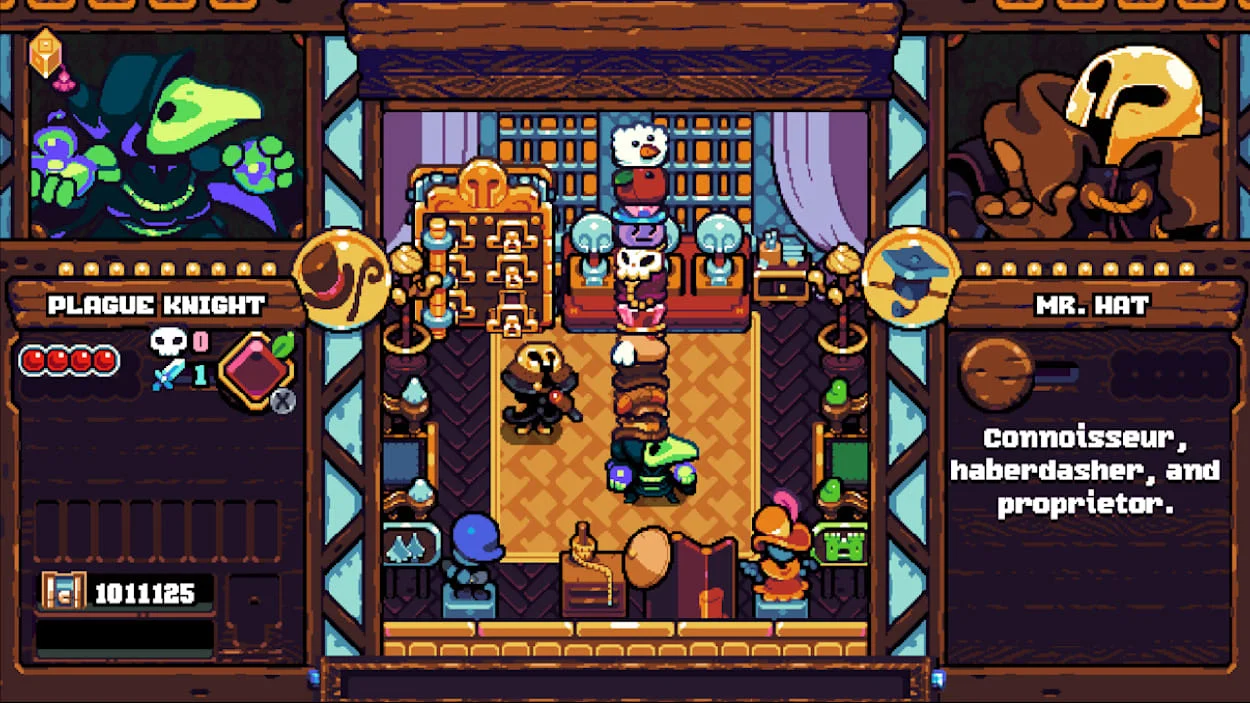
The setting supports that mix well. Shovel Knight is trapped inside the mysterious Pocket Dungeon, a changing maze controlled by the Pocket Dungeon Master. Familiar characters from the wider Shovel Knight saga appear along the way, each caught up in the dungeon for their own reasons. The story provides a playful backdrop for a format focused on repeat attempts, experimentation, and gradual discovery.
How Grid-Based Combat Changes Every Move
Shovel Knight Pocket Dungeon combat turns movement into a commitment. Moving into an enemy begins an attack, but that enemy attacks back as well. This makes combat less about simply removing obstacles and more about judging whether the damage exchange is worthwhile.
Health management becomes central because every encounter can weaken a promising run. An enemy may be easy to reach, but approaching it at the wrong time can leave the character exposed, low on health, or unable to reach an important item. Positioning also affects what can happen next: a move that clears space may open a route to loot, while another may place the player near several enemies without a comfortable escape.
This grid-based puzzle combat rewards a measured pace. The game asks players to read the current board, consider the next few spaces, and decide whether to strike now or wait for a more favorable arrangement. That tension gives even ordinary enemy encounters a tactical edge.
Falling Blocks and the Pressure to Think Ahead
The defining source of urgency is the stream of falling blocks. In Shovel Knight Pocket Dungeon falling blocks do not merely fill empty space; they keep the board in motion and force players to adapt. A plan that seems safe can change as new blocks drop from above, crowding the grid and pushing enemies, items, and the player into tighter situations.
Strategic enemy clearing is therefore as important as attacking. Removing enemies at the right moment can create room to maneuver before the board becomes too dense. Waiting can also be valuable, particularly if a stronger enemy cluster or a helpful item drop may soon appear. The challenge comes from balancing patience against the growing need for space.
Relics and items add another layer to that puzzle strategy. They provide temporary boosts that can alter how a character approaches a run, while special abilities offer additional options when the board becomes difficult to control. Since the layout and available tools can differ from run to run, the game encourages players to respond to what is present rather than rely on a single routine.
Boss Battles That Test Puzzle Combat Skills
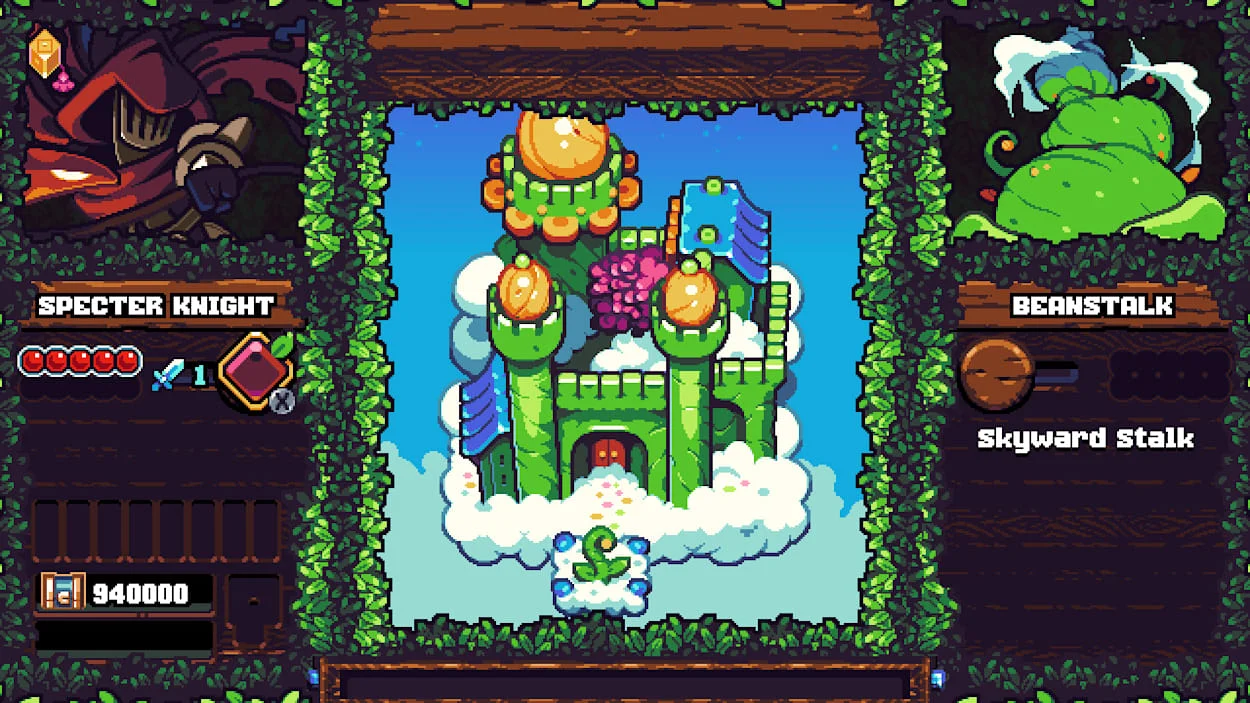
Shovel Knight Pocket Dungeon bosses bring the game’s systems together in more demanding encounters. Boss battles are not separate from the board-management challenge; they ask players to apply the same understanding of movement, attacks, health, items, and falling blocks under greater pressure.
A player who has learned to preserve health during regular fights has more room to handle a difficult boss. Someone who understands when to create space, when to use an item, and when to avoid a risky exchange is better equipped for the larger challenges that appear deeper in the dungeon. Bosses make the broader puzzle combat strategy feel meaningful because they test whether those habits hold up when the board is crowded and mistakes carry a heavier cost.
Persistent progression also gives repeated attempts a sense of purpose. New characters, items, and areas can be unlocked between runs, while the character roster includes more than 10 playable options with distinct abilities and playstyles. That variety gives players reasons to revisit familiar challenges from a different tactical angle.
7 Practical Tips for Surviving the Pocket Dungeon
- Protect your health. Treat every enemy exchange as a resource decision, since low health can turn a manageable board into a lost run.
- Read the board first. Look at nearby enemies, blocks, open spaces, and items before committing to a move.
- Learn recurring patterns. A careful eye for how the board develops helps make falling blocks feel more predictable.
- Delay risky attacks. Do not move into every enemy immediately; waiting may create a safer route or a better clearing opportunity.
- Watch for clusters. Enemy groups can be worth approaching when clearing them creates useful space on the grid.
- Value item drops. Relics and items can change a run’s direction, so consider whether a short delay may lead to a more useful pickup.
- Know each ability. Unlockable characters have unique abilities and playstyles, making it worthwhile to learn how each one handles combat and board pressure.
Nintendo Switch Release Details and Supported Languages
Shovel Knight Pocket Dungeon Switch released on December 13, 2021. It was published by Yacht Club Games and developed by Vine. The release is listed for Europe, the USA, and Japan.
Supported languages are English, French, German, Italian, Spanish, Korean, Russian, Chinese, Portuguese, and Japanese. The game’s fast, grid-focused design is especially suited to players looking for a puzzle adventure with dungeon-crawling structure, character variety, and repeatable runs that reward stronger board awareness over time.
For players drawn to quick tactical decisions rather than long stretches of passive exploration, Shovel Knight Pocket Dungeon Switch NSP presents a focused blend of falling-block pressure and action-oriented puzzle play. Its charm comes from how much consequence it gives to a single step.