Ghostrunner Switch NSP
Report Link Error
Select the broken download file, then submit the report.
Screenshots
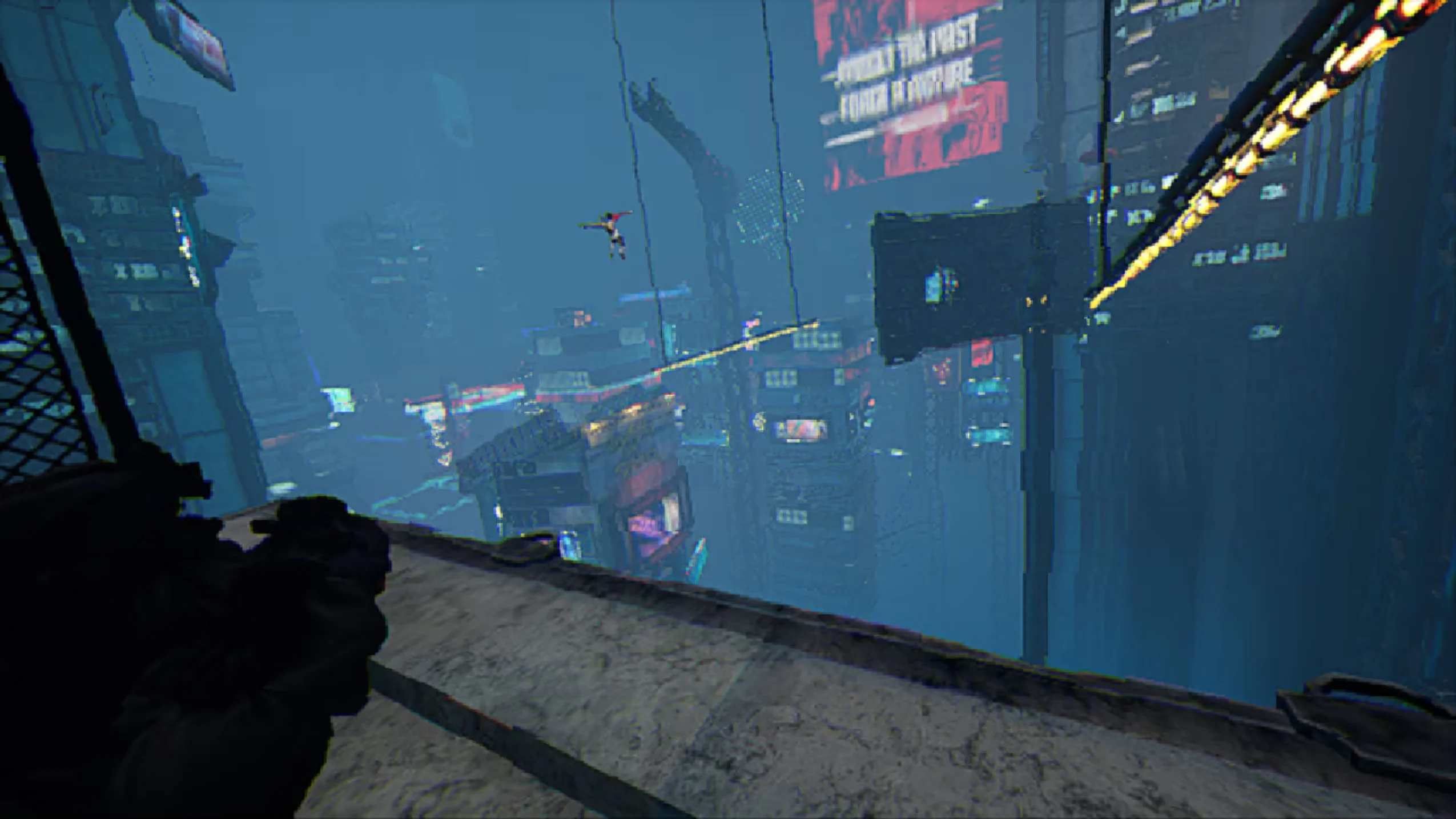
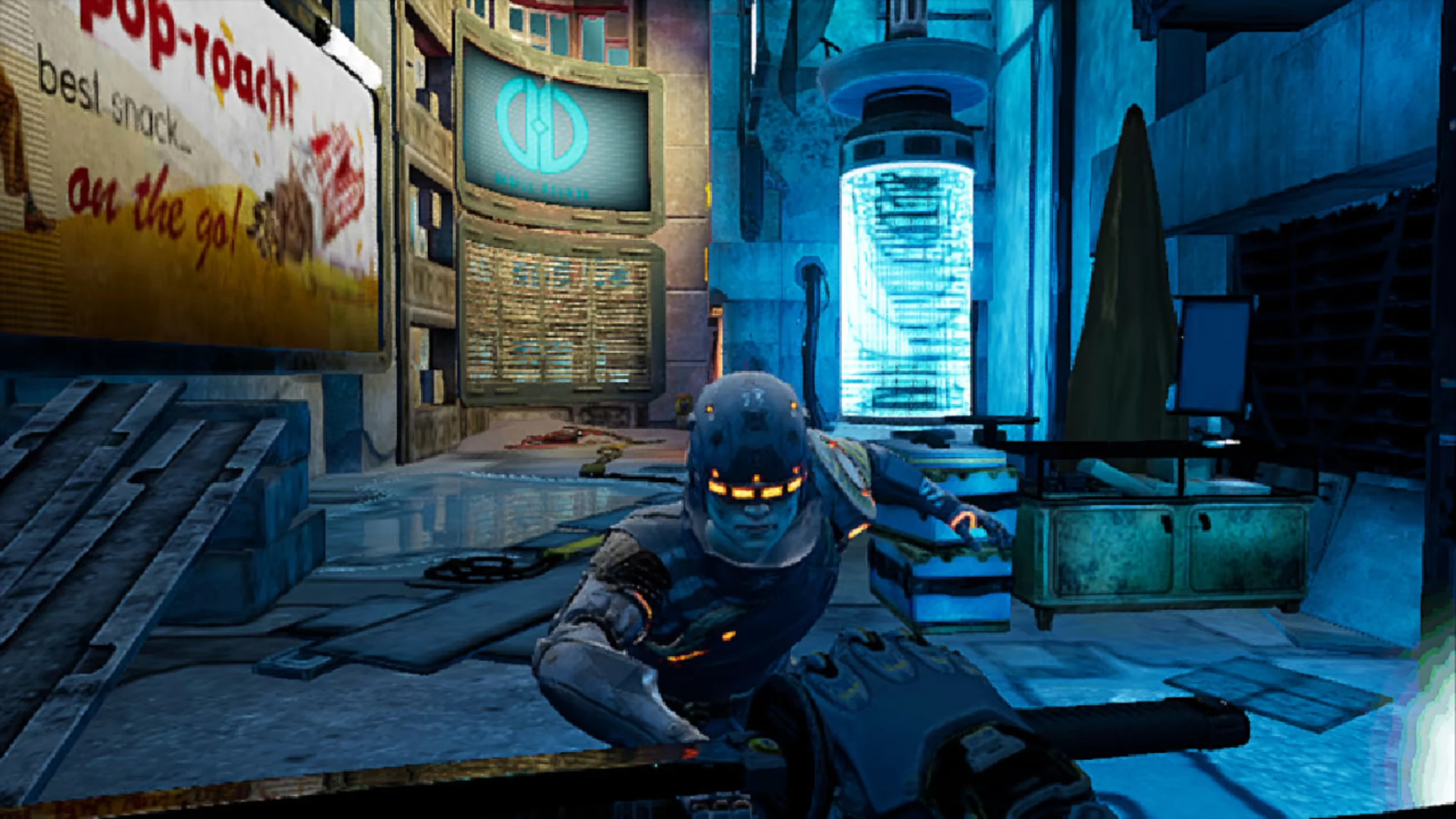
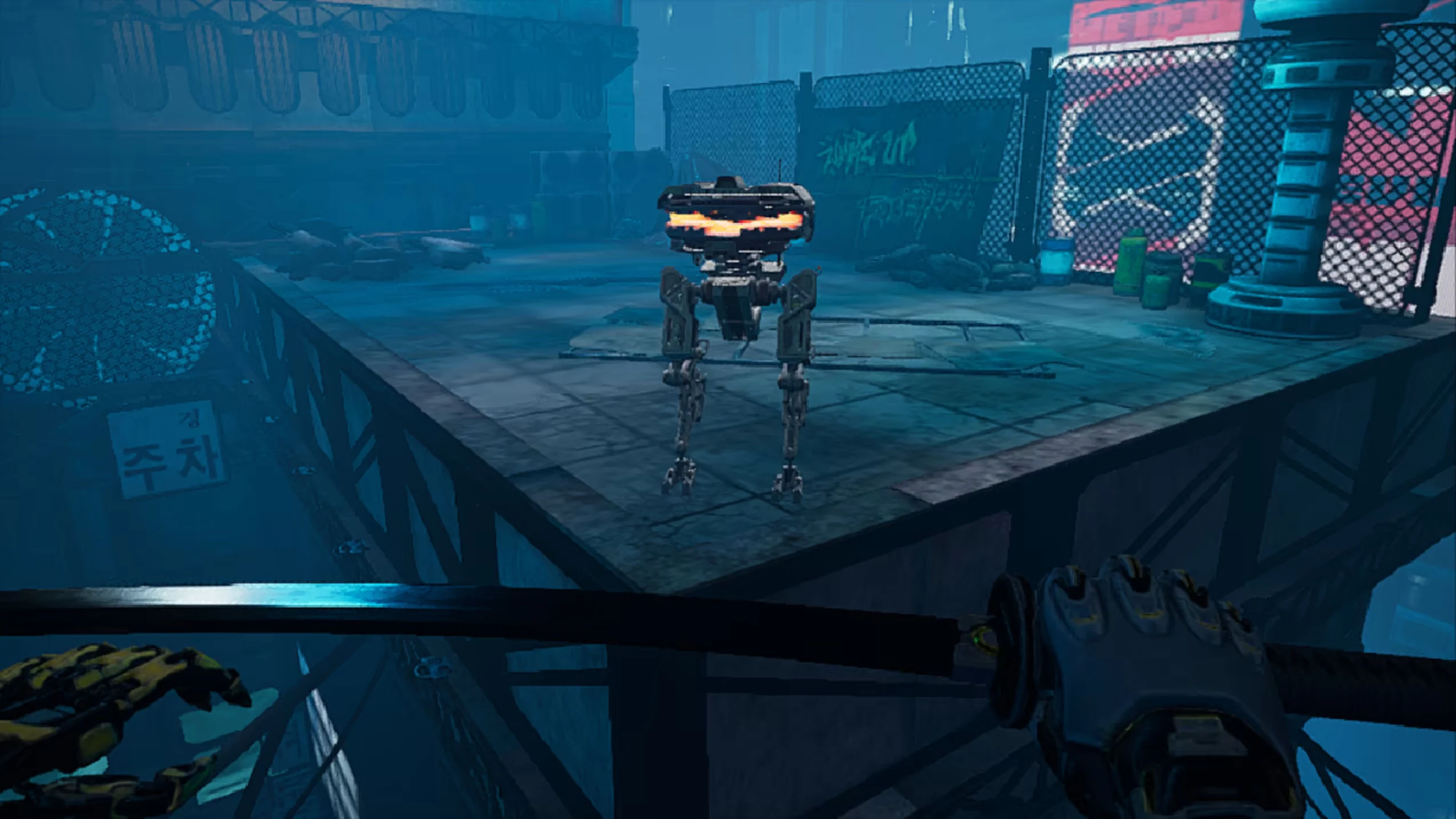
About Game
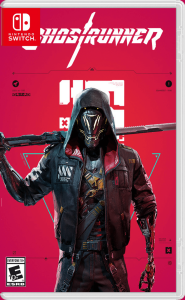
Ghostrunner Switch NSP brings a fast, demanding cyberpunk action experience to Nintendo Switch. Released in the USA on December 9, 2020, this Adventure and Action title from 505 Games places players inside a hostile vertical city where a single missed move can end a run. Its focus is direct: move quickly, strike precisely, learn from failure, and keep climbing.
Ghostrunner on Nintendo Switch: Key Release Details
Ghostrunner arrived on Nintendo Switch on December 9, 2020, with 505 Games listed as publisher. The verified USA release supports English, French, German, Spanish, Italian, Portuguese, and Russian. It requires firmware version 10.1.0.
The Switch version frames Ghostrunner as a portable take on an intense first-person action platformer. Its action is built around quick decision-making rather than slow, defensive exchanges. Jack is equipped for speed, using acrobatic movement and a katana to cross dangerous spaces and eliminate threats before they can respond.
The game’s compact, high-pressure encounters suit its premise. A room can demand close attention to enemy positions, movement options, and the order in which targets should be approached. Success is often less about absorbing damage than maintaining momentum through a carefully chosen route.
Dharma Tower and the Cyberpunk Setting
Ghostrunner is set in Dharma Tower, humanity’s last refuge after a global cataclysm. Rather than presenting a broad open world, the story is shaped by the tower’s upward structure. Jack’s path moves through its sectors toward the figure controlling it, making elevation part of both the narrative and the action.
Dharma Tower gives the game its oppressive cyberpunk atmosphere. It is a refuge, but not a peaceful one: power is concentrated at the top, while the people and factions within the tower live under the control of Mara, the Keymaster. The setting supports the game’s urgency. Players are not simply passing through stylish futuristic spaces; they are pushing through a controlled environment where every level is another obstacle between Jack and the tower’s ruler.
The vertical design also complements Ghostrunner’s movement. Wall-running, dashing, sliding, and grappling feel appropriate to a city built in layers. Routes can lead across walls, over gaps, and through elevated threats, giving the action platformer a strong sense of direction and height.
Jack’s Mission Against the Keymaster
Jack begins as a Ghostrunner, an advanced warrior whose memories are fragmented. His lack of a clear past gives the story a personal thread alongside its wider conflict. He is guided by the Architect, a mysterious entity and former creator of Dharma Tower, who directs him toward Mara.
Mara, the Keymaster, seized control of the tower years before the game’s events and rules it harshly. Jack’s mission is to ascend through Dharma Tower, reach her, and end her reign. Along the way, fragments of memory reveal more about Jack’s identity, the Architect’s history, and the events surrounding Mara’s rise to power.
The Ghostrunner Switch NSP story therefore connects its forward movement to a gradual search for truth. Jack’s climb is not only a physical challenge. It also brings him closer to the hidden relationships and past decisions that shaped the tower. Themes of control, artificial intelligence, freedom, and self-discovery run through this bleak future.
One-Hit-Kill Combat and Its High-Stakes Design
Ghostrunner’s defining mechanical idea is simple and unforgiving: Jack can die in one hit, and many enemies can as well. The result is combat that rewards immediate awareness and exact execution. A successful katana strike can remove a threat instantly, but a single enemy attack can end the attempt just as quickly.
This structure encourages repetition without making carelessness useful. Players are expected to study an encounter, identify where danger comes from, and refine their response. The best route may involve moving directly at one opponent, changing direction to avoid incoming fire, then using the environment to reach another target before stopping becomes fatal.
- Keep moving: Remaining still leaves Jack exposed, so dashes, slides, wall-runs, and grapples are central to survival.
- Read the room: Enemy placement matters because a route that clears one threat can leave Jack vulnerable to another.
- Strike with purpose: Katana attacks are powerful, but closing the distance demands careful timing.
- Use abilities well: Cybernetic powers, including a sensory boost that slows time and an energy wave, can change the shape of an encounter.
- Learn through attempts: Instant deaths make mistakes clear, allowing players to adjust movement and target order on the next run.
The design creates a sharp rhythm between failure and mastery. A difficult sequence may initially feel overwhelming, then become fluid once the player understands its timing. Combat is not presented as a contest of endurance; it is a test of positioning, reflexes, and commitment.
Environmental Puzzles and Platforming Under Pressure
Combat is only part of the climb. Ghostrunner also includes environmental puzzles and platforming challenges that require players to read the space around them. Traversal is not a quiet break from action. The same parkour tools used to evade enemies also help Jack cross the tower’s vertical environments.
Wall-running, dashing, sliding, and grappling give movement a practical role in problem-solving. A path may depend on recognizing a reachable surface, carrying speed across a gap, or using the right sequence of moves to continue upward. These challenges reinforce the game’s first-person perspective, where momentum and distance must be judged quickly.
Enemy pressure raises the stakes further. Platforming becomes part of the action challenge when opponents threaten Jack during movement. The player must often think about where to go and how to remain alive while getting there. That blend of navigation and danger gives the game its distinctive pace.
Why Ghostrunner Rewards Reflexes and Strategic Thinking
Ghostrunner rewards players who can react quickly without acting randomly. Its fastest moments ask for immediate responses, but the game’s one-hit-kill rules make planning equally important. An effective run depends on recognizing a route, selecting a target order, and using mobility and abilities at the right moment.
The appeal lies in chaining movement and attacks into a clean sequence. Jack can dash toward danger, avoid an incoming projectile, use a cybernetic ability, and deliver a katana strike in rapid succession. When that sequence works, the action has a strong sense of flow. When it fails, the game invites another attempt with a clearer understanding of what went wrong.
This makes Ghostrunner especially suited to players looking for a demanding fast-paced action game rather than a forgiving power fantasy. Its cyberpunk setting, fragmented story, lethal combat, and constant movement all serve the same purpose: turning the ascent of Dharma Tower into a focused test of precision, route planning, and nerve.