Bastion Switch NSP
Report Link Error
Select the broken download file, then submit the report.
Screenshots
About Game
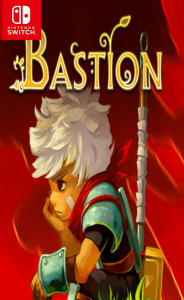
Bastion Switch NSP presents an isometric action adventure set after a calamity has broken Caelondia into scattered pieces. The Kid, a silent survivor, moves through a world of painted ruins, strange creatures, and drifting landmasses while gathering the Cores and fragments needed to restore the Bastion. Its strongest qualities are closely connected: movement reveals the world, combat rewards experimentation, and a narrator turns each advance into part of the story.
A World That Builds Beneath Your Feet
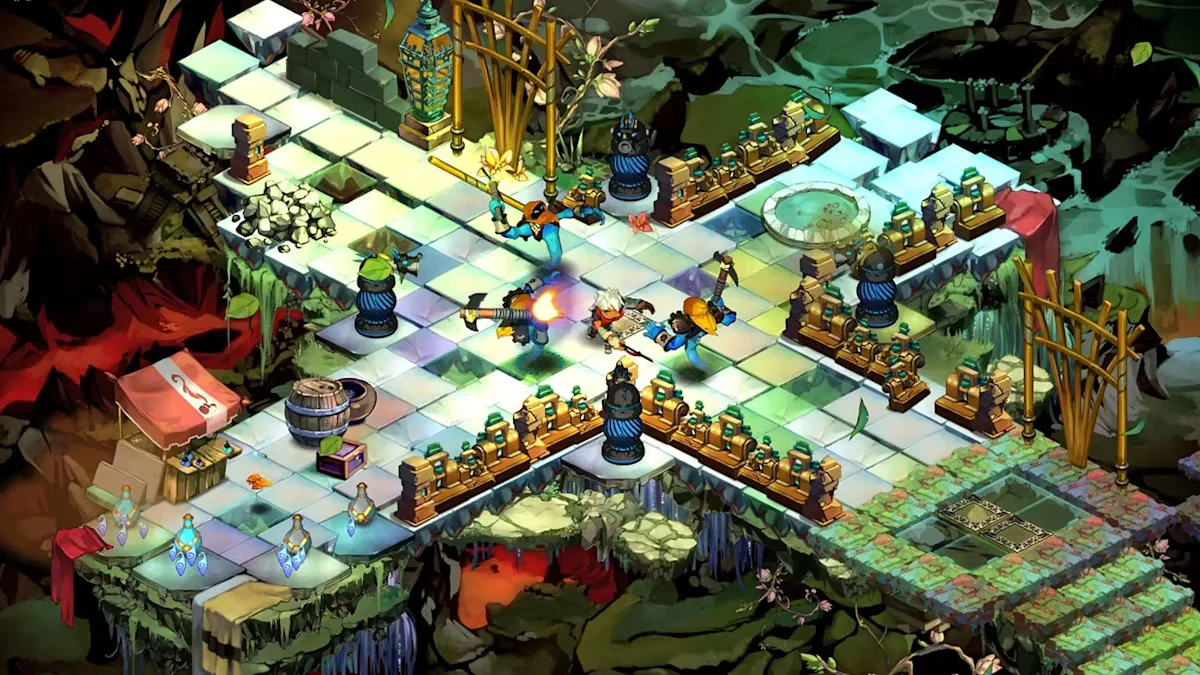
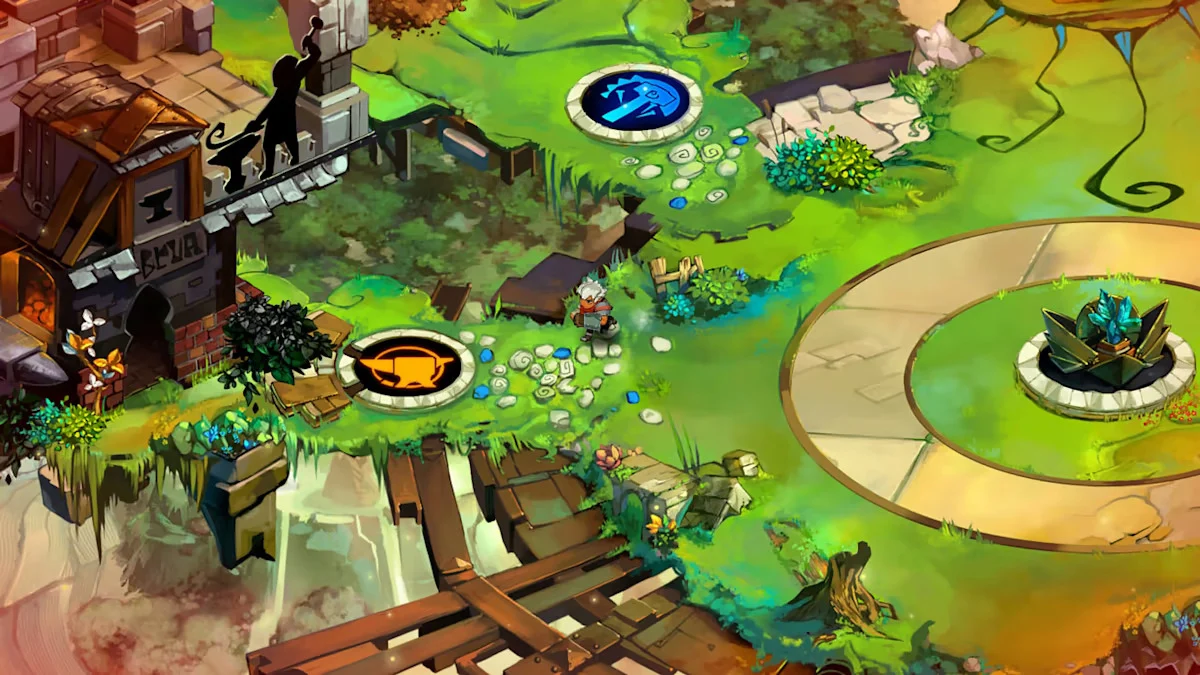
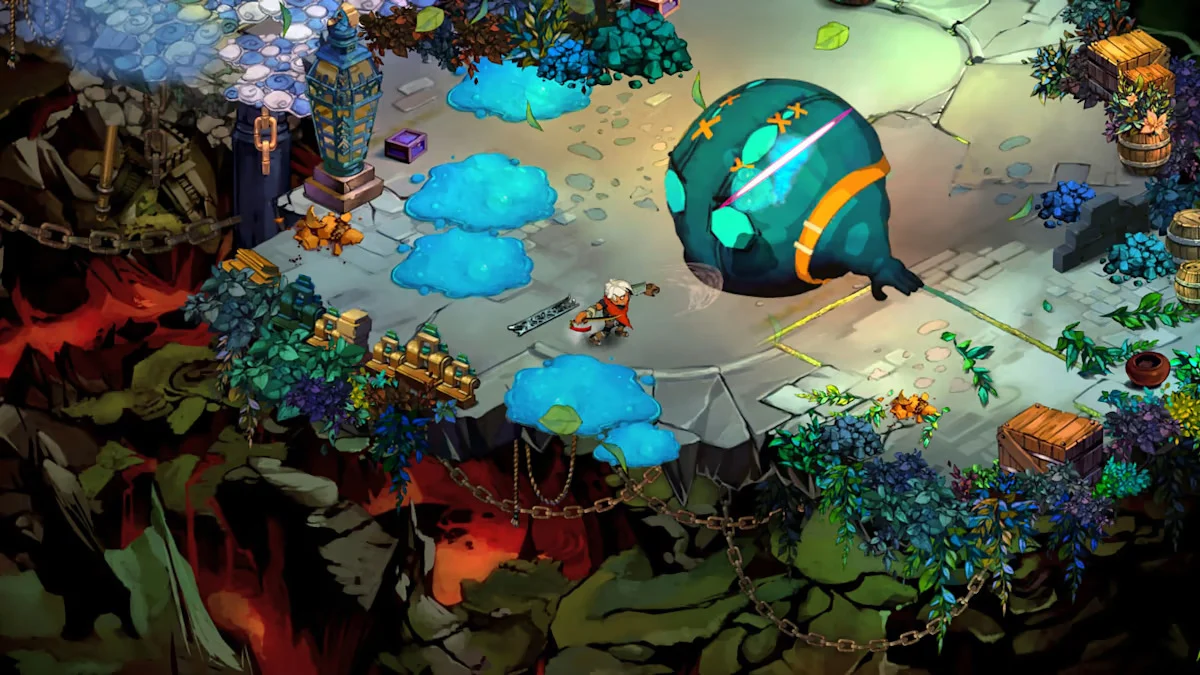
Bastion’s world-building is not limited to scenery in the distance. As The Kid approaches the edges of a route, paths and fragments of the environment rise into place around him. This responsive environment gives exploration a deliberate rhythm. A stretch of empty space can suddenly become a walkway, a combat arena, or the next piece of a floating island.
The effect supports the setting as much as it supports navigation. Caelondia has been shattered by the Calamity, leaving its remains suspended in fragments. Rather than simply telling players that the world is broken, Bastion lets them cross those fractures directly. Each newly assembled section feels like a small recovery of lost ground, even when the larger world remains unstable.
The hand-painted presentation gives these locations a distinctive atmosphere. Exploration is not just about reaching the next encounter; it is about seeing how the terrain forms and what it reveals. Secrets, creatures, and new paths sit within an environment that seems to respond to The Kid’s presence. For players who enjoy action games with a strong sense of place, this approach makes movement through the world part of the appeal.
The Dynamic Narrator and Reactive Storytelling
A voice-over narrator accompanies The Kid’s journey, commenting on player actions as well as major developments in the story. That reactive narration gives Bastion an unusual storytelling identity. The game does not rely only on scenes between missions to establish its tone; the narration remains present during exploration and combat.
The narrator’s observations can add context to the places The Kid visits and the dangers he faces. They also make the player’s moment-to-moment behavior feel acknowledged. A path appearing beneath The Kid or an unexpected encounter can receive a response, helping the adventure feel less detached from the actions taking place on screen.
This structure suits a protagonist who does not speak. The Kid’s silence leaves room for the narrator and the survivors he meets to frame events from different perspectives. The result is storytelling that unfolds while the player keeps moving, rather than separating action from the world’s history. The voice-over can also offer subtle hints about what lies ahead, making careful listening useful beyond its narrative role.
Weapon Variety and Upgrade Paths
Combat in Bastion is fast-paced and built around choice. The Kid can equip two weapons simultaneously, opening room for different weapon combinations. Swords, hammers, bows, and revolvers provide melee and ranged options with distinct playstyles, special attacks, and upgrade paths.
A sword may suit a direct approach, while a hammer emphasizes heavier blows. Bows and revolvers create distance from enemies, giving players alternatives when a fight becomes crowded or dangerous. Because two weapons can be carried together, the system encourages pairing tools that cover different situations instead of relying on a single answer for every encounter.
Weapon upgrades matter because they give individual tools more identity over the course of the adventure. Trying different upgrades and loadouts can change how a familiar encounter feels, especially when players match close-range power with a ranged option. This makes progression more than a matter of collecting equipment: it is an opportunity to refine a preferred combat style or keep changing tactics as new options appear.
Loss, Hope, and the Survivors of a Broken World
The Calamity defines the world of Bastion, but the story is not only about destruction. The Kid’s search for Cores and fragments is tied to rebuilding the Bastion’s structures and recovering some stability from a shattered past. Those practical goals carry emotional weight because Caelondia’s former world is present in the ruins left behind.
Survivors The Kid encounters bring their own views of what happened and what should come next. Their perspectives give the story room to examine loss and hope, as well as the consequences of past actions. The narrative is therefore concerned not only with restoring what was lost, but with what restoration can mean after such a disaster.
Player choices influence the fate of the remaining world, lending significance to the journey’s later developments. That element gives the story a measure of replay value for players interested in seeing how decisions relate to Caelondia’s future. It also keeps the game’s hopeful elements grounded: rebuilding is presented alongside the weight of what cannot simply be forgotten.
5 Practical Ways to Approach Bastion’s Combat and Exploration
- Test pairings. Equip two weapons and try combinations that balance close-range attacks with ranged pressure. Swords, hammers, bows, and revolvers serve different purposes in combat.
- Use upgrades thoughtfully. Each weapon has its own upgrade path, so experiment with improvements rather than treating every weapon as interchangeable.
- Make room for Squires. Secret Squire skills provide special offensive or defensive abilities, adding another tactical choice alongside the selected weapons.
- Listen closely. The narrator’s reactive commentary can provide subtle hints about enemies, environments, and what may be coming next.
- Set the Shrine challenge. The Shrine of the Idols allows difficulty modifiers to be activated for increased rewards, including bonus experience and currency.
These systems give Bastion room to accommodate different approaches. Players seeking a more demanding combat experience can use the Shrine of the Idols, while those still learning weapon behavior can focus on trying new loadouts and Squire skills. Exploration and combat remain linked throughout, since the floating environments continually place new routes, threats, and discoveries in front of The Kid.
Bastion on Nintendo Switch: Release and Technical Profile
For Nintendo Switch, Bastion Switch NSP is listed in the action and adventure genres. Supergiant Games is the publisher, and the USA release date is September 13, 2018. The supported languages are English, Spanish, French, German, and Italian.
The listed firmware version is 9.0.1, and the file size is 994 MB. Its portable Nintendo Switch format fits the game’s structure well: Bastion is a focused journey through connected floating islands, but its weapon experimentation, upgrade paths, Shrine modifiers, and choice-driven story provide reasons to revisit its systems. It is particularly suited to players looking for isometric action, responsive presentation, and a story told through exploration as much as dialogue.