My Hero One’s Justice Switch NSP XCI
Report Link Error
Select the broken download file, then submit the report.
Screenshots
About Game
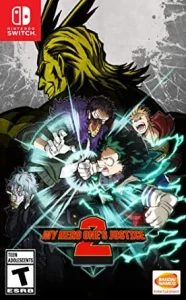
My Hero One’s Justice Switch NSP XCI is a 2018 action game from Bandai Namco Entertainment, which served as both publisher and developer. Released on October 26, 2018, it brings the conflict of My Hero Academia into fast, character-driven battles built around Quirks, special attacks, and the rivalry between heroes and villains. The Nintendo Switch version is listed for the USA region and supports English, German, Spanish, French, Italian, Korean, Portuguese, and Chinese.
My Hero One’s Justice on Nintendo Switch: Game Overview
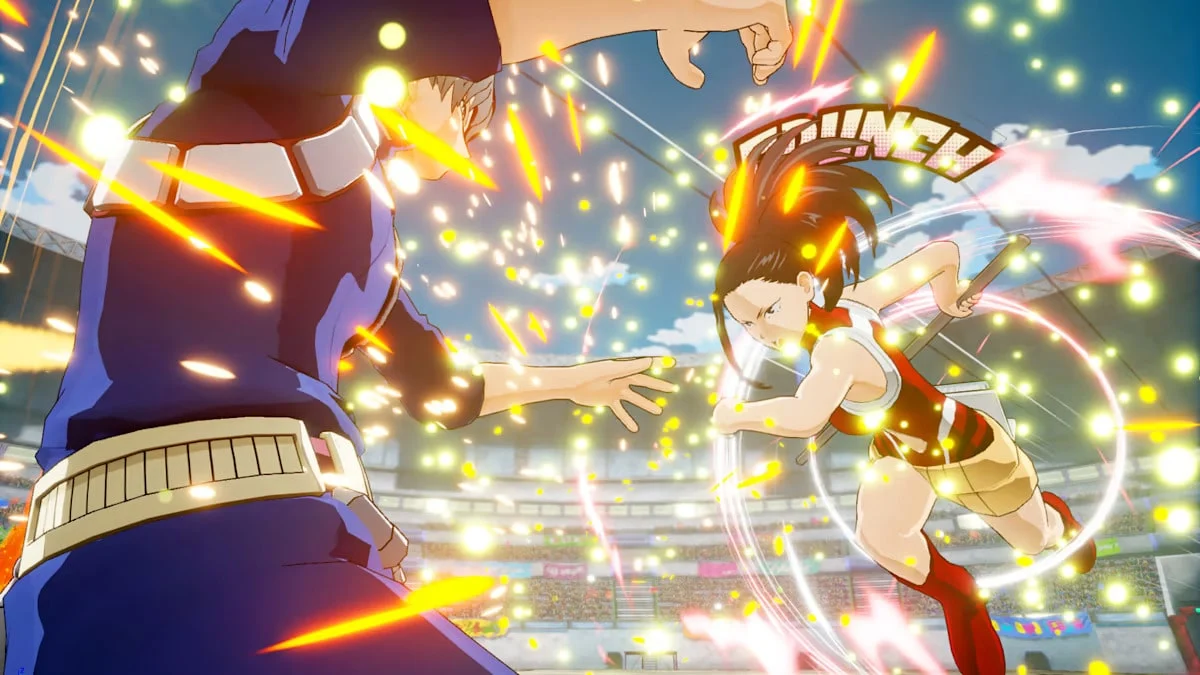
My Hero One’s Justice Switch frames its action around familiar superpowered confrontations. Players select from a roster of heroes and villains, each defined by distinct abilities and move sets inspired by the series. The result is not a grounded martial-arts fighter; it is an action game built for dramatic clashes, powerful Quirks, and sudden momentum shifts.
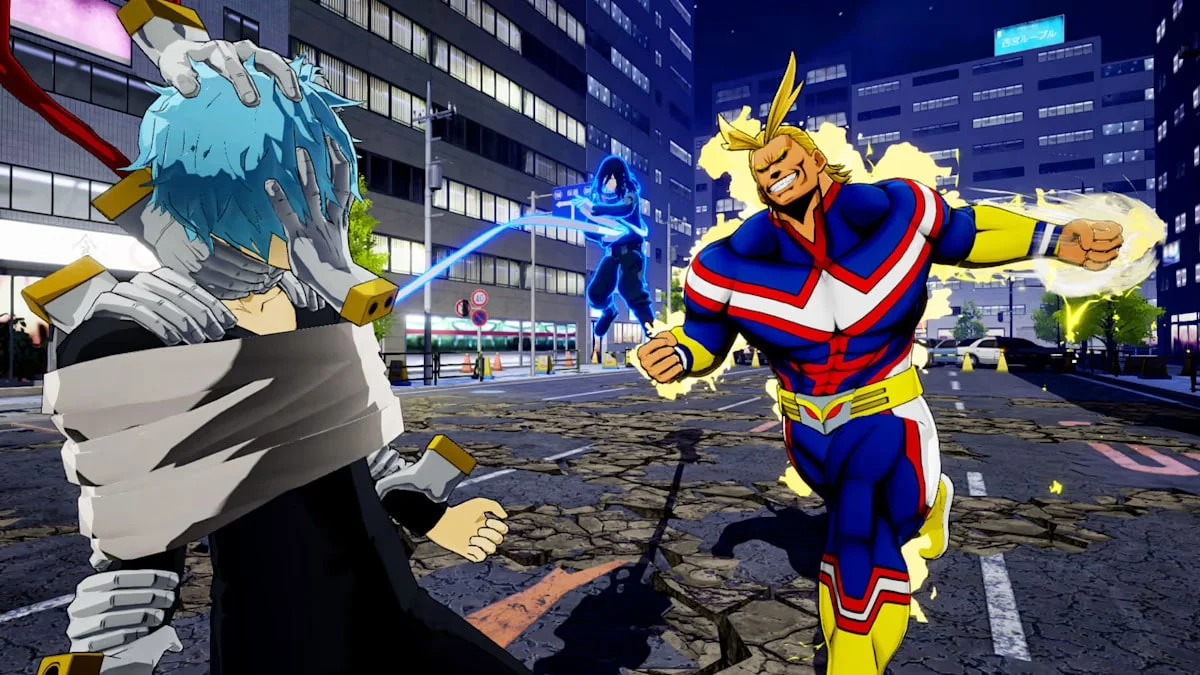
Bandai Namco Entertainment presents these encounters in 3D arenas where the setting is part of the fight rather than a distant backdrop. Battles are designed to feel active and volatile, with characters moving through recognizable locations and using their signature powers to pressure opponents. The emphasis is on direct confrontation, but the game also gives players choices in how they approach offense, defense, and support.
That structure makes the game accessible as a straightforward arena brawler while leaving room to learn individual characters. A player can focus on normal attacks and simple pressure early on, then gradually become more deliberate about special moves, ultimate attacks, assist timing, and stage positioning. Its appeal rests in seeing the heroes and villains of My Hero Academia translated into competitive encounters that move at a brisk pace.
A Story Told from Hero and Villain Perspectives
The My Hero One’s Justice story follows key events associated with the My Hero Academia anime and manga. Rather than presenting the conflict from only one side, it includes perspectives from both heroes and villains. This approach gives the central struggle a broader shape, allowing players to revisit major confrontations through different viewpoints.
The story includes the development of Izuku Midoriya as well as encounters with Shigaraki and the League of Villains. Character introductions, important battles, and the growth of individual Quirks are part of the journey. For players already familiar with the series, those elements provide a way to revisit notable arcs in an interactive form. For players coming to the game with less background knowledge, the narrative offers a direct look at the continuing divide between heroes and villains.
That split perspective suits the game’s fighting format. Each side arrives with its own motivations and powers, so the story does more than set up matches. It gives the battles a clear sense of rivalry, with clashes shaped by the larger tension between good and evil in the My Hero Academia setting.
How 3D Arena Combat Works
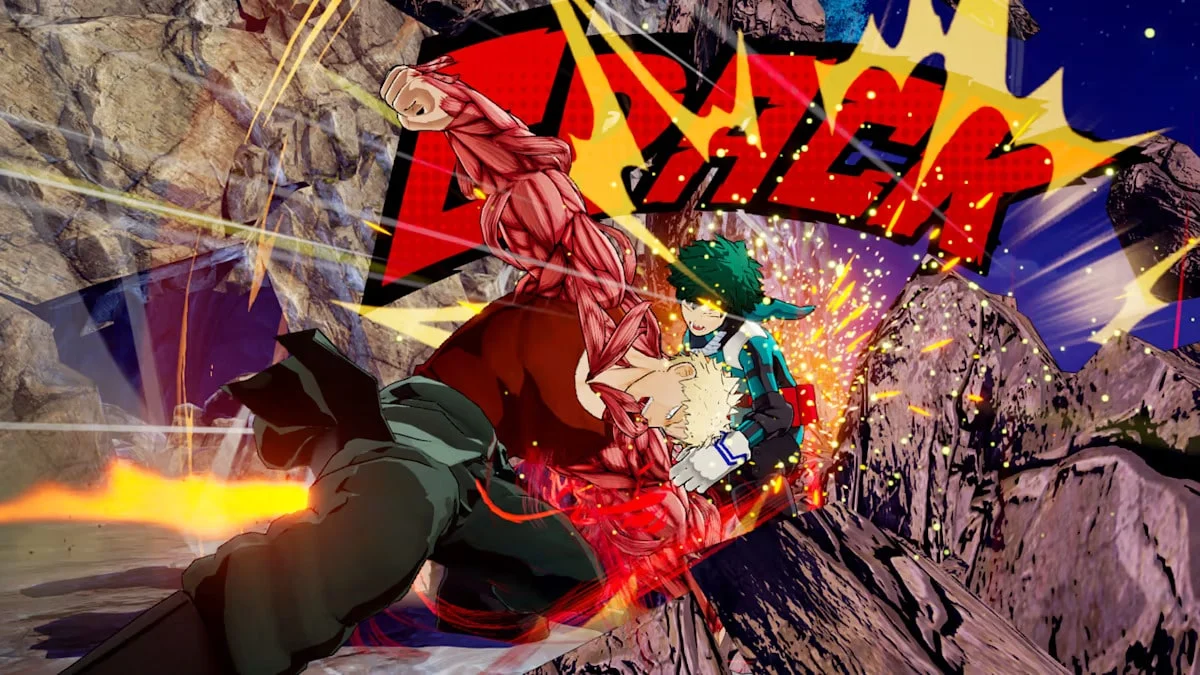
3D arena combat is the foundation of My Hero One’s Justice gameplay. The main objective is simple: reduce the opponent’s health bar before they reduce yours. Reaching that goal involves combining normal attacks, special moves, and powerful Plus Ultra attacks rather than relying on a single repeated option.
Each fighter has a different set of abilities tied to their Quirk. Learning those differences matters because character choice affects how a match unfolds. Some moves can create offensive opportunities, while others are better saved for decisive moments. A strong attack may be most effective after an opponent has been put under pressure, while an ultimate move can be used to change the direction of a close fight.
The arenas add another layer. Destructible environments make the action feel less contained, and stage elements can create openings or add damage during a confrontation. This means that awareness of the space around both fighters can be as useful as knowing a combo. The visual effect is appropriately dramatic for the source material: battles are not merely exchanges in front of a static background, but large-scale clashes that can leave their mark on the arena.
Fast movement, character-specific powers, and changing stage conditions give matches replay value. Repeated fights can remain useful practice because different opponents, sidekicks, and arena situations call for different decisions.
Using Sidekicks for Tactical Support
The sidekick system allows players to bring up to two support characters into a match. These characters are not simply decorative roster additions. Their assistance can influence the flow of a battle when used at the right moment.
A sidekick can interrupt an opponent’s pressure, offer defensive help during a difficult exchange, or extend an offensive sequence that has already begun. Used carelessly, an assist may not provide much value. Used with good timing, it can create the brief opening needed to regain control.
This system makes battle strategy more layered than a one-on-one exchange alone. Players need to consider not only their chosen fighter’s attacks but also when support is available and what kind of situation calls for it. A defensive assist may be more valuable when trapped under pressure, while an offensive one can help convert a clean hit into a longer sequence.
Character Customization and Earned Accessories
Beyond fighting, the game includes character customization through costumes and accessories earned in gameplay. These options let players personalize their selected fighters while remaining within the game’s hero-and-villain presentation.
Customization provides a modest sense of progression alongside the combat itself. Time spent in matches is not only about improving execution or seeing the story; it can also lead to new appearance options for My Hero One’s Justice characters. Costumes and accessories offer a reason to keep returning to favored fighters, particularly for players who enjoy giving a recognizable character a more individual look.
The feature fits the game’s broad roster and expressive style. Since fighters are built around distinctive Quirks and identities, visual personalization adds another way to engage with the cast without changing the central focus on arena combat.
5 Practical Steps to Improve in My Hero One’s Justice
- Learn one fighter first. Spend time understanding a chosen character’s normal attacks, Quirks, and special moves before moving between too many options.
- Practice combo timing. Successful offensive sequences depend on connecting attacks in the right rhythm, so repeated combat practice is useful.
- Save specials for openings. Special attacks and Plus Ultra attacks are most valuable when an opponent is vulnerable or when a match needs a momentum shift.
- Use sidekicks with purpose. Good sidekick timing can interrupt enemy pressure, support defense, or help extend an attack sequence.
- Watch the arena. Keep track of destructible elements and positioning, since the environment can create openings and contribute extra damage.
For players drawn to My Hero Academia, character-focused action, and quick competitive battles, My Hero One’s Justice offers a clear route into its world: choose a hero or villain, learn their Quirk, call in support, and use every opening the arena provides.