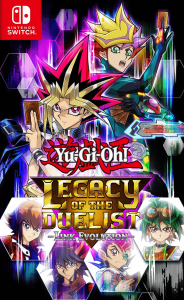
Yu-Gi-Oh! Legacy of the Duelist: Link Evolution Switch NSP XCI
Report Link Error
Select the broken download file, then submit the report.
Screenshots

About Game
Yu-Gi-Oh! Legacy of the Duelist: Link Evolution Switch NSP XCI brings Konami’s long-running card game to Nintendo Switch in a package built around familiar rules, anime history, and a large selection of cards. Released on August 20, 2019, this Board Game and Strategy title was published by Konami and developed by Other Ocean Interactive. Its appeal is broad but clear: it gives established duelists plenty of deck-building material while offering a structured route through major moments from the animated series.
A Switch Duelist’s Overview of Link Evolution
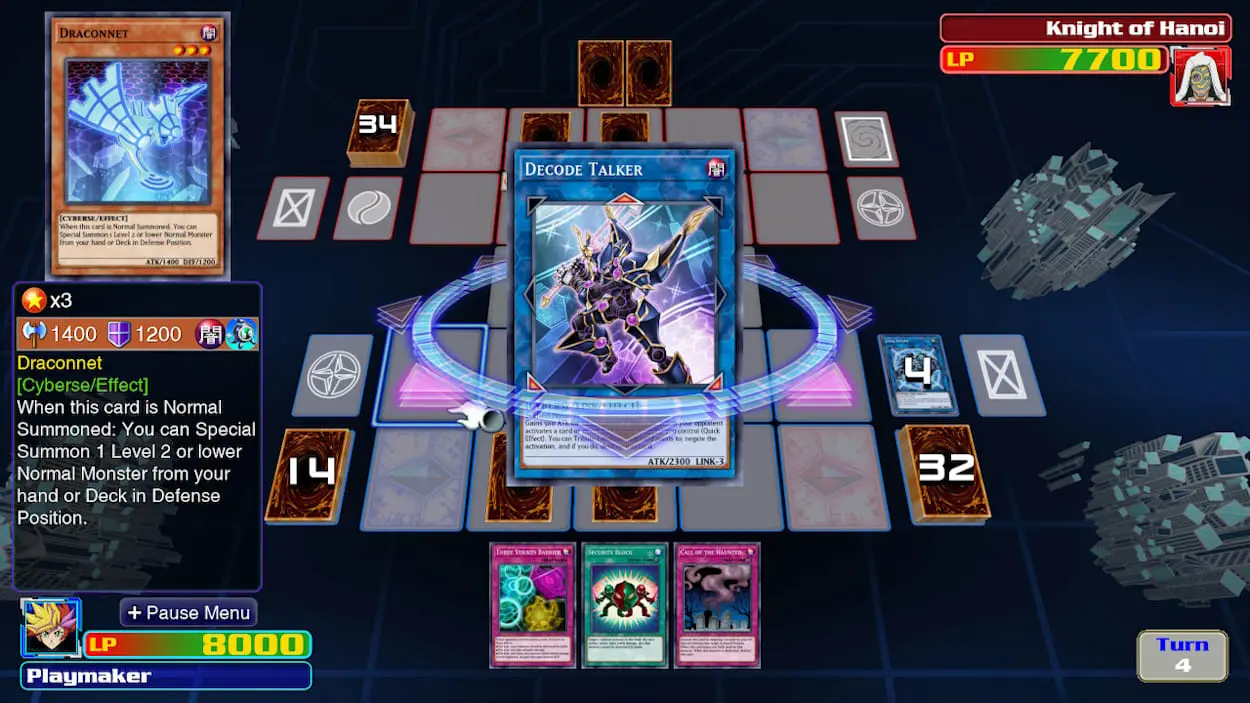
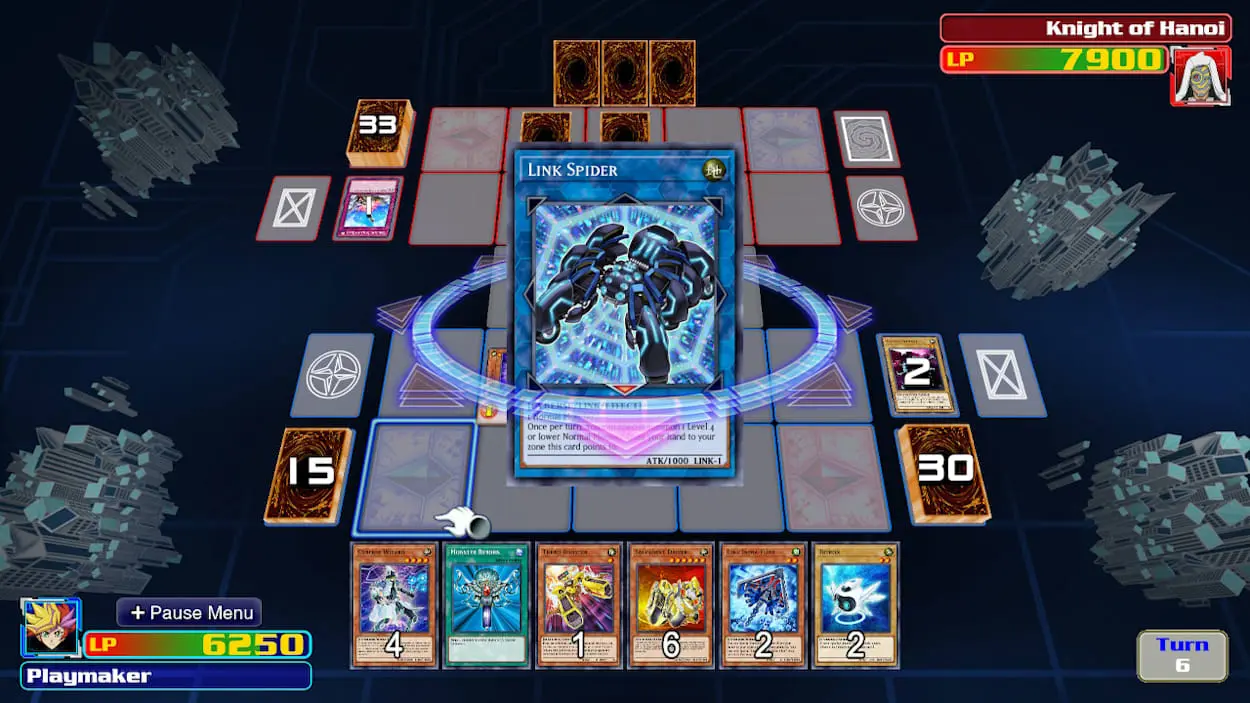
On Nintendo Switch, Yu-Gi-Oh! Legacy of the Duelist: Link Evolution frames dueling as both a campaign experience and a customizable strategy game. The central activity follows the official Yu-Gi-Oh! Trading Card Game rules: players build decks, summon monsters, activate Spell cards, set Trap cards, and try to overcome an opposing duelist through turn-based play.
The game’s card pool contains more than 10,000 cards spanning generations of the Yu-Gi-Oh! TCG. That scale supports many approaches to deck construction, from aggressive plans that pressure an opponent quickly to defensive builds and more elaborate combo-focused strategies. The result is a game with a deliberately dense ruleset, but also one that rewards learning how individual effects fit together.
Its atmosphere is closely tied to Yu-Gi-Oh!’s history. Rather than limiting itself to a single era, Link Evolution uses characters, matchups, and story material from across the anime. For players who know the series, that creates a steady sense of recognition; for players more interested in card play, the campaign supplies a series of themed duels through which to explore the game’s systems.
Reliving Yu-Gi-Oh! Anime Stories From Duel Monsters to VRAINS
The single-player content revisits Yu-Gi-Oh! anime storylines beginning with Duel Monsters and continuing through the Yu-Gi-Oh! VRAINS era. Key confrontations from the shows are presented as Story Duels, allowing players to take part in battles associated with major characters and pivotal moments.
That range matters because each era carries its own identity within the larger card game. Players can step into the role of protagonists including Yugi Muto, Jaden Yuki, and Yusei Fudo, then face rivals and opponents drawn from their respective stories. The campaign also allows some storylines to be experienced from both heroic and villainous perspectives, giving familiar encounters a different framing.
Story Duels provide progression with a clear sense of context. Instead of simply moving through unrelated matches, players return to well-known conflicts and test themselves within anime-inspired setups. This makes the campaign especially suitable for viewers who want to revisit major Yu-Gi-Oh! eras, while still leaving room for experimentation with cards and strategies outside those narrative matchups.
Link Monsters and the Added Importance of Field Positioning
Link Monsters add an important strategic consideration to duels. Alongside the classic monster zones and Spell/Trap zones, their presence makes field positioning part of a player’s decision-making. It is not only a question of which monster to summon, but also how that summon affects future options.
This layer gives monster summoning more weight. A player needs to consider card effects, available zones, and the sequence in which monsters enter play. Those choices can shape a turn’s possibilities and influence how a deck functions over several turns. In a game already concerned with timing, resources, and interactions between cards, Link Monsters expand the number of decisions tied to the board itself.
For players refining Yu-Gi-Oh! strategy, this is a useful reason to revisit older deck ideas and try newer combinations. The rules are not presented as a separate mode from deck building; they affect the cards and summoning options a player may want to include in a deck.
Five Ways to Build a Better Deck in Link Evolution
The extensive card selection can make deck construction feel open-ended. A practical approach is to make each revision serve a specific purpose, then use duels to see whether that purpose holds up in play.
- Read effects closely. Card effects are central to winning duels, so understanding what a monster, Spell, or Trap card does is the starting point for any coherent deck.
- Choose a direction. Build around a preferred playstyle, such as aggressive attacks, defensive control, or combinations designed to link several effects together.
- Explore archetypes. Test different archetypes and observe how their cards support one another rather than treating every card as an isolated choice.
- Plan your summons. Consider the monster summoning options available to the deck, including how Link Monsters can affect placement and later plays.
- Refine through duels. Use repeated matches to identify which strategies work consistently, then adjust the deck in response to what those duels reveal.
These priorities are useful because Link Evolution encourages customization rather than a single fixed route to victory. A deck can be revised around card effects, summoning plans, or a chosen archetype, and the game supplies several ways to put those revisions into practice.
Online Ranked and Unranked Duels
Online multiplayer gives deck building a direct competitive outlet. Players can challenge duelists worldwide in ranked duels or choose unranked matches. The distinction gives players room to approach online play differently: ranked matches suit those who want a more competitive setting, while unranked play offers another space to test cards and ideas.
Both modes are valuable for evaluating deck strategy against other players. Story battles and computer-controlled opponents can help establish an approach, but multiplayer asks players to respond to decks and decisions created by other duelists. That makes online play a natural extension of the game’s focus on experimentation, card knowledge, and tactical adaptation.
Battle Pack Draft Play, Challenger Duels, and Customization
Link Evolution also includes activities beyond the main Story Duels and standard online matches. Battle Pack Draft Play uses a sealed-pack style format in which players adapt their strategy to randomly opened cards. It shifts the emphasis away from a carefully prepared deck and toward making the best use of the cards available in that particular event.
Challenger Duels add another set of encounters for players looking for more battles. Together with the campaign and multiplayer options, they help give the game replay value rooted in dueling rather than a single completed storyline.
Personalization is present as well. Players can select card sleeves, playmats, and character avatars to tailor the presentation of their duels. These options do not replace the strategic focus, but they give individual decks and matches a more personal visual identity.
With English, German, Spanish, French, Italian, and Japanese language support across Europe, the USA, and Japan, the game is positioned for a wide audience. It is best suited to players interested in Yu-Gi-Oh!’s anime eras, the detail of the Trading Card Game rules, or the ongoing process of building, testing, and revising decks.