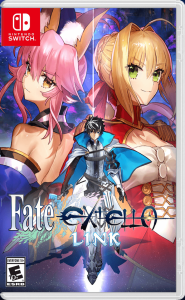
Fate/Extella: The Umbral Star Switch XCI NSP
Report Link Error
Select the broken download file, then submit the report.
Screenshots
About Game
Fate/Extella: The Umbral Star Switch XCI NSP brings its large-scale digital conflicts to Nintendo Switch in a USA release dated March 19, 2019. Developed by Marvelous Inc. and published by XSEED Games, this 3GB action beat-’em-up places familiar Fate series Servants in fast-moving battles where control of the map matters as much as clearing the next wave of enemies.
Fate/Extella: The Umbral Star on Nintendo Switch at a Glance
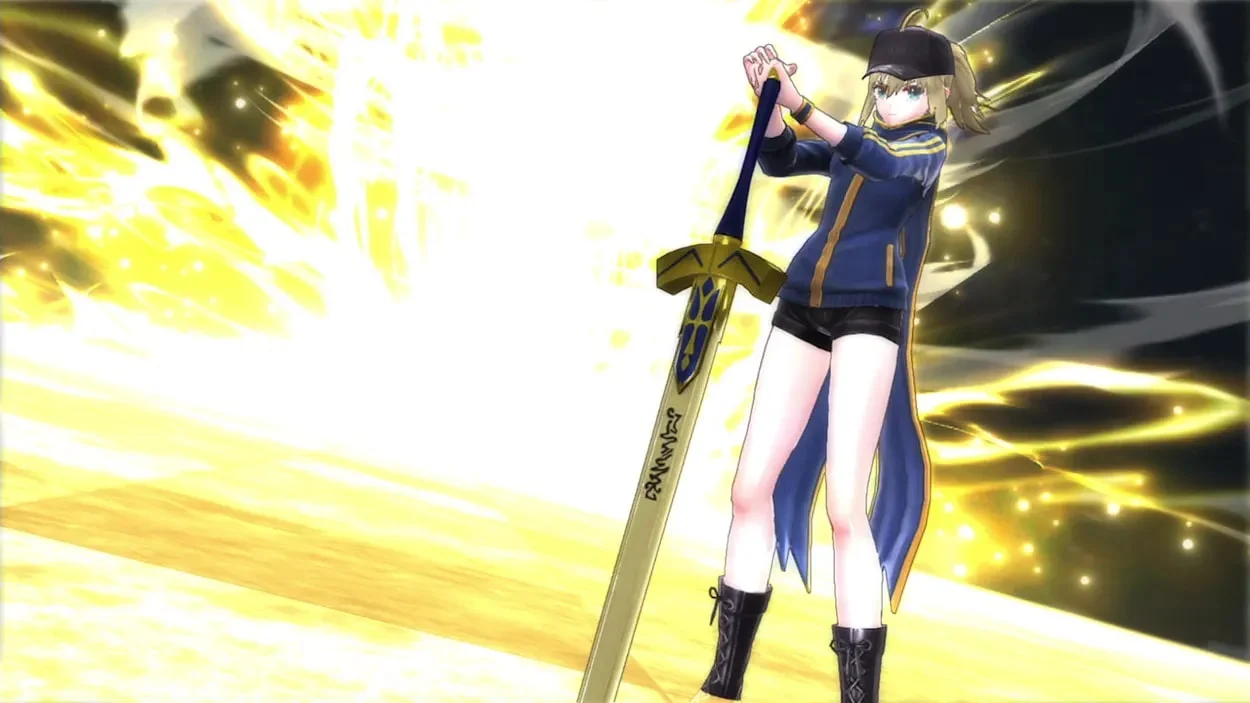
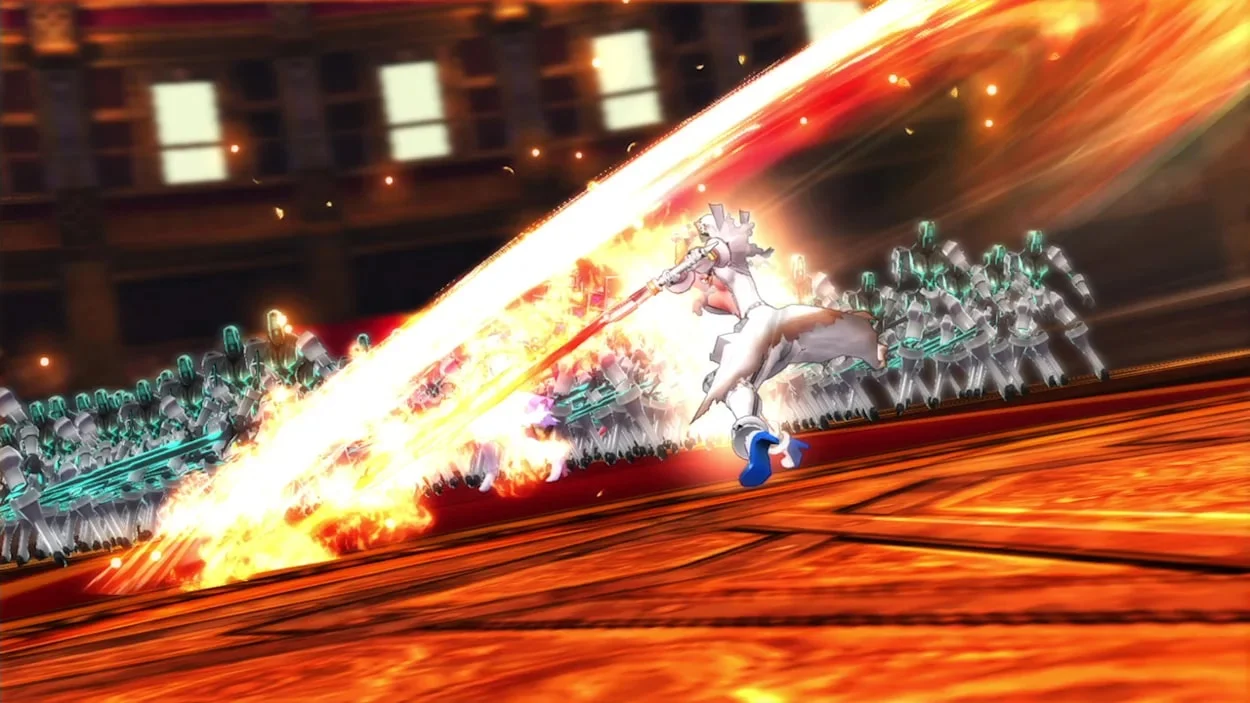
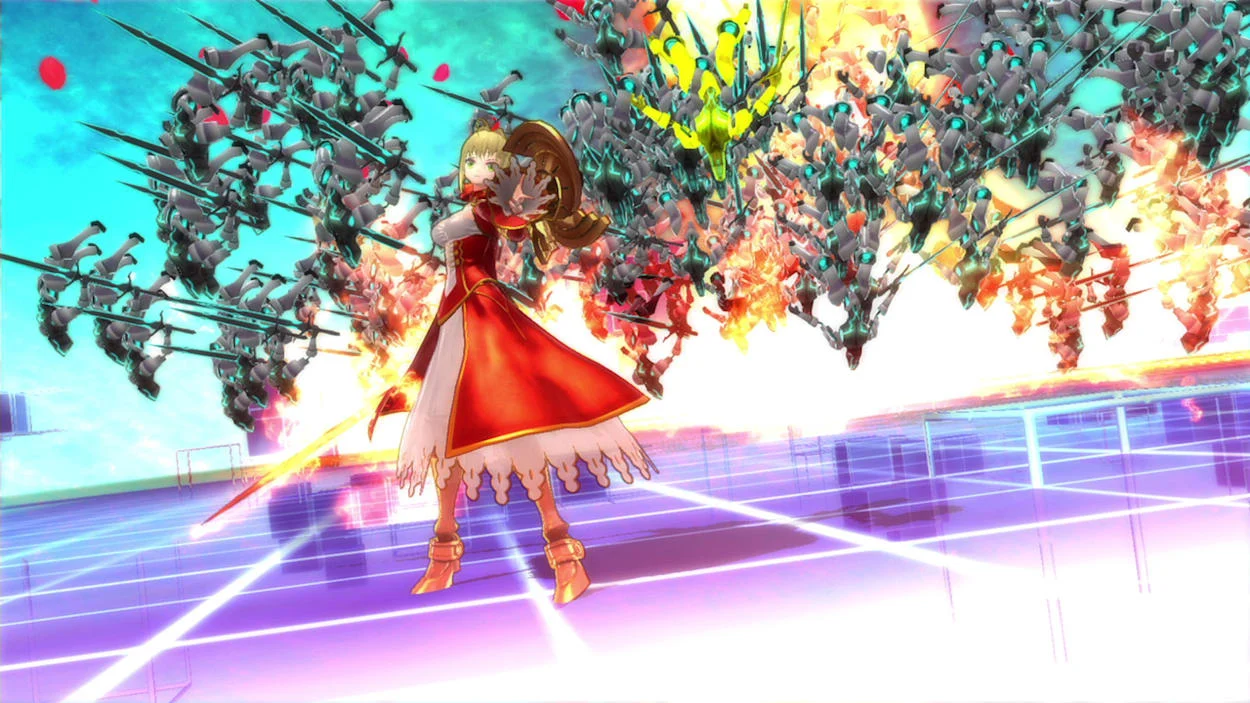
Fate/Extella: The Umbral Star is built around a Musou-style approach to action gameplay. Players take control of powerful Servants and fight through sprawling battlefields filled with large enemy groups, key foes, and contested sectors. The pace is direct and forceful, but the game also asks players to watch the wider situation: an unattended area can become a problem, while a captured sector can improve the team’s position.
The Nintendo Switch version frames the game’s broad conflicts around the system’s hybrid format, making its missions suited to both longer sessions and shorter bursts of combat. Its core genre description—action and beat-’em-up—fits the immediate appeal of chaining attacks through crowds, while its territory-focused structure gives those battles a larger purpose.
The presentation is rooted in the digital setting of SE.RA.PH, where battlefields are not merely places to defeat enemies but parts of a realm under pressure. That setting supports a tone that moves between heroic confrontation, uncertainty, and the increasingly serious consequences facing the characters.
A Post-Holy Grail War Crisis in SE.RA.PH
The story begins after the Holy Grail War, with the Master having achieved victory alongside Nero Claudius. That success does not secure peace for long. SE.RA.PH, the digital realm where the story unfolds, is threatened by an unknown force, placing its existence in danger and drawing the Master and their Servants into a new crisis.
The narrative follows three campaigns led by Nero Claudius, Tamamo no Mae, and Altera. Their differing perspectives provide separate paths through the same broad conflict and gradually build the mystery around the Umbral Star. Rather than treating the campaign as a simple march from battle to battle, the game uses these viewpoints to reveal more about its central danger, its ancient secrets, and the people caught within it.
This structure gives the story a sense of progression beyond battlefield conquest. Each campaign contributes to the larger picture, encouraging players to consider how events look through the eyes of different Servants. The threat is not confined to one opponent or one territory; it reaches into the nature of SE.RA.PH itself.
How Territory Battles Drive the Action
Territory Battles provide the clearest organizing principle for the game’s action. Maps are divided into sectors, and players move between them to defeat opponents, prevent invasions, capture territory, and confront stronger enemies. A battle is therefore not only about surviving a crowd. It is also about deciding where pressure needs to be answered first.
- Read the map: Follow the status of sectors and identify areas that need immediate attention.
- Clear resistance: Defeat the enemies occupying a sector to create an opening for control.
- Claim ground: Capture territory to improve the team’s position across the battlefield.
- Answer threats: Defend sectors when invading enemies attempt to reverse progress.
- Face key foes: Confront powerful opponents whose defeat can determine control of an area.
This loop gives the action a strategic edge without moving away from its crowd-focused combat. The player is still cutting through large groups, but the value of each encounter depends on where it occurs and what is happening elsewhere on the map. The result is a battlefield rhythm that alternates between sweeping enemy clears, urgent defensive responses, and concentrated clashes against formidable characters.
Servant Combat Styles and Battlefield Roles
The playable Servant roster is central to the game’s appeal. Servants from the Fate series bring distinct combat styles, abilities, and special moves to the battlefield, inviting players to learn how each one handles large groups and stronger opponents. The differences between characters matter because the demands of a Territory Battle can change quickly: one moment may reward aggressive crowd control, while another calls for focused damage against a powerful enemy.
That variety also gives the three story campaigns added character. Nero Claudius, Tamamo no Mae, and Altera are not simply alternate narrators; they are combatants with their own presence in battle. Learning a Servant’s moves and recognizing when to use their stronger options adds a practical layer to the narrative route being played.
Progression extends beyond basic combat familiarity. Code Casts can be equipped and activated as special skills and buffs, offering assistance during fights. The bonding system further connects story and play, allowing the Master’s relationship with Servants to grow through dialogue and side activities. These relationships can unlock additional story segments and abilities, making character interaction part of the game’s broader progression.
Moon Crux, Moon Drive, and Extella Maneuvers
When standard attacks are not enough, the game offers several systems designed to shift momentum. Moon Crux and Moon Drive are transformations that temporarily increase a Servant’s power and open access to enhanced attacks. Their value becomes especially clear when the battlefield is crowded or when a demanding opponent threatens to slow the advance.
Extella Maneuvers serve as devastating ultimate attacks. By charging and deploying them at the right moment, players can clear large groups of enemies and inflict major damage. These attacks reinforce the scale of the game’s combat: the battlefield is crowded, the pressure can build fast, and a well-timed burst of power can change the immediate situation.
Fate/Extella: The Umbral Star Switch XCI NSP gains much of its combat rhythm from deciding when to commit these resources. Using a transformation or ultimate attack at the right time can make a difficult sector manageable, while saving those tools for a key confrontation can be equally important. The systems do not replace the need to understand a Servant’s regular combat style; they deepen it.
Themes of Identity, Sacrifice, and Master-Servant Bonds
Behind its forceful action, Fate/Extella: The Umbral Star explores questions of identity, sacrifice, and existence within a digital world. The danger surrounding SE.RA.PH leads the characters toward ancient secrets and unsettling revelations, challenging their understanding of the realm they inhabit and their own place within it.
The Master-Servant bonds are particularly important to that emotional direction. The story is concerned not only with winning a conflict but with the relationships built through shared danger, loyalty, and difficult choices. Dialogue, side activities, and the bonding system support that focus while also providing tangible progression through new abilities and story material.
This makes the game a fitting choice for players drawn to fast-paced battlefield action with a story-led Fate framework. Its replay value comes from the three campaigns, the range of playable Servants, the task of mastering different combat styles, and the additional story and ability rewards connected to bonds. For players interested in both large-scale encounters and the personal stakes behind them, SE.RA.PH offers a conflict with more on its mind than territory alone.
Recommended Similar Games
 Ghostbusters: The Video Game Remastered Switch NSP XCIView Game
 Earth Defense Force 4.1 for Nintendo Switch NSP XCIView Game
 Special Forces Assault: Tactical Hostage Switch NSPView Game
 Yoshi’s Crafted World Switch NSP XCIView Game
 DRAGON BALL Z: KAKAROT + A NEW POWER AWAKENS SET Switch NSP XCIView Game
 Trails in the Sky 2nd Chapter Switch NSPView Game
