Final Fantasy VIII Remastered Switch NSP XCI

Report Link Error
Select the broken download file, then submit the report.
Screenshots
About Game
Final Fantasy VIII Remastered Switch NSP XCI points to a Nintendo Switch edition of Square Enix’s RPG, released on September 03, 2019. Available across Europe, the USA, and Japan, it supports English, German, Spanish, French, Italian, and Japanese. The remaster brings Squall Leonhart’s unusual, systems-heavy adventure to a format suited to both focused sessions and a more flexible pace.
Final Fantasy VIII Remastered on Nintendo Switch: Release and Game Details
Square Enix developed and published Final Fantasy VIII Remastered for Nintendo Switch. Its September 3, 2019 release placed a distinctive RPG in the Switch library: one built around a dramatic science-fantasy story, a party of young mercenaries, and character development systems that ask players to think beyond ordinary level progression.
The game’s regional availability covers Europe, the USA, and Japan, while its language selection gives players several ways to experience its dialogue and story. English, German, Spanish, French, Italian, and Japanese are supported. The result is a portable version of an RPG whose long journey can move between major story sequences, tactical battles, optional card play, and party management without changing the core identity of the original experience.
Its remastered presentation is paired with practical battle options that can alter the rhythm of play. That matters for a game where exploration, preparation, and experimentation are closely connected. Players are not simply pushing forward through battles; they are continually shaping how each character is equipped and how a difficult encounter should be approached.
Squall Leonhart’s Journey From Balamb Garden to Global Conflict
The story follows Squall Leonhart, a reserved SeeD cadet studying at Balamb Garden. His early circumstances include rivalry and training, but the narrative soon widens as Squall and other students enter SeeD, a mercenary force sent on missions of increasing importance.
What begins as a personal and institutional journey develops into a broader conflict involving sorceresses, an ancient past, and a threatened future. Squall is joined by companions including Zell and Selphie, and the group’s relationships become part of the story’s emotional direction. Love, self-discovery, fate, and connection sit alongside the larger stakes.
The escalation is important to the game’s atmosphere. Balamb Garden gives the opening a sense of structure and youthful rivalry, while later events move toward stranger and more consequential territory. The plot eventually engages with time compression, giving the adventure a grander, more surreal dimension than its school-and-mercenary starting point suggests.
Drawing and Refining Magic for Battle Preparation
Final Fantasy VIII approaches magic differently from an RPG where spells are simply bought in shops or found as fixed rewards. The Draw system allows characters to collect magic from enemies and from designated draw points in the environment. Items can also be refined into magic, creating another route to build up a useful supply.
This makes magic a resource to consider carefully. Drawing in battle can offer an immediate tactical option, but it also helps prepare the party for future fights. Environmental draw points reward attention during exploration, while item refinement gives the player another reason to examine available resources rather than treating them as incidental inventory.
The system is tied to the game’s Junction mechanics, so a stocked supply of magic can influence more than spellcasting. Magic can be associated with character attributes through Guardian Force abilities, encouraging planning before demanding encounters. A party prepared for one opponent may benefit from a different arrangement against another, making battle strategy an extension of party management.
Guardian Forces, Limit Breaks, and Party Building
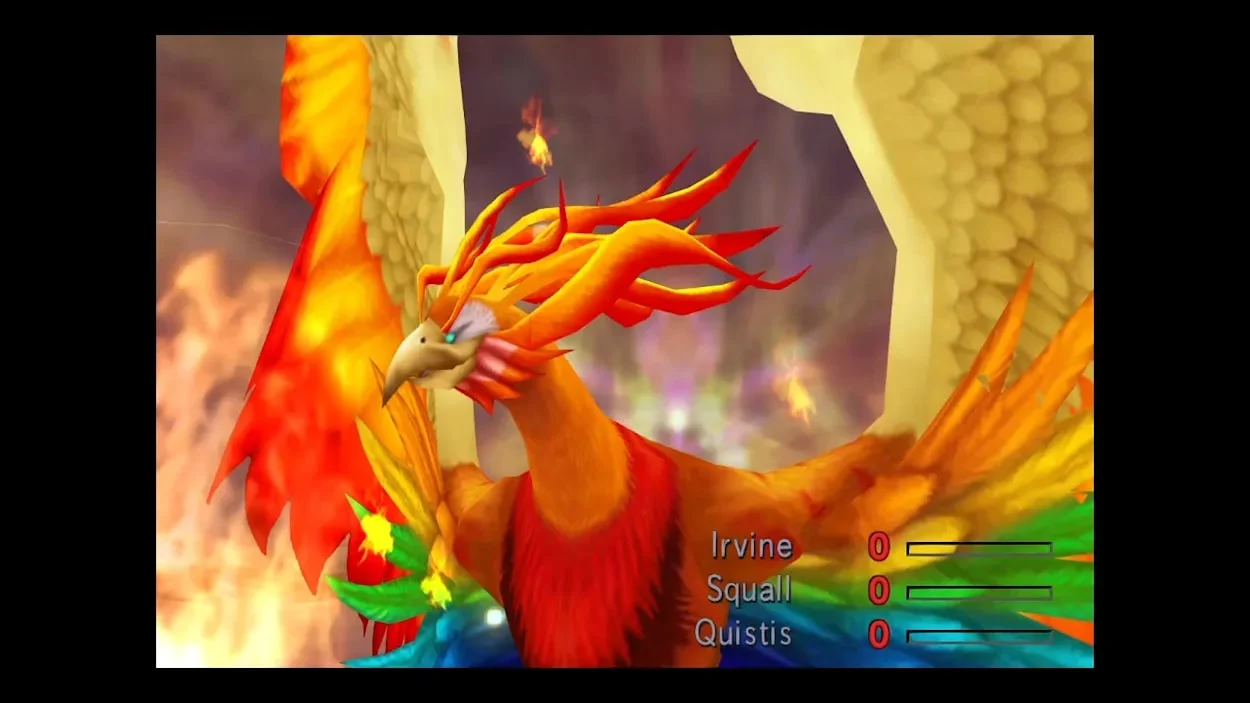
Guardian Forces, commonly called GFs, are central to character customization. Assigning them to party members opens up abilities that can modify skills and statistics. Their relationship with the Junction system gives players considerable control over how a character is shaped, rather than limiting development to a single fixed role.
That flexibility supports a changing party setup. A player can experiment with different GF assignments and magic junctions, then adjust those choices when a boss or a particular situation calls for another emphasis. The most useful arrangement is not necessarily permanent; it can depend on the challenge ahead and the resources currently available.
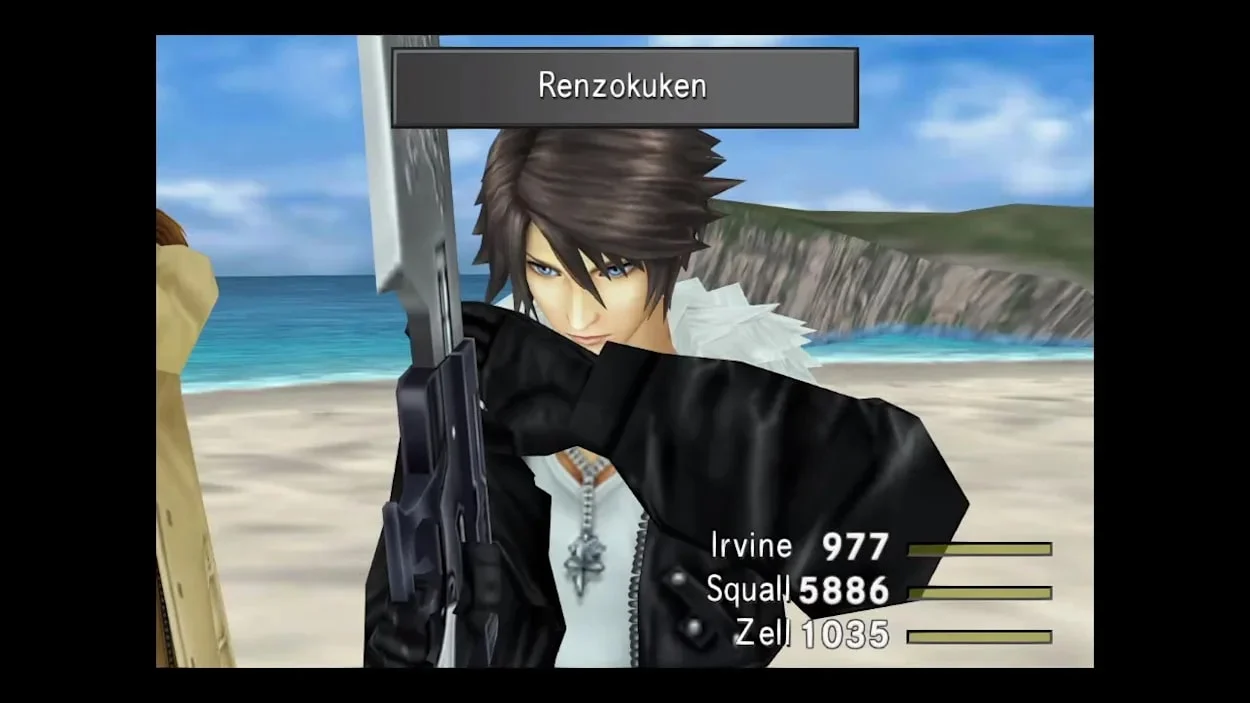
Limit Breaks add another layer to combat. These character-specific powerful attacks become available when a character’s health is critical. Because each character has a different Limit Break, they contribute distinct possibilities during dangerous battles. Used at the right moment, they can turn a pressured situation into an opportunity, though reaching critical health naturally carries its own risk.
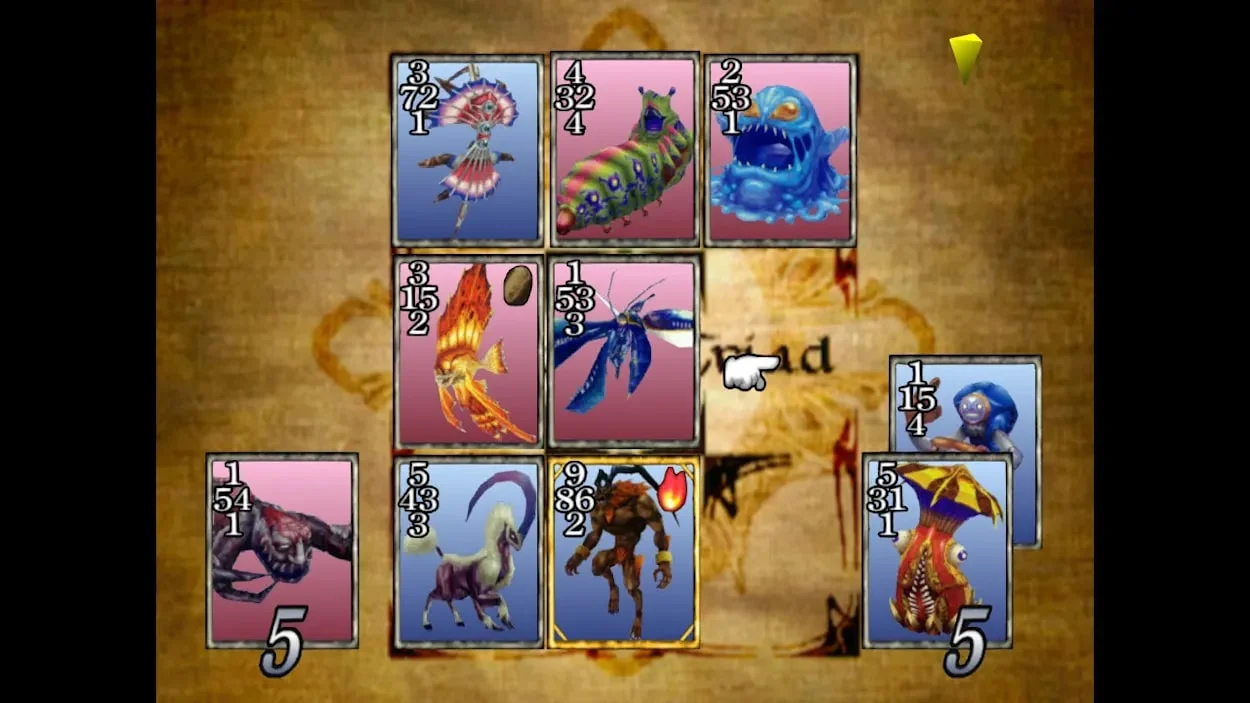
For players interested in side activities, Triple Triad provides a strategic card game alongside the main journey. Its presence helps the game’s progression feel less like a straight line from story battle to story battle. Between missions, exploration, party adjustments, and cards, there are several ways to spend time within the adventure.
Switch Remaster Enhancements for a Flexible Adventure Pace
The Switch remaster includes battle enhancements that let players speed up battles or disable random encounters. These options do not replace the game’s underlying systems, but they can change how players move through them. Faster battles can reduce the time spent on routine combat, while no-encounter play can make travel and exploration more direct.
That flexibility is especially welcome in a game with detailed preparation systems. A player who wants to concentrate on story progression can reduce interruption while travelling. Someone looking to build resources through battle can leave encounters active and spend more time drawing magic, testing junctions, and developing a preferred party arrangement.
The exact keyword Final Fantasy VIII Remastered Switch NSP XCI is often associated with this Switch version, but the defining experience remains Squall’s story and the distinctive choices surrounding GFs, Draw magic, and combat pacing. The enhancements are best understood as tools for fitting a lengthy RPG around different play styles.
5 Practical Ways to Approach Final Fantasy VIII Remastered’s Systems
- Test junctions freely. Try different magic assignments to see how they affect a character’s statistics and role. The system rewards comparison rather than assuming one setup will suit every situation.
- Move GFs with purpose. Guardian Force assignments can be changed to support the party’s immediate needs. A useful configuration for ordinary encounters may not be the best choice before a major battle.
- Prepare before bosses. Challenging fights are a reason to review magic stocks, character skills, and GF placement. Thoughtful preparation can matter as much as decisions made during the battle itself.
- Protect your magic supply. Draw magic from enemies and draw points, and use item refinement when appropriate. Since magic supports the Junction system, it is worth treating each spell stock as part of party planning.
- Set your own pace. Use battle speed options when routine encounters begin to slow the journey, or disable random encounters when you want to travel without interruption. The tools let players emphasize exploration, story, or system experimentation as they prefer.
Recommended Similar Games
 Blazblue Entropy Effect X Switch NSPView Game
 inKONBINI: One Store. Many Stories Switch NSPView Game
 DOKAPON! Sword of Fury Switch NSPView Game
 DRAGON QUEST III HD-2D Remake Switch NSPView Game
 Wizards Owl: Magic Delivery Switch NSPView Game
 Lumen Tale: Memories of Trey Deluxe Edition Switch NSPView Game
