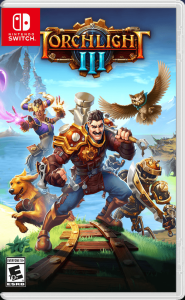
Torchlight II Switch NSP XCI
Report Link Error
Select the broken download file, then submit the report.
Screenshots
About Game
Torchlight II Switch NSP XCI brings a colorful action role-playing adventure to Nintendo Switch, combining rapid combat, generous loot, and a campaign shaped by a world in crisis. Released on October 22, 2020, this region-free edition supports English, German, Spanish, French, Italian, and Russian. Perfect World published the game, while Echtra Games developed it, with the Switch release listed as a 2GB Role-Playing Game.
Torchlight II on Nintendo Switch: Release and Game Details
Torchlight II Switch arrived on October 22, 2020, offering a portable way to experience its dungeon-focused action RPG structure. Its world uses a vivid, stylized presentation, but the mood is never entirely carefree: dangerous caverns, hostile creatures, powerful bosses, and a spreading corruption give the adventure a persistent sense of threat.
The game is region-free and includes language support for English, German, Spanish, French, Italian, and Russian. Its basic appeal is direct and familiar for the genre. Players create a hero, fight through enemies in real time, collect equipment, improve abilities, and push further into unpredictable dungeon spaces. Yet the range of classes, loot, and character decisions gives that simple loop room to develop over a long adventure.
For players who enjoy action RPGs that keep rewards coming while asking them to adjust their approach, Torchlight II offers a clear blend of combat momentum and build planning. It is also well suited to those who appreciate repeatable dungeon exploration rather than a fixed, identical route through every area.
The Alchemist’s Corruption Drives the Adventure
The Torchlight II story begins with the Alchemist, a hero known from the original game. After being corrupted by the Heart of Ordrak, he sets out on a destructive course that leaves disorder across the land. The player’s chosen hero follows his trail, pursuing the Alchemist in an attempt to stop the damage before it grows beyond control.
That pursuit moves through different continents and environments, each populated by its own monsters and dangers. Along the way, the campaign introduces dark schemes, new factions, familiar figures, and fresh adversaries. The story expands on the history of the Torchlight world while maintaining a practical forward drive: every major step brings the hero closer to a confrontation with the corrupted Alchemist.
The plot gives dungeon crawling a useful context without taking attention away from play. Exploration is not simply a hunt for better gear; it is part of a chase through a world affected by one character’s collapse. Bosses and major encounters reinforce that escalating journey, particularly as enemies demand more focused strategies than routine monster packs.
Four Character Classes and Their Playstyles
The four Torchlight II classes provide the foundation for different combat identities. The Engineer, Outlander, Embermage, and Berserker each have distinct skill trees, allowing players to emphasize different weapons, spells, abilities, and combat rhythms.
- Engineer: A class with its own skill-tree options, suitable for players who want to shape a durable, ability-driven approach.
- Outlander: A separate route through combat and customization, built around its individual selection of skills.
- Embermage: A class for players interested in developing spell-focused options through dedicated skill trees.
- Berserker: Another distinct hero choice, offering a different path for close, fast-moving action RPG combat.
These class names matter because they are not merely cosmetic selections. Each one changes the tools available as a character advances. A player can further refine that starting point through stat allocation, equipment, and chosen abilities. Two heroes from the same class can still feel different if their skill and gear priorities diverge.
This structure supports experimentation. A first character can be built around familiar tools and dependable equipment, while later adventures can test a different class or a new set of skill choices. The game’s loot flow encourages this process by regularly presenting new items worth considering.
Fast-Paced Combat, Skills, and Build Customization
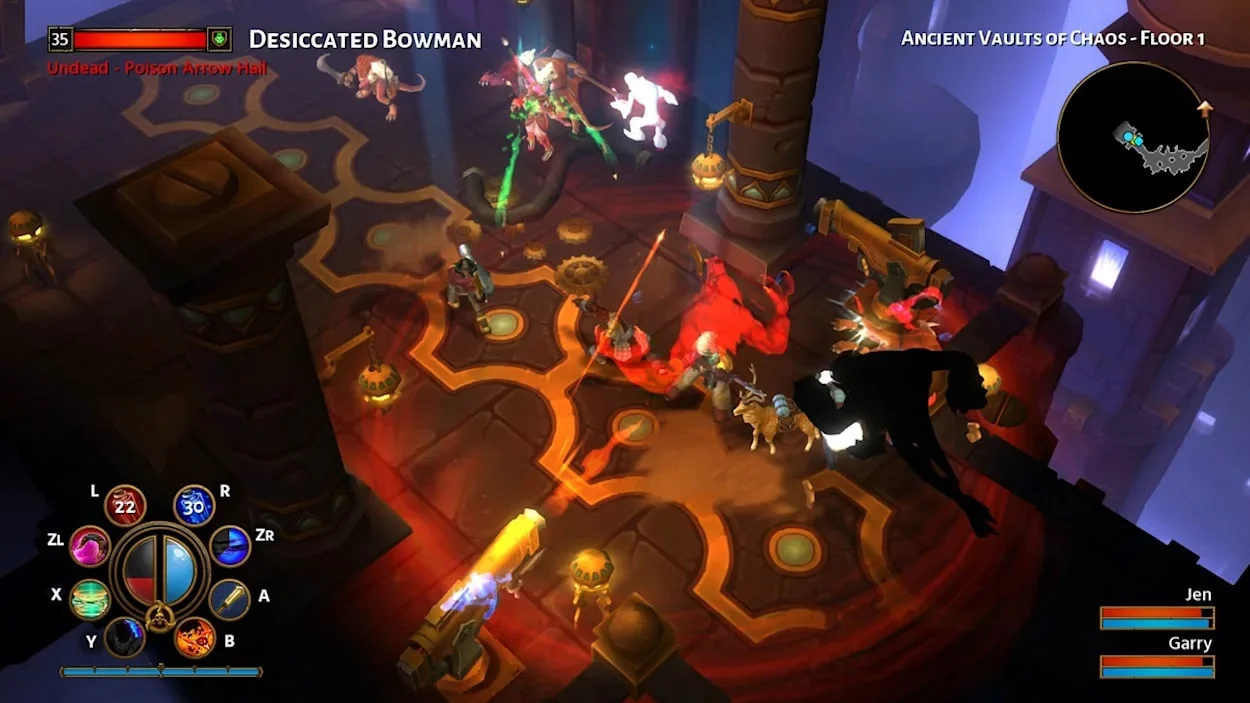
Torchlight II gameplay is built around fast-paced hack-and-slash combat. Heroes face varied enemies using weapons, spells, and class-specific abilities, then gather the equipment and resources needed to become stronger. Battles can be quick and crowded, especially when groups of monsters fill a dungeon corridor, but character development remains an important part of success.
Stat allocation, skill trees, and gear choices work together to shape a build. Equipment can introduce a reason to change direction, while a skill investment may encourage a player to lean harder into a favored ability. Loot includes randomized items, unique items, set pieces, and powerful enchantments, creating a steady stream of decisions rather than a single prescribed upgrade path.
The result is progression with both immediate and long-term rewards. A newly found weapon or piece of armor may improve the next fight, while a larger set of choices gradually defines how a hero handles tougher encounters. Bosses and mini-bosses raise the stakes further, as their powerful attacks call for more than simply rushing forward.
New Game Plus extends that progression after the campaign. Players can revisit the adventure at increased difficulty while pursuing better loot, giving established characters another reason to keep developing. In this sense, Torchlight II Switch NSP XCI is designed not only around finishing the story, but around returning to a hero and testing how far a build can go.
Randomized Dungeons and Expansive Overworld Exploration
Torchlight II randomized dungeons help keep repeated runs from following exactly the same shape. Procedural generation changes the structure of dungeon exploration, so journeys through underground spaces can retain an element of uncertainty. That changing layout supports the game’s replay value, particularly when combined with randomized loot and different class builds.
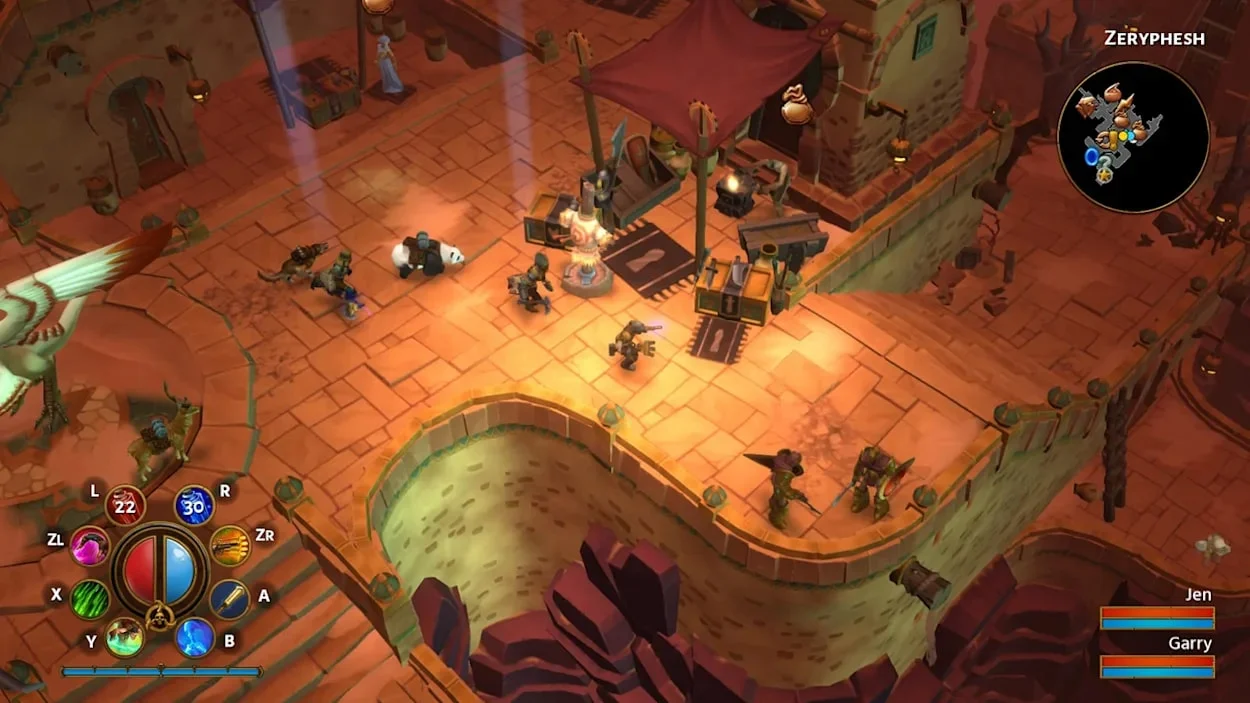
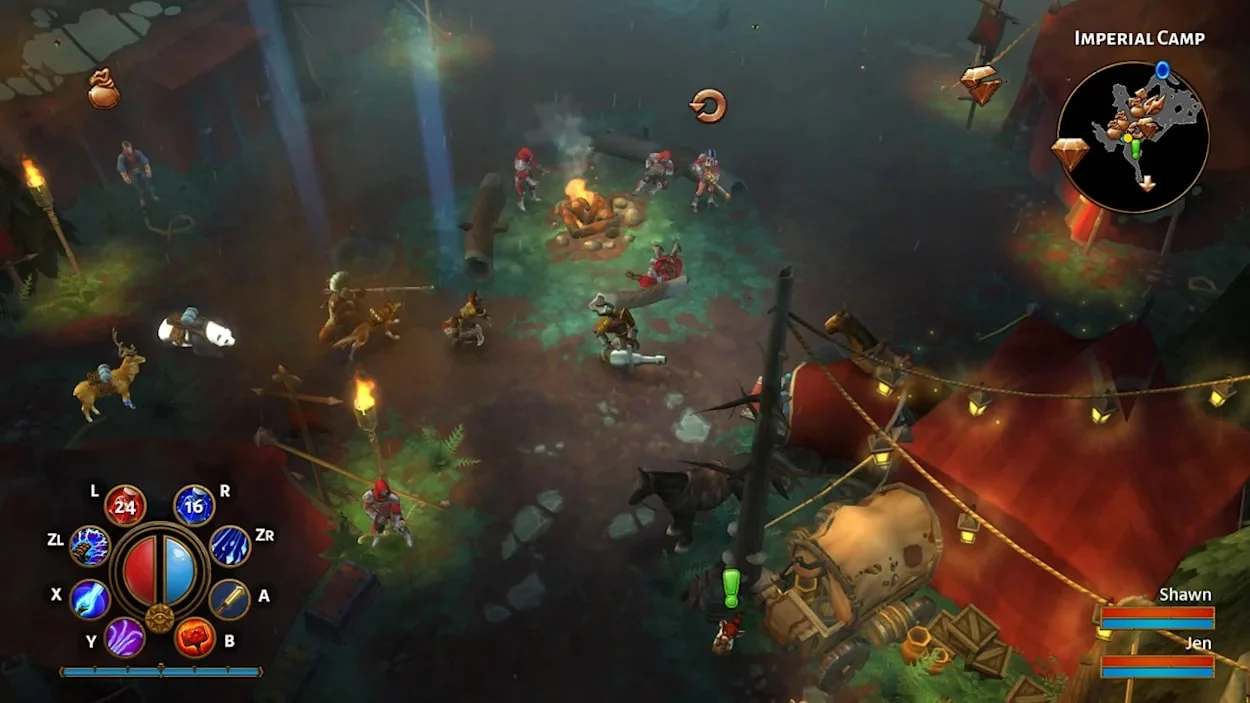
The game also reaches beyond enclosed dungeon rooms. Expansive overworld areas connect the adventure to broader environments, while treacherous caverns draw players back into more confined danger. Monsters, hidden secrets, and powerful challenges are spread throughout these spaces, giving exploration a purpose beyond the main route.
This balance helps the world feel active and varied. One moment may involve moving across an open region; the next may send a hero into a cavern full of enemies and potential rewards. The changing spaces fit the game’s bright visual character while preserving the danger expected from an adventure driven by corruption and escalating threats.
Why Your Pet Is a Valuable Adventuring Companion
The Torchlight II pet is more than a decorative companion. It can fight beside the player, providing useful support during combat encounters. In a game built around frequent drops and extensive loot, its other role is equally important: the pet can carry items, reducing the pressure created by a full inventory during a dungeon run.
It can also travel to town to sell items for the player. That practical feature lets an adventure continue while unwanted loot is handled elsewhere, keeping the focus on exploration and combat rather than repeated interruptions. For players who enjoy collecting gear and comparing possible upgrades, this makes inventory management feel less disruptive.
As a companion, combat helper, and mobile solution for excess items, the pet fits naturally into Torchlight II’s rhythm. It supports the parts of the game that matter most: staying in the field, finding new equipment, and pressing onward through another dangerous corner of the world.
Recommended Similar Games
 DRAGON QUEST XI S: Echoes of an Elusive Age – Definitive Edition Switch NSP XCIView Game
 FINAL FANTASY CRYSTAL CHRONICLES Remastered Edition Switch NSP XCIView Game
 Yo-kai Watch 1 for Nintendo Switch NSPView Game
 Shin Megami Tensei III NOCTURNE HD REMASTER Switch NSP XCIView Game
 Valkyria Chronicles 4 Switch NSP XCIView Game
 KATANA KAMI A Way of the Samurai Story Switch NSPView Game
