Valthirian Arc: Hero School Story Switch NSP

Report Link Error
Select the broken download file, then submit the report.
Screenshots
About Game
Valthirian Arc: Hero School Story Switch NSP places a role-playing adventure inside the responsibilities of a growing academy. Set in Valthiria, it asks players to lead a hero school, train promising recruits, send student teams into danger, and build an institution capable of answering the realm’s wider threats. Developed by Agate and published by PQube, this Nintendo Switch release arrived on October 02, 2018.
What Is Valthirian Arc: Hero School Story on Nintendo Switch?
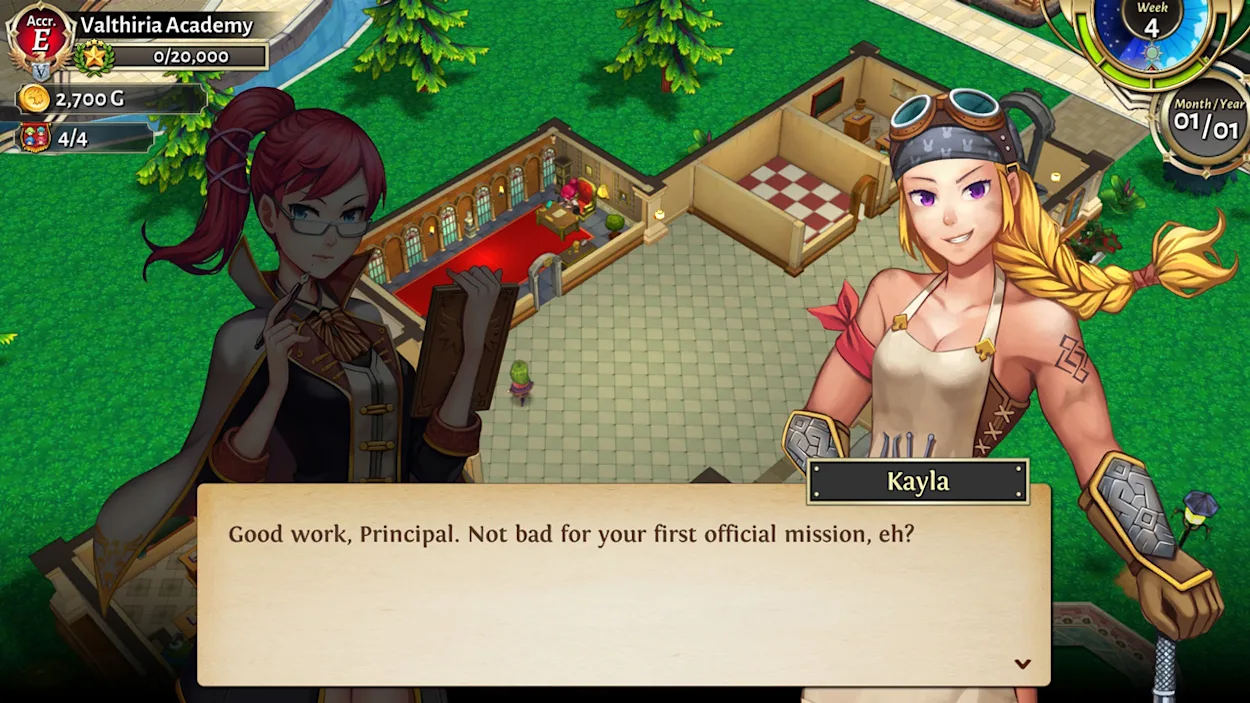
Valthirian Arc: Hero School Story Switch is a hero school RPG that combines management decisions with student-led quests and real-time combat. Rather than following a single established champion, the game centres on the academy that creates them. The principal’s work happens both inside the school and beyond its walls: facilities need attention, students need instruction, and missions must be handled by teams suited to the job.
The setting of Valthiria gives that structure a larger purpose. Dark forces threaten the realm, while hero academies serve as a vital line of defence. Students begin as recruits with potential, then gain practical experience through lessons, quests, battles, equipment, and class advancement. That blend gives each successful mission two meanings: it helps the school progress while preparing its young heroes for more serious challenges.
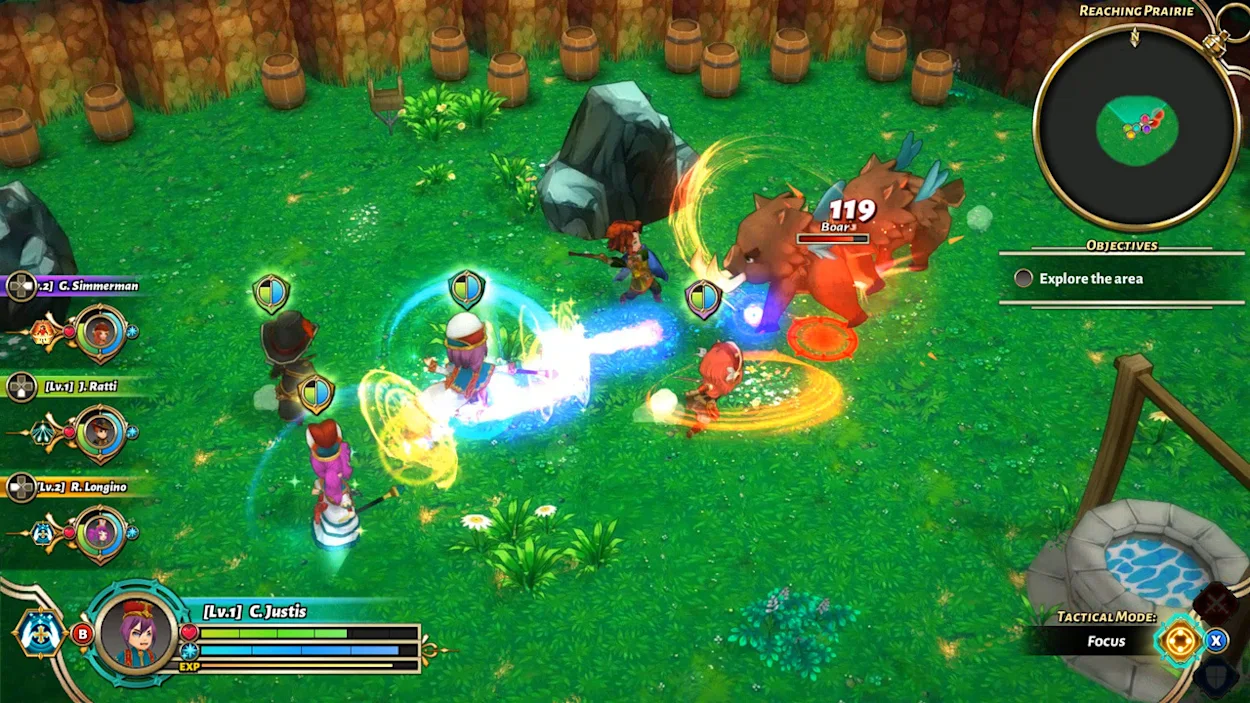
Combat unfolds in real time, with players controlling a party of students and using their distinct abilities against enemies. Classes including Knights, Mages, and Scouts provide different strengths, encouraging teams built with more than a single approach in mind. The management side supplies the long-term planning; the adventures test the results of those plans.
The Principal’s Role: Rebuilding a Hero Academy
The player begins as a newly appointed principal charged with restoring a school to a stronger position. This is not simply a matter of filling classrooms. Hero academy management involves attracting students, directing their training, maintaining resources, and improving the academy’s reputation as its graduates take on increasingly meaningful work.
The school’s standing matters beyond its own grounds. Its reputation is connected to relationships with kingdoms and factions, which can open further quests and opportunities. A mission may involve combat, such as monster hunting, but the academy can also send teams on work such as diplomatic escorts. This gives the school principal gameplay a strategic dimension: the player is preparing heroes for the realm while also deciding how the institution is seen within it.
Students are the practical measure of the academy’s success. They must be taught, equipped, and tested in the field. Their growth from inexperienced arrivals into capable heroes supports the school’s restoration, while the academy reputation reflects the consequences of its work. Progress therefore comes from balancing immediate missions with the slower task of building a dependable training environment.
Building and Upgrading Your School Facilities
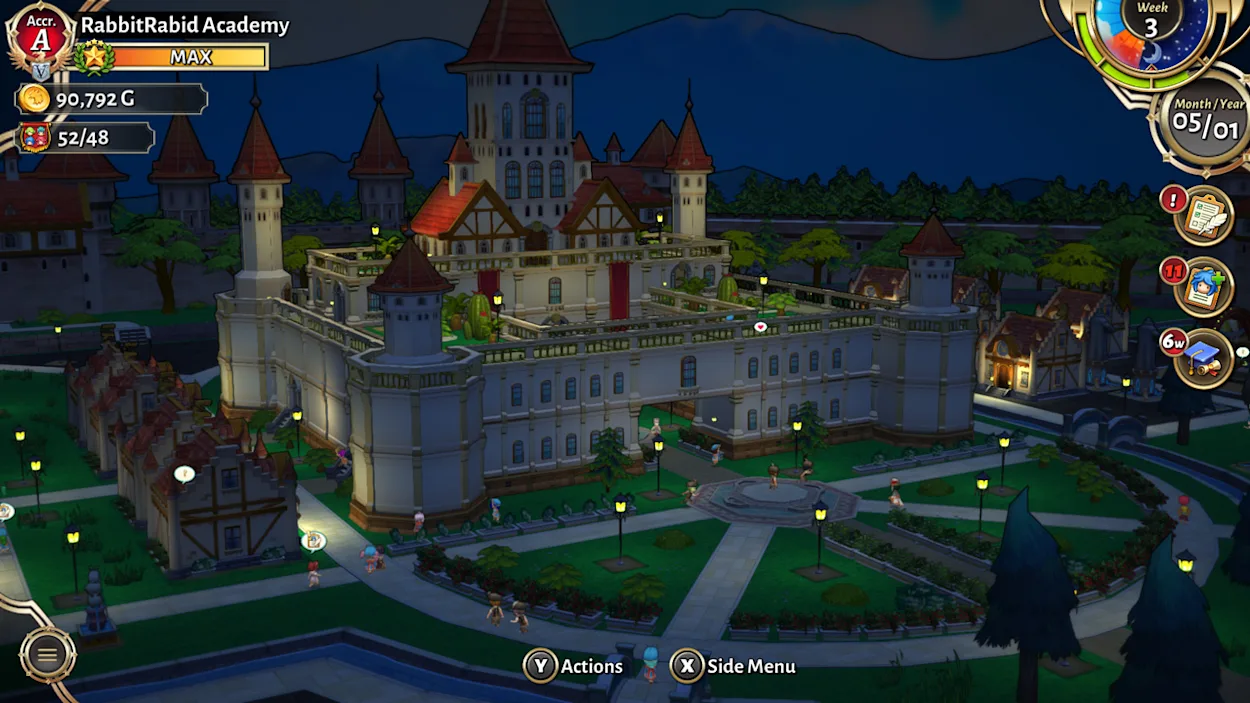
The academy is shaped through its school facilities. Classrooms, dormitories, and training grounds can be constructed or upgraded, improving the learning environment and providing benefits to student development. These spaces are not merely decorative background; they support the preparation that students need before heading into dangerous regions.
Classrooms support assigned lessons, while dormitories and training grounds contribute to the wider needs of a growing school. Improving these areas can boost student stats, making academy upgrades part of the broader progression loop. Resources gained through quests can be directed back into this structure, allowing field work to strengthen the place from which future teams will depart.
This creates a clear rhythm between planning and action. A better-equipped academy can help students develop more effectively. More capable students can complete missions, earn experience, collect loot, and return with materials. Those returns can then support further facility work or equipment crafting. The result is a school that changes alongside its roster rather than remaining a fixed menu between battles.
Recruiting Students and Shaping Their Development
Student recruitment gives the academy its personality. New arrivals have differing potential, aspirations, classes, and skill sets. Recruiting a varied group matters because different roles bring different abilities into real-time combat. Knights, Mages, and Scouts can approach encounters in distinct ways, making party selection a meaningful part of quest preparation.
Student development continues through several connected systems. Lessons provide directed training, missions add practical experience, and combat rewards successful teams with experience and loot. As students grow, they unlock skills and class advancements, extending their usefulness beyond their earliest role. Equipment also matters, since resources gathered during quests can become weapons, armour, and accessories.
The game’s hero progression is therefore tied to both classroom planning and risk in the field. Sending students out too often without sufficient preparation may leave a team poorly supported; focusing only on school development would limit the experience available through quests. The principal’s task is to balance studies with real-world assignments and let each student’s strengths guide that process.
5 Early Priorities for a Strong Hero School
- Strengthen the campus. Begin with classrooms, dormitories, and training grounds, since facility improvements support the learning environment and can boost student stats.
- Recruit a varied roster. Bring together students from different classes and skill sets, including options such as Knights, Mages, and Scouts, to create more flexible quest teams.
- Assign useful lessons. Training is a core part of student development, so lessons should work alongside each recruit’s strengths and future responsibilities.
- Take on quests. Missions provide combat experience, loot, and materials, while the range of work can include monster hunting and diplomatic escort duties.
- Turn resources into equipment. Use materials gathered through successful quests to craft weapons, armour, and accessories that improve a student team’s combat capability.
These Valthirian Arc tips reflect the game’s central loop: develop the academy, prepare a party, accept a mission, and use its rewards to support the next stage of growth. Early attention to each part of that cycle can help avoid treating combat, training, and construction as separate concerns.
Story Stakes, Diplomacy, and the Fate of Valthiria
The broader Valthiria story is driven by a land under pressure from dark forces. Hero academies exist because the realm needs trained defenders, and the player’s school becomes part of that response. Each class of recruits and every expedition has a place within that larger struggle, giving the academy’s daily work stakes beyond improving a campus.
Diplomacy and reputation also influence the school’s place in the world. Managing standing with kingdoms and factions can unlock new quests and opportunities, making relationships part of the academy’s future. Political intrigue and ancient prophecies emerge as the story progresses, adding uncertainty to the dangers confronting Valthiria.
For players interested in a role-playing game where character growth is linked to institutional growth, Valthirian Arc: Hero School Story Switch NSP offers a structured mix of management, combat, questing, and crafting. Its decisions affect the school’s reputation and the direction of its narrative, while the changing student roster and class advancement provide reasons to revisit how teams are trained and deployed. The game supports English, German, Spanish, French, Italian, and Russian, with its setting and systems built around the continuing effort to turn recruits into the heroes Valthiria needs.