Etrian Odyssey Origins Collection Switch NSP XCI

Report Link Error
Select the broken download file, then submit the report.
Screenshots
About Game
Etrian Odyssey Origins Collection Switch NSP XCI brings SEGA’s first three Etrian Odyssey adventures together on Nintendo Switch: Etrian Odyssey HD, Etrian Odyssey II HD: Heroes of Lagaard, and Etrian Odyssey III HD: The Drowned City. Released on June 1, 2023, this Adventure and Role-Playing collection centers on guild-building, careful exploration, and the steady satisfaction of turning an unknown labyrinth into a map you can trust.
What Etrian Odyssey Origins Collection Includes on Nintendo Switch
The Etrian Odyssey Origins Collection revisits the opening trilogy in remastered form. Each game sends a self-made guild into a different dangerous setting, united by the series’ focus on mysterious labyrinths and expeditions that must be planned before they begin.
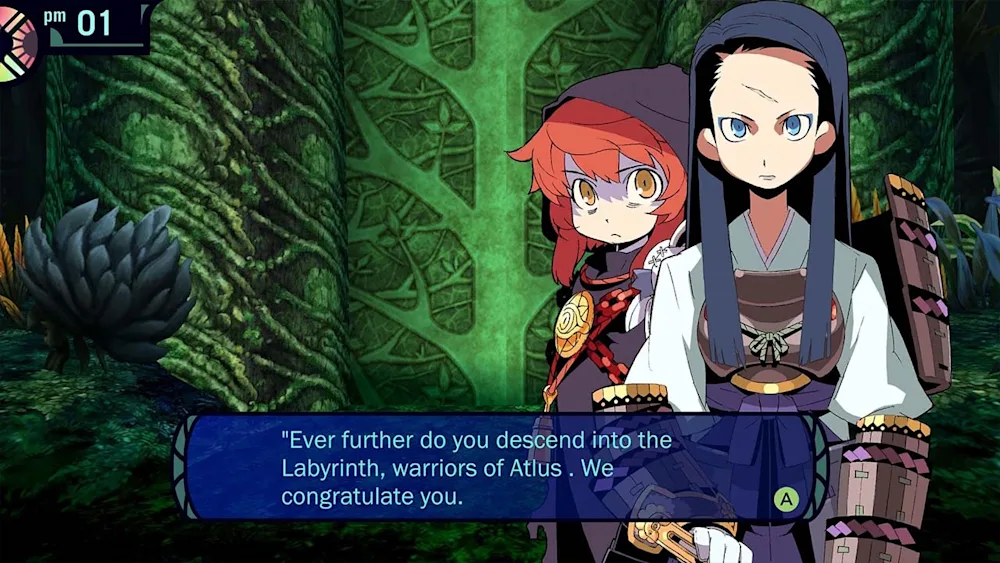
Etrian Odyssey HD follows an expedition into the original Yggdrasil Labyrinth, where the ancient tree’s deeper mysteries wait below the surface. Etrian Odyssey II HD: Heroes of Lagaard expands the journey into new areas and follows rumors surrounding an aerial castle with immense power. In Etrian Odyssey III HD: The Drowned City, the port city of Armoroad becomes the starting point for an adventure shaped by stories of a submerged city and ruins beneath the ocean.
The collection’s three campaigns share a recognizable structure while giving their settings distinct moods. Exploration is not simply a route between story scenes. The labyrinth itself is the main challenge: a place of uncertain paths, costly mistakes, and discoveries that become more meaningful because the party had to reach them one cautious step at a time.
How First-Person Dungeon Crawling Defines the Collection
These games are first-person dungeon crawlers, placing the player directly in the corridors of their maze-like environments. Movement through each floor is deliberate. A wrong turn can waste resources, while a newly found shortcut can change the rhythm of future expeditions. Multi-layered labyrinths encourage attention to the route behind the party as much as the route ahead.
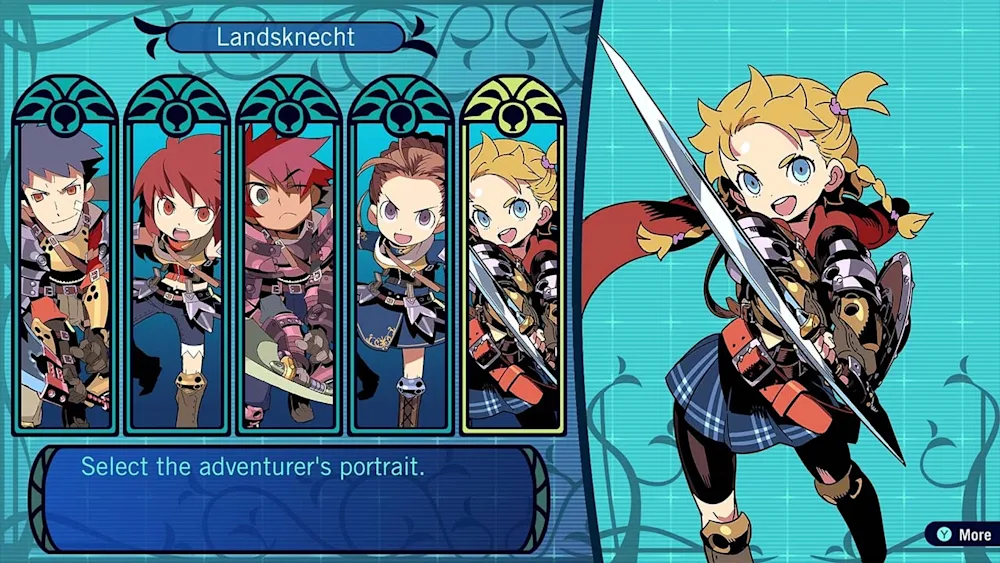
The RPG structure begins with a guild and a party assembled from different classes. Options including Landsknecht, Protector, Medic, Alchemist, and Survivalist bring different strengths and skill trees to an expedition. That makes party strategy a practical concern rather than a decorative character-building exercise. A group with healing support may endure longer, while other combinations can place more emphasis on defense, elemental attacks, or exploration utility.
Progression comes through repeated ventures into dangerous territory. The party travels deeper, earns experience, assigns skill points, and improves equipment before returning to areas that once felt overwhelming. This loop gives the collection a measured sense of advancement. Success is built from preparation, observation, and the willingness to retreat when a promising expedition starts to become too risky.
Manual Map Drawing and Why It Matters
Map drawing is central to the Etrian Odyssey identity. Rather than treating the map as a passive record, the series asks players to chart the dungeon as they go. Paths, walls, doors, traps, treasures, and notable locations can be recorded to create a useful picture of the floor.
This hands-on approach makes dungeon mapping part of the atmosphere. A blank grid suggests possibility, but also uncertainty. As it fills in, the labyrinth becomes more familiar without becoming entirely safe. Marking a hidden path or noting a dangerous corner can save an expedition later, and treasure markers provide a reason to revisit routes that might otherwise be forgotten.
The Etrian Odyssey map system also helps make navigation a form of memory. A carefully maintained chart can reveal a route around danger, preserve clues about a dead end, or show where a locked passage should be checked again after the party grows stronger. For players who enjoy methodical exploration, the act of building that record is as rewarding as reaching the next floor.
Turn-Based Battles Built Around Skills and Resources
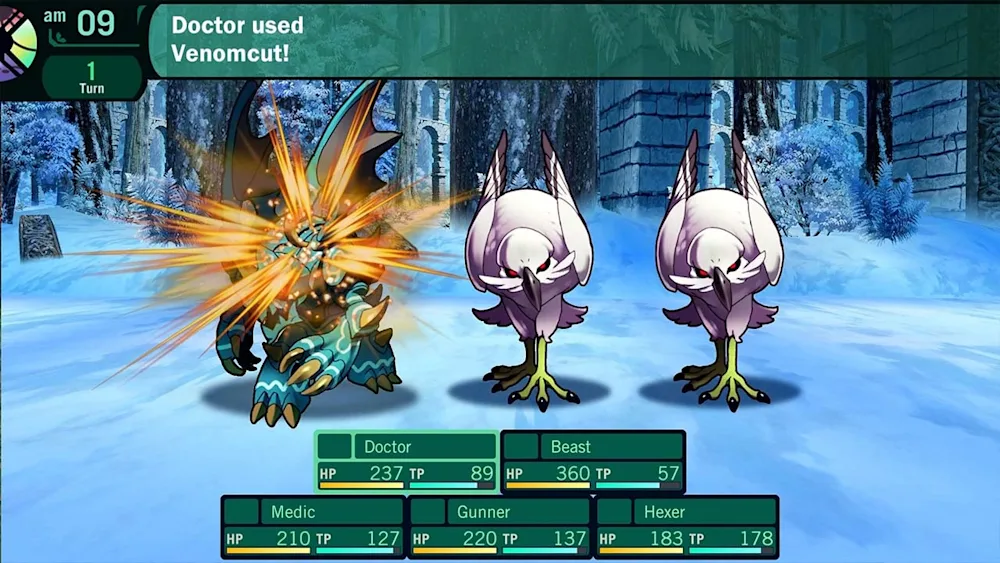
Exploration is regularly interrupted by turn-based combat, where each party member’s choices matter. Classes have their own skill options, and skill management becomes increasingly important as the labyrinth grows more demanding. A strong attack may solve an immediate problem, but using resources carelessly can leave the party exposed before it finds a safe way back.
Elemental weaknesses add another layer to RPG strategy. Identifying the right approach to an enemy can make a difficult battle more manageable, while ignoring those considerations can turn routine encounters into a drain on the party’s resources. Equipment, skill points, and party roles all feed into the same tactical question: what can this group handle now, and what should wait until later?
FOEs, or Field-On-Enemy creatures, intensify that question. These formidable enemies appear in the labyrinth and patrol fixed routes, sometimes pursuing the party. They are not simply ordinary battles with larger numbers. Their presence changes how a floor is navigated, asking players to observe movement patterns, choose when to avoid a confrontation, and recognize when more preparation is needed.
Remastered Presentation for the Origins Collection
The collection presents the trilogy with remastered graphics and a rearranged orchestral soundtrack. Those updates support the original games’ exploratory mood without changing the importance of the labyrinth, the guild, or the player-made map. The enhanced presentation gives the forests, corridors, ruins, and other mysterious spaces a clearer modern framing while retaining the series’ focus on tension and discovery.
Music is particularly important in a dungeon crawler built around repeated expeditions. The rearranged orchestral soundtrack accompanies both the quiet concentration of mapping and the pressure of battle. Together with the updated visuals, it helps the three games feel like a connected collection while allowing each adventure’s location—from Yggdrasil to Lagaard and Armoroad—to maintain its own identity.
For players approaching the trilogy for the first time, Etrian Odyssey Origins Collection Switch NSP XCI offers a structured introduction to the series’ early ideas. Returning explorers, meanwhile, can revisit familiar labyrinths in a remastered package that preserves the demanding pace of its dungeon-focused design.
6 Planning Priorities Before Entering a Labyrinth
- Build a balanced party. Choose classes with roles that complement one another, considering offense, protection, healing, elemental options, and the needs of a longer expedition.
- Review equipment and skills. Assign skill points with a purpose and make sure the guild is equipped for the dangers it is prepared to face.
- Map with useful habits. Record paths clearly, then mark traps, treasures, doors, and hidden paths so future trips do not repeat avoidable mistakes.
- Conserve resources. Treat each battle as part of a larger journey. Skills and recovery options are most valuable when the party can still safely return.
- Study enemy behavior. Pay attention to elemental weaknesses and keep an eye on FOE routes before committing to a narrow corridor or unexplored section.
- Know when to withdraw. A return to town is not a failure. It can secure progress, support guild growth, and prepare the party for the next attempt.
The collection suits players who enjoy deliberate dungeon exploration, detailed party planning, and turn-based battles that reward restraint. Its replay value comes naturally from the many possible party arrangements, skill choices, map notes, and approaches to difficult floors. The goal is not just to reach the end of a labyrinth, but to learn how it works—and to return better prepared than before.