void* tRrLM2(); // Void Terrarium 2 Switch NSP XCI
Report Link Error
Select the broken download file, then submit the report.
Screenshots
About Game
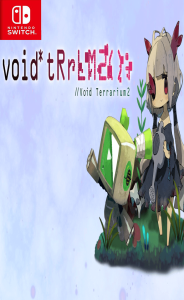
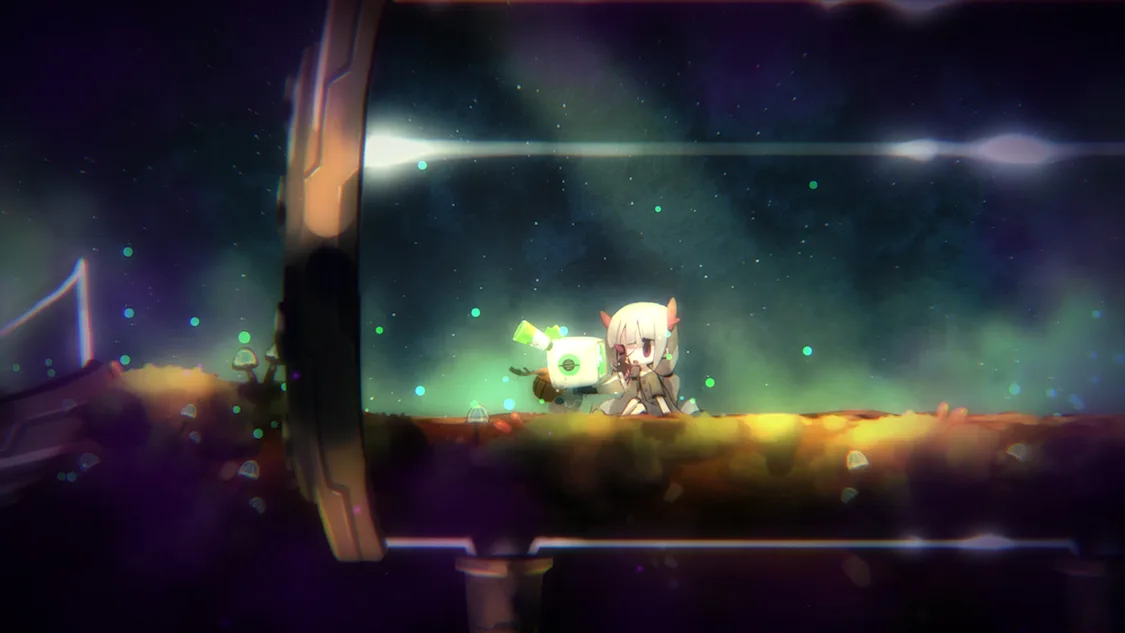
void* tRrLM2(); // Void Terrarium 2 Switch NSP XCI returns to a ruined future where survival is measured not only by what can be found in a dungeon, but by what can be brought back home. Robbie, a caretaker robot, remains responsible for Toriko, the last surviving human girl. Their story pairs hazardous expeditions with a quieter responsibility: preserving the small terrarium that protects her from the world outside.
Robbie and Toriko’s Fight for Survival
The central concern in Void Terrarium 2 is immediate and personal. Toriko’s health begins to worsen again, pushing Robbie to search toxic ruins for materials and a possible cure. The stakes are not framed around restoring the whole collapsed world. They are focused on one robot, one vulnerable girl, and the sanctuary that keeps her alive.
This gives the post-apocalyptic survival setting an intimate direction. Robbie’s trips into dangerous areas are necessary because Toriko needs food, medicine, entertainment, and a stable living environment. The terrarium is more than a base between dungeon runs; it is the place where the game’s caregiving theme becomes visible. Every useful item recovered from the ruins can be tied back to Toriko’s safety or comfort.
The sequel’s premise also leaves room for mysteries around the devastated world and Toriko’s condition. Robbie’s role is practical, but it carries emotional weight. The routine of gathering, returning, and caring reinforces the sense that progress is not abstract. It is about extending Toriko’s chances in a world that has become hostile to human life.
The Dungeon-to-Terrarium Gameplay Loop
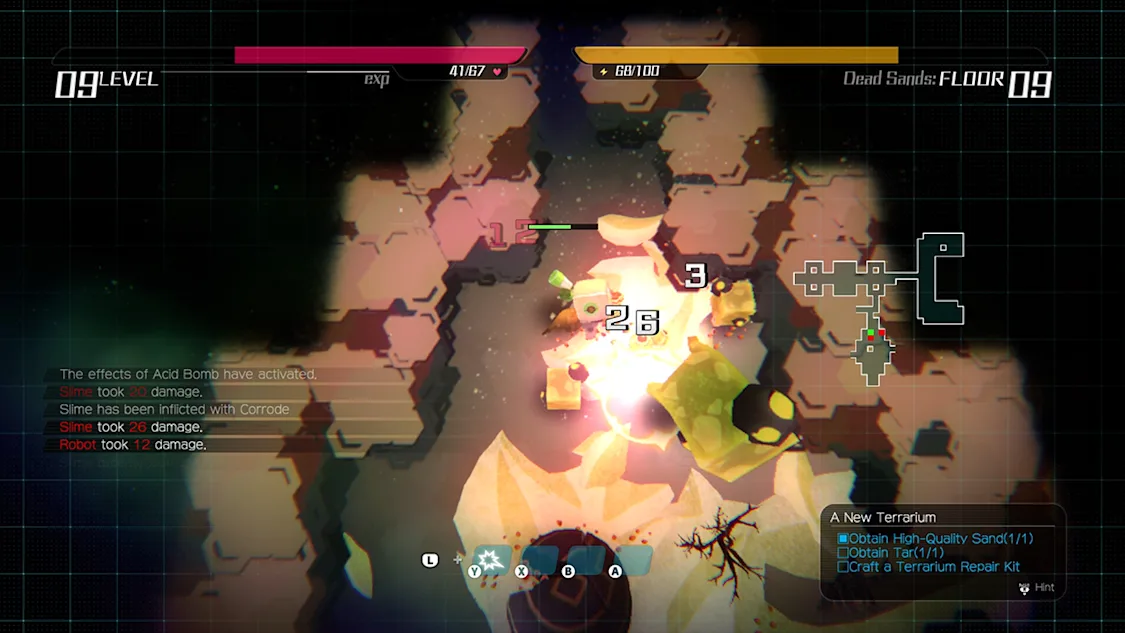
Void Terrarium 2 gameplay is built around repeated movement between procedurally generated dungeons and Toriko’s home. Robbie ventures into changing environments, battles enemies, scavenges materials, and then returns to use those supplies. The next expedition may be shaped by what was crafted, upgraded, or added to the terrarium during the previous return.
That structure gives the game a clear rhythm. Dungeon exploration supplies the resources needed for care and improvement, while terrarium management gives the exploration a purpose beyond combat. A successful run can provide materials for tools, food, equipment, or upgrades for Toriko’s living space. A difficult run may demand restraint instead: retreating can be the sensible choice when supplies, health, or available space are under pressure.
The procedurally generated dungeons support replay value because their layouts and circumstances are not simply fixed routes to memorize. Robbie must adapt to each outing, balancing the appeal of pushing farther against the need to return with enough resources. The roguelike dungeon-crawler framework therefore supports both tension and planning rather than treating every expedition as a straightforward fight.
Dangerous Ruins, Hazards, and Robotic Enemies
The toxic ruins are dangerous for more than their atmosphere. New hazards and distinctive dungeon characteristics complicate Robbie’s search, while mutated creatures and corrupted robots create direct combat threats. Boss encounters add another layer, requiring strategic thought rather than a purely aggressive approach.
This combination makes each expedition a question of risk management. Enemy patterns matter, and environmental elements can be useful when understood well. The game’s hazards also make resources feel valuable: food, healing supplies, equipment, and space in Robbie’s inventory all affect how far a run can safely go.
The setting’s desolation supports the tension of the dungeon crawl. These are not comfortable places to explore for their own sake. They are contaminated, damaged spaces where useful materials are mixed with threats, and where Robbie’s objective is always tied to Toriko’s continued well-being. For players drawn to a roguelike dungeon crawler with a strong caretaking context, that contrast is a defining part of the experience.
Upgrading Robbie for Longer Runs
Robbie’s progression is closely connected to survival in the ruins. New skills and equipment can improve combat options, while upgrades to core abilities and inventory space help make longer or more demanding runs manageable. The game also asks players to track Robbie’s hunger and energy, so preparation matters before setting out.
- Build capacity: Increasing inventory space helps Robbie bring home more materials instead of leaving useful finds behind.
- Manage reserves: Hunger and energy require attention during exploration, making supplies part of each expedition plan.
- Improve combat: Skills and equipment offer ways to strengthen Robbie against corrupted robots, mutated creatures, and bosses.
- Craft necessities: Materials can be turned into tools, food, healing supplies, and terrarium improvements.
- Know when to return: Retreating from a difficult dungeon can protect valuable resources and keep Toriko’s needs from being neglected.
The available progression encourages experimentation with equipment combinations and careful use of collected materials. “Robbie’s Memory” is also used to upgrade his stats strategically. Rather than presenting upgrades as a separate reward track, the game connects them to the next run: better preparation can mean more resources recovered, which in turn can support additional upgrades and terrarium care.
Terrarium Customization and Function
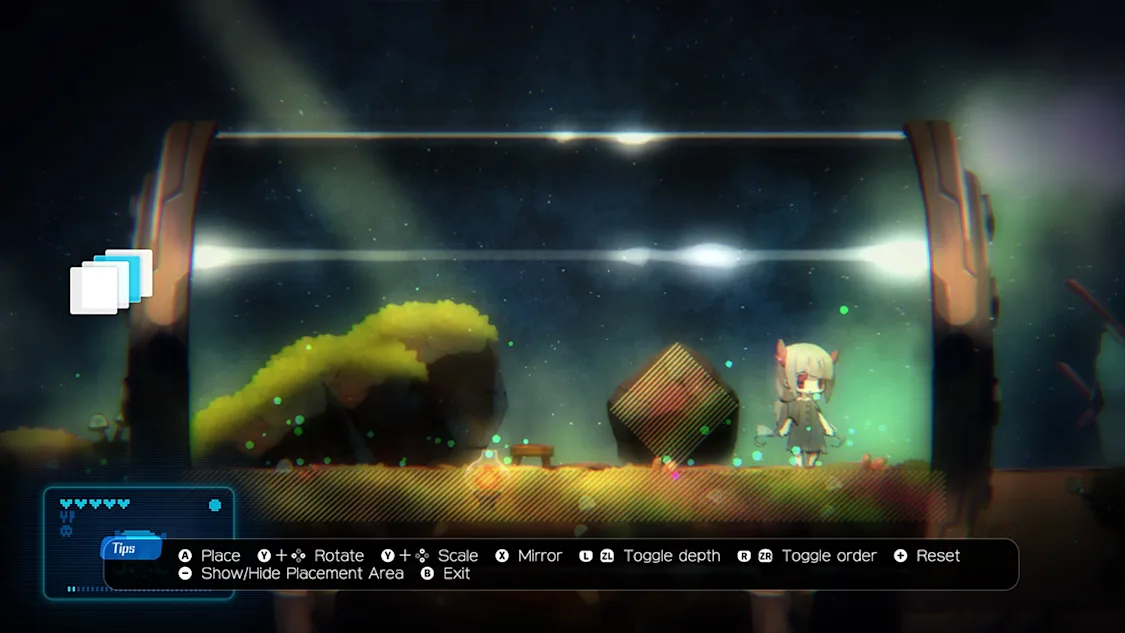
Terrarium customization has a practical and thematic role. Decorations allow Toriko’s sanctuary to feel more personal, while functional upgrades contribute to the work of maintaining her environment. The space reflects the unusual relationship at the center of the game: Robbie is not only an explorer and fighter, but also Toriko’s caretaker.
That makes collected materials meaningful in two different ways. Some items help Robbie endure the ruins, while others improve the life waiting for him after he returns. Providing Toriko with food, medicine, and entertainment is part of the same cycle as crafting new tools or equipping Robbie for danger.
The result is a progression system that remains rooted in the game’s emotional premise. A new terrarium decoration is not merely cosmetic in context; it is part of shaping the only sanctuary available to Toriko. Functional additions and personal touches give the home space a role distinct from the threatening dungeons beyond it.
Void Terrarium 2 Release and Switch Details
void* tRrLM2(); // Void Terrarium 2 Switch NSP XCI was released on June 30, 2022. It is classified as an RPG and role-playing game, with Nippon Ichi Software serving as both publisher and developer. The listed regions are Europe, USA, and Japan, and the listed language is Japanese.
For Nintendo Switch reference, the title ID is 0100ED70186FC000. The listed firmware information is Base – v14.1.1 and Update – v14.1.2, while the stated file size is 1.4GB.
Void Terrarium 2 is suited to players interested in procedurally generated dungeon runs that feed into resource management and a focused caregiving story. Its appeal lies in the pressure between leaving safety to search for answers and returning with enough to keep Toriko’s small world alive.