Death or Treat Switch NSP
Report Link Error
Select the broken download file, then submit the report.
Screenshots
About Game
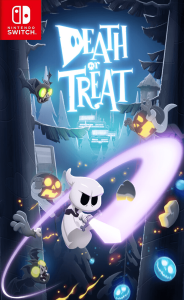
Death or Treat Switch NSP presents a Halloween adventure built around fast action, repeat attempts, and a playful ghostly setting. Released in Europe on July 12, 2023, this action, adventure, and platformer title from Perpetual Europe follows Hack, a ghost entrepreneur determined to protect Halloween from a corporation that has turned treats into something bland and mass-produced.
A Roguelite Hack-and-Slash Adventure with a Halloween Identity
Hack runs Ghost Mart, a business devoted to making treats for Halloween. That work is threatened when Monocorp begins distributing soulless sweets that put the season’s fun and tradition at risk. The premise gives the game a clear seasonal identity, but its world is not limited to lighthearted Halloween imagery. Hack’s journey leads through dangerous realms populated by grotesque enemies, haunted districts, hidden lore, and increasingly demanding bosses.
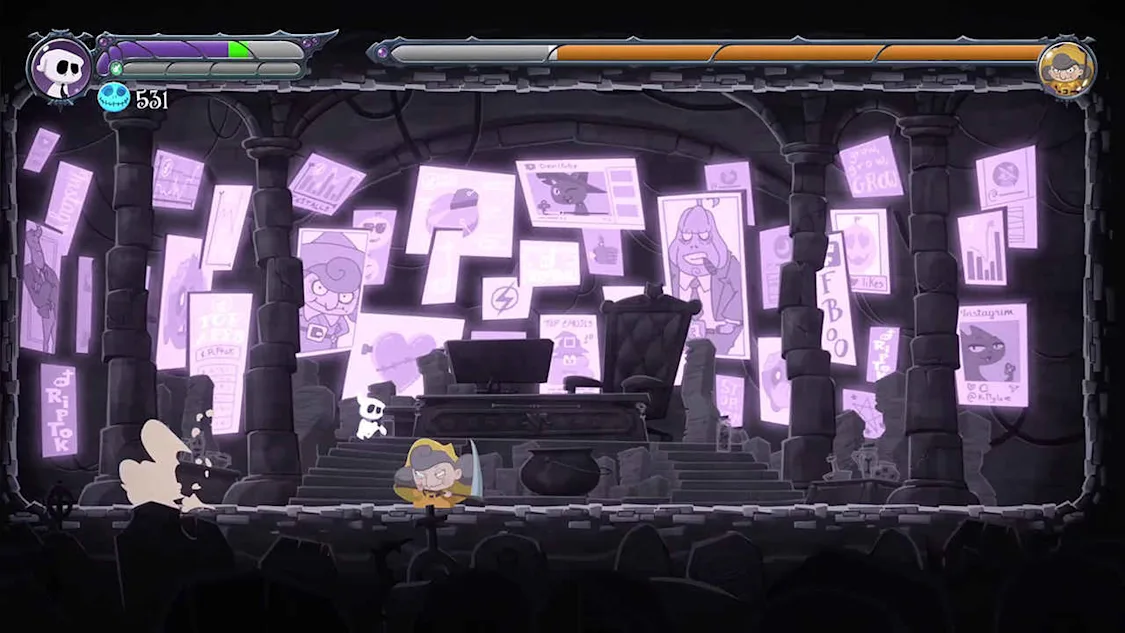
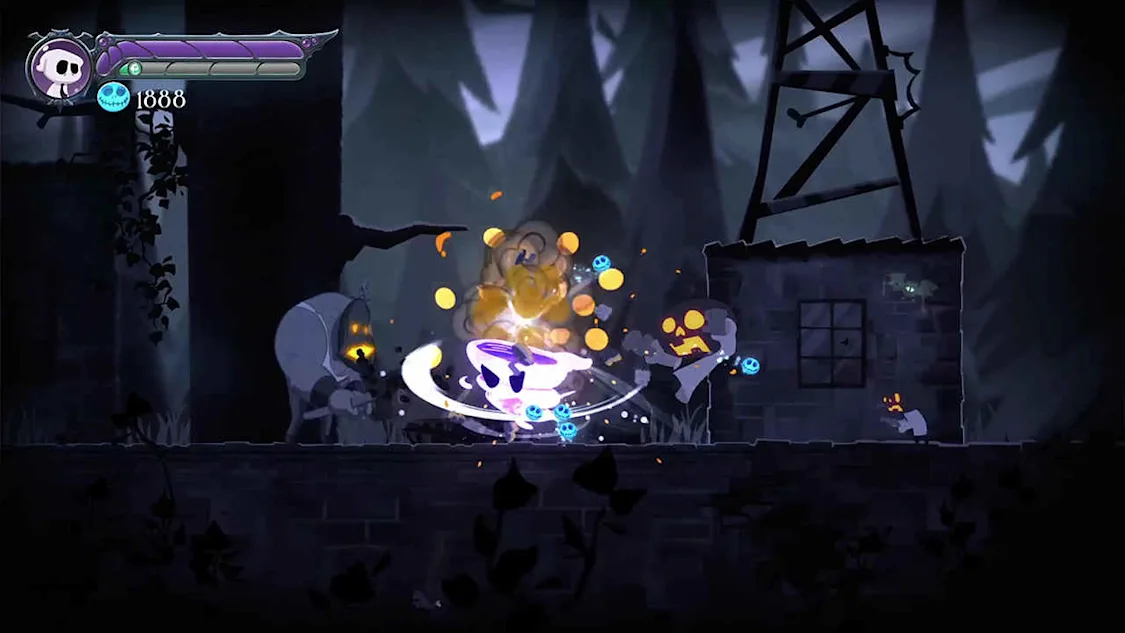
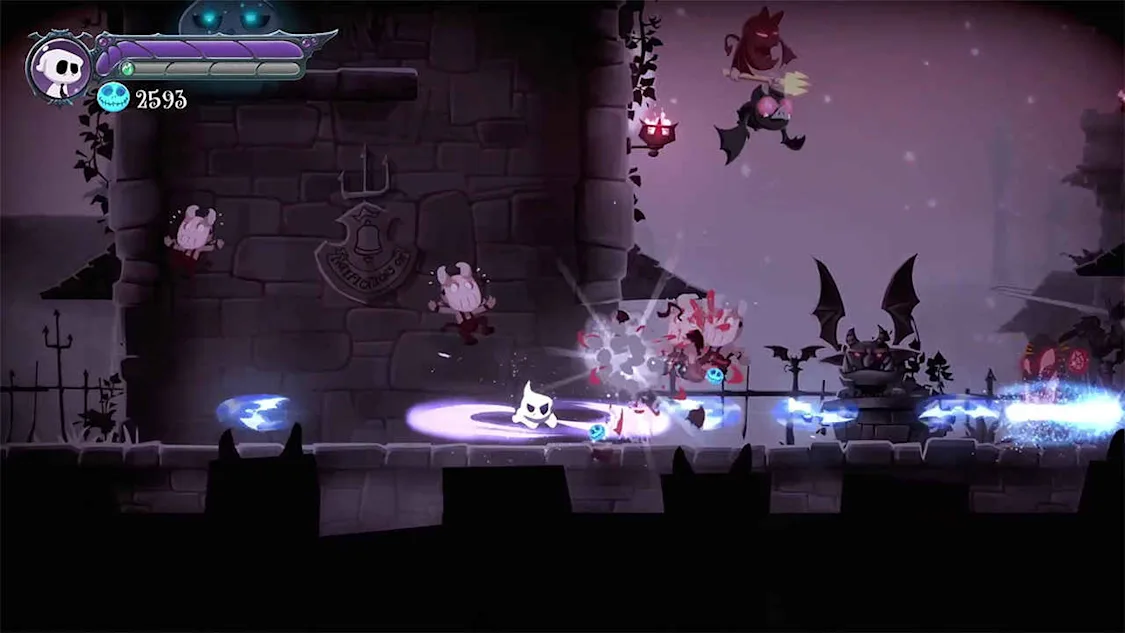
The result is a roguelite action game with a strong visual and thematic direction. Hand-painted 2D environments and fluid animations support a world that is spooky without losing its whimsical edge. The adventure structure, platforming, and hack-and-slash combat all serve Hack’s larger mission: uncover Monocorp’s motives, confront its forces, and restore the spirit of Halloween.
For players who enjoy a Halloween adventure that mixes colorful presentation with repeatable combat challenges, the setting gives every run more personality than a simple sequence of battles. Ghost Mart also gives the game a useful home base for crafting and equipment improvement, tying the narrative of treats and business back into progression.
How Procedurally Generated Runs Shape Every Attempt
Death or Treat gameplay is shaped by procedurally generated levels. Their layouts change from run to run, so exploration is not entirely fixed after an initial visit. A familiar district can ask for a different route, reveal a new encounter order, or place rewards in places that encourage a more careful search.
That changing structure supports the roguelite runs at the center of the experience. Combat remains important, but each attempt also becomes an opportunity to find crafting ingredients, weapon upgrades, magical abilities, and valuable loot. A run can reward bold fighting, though it can also reward attention to side paths and resource management.
- New routes: Procedurally generated layouts can change how a district is explored on each attempt.
- Fresh rewards: Loot, ingredients, abilities, and upgrades give repeated runs practical reasons to search thoroughly.
- Rising pressure: The increasing difficulty asks players to make better use of what they discover.
- Useful returns: Permanent progression means an unsuccessful run can still contribute to Hack’s future strength.
- More to uncover: Secret rooms and lore add a discovery-focused layer beyond the immediate fight.
This structure gives replay value a tangible purpose. Repetition is not just about trying again; it is about learning the game’s demands, adapting to altered level arrangements, and building a better foundation for the next effort.
Fast Combat, Enemy Patterns, and Strategic Dodging
The combat in Death or Treat Switch NSP is fast-paced hack-and-slash action, and quick reflexes matter. Hack faces waves of ghoulish enemies in encounters that reward a measured response rather than blind aggression. Observing enemy patterns helps identify when a foe is vulnerable, when an attack is likely to arrive, and when there is room to reposition.
Dodging is especially important during challenging encounters. Choosing the moment to strike can be more valuable than simply staying close to an enemy, particularly as the game’s difficulty increases. This gives the action gameplay a strategic rhythm: watch, evade, create an opening, then commit to an attack.
Boss battles make that rhythm more pronounced. Each intimidating boss has distinct patterns to learn, turning encounters into tests of recognition and timing. Players who study those patterns can make better decisions about movement, attack windows, and the tools they bring into the fight.
Weapons, Magical Abilities, and Build Experimentation
Weapons and magical abilities give Hack multiple ways to approach a run. New finds can change the feel of combat, while weapon upgrades offer another reason to experiment rather than rely on a single method. The game encourages players to work with the equipment and spells they discover, then adjust their approach to the enemies and challenges ahead.
Crafting is part of that process. Ingredients collected during exploration can be used at Ghost Mart to craft new items and upgrade equipment. This connects moment-to-moment exploration with longer-term preparation: a useful discovery in one area may become part of a stronger setup for a later attempt.
The appeal of combat builds comes from adaptation. Some weapon types may be more effective against certain enemies, while magical abilities can provide powerful options when the pace of a fight changes. Instead of treating every run as identical, the game gives players reasons to consider what they have found and how it fits their immediate needs.
Hidden Passages, Secret Rooms, and Haunted District Lore
Exploration is more than a route between combat arenas. Hidden passages and secret rooms can contain valuable loot, creating an incentive to look beyond the most obvious path. These discoveries can matter in a roguelite structure where upgrades, ingredients, and useful resources help determine how far a run can go.
The haunted districts also hold lore connected to the wider conflict with Monocorp. As Hack advances, the game reveals more about the corporation’s actions and the secrets spread throughout its world. That narrative material gives exploration a second function: players are not only searching for an advantage in battle, but also piecing together the reasons behind Halloween’s crisis.
The hand-painted presentation helps support this sense of place. It gives the districts a crafted 2D look while the game’s fluid animation keeps movement and combat active. For players drawn to spooky worlds with secrets tucked into their environments, this combination of visual atmosphere and practical rewards is a meaningful part of the adventure.
Boss Battles and the Value of Permanent Progression
Death or Treat bosses provide major checkpoints in Hack’s fight against Monocorp. Their distinct patterns demand attention, and the increasing challenge makes the lessons learned in earlier encounters useful. A successful boss attempt depends on more than raw speed; it asks players to understand movement, dodging, attack opportunities, and the strengths of their chosen equipment.
Permanent upgrades make the roguelite progression more forgiving without removing the need for skill. Hack can grow stronger across attempts, so even a run that ends early may still provide ingredients, knowledge, or progress that improves the next one. This gives failure a constructive role and helps keep the climb toward tougher areas from feeling static.
The game is well suited to players looking for a demanding but accessible mix of platforming, exploration, and action. Its Halloween identity, procedural variety, secret-filled environments, equipment experimentation, and permanent growth create a focused loop for those who enjoy learning through repeated runs rather than expecting every challenge to be solved on the first try.