Distrust Switch NSP

Report Link Error
Select the broken download file, then submit the report.
Screenshots
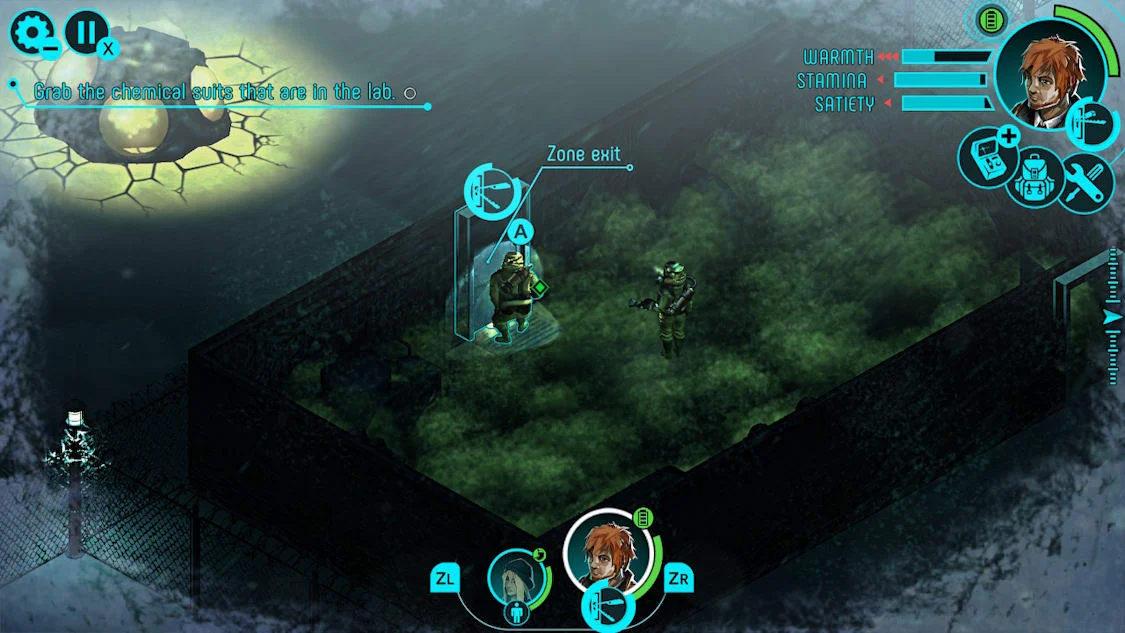
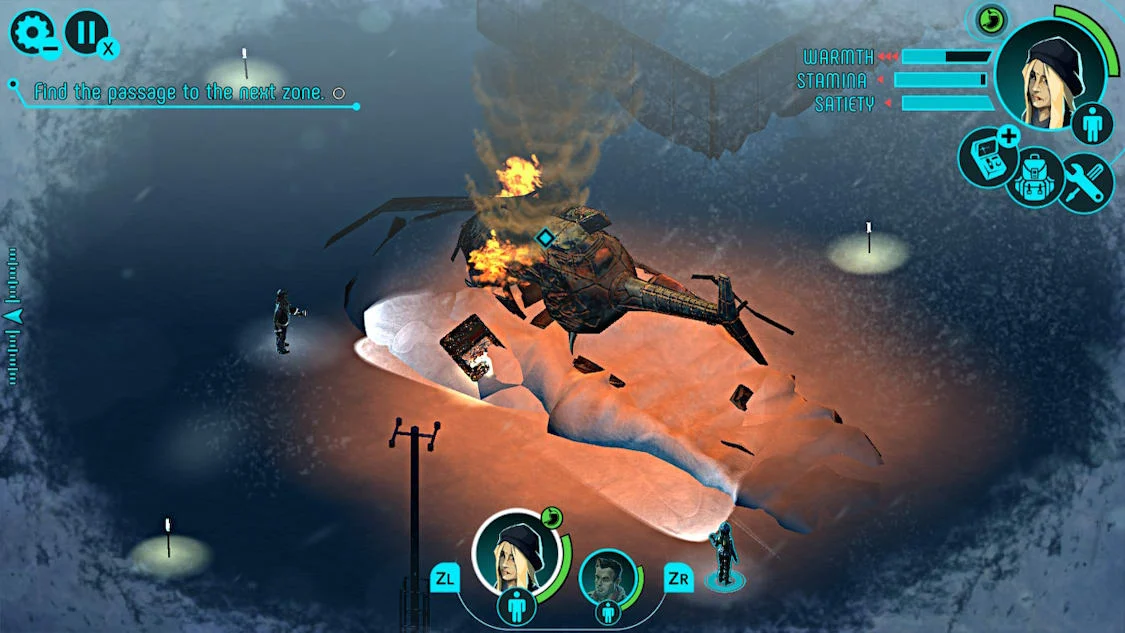
About Game
Distrust Switch NSP places survival inside an Arctic research base where a helicopter crash has left a small group stranded amid snow, isolation, and an alien anomaly. Released in the USA on July 16, 2019, this 497 MB Adventure game from Alawar Premium turns practical resource decisions into a source of tension: food, water, sleep, tools, and trust all matter when the base itself seems increasingly unreliable.
Managing Hunger, Thirst, and Survivor Sanity
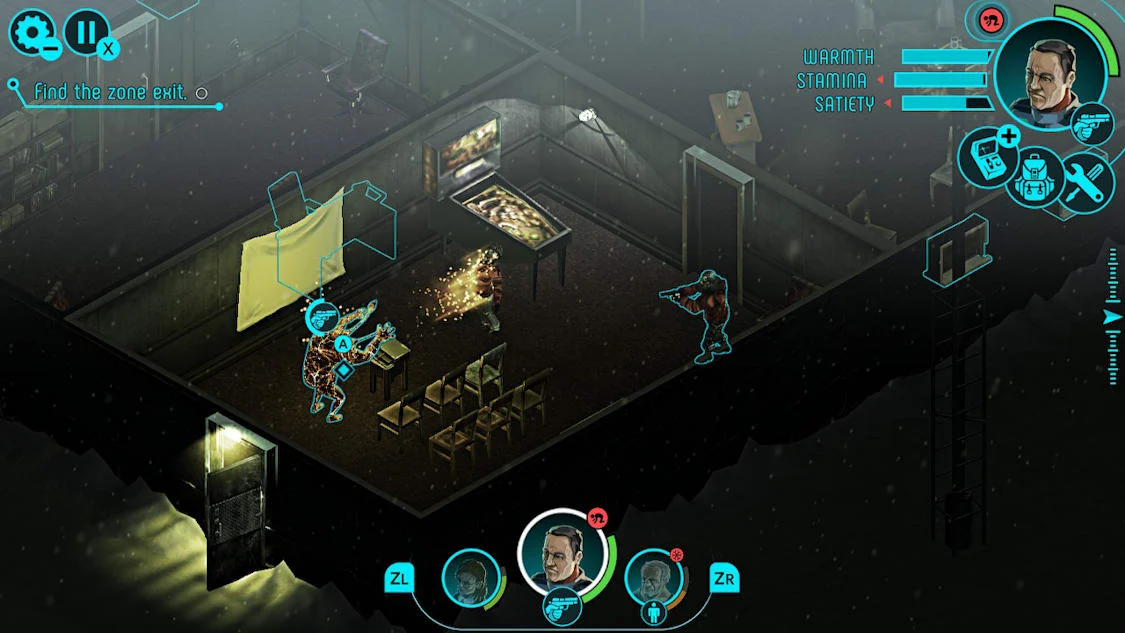
The pressure in the Distrust Switch NSP gameplay loop comes from watching several needs at once. Hunger and thirst require regular attention, while sleep is especially dangerous to neglect. A survivor pushed too far without rest can lose sanity, suffer harmful effects, and become less dependable when their abilities are needed most.
That makes supplies more than simple pickups. Food, drink, and crafting components must be weighed against immediate needs and future risks. Using an item now may stabilize a character for the next room or puzzle, but it can also leave the group short later. The game’s survival systems encourage caution because an avoidable shortage can undermine a plan that otherwise looked sound.
Sleep creates the sharpest dilemma. Rest helps preserve sanity, yet sleeping too much carries its own threat: alien entities can find the survivors. The intended rhythm is not carefree recovery, but carefully judged breaks in places that appear safe enough. This tension between exhaustion and exposure gives routine management a psychological edge.
Using Each Survivor’s Skills as a Team
Distrust Switch NSP characters are not interchangeable. The survivors have distinct strengths and vulnerabilities, so progress depends on assigning tasks with some thought rather than treating the group as a single unit. A doctor and a mechanic illustrate the kind of role-based planning the game supports, with individual skills helping the team confront obstacles, puzzles, and the harsh conditions of the base.
Switching between survivors adds another layer to resource planning. The right character may be needed for a particular task, but that person also has needs that cannot be ignored. A capable specialist who is hungry, thirsty, exhausted, or slipping into paranoia may no longer be the reliable answer to a problem. Team management therefore means preserving useful people as well as finding useful items.
Crafting reinforces this shared responsibility. Scavenged materials can become essential tools and items for the escape effort, while environmental puzzles open the way into new areas. The strongest approach is usually measured coordination: send survivors where their abilities make sense, keep their condition under control, and avoid creating a situation where one weakened character leaves the whole group stalled.
Exploring a Procedurally Generated Frozen Base
The research base is the game’s central survival space, but its layout and challenges are not fixed in the same way each time. Distrust Switch NSP procedural generation changes the conditions of exploration across playthroughs, giving scavenging and route planning a less predictable character. Familiarity with the broad survival rules helps, but it does not guarantee that supplies, useful paths, or problems will appear in the same places.
That uncertainty suits the Arctic setting. The base is an enclosed refuge from the frozen wasteland, yet it is not truly comforting. New rooms may offer resources, clues, crafting opportunities, or access to further areas; they may also demand supplies and expose the group to additional danger. Exploration is consequently a calculation between potential reward and the condition of the team making the trip.
Procedural variation also supports replayability. A successful run is not merely about memorizing a route. Players must adapt to the resources available, the survivors under their control, and the evolving shape of the base. The game’s tension comes from making decisions with incomplete certainty, an approach that fits a setting where reality has been disturbed by an unknown force.
Paranoia, Illusions, and the Psychological Horror Element
The alien anomaly does more than threaten the survivors physically. It affects reality around the base, observing and learning while creating illusions that erode confidence in what is seen. This gives Distrust Switch NSP paranoia a mechanical role as well as an atmospheric one. Sleep deprivation can intensify hallucinations and negative effects, turning fatigue into a problem that changes perception.
The psychological-horror element is restrained by the survival framework: fear is tied to decisions players must make. A survivor needs rest, but rest can invite danger. The group must explore for supplies and clues, but the deeper it goes into the base, the more room there is for uncertainty and error. The question of whom to trust becomes part of the mystery rather than a decorative story theme.
Alien entities are described as adaptable, learning from the group’s actions and making encounters feel less routine. Alongside the frozen setting and the isolation of the research facility, that helps maintain a mood of suspicion. The base can contain what the survivors need to escape, but it also holds the evidence of what happened to those who were there before.
5 Survival Priorities for a First Escape Attempt
- Protect rest carefully. Watch sleep before exhaustion drives survivors toward paranoia and hallucinations, but avoid treating sleep as a risk-free solution when entities may locate the group.
- Conserve every supply. Food, water, and crafting materials have continuing value, so use them with a clear purpose instead of consuming or spending them casually.
- Match people to problems. Use survivor skills strategically, including specialist roles such as doctor and mechanic, while keeping those characters healthy enough to contribute.
- Read the environment. Observe rooms, obstacles, and clues in the research base before committing the group to a route or using limited resources.
- Explore with caution. New areas can provide tools, puzzle solutions, and progress, but pushing outward without enough supplies or safe rest can turn a useful expedition into a crisis.
Choices, Clues, and Multiple Endings
Escape is not presented as a simple march toward an exit. The survivors uncover clues concerning the anomaly and the base’s previous inhabitants, gradually building an understanding of the disaster around them. Story choices and survival success affect how much of that mystery becomes clear, as well as the fate of the people attempting to leave.
Multiple endings give those decisions lasting weight. The outcome depends not only on uncovering research base clues, but also on practical survival: keeping characters alive, managing their condition, and reaching the necessary points of progress through an unstable environment. That relationship between narrative discovery and survival outcomes gives repeated attempts a reason to matter.
With English, Japanese, German, Korean, Russian, and Chinese language support, the game is suited to players looking for a compact survival adventure built around resource management, procedural exploration, and psychological unease. Its firmware requirement is 8.0.1, while its strongest appeal lies in the uneasy balance it asks players to maintain: stay awake too long and the mind begins to fail; rest too freely and something else may find you.