SpongeBob: Krusty Cook-Off Switch NSP
Report Link Error
Select the broken download file, then submit the report.
Screenshots
About Game
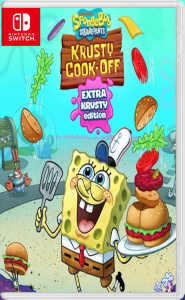
SpongeBob: Krusty Cook-Off Switch NSP brings Bikini Bottom’s food business to Nintendo Switch in a colorful simulation game built around speed, service, and increasingly demanding restaurant shifts. Released on April 29, 2021, the game was developed by iLLOGIKA and published by Tilting Point, placing SpongeBob SquarePants behind the counter as Mr. Krabs looks beyond the familiar Krusty Krab.
Bikini Bottom’s Restaurant Expansion Sets the Story in Motion
The SpongeBob Krusty Cook-Off story begins with Mr. Krabs pursuing a larger business plan. Rather than limiting his ambitions to the Krusty Krab, he wants to build a broader restaurant empire across Bikini Bottom. That decision gives SpongeBob a central role: the dependable fry cook is tasked with preparing food, serving customers, and helping new venues get off the ground.
The premise turns the city’s recognizable cartoon setting into a chain of culinary destinations. As players unlock new restaurants, SpongeBob’s responsibilities grow along with Mr. Krabs’ ambitions. The focus remains on running busy food counters rather than on a complicated narrative, but the expansion gives progression a clear purpose. New locations, dishes, equipment, and customer types make each step through Bikini Bottom restaurants feel connected to the larger business push.
Its presentation is rooted in the animated world of SpongeBob and his friends. Familiar faces appear among the customers, while the restaurant settings provide the bright, playful backdrop for each shift. The tone is light, yet the work itself becomes increasingly busy as service demands pile up.
Fast-Paced Cooking Built Around Timing and Multitasking
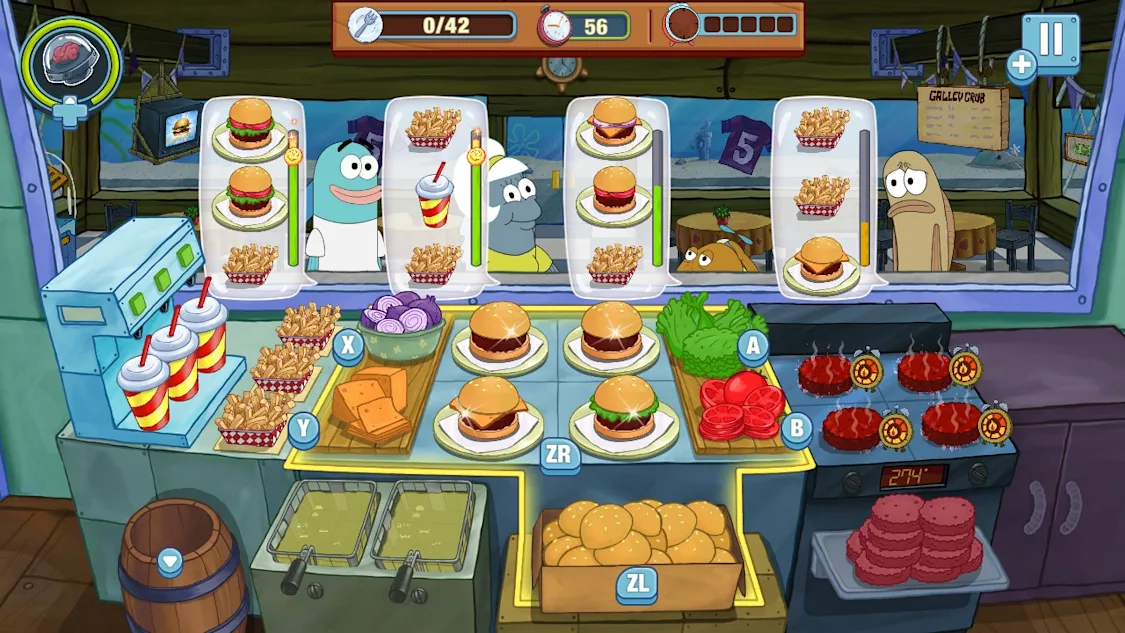
SpongeBob Krusty Cook-Off gameplay follows a direct time-management cooking game structure. Customers arrive with orders, players select ingredients and cooking stations, food is prepared, and finished meals must be served before patience runs out. The individual actions are straightforward, but the pressure comes from handling several orders at once.
Kitchen flow matters because stations cannot be treated in isolation. A player may need to cook one item while assembling another order and watching a third customer’s patience meter. Fast-paced kitchen action depends on making quick decisions without losing track of what is already cooking, what still needs ingredients, and which customer is most likely to leave.
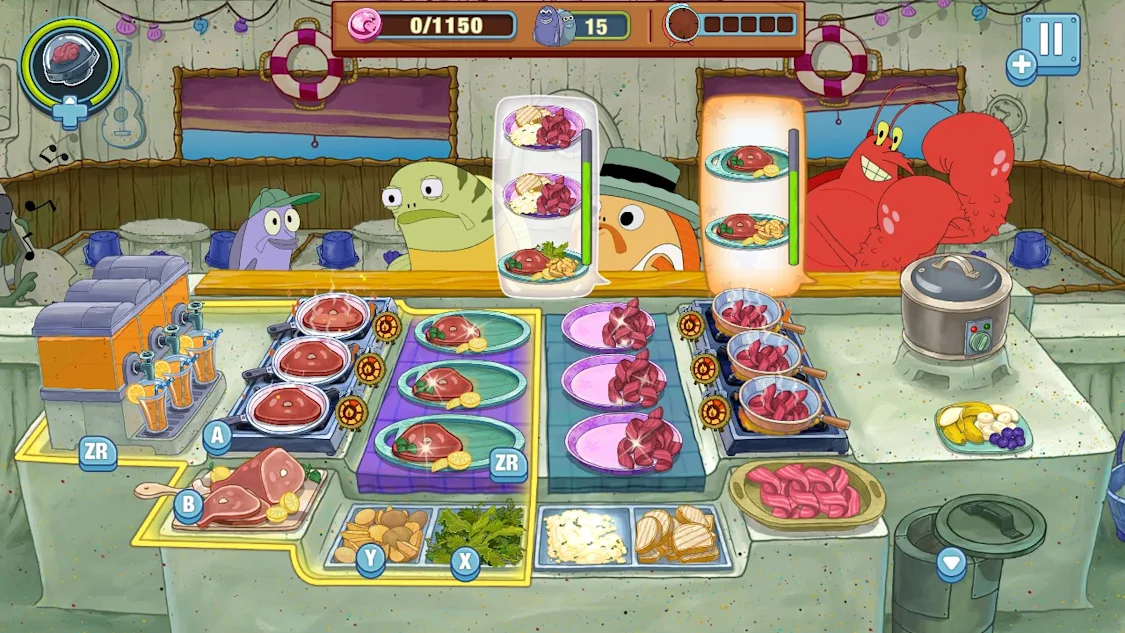
Each stage can introduce fresh demands through new dishes, equipment, and customer types. That structure keeps the core loop familiar while asking players to adapt. The goal is not merely to tap through orders quickly; it is to create an efficient rhythm between preparation, cooking, and serving. Smart upgrades support that rhythm by improving cooking speed and food quality, helping SpongeBob keep the counter moving during more crowded stretches.
From Krabby Patties to New Dishes: Managing the Menu
The Krusty Cook-Off menu starts from food associated with the Krusty Krab, including Krabby Patties, but it does not stay fixed there. Hot dogs are also part of the order lineup, and additional SpongeBob cooking recipes appear as players progress. The changing menu is important because it gives later levels more to manage than a single familiar dish.
Memorizing recipes becomes useful as new combinations enter the routine. A player who knows what an order requires can move directly between ingredients and stations rather than pausing to work out the next step. That knowledge becomes more valuable when several customers arrive close together, each waiting for a different meal.
The menu progression also supports the game’s restaurant expansion theme. New venues are not just visual changes; they bring new culinary work and equipment into the mix. The result is a cooking format that remains approachable while gradually asking for better memory, quicker reactions, and more confident multitasking.
Customer Patience Makes Every Order a Priority Decision
Customer patience meters give order management much of its urgency. Every customer is waiting, but not every customer can wait equally long. When a meter is running low, that order needs attention before the customer becomes too annoyed and leaves without paying.
This creates a practical hierarchy during busy service. A meal that is easy to finish may be worth completing first if its customer is close to leaving, while another order can wait if there is still time on the meter. Watching these indicators is a major part of SpongeBob Krusty Cook-Off tips because speed without prioritization can still lead to missed earnings.
Customer satisfaction affects both tips and coins, so keeping diners happy is more than a score-chasing concern. It supports the resources needed for upgrades and continued improvement. The game’s tension comes from this steady trade-off: prepare enough food to stay ahead, but do not let the most impatient customers slip away while the kitchen is occupied elsewhere.
Special Events and Challenges Add Reward-Focused Goals
Restaurant progression is not the only source of goals. Special events and Krusty Cook-Off challenges give players additional objectives alongside the main sequence of locations and recipes. These activities offer exclusive rewards, providing another reason to return to the kitchen beyond simply unlocking the next restaurant.
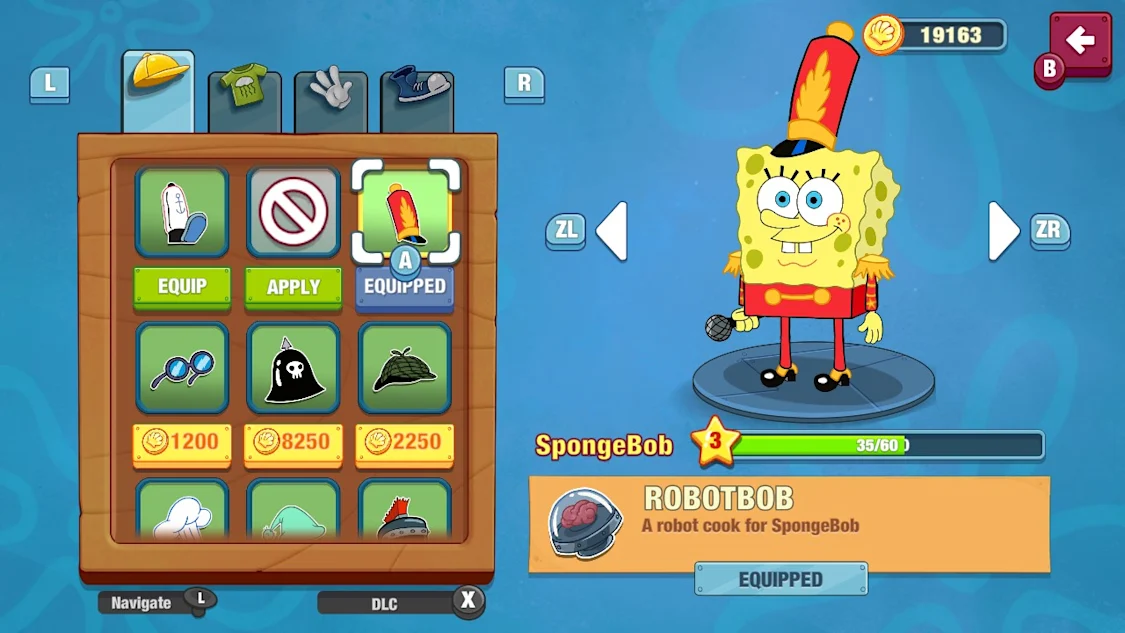
That reward structure fits the game’s quick, repeatable format. Individual shifts are built around clear performance pressures—fast service, satisfied customers, and efficient preparation—while special activities offer focused opportunities to pursue extra items. SpongeBob can also be customized with outfits and accessories, adding a personal element to the restaurant routine.
For players who enjoy accessible cooking games with a cartoon setting, the appeal lies in refining familiar stages and becoming more efficient as the demands increase. The game is available with English, German, Spanish, French, Italian, and Russian language options, matching its broad, approachable presentation.
7 Practical Ways to Improve Your Kitchen Flow
- Watch the shortest meters. Serve customers with low patience first when possible, since losing them can mean losing payment and satisfaction.
- Upgrade early. Improve the grill and other appliances to reduce cooking time and support faster service during tougher stages.
- Learn each recipe. Memorizing Krabby Patties, hot dogs, and later dishes helps prevent hesitation when several orders arrive together.
- Prepare with purpose. Use ingredients and cooking stations efficiently so that food is ready without creating unnecessary delays elsewhere in the kitchen.
- Save power-ups for rushes. Power-ups are most useful when demand peaks and normal kitchen flow is under the greatest pressure.
- Decorate the restaurant. Decorations can increase customer patience and tip earnings, giving busy shifts a little more breathing room.
- Protect satisfaction. Happy customers produce more tips and valuable coins, making customer care a practical part of long-term progress.
SpongeBob: Krusty Cook-Off Switch NSP is best suited to players who enjoy quick decision-making, menu memorization, and the satisfaction of turning a crowded kitchen into an orderly routine. Its Bikini Bottom setting keeps the mood cheerful, while its patience meters, expanding recipes, upgrades, and reward challenges ensure that the work behind the counter remains active.