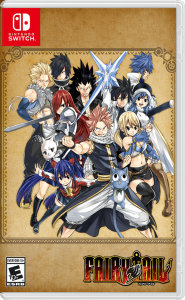
FAIRY TAIL Switch NSP XCI
Report Link Error
Select the broken download file, then submit the report.
Screenshots

About Game
FAIRY TAIL Switch NSP XCI presents Koei Tecmo’s role-playing adaptation of the Fairy Tail world on Nintendo Switch. Released on July 16, 2020, the game brings a familiar guild, its Mages, and a succession of high-stakes conflicts into a turn-based RPG structure built around magic, party planning, quests, and steady guild development.
FAIRY TAIL on Nintendo Switch: A Koei Tecmo RPG Overview
Developed and published by Koei Tecmo, FAIRY TAIL Nintendo Switch is a role-playing game that adapts major events and characters from the series. Its focus is not simply on individual battles; the game frames progress through the life of the Fairy Tail guild, where requests, relationships, and improvements to the guild hall all contribute to the larger adventure.
The story begins after the Tenrou Island arc and includes the Grand Magic Games, a period in which the guild works to rebuild its reputation through competition against other guilds. This gives the game a broad emotional range. There is room for magical contests and familiar character interactions, but there is also an emphasis on the guild’s shared setbacks, ambitions, and recovery.
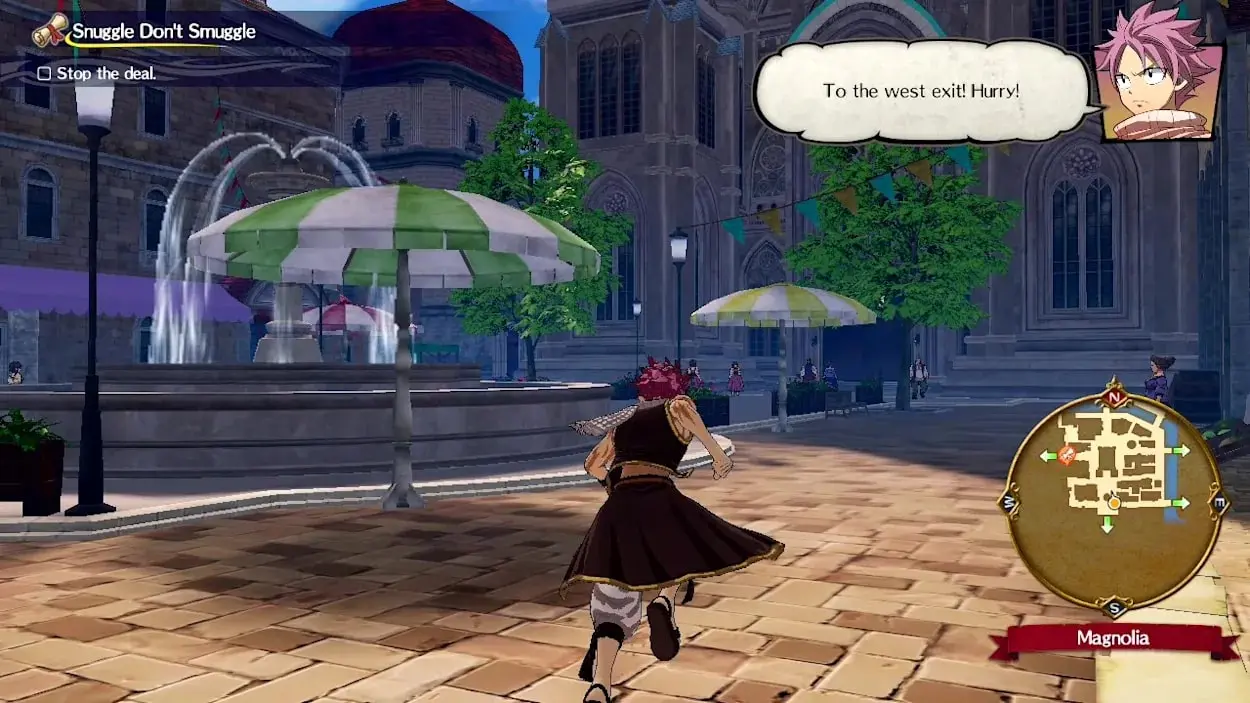
Iconic settings from the Fairy Tail universe, including Magnolia Town and quest destinations, are part of the journey. These locations support the adaptation’s atmosphere by keeping the guild’s world present between battles. The result is a Koei Tecmo RPG shaped by recognizable faces and places, while still relying on the practical rhythms of party preparation and quest completion.
The Tartaros Arc and the Guild’s Toughest Tests
The later FAIRY TAIL Tartaros arc shifts the narrative into a darker conflict. After the competitive energy of the Grand Magic Games, the guild faces a dangerous enemy that tests both its magical power and its ability to remain united. The change in stakes gives the RPG story a more intense direction without losing sight of the relationships that define Fairy Tail.
Unity is especially important here. The game’s narrative repeatedly returns to the idea that the guild’s strength comes from people supporting one another through difficult moments. That theme also connects to play: character bonds can lead to useful combat benefits, so the story’s emphasis on friendship has a mechanical counterpart.
For players interested in the major arcs covered after Tenrou Island, this structure makes the FAIRY TAIL RPG story more than a sequence of encounters. It follows the guild through restoration, rivalry, and an increasingly severe threat, giving familiar dramatic material a role-playing framework.
Turn-Based Battles Built Around Magic and Party Strategy
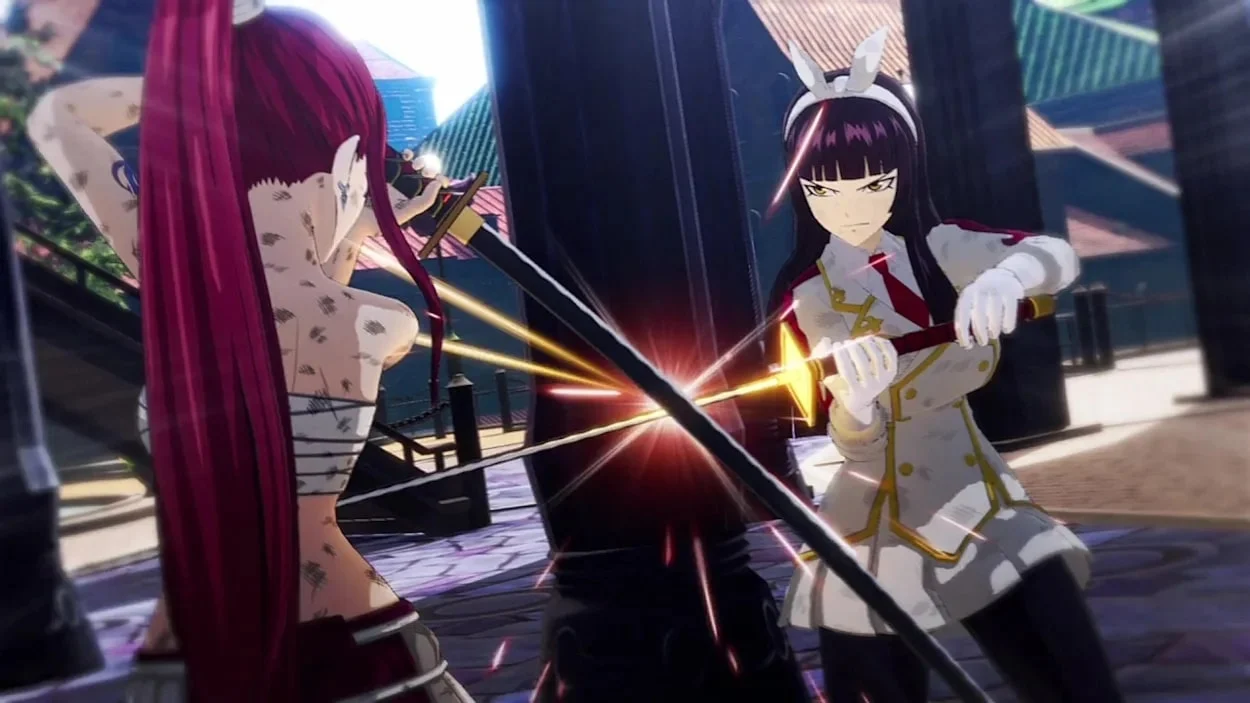
FAIRY TAIL turn-based combat centers on parties of up to five Mages. Each Mage brings distinct abilities and elemental strengths, making team composition an important consideration before facing enemies. Battles ask players to think about who is present, which magical attacks they can use, and how those attacks can work together.
Magic is the central language of combat. Players can use powerful attacks associated with the series, while strategic combinations can create magic chains and special abilities. These options give fights a sense of escalation: a party is not merely taking turns independently, but looking for opportunities to connect attacks and make the group’s strengths matter.
Character bonds further reinforce that approach. Strengthening relationships can unlock Awakening abilities and team-up attacks, creating another reason to consider how Mages fit together. This makes FAIRY TAIL party strategy about more than selecting the strongest individual members. A well-considered group can draw value from elemental strengths, magical options, and the bonds formed among its characters.
Building a Team With Natsu, Lucy, Erza, Gray, and Other Mages
Natsu, Lucy, Erza, and Gray are among the Mages available for party customization, alongside many other familiar characters. Their presence gives the player a range of ways to approach combat, since every Mage has unique abilities and elemental strengths. Choosing a lineup therefore has a direct effect on the tools available in battle.
Natsu, Lucy, Erza, and Gray also help establish the game’s sense of reunion with the Fairy Tail guild. Their roles are not limited to story scenes; they are part of the practical decision-making that comes with organizing a party of five. Players can adjust their team to suit enemies, experiment with magical combinations, and build bonds that support later encounters.
Progression continues through improvements to Mage stats and the learning of new spells. This gives party building a longer-term purpose. As characters develop, the player can refine a preferred group while still having reason to consider other Mages and their particular strengths. The system suits players who enjoy familiar characters but also want room for tactical adjustments.
Guild Requests, Rewards, and Growing the Fairy Tail Guild Hall
The request board is a central source of activity. Completing FAIRY TAIL quests earns rewards and helps advance the story, turning the guild into a functional hub rather than a backdrop. Requests also provide a clear connection between the game’s adventurous premise and its progression systems: Mages take work, face enemies, and return stronger.
Rewards support the wider effort to strengthen the guild. The Fairy Tail guild hall can be upgraded, unlocking new features and improving Mages. This adds a communal layer to advancement. Instead of progress being limited to a single character’s statistics, the guild itself develops alongside its members.
These guild hall upgrades fit the game’s emphasis on rebuilding and cooperation. They make the hall an important part of the loop between quests and battles, while the request board encourages players to continue engaging with the world beyond the main story path. That structure offers replay value through additional requests, party experimentation, and continued development of Mages and the guild.
5 Core Activities That Shape Progression in FAIRY TAIL
- Take on requests: Use the guild request board to find quests, earn rewards, and support story progress.
- Fight with magic: Face familiar enemies in turn-based battles using parties of up to five Mages, elemental strengths, and powerful magical attacks.
- Strengthen bonds: Develop relationships between characters to unlock Awakening abilities and team-up attacks.
- Improve each Mage: Enhance character stats and learn new spells to expand combat options over time.
- Build the guild hall: Upgrade the Fairy Tail guild hall to unlock features and improve the Mages connected to it.
FAIRY TAIL Switch NSP XCI is suited to players looking for a turn-based RPG built around a known cast, party customization, and guild-centered progression. Its appeal rests on the combination of major story arcs, magical team combat, character bonds, and the ongoing work of helping the Fairy Tail guild grow stronger.