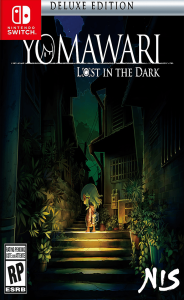
Yomawari: Lost in the Dark Switch NSP
Report Link Error
Select the broken download file, then submit the report.
Screenshots
About Game
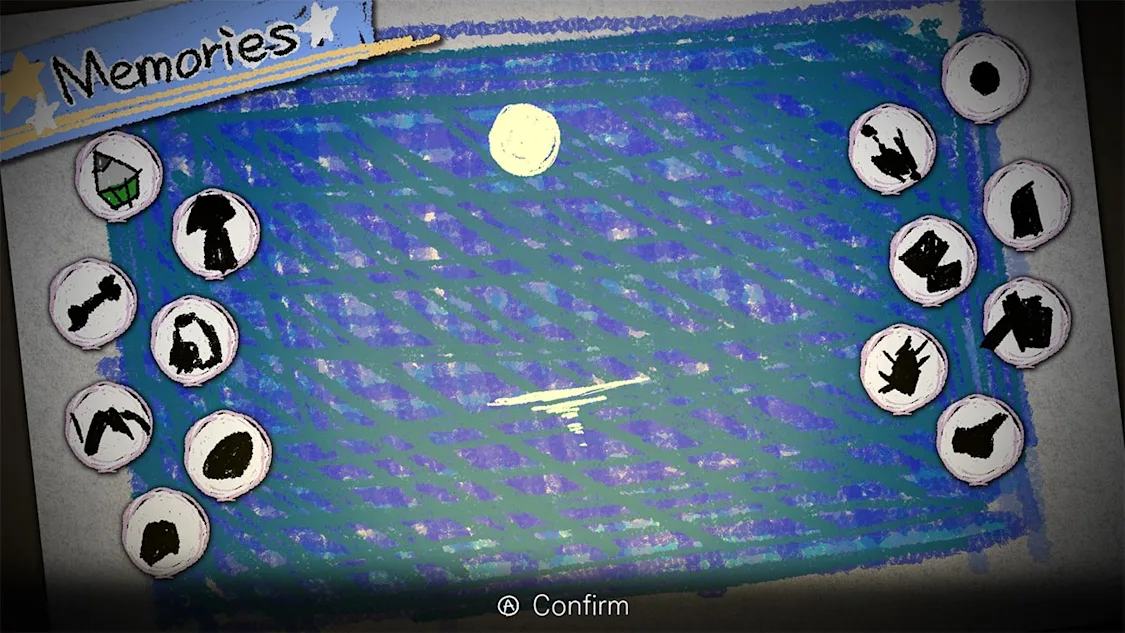
Yomawari: Lost in the Dark Switch NSP is a compact but unnerving adventure built around vulnerability, curiosity, and the fear of taking one more step into the unknown. Released for Nintendo Switch on October 25, 2022, this Adventure and Puzzle game from NIS America places a young girl in a town where darkness conceals both answers and danger. Its horror comes less from spectacle than from the uneasy feeling that every quiet street may be watching back.
Yomawari: Lost in the Dark: A Spooky Adventure on Nintendo Switch
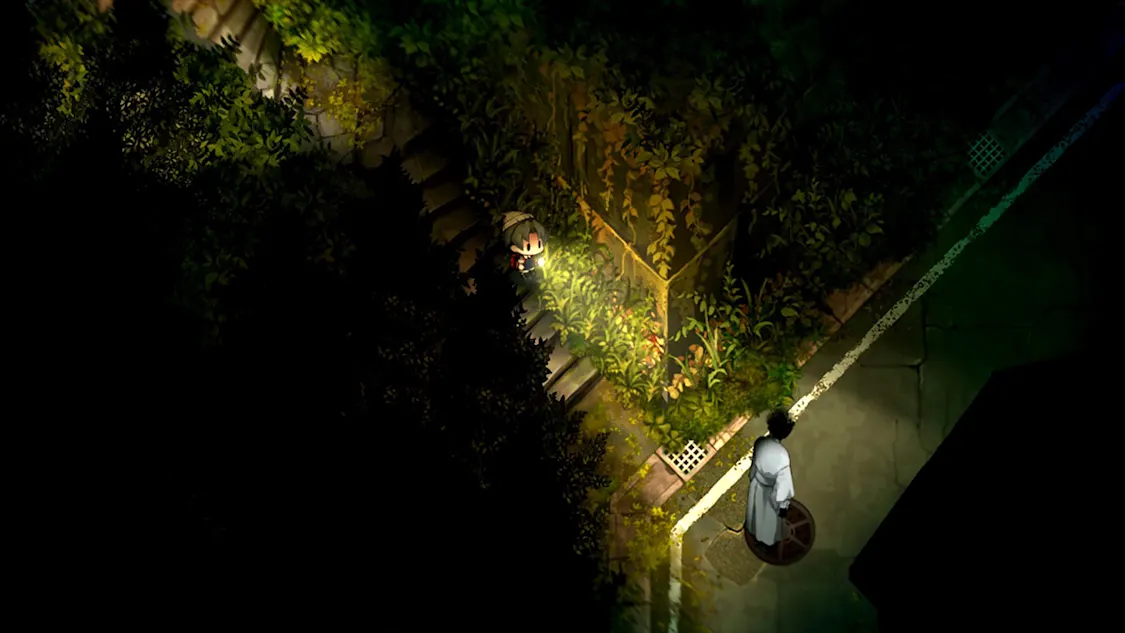
Yomawari: Lost in the Dark continues the series’ focus on atmospheric exploration and survival-horror tension. The Nintendo Switch version presents a top-down journey through a haunted setting populated by strange phenomena and hostile spirits. NIS America serves as both publisher and developer for this 2022 release, which combines Adventure and Puzzle elements with an emphasis on careful movement and environmental observation.
The game’s tone is melancholic as well as frightening. Instead of relying only on sudden shocks, it builds dread through silence, limited visibility, abandoned spaces, and the constant possibility of a spirit encounter. A small character moving through overwhelming darkness creates a deliberately fragile perspective: the player is not encouraged to overpower threats, but to notice them, understand their patterns, and find a way past.
That approach gives the experience a distinct rhythm. Exploration can be slow and cautious, interrupted by moments of panic when a threat appears nearby. The presentation supports that tension by making familiar places—streets, forests, homes, and small hiding spots—feel uncertain after night falls.
A Lost Girl’s Search for Home
The mystery narrative begins with a lost girl awakening in an unfamiliar forest. She has no memory of how she arrived there, and her immediate purpose is simple: find her way home. The route ahead is far less simple. Beyond the forest lies a haunted town shaped by unsettling events, wandering spirits, and fragments of a past she must gradually uncover.
As she searches, the girl finds clues, objects, and pieces of memory that help fill in the gaps around her situation. Other lost souls and mysterious entities contribute to the town’s increasingly uneasy history. The story draws on childhood fears and innocence under pressure, allowing its emotional thread to sit beside its horror rather than getting lost beneath it.
Progression is tied to investigation. Moving forward means exploring new areas, gathering scattered information, solving environmental puzzles, and surviving encounters that can interrupt the search at any moment. The result is a journey where the destination matters, but so does the growing understanding of why the town has become such a frightening place.
Exploring Dark Streets, Forests, and Abandoned Houses
The town is made up of places that invite investigation while warning the player to be careful. Dark streets provide routes between discoveries, while the eerie forest recalls the protagonist’s disorienting awakening. Abandoned houses and other neglected buildings offer further spaces to examine, often holding clues or objects connected to the larger mystery.
These environments are not simply backdrops. Each location becomes part of the game’s pressure: a narrow route can limit escape options, an empty room can hide something important, and a familiar path can feel different once a spirit patrols it. Scattered items and journal entries encourage attention to detail, rewarding players who take time to search instead of rushing toward the next objective.
The contrast between exploration and threat is central to the experience. Curiosity pushes the player into new corners of the haunted town, but survival instincts encourage restraint. That balance makes even a quiet walk through dark streets feel meaningful, because information and danger often occupy the same spaces.
How Flashlight Exploration Builds Tension
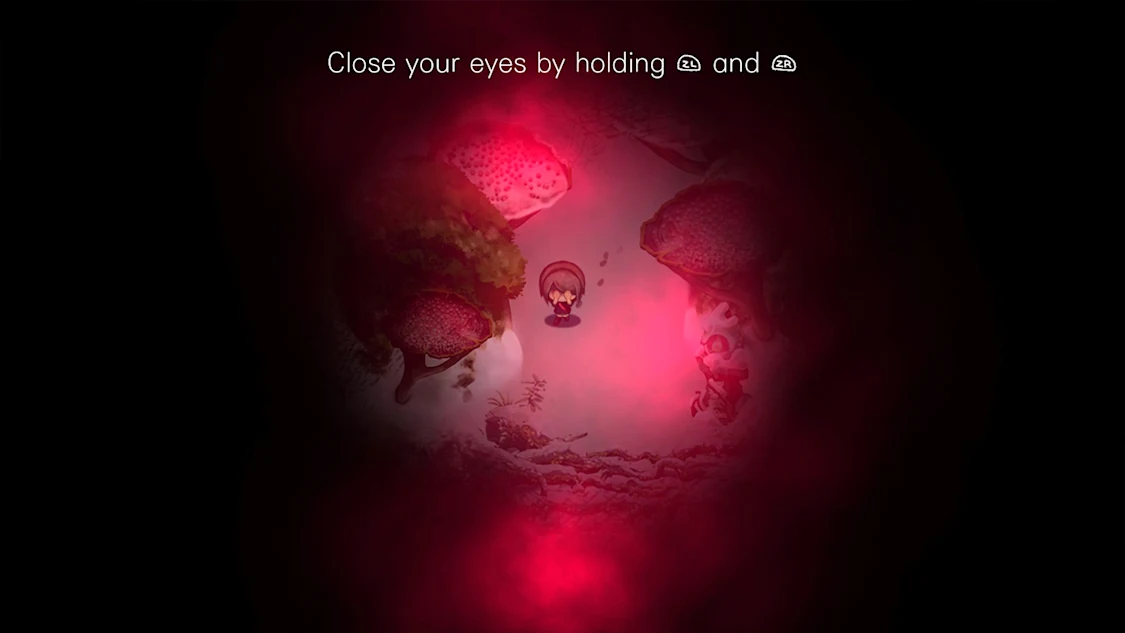
The flashlight is one of the girl’s most important tools. It illuminates paths through darkness, helps reveal objects that might otherwise be missed, and allows interaction with parts of the environment. In a game where vision is limited and danger can emerge from nearby shadows, that light offers necessary reassurance.
It is not uncomplicated protection, however. Using the flashlight can also attract attention, creating a difficult decision during spirit encounters. Light may help the player identify a route or locate an item, yet it may also make the girl easier for spirits to notice. This gives routine exploration a strategic edge: even looking around can carry risk.
The flashlight works alongside the game’s stamina system. Running can create distance from danger, but stamina is limited, leaving the girl vulnerable if it is exhausted at the wrong time. Players must judge when to move cautiously, when to sprint, and when to hide rather than continue forward. The game’s tension comes from those small, immediate choices in the darkness.
5 Practical Survival Tips for the Haunted Town
- Move patiently. Do not rush into unfamiliar areas. A slower approach gives more time to inspect routes, spot useful objects, and identify possible hiding places before danger closes in.
- Trust audio cues. Spirits can make distinct sounds before they appear. Listening closely may provide a valuable early warning and a few extra seconds to decide how to respond.
- Protect your stamina. Running is important when escape is necessary, but it drains stamina. Avoid wasting it on every stretch of road so it is available when a real threat appears.
- Use cover. Bushes and objects can offer places to hide from patrolling spirits. Breaking line of sight can be safer than trying to outrun every encounter.
- Find jizo statues. Jizo statues function as save points, making them especially important in a challenging game where an unexpected encounter can undo recent progress.
Release and Switch Version Details
Yomawari: Lost in the Dark Switch NSP refers to the Nintendo Switch release of Yomawari: Lost in the Dark, issued on October 25, 2022. The game is classified as Adventure and Puzzle, supports the English language, and is listed for the Europe and USA regions. Its Title ID is 01005FD0182A2000.
For players drawn to deliberate horror rather than action-heavy combat, the game’s design is well suited to tense solo sessions. Its appeal lies in navigating darkness with limited resources, piecing together a mystery narrative, and learning how to survive a haunted town through observation. The 2GB Switch release asks for attention, patience, and a willingness to let uncertainty set the pace.