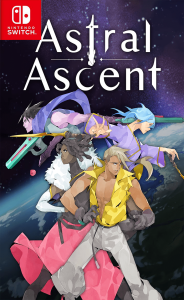
Astral Ascent Switch NSP
Report Link Error
Select the broken download file, then submit the report.
Screenshots
About Game
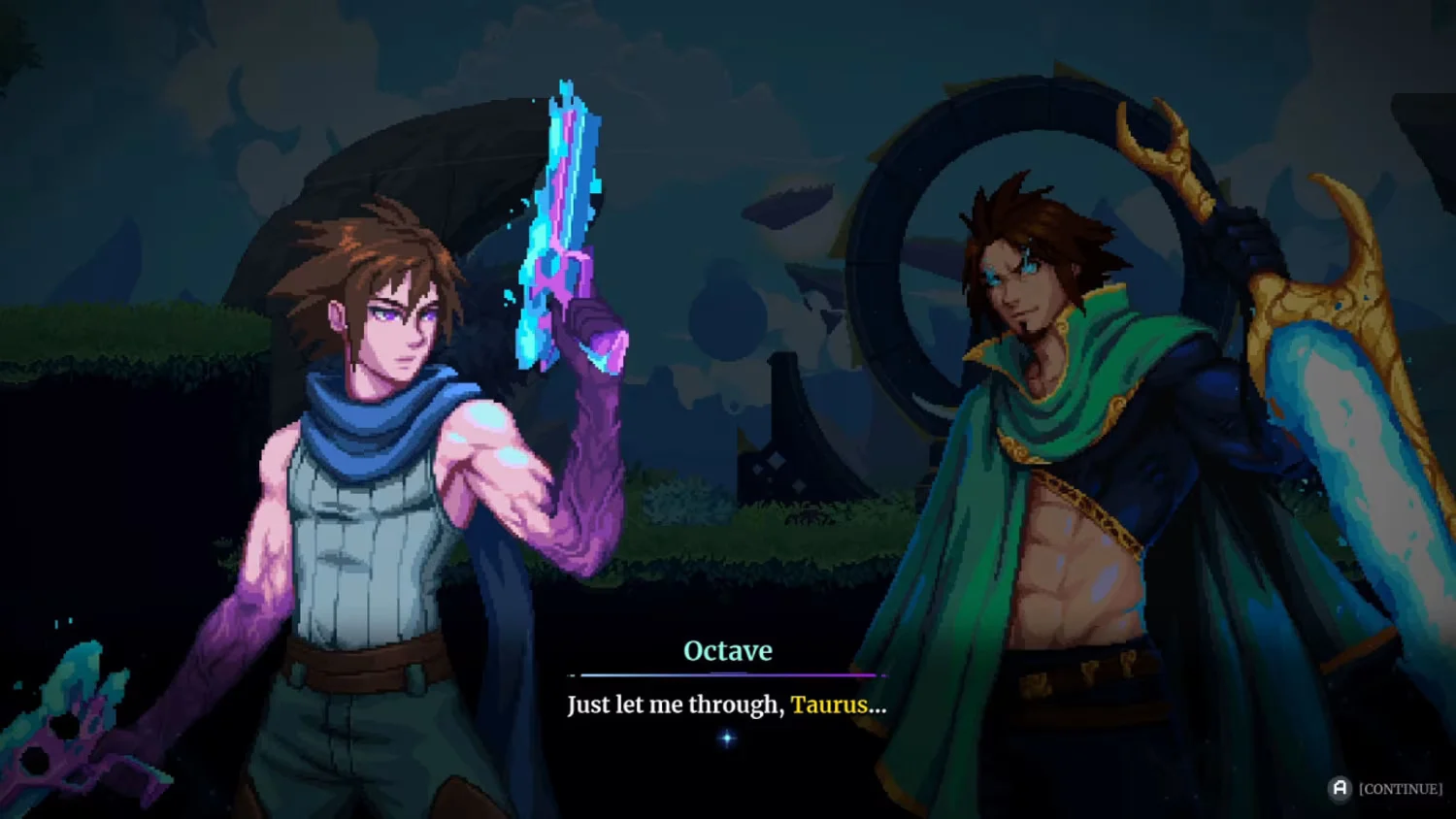
Astral Ascent Switch NSP brings a 2D action-platforming roguelite to Nintendo Switch, built around repeat attempts to escape an otherworldly prison. Its shifting routes, spell-focused combat, and gradually revealed story give each trip through The Garden a clear purpose beyond simply reaching the next encounter.
Astral Ascent on Nintendo Switch: Release Details at a Glance
Astral Ascent released in the USA region on November 14, 2023. Developed and published by MP2 Games, it is classified as a Platformer and Action title. The Nintendo Switch release supports English, French, Japanese, Korean, Russian, and Simplified Chinese, and the verified version is 1.0.1.
The game’s structure places it in the action-roguelite space: players enter a run, face changing layouts and combat challenges, collect upgrades, and return to try again with more knowledge of the world and its systems. That format suits a game designed around experimentation, movement, and learning how different abilities interact under pressure.
Escaping The Garden: The Core Story Premise
The setting of Astral Ascent Switch is The Garden, a celestial prison holding four heroes known as Mirrors. Each Mirror is seeking freedom, but escape is not immediate or straightforward. The Garden is protected by 12 Zodiacs, formidable bosses standing between the imprisoned characters and the way out.
The narrative develops across repeated attempts rather than delivering all of its answers at once. New dialogue, character background, and lore fragments provide context for the Mirrors’ confinement, the Zodiacs, and the forgotten history surrounding The Garden. The central objective is to defeat the Zodiacs and escape, while the larger questions—why the Mirrors were imprisoned and what waits beyond the prison—unfold more gradually.
This approach gives failure and repetition narrative weight. A run that ends before escape can still reveal a conversation, a secret, or another piece of the setting’s larger mystery. The result is a story built around persistence: each return to The Garden is another chance to push forward and understand more.
How Astral Ascent’s 2D Action-Roguelite Runs Work
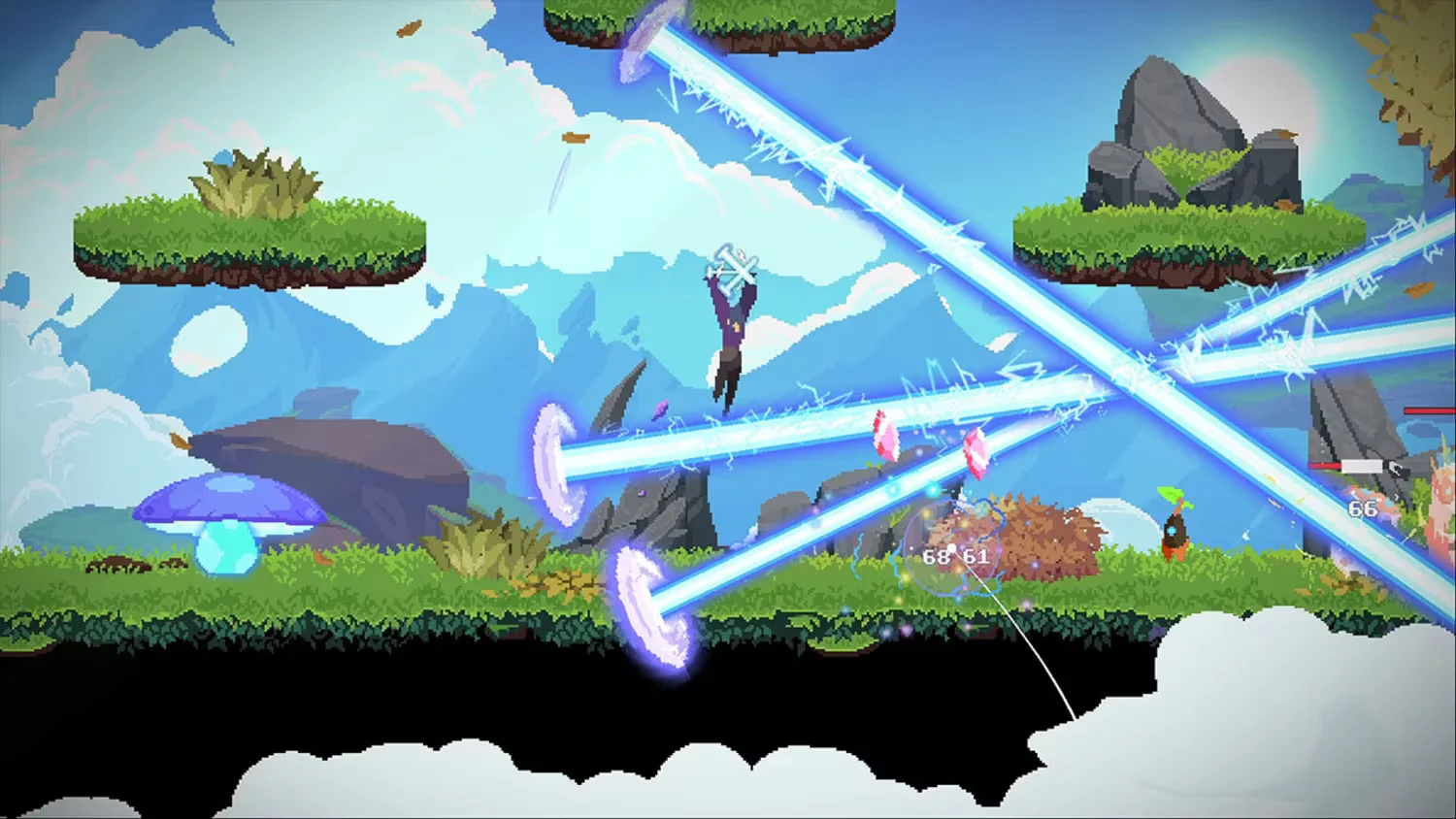
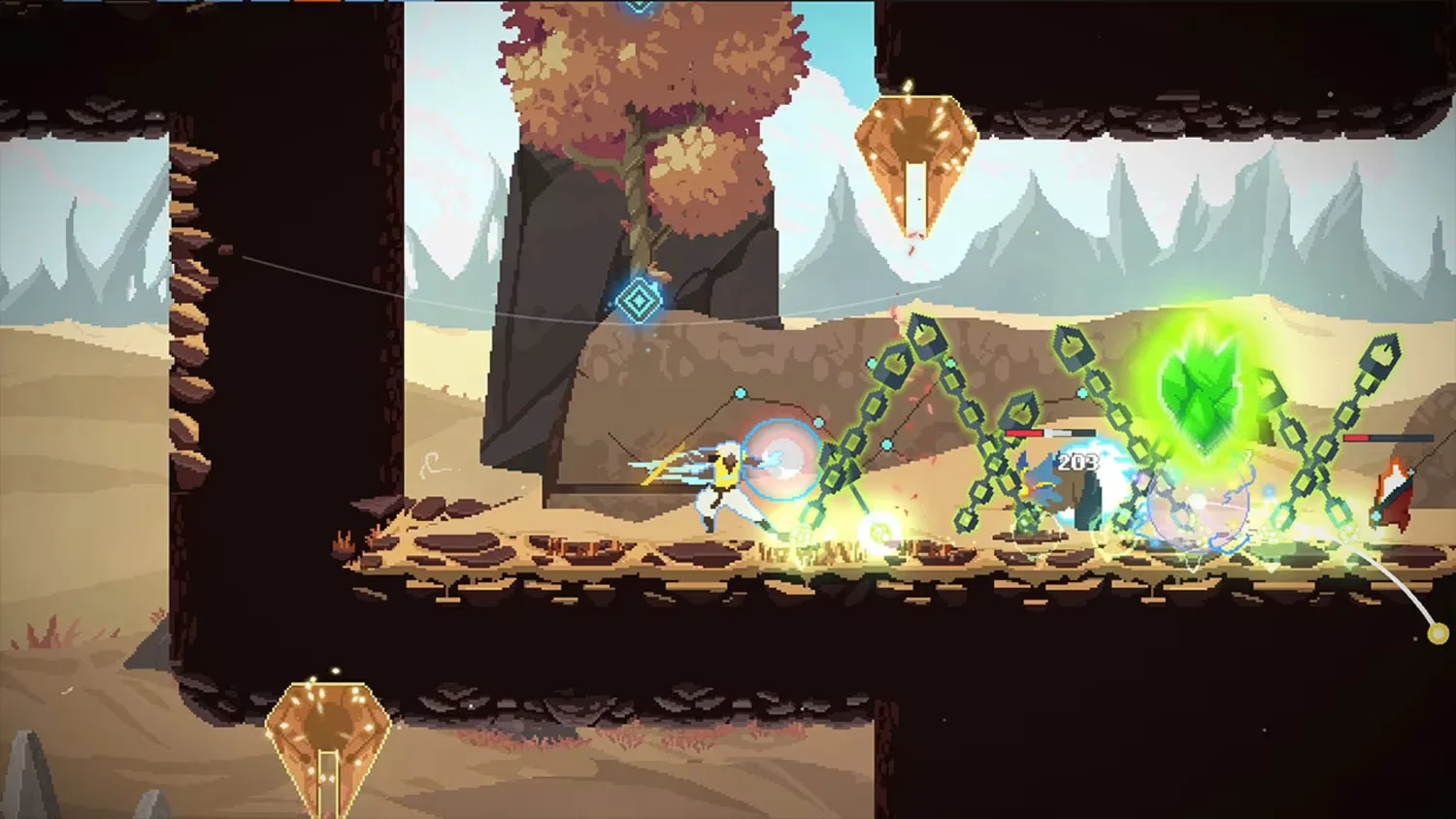
Astral Ascent gameplay centers on fast 2D action. Players move through hostile areas, evade attacks, use spells, and fight groups of enemies while preparing for more demanding encounters. The emphasis is on responsive movement and on recognizing when to dodge, attack, or reposition as the screen becomes more dangerous.
Runs through The Garden use procedurally generated biomes, so layouts and challenges can change from attempt to attempt. Different routes, enemies, and upgrades encourage adaptation instead of relying on a single memorized path. A useful combination in one run may not appear in the next, giving players reasons to adjust their tactics around what they find.
- Move with intent: Dodging is central to surviving enemy pressure and creating room to cast spells.
- Build around discoveries: Gambits and Auras can be collected during runs, offering ways to shape abilities and create stronger combinations.
- Read each biome: Procedural generation changes the journey through The Garden, including layouts and the challenges encountered along the way.
- Prepare for the Zodiacs: The 12 bosses require different approaches, making observation and adjustment important.
- Experiment between attempts: Different characters, spells, Gambits, and Auras can lead to notably different combat plans.
The roguelite structure supports replay value through variation rather than a fixed route. New arrangements of biomes and upgrades can alter how a run feels, while boss encounters ask players to refine their timing and strategy. It is a natural fit for players who enjoy learning through repeated attempts and testing combinations rather than expecting a single uninterrupted path through the game.
Four Playable Mirrors, Four Combat Approaches
The four Mirrors are more than different faces for the same role. Each playable hero begins with a distinct set of abilities and a separate combat style, giving players a choice in how they want to confront The Garden. One part of the game’s appeal is finding the Mirror whose movement, spells, and general rhythm best match an individual player’s preferences.
That choice becomes more meaningful as upgrades enter the picture. Gambits and Auras can change how abilities function and can support powerful spell synergies. A player may favor one Mirror because their starting tools feel immediately comfortable, then discover a different approach after collecting upgrades that shift the possibilities of a run.
Mastery therefore has two layers: understanding a hero’s base kit and learning how to make the most of the options encountered in The Garden. For players who enjoy comparing combat styles and revisiting a game with a new character in mind, the four-Mirror structure provides a practical reason to return.
A Hand-Drawn World With NPCs and Unfolding Lore
The Garden is presented as a vibrant, hand-drawn world, a visual approach that gives its celestial prison setting a distinct identity. That presentation is not separated from the game’s progression. As players move through its biomes and return after unsuccessful attempts, they can meet NPCs, encounter dialogue, and uncover secrets that add texture to the setting.
The lore is delivered in fragments across runs, connecting the characters’ personal stories with the broader mystery of The Garden and its guardians. NPC interactions and new conversations help make repeat attempts feel less like simple resets. They offer a continuing sense of discovery alongside the mechanical work of improving combat performance.
This balance between action and context makes the game suited to players who want more than encounter-to-encounter combat from a roguelite. The story is not detached from repetition; it uses repetition as the means for revealing more of the world.
Local Co-op in The Garden
Astral Ascent Switch co-op includes a local two-player option, allowing two people to take on The Garden together. The mode lets players face enemies, navigate the prison’s changing challenges, and work through its combat encounters as a pair.
Local co-op adds another way to approach the game’s action without changing its central objective. Two players can bring different Mirrors and combat approaches into the same attempt, making it useful for those who prefer shared play while still engaging with the game’s dodging, spells, upgrades, biomes, and Zodiac battles.