There Is No Light Switch NSP
Report Link Error
Select the broken download file, then submit the report.
Screenshots
About Game
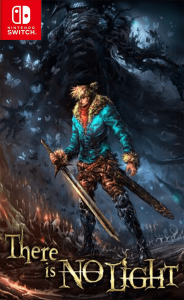
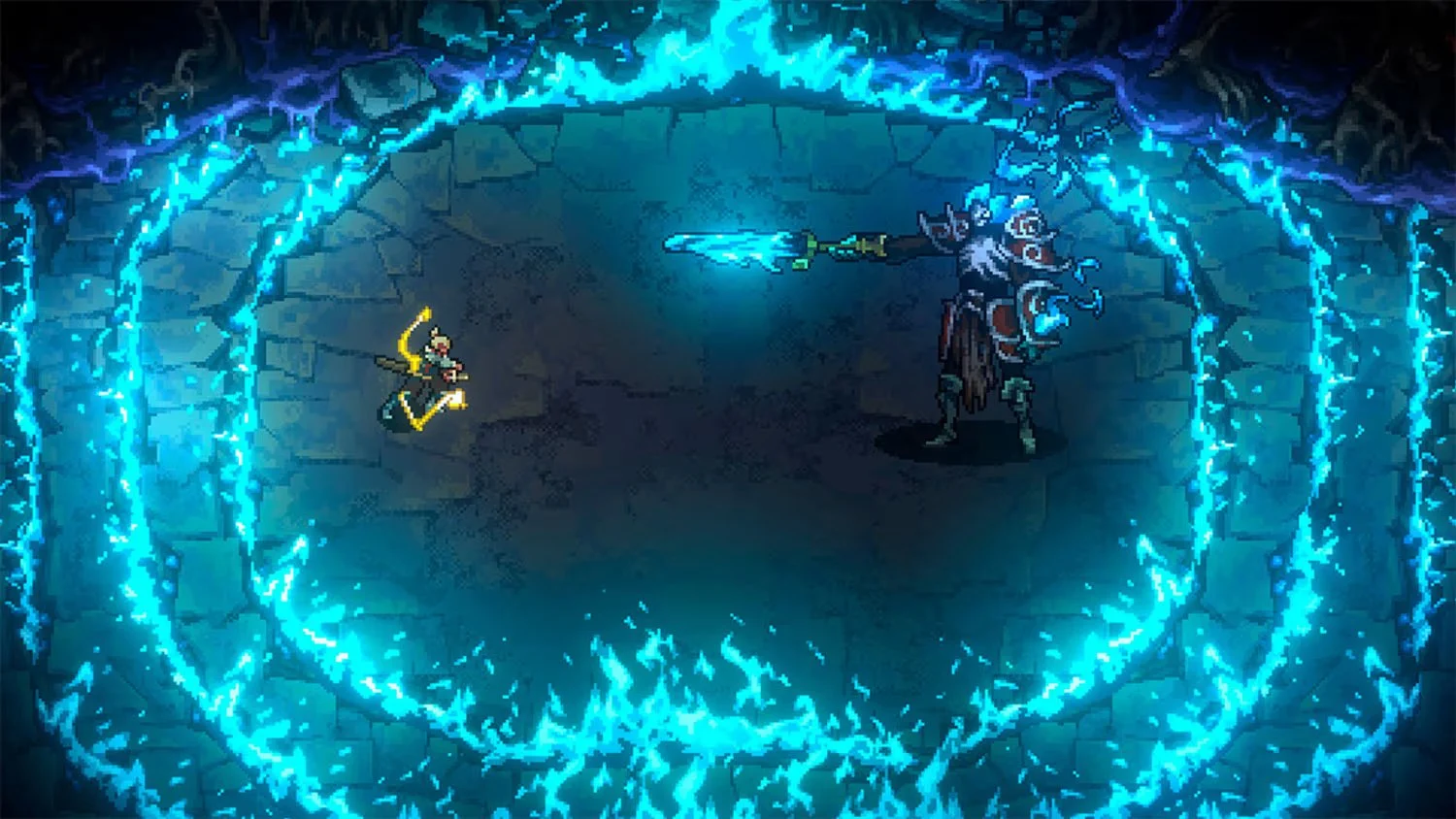
There Is No Light Switch NSP presents a dark adventure shaped by uncertainty, limited resources, and the pressure of moving through places where visibility can never be taken for granted. Combining action, adventure, and role-playing elements, it follows a survivor through a powerless metropolis whose silence is as threatening as the entities hidden beyond the reach of a flashlight.
There Is No Light Switch NSP: A Darkness-Driven Adventure
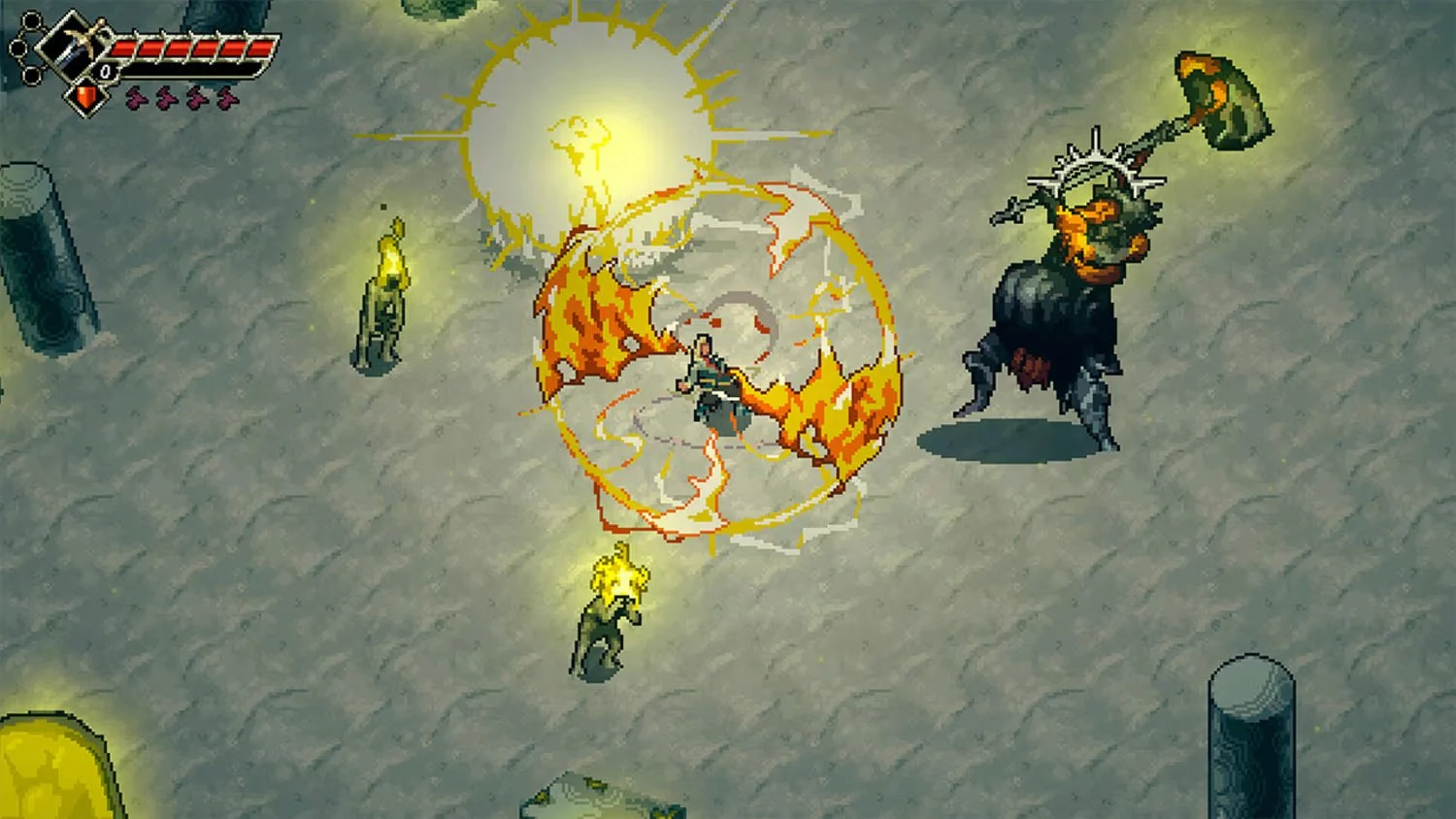
This is a dark adventure game built around a simple but demanding condition: the city has lost its power, and darkness has become the defining feature of everyday survival. Streets, subway tunnels, damaged towers, and research facilities are no longer familiar urban spaces. They are uncertain territory, with few dependable sources of light and dangers that may be close without being visible.
As a Nintendo Switch action RPG, the game places exploration alongside stealth, resource management, environmental problem-solving, and narrative decisions. The result is a slower, more cautious form of tension than a straightforward action game. Progress depends on noticing the environment, deciding when a tool is worth using, and resisting the urge to rush into an unexplored area.
The atmosphere comes from restraint. A temporary beam of light can provide clarity, but it can also expose Elara’s position. Sounds become useful information when sight is unreliable, and abandoned locations invite close inspection because a clue, a battery, or a route forward may be nearby. The city’s endless blackout is not merely a backdrop; it affects how every movement and decision is approached.
The Story of Elara and the Endless Blackout
The story centers on Elara, a lone survivor who awakens with fragmented memories and a pressing need to find her missing family. Her personal search unfolds after an unexplained catastrophe removes the city’s power sources and leaves its remaining inhabitants to endure an eerie, permanent night.
Elara’s path leads through abandoned subway tunnels, dilapidated skyscrapers, and cryptic research facilities. These locations provide the setting for a blackout mystery that grows beyond the immediate task of finding her family. Elara discovers that she is not alone in the darkness. Distorted entities inhabit the city’s shadows, and they appear to be drawn toward light or hope.
That premise gives the narrative a survival-focused emotional weight. Elara is not simply traveling from one objective to the next; she is trying to reconstruct what happened to the city while holding onto incomplete memories of the people she wants to find. The blackout, the entities, and the missing family are connected threads in a story driven by discovery rather than certainty.
Critical narrative choices can affect the game’s branching outcome. This gives decisions added importance and offers a reason to consider more than immediate safety. A choice may be about survival in the moment, but it also belongs to Elara’s larger attempt to understand the city and her place within it.
Why Light Is a Critical Survival Resource
Light management is central to the game’s tension. Flashlight batteries and other temporary light sources are scarce, making illumination a resource rather than a constant convenience. Turning on a flashlight can reveal a route, expose an object worth collecting, or help identify danger. Yet each use spends power that may be more valuable later.
This scarcity creates meaningful trade-offs. Players may need to decide between searching a dark room thoroughly and preserving battery power for an unfamiliar passage ahead. The question is rarely just where to go; it is how much of the available supply should be spent getting there safely.
Scavenging supports this survival loop. Batteries and crafting materials can be found in the environment, while a dynamic inventory requires players to manage tools and temporary light sources with care. Because threats may respond to light, the flashlight is not presented as an uncomplicated solution. It is useful, but it can also carry risk.
Sound cues provide another layer of awareness. Listening for nearby threats can help guide movement through obscured spaces, especially when conserving light is the better option. The game’s pressure comes from balancing what can be seen against what can be heard and what remains unknown.
Environmental Puzzles and Careful Observation
Environmental puzzles are an important part of narrative progression. Elara must search locations for clues, study details in her surroundings, and solve obstacles that open new areas. The focus on close observation fits the setting: in a city swallowed by darkness, useful information is often hidden in places that demand patience to examine.
Clue searching is therefore more than a collectible exercise. It helps establish routes, reveals context for the blackout mystery, and pushes the journey into new sections of the city. A locked path or blocked area may require a solution drawn from the immediate environment rather than force alone.
The interplay between puzzles and danger keeps exploration uneasy. Taking time to inspect a room can be necessary, but remaining exposed for too long may be risky. The game asks players to weigh thoroughness against caution, particularly when resources are limited and unseen entities may be nearby.
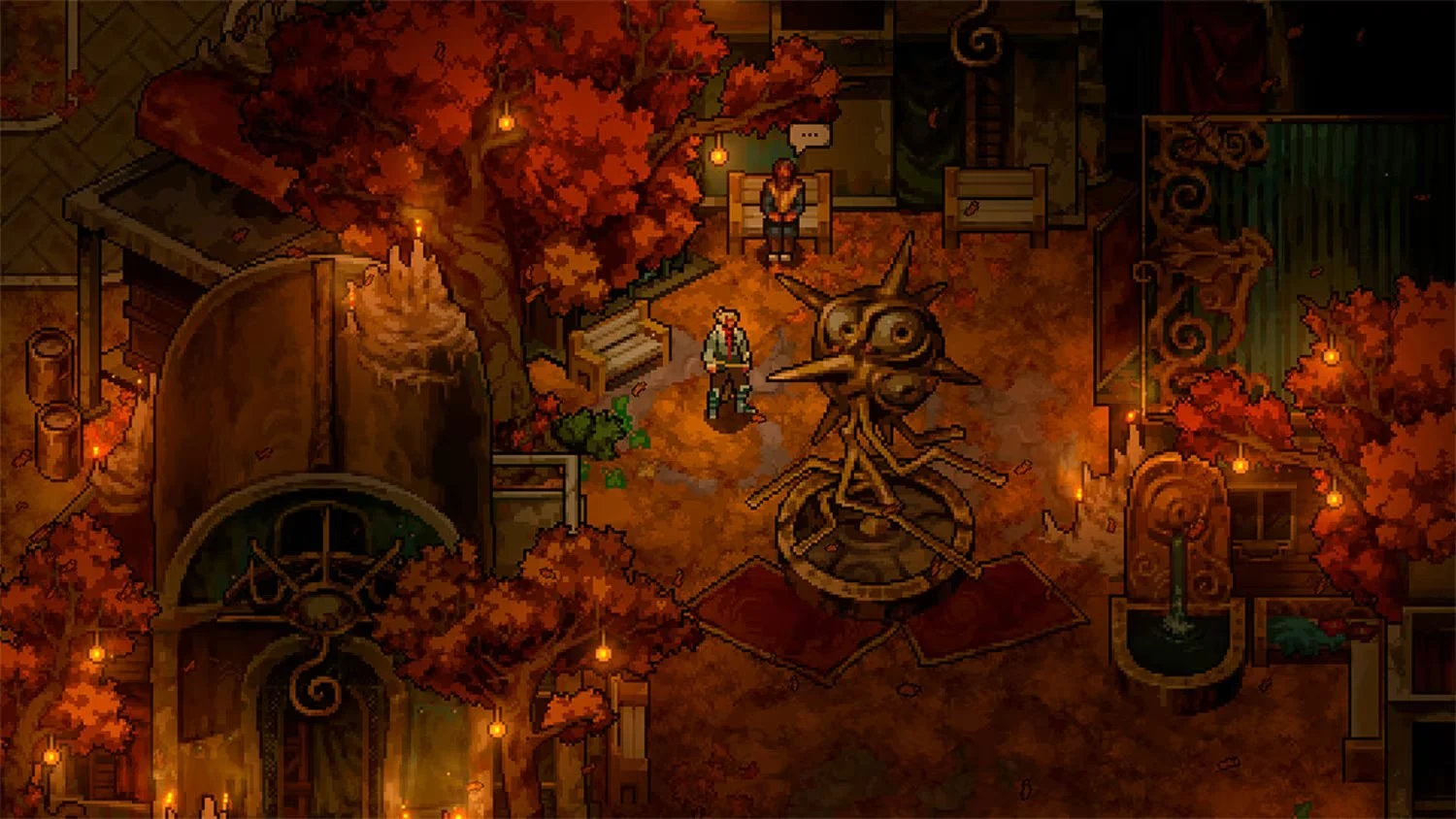
This design also supports the game’s presentation. Its ruined urban spaces are not described simply as scenery; they function as readable, interactive environments. Tunnels, towers, and facilities become places where the player must interpret visual details, manage their presence, and uncover what has been left behind.
7 Practical Survival Priorities in There Is No Light Switch NSP
- Protect battery power. Use flashlight batteries when visibility is essential, rather than treating light as a permanent safety net.
- Listen before advancing. Sound cues can reveal nearby threats and help navigate areas where sight is limited.
- Search methodically. Look through the environment for clues, batteries, crafting materials, and tools that may support later progress.
- Choose stealth first. Avoiding confrontation with lurking entities can be safer than forcing a direct encounter.
- Read each area. Pause to assess routes, obstacles, and possible risks before committing to movement through an unfamiliar space.
- Reserve tools for pressure points. Temporary light sources and inventory items matter most when a puzzle, threat, or crucial route demands them.
- Consider story decisions. Narrative choices can influence branching outcomes, so immediate survival is not the only consequence worth weighing.
Release Details, Languages, and Nintendo Switch Availability
There Is No Light Switch NSP was released on November 16, 2023. It is published and developed by Hypetrain Digital, with a genre listing that includes Action, Adventure, and Role-Playing. The game is available for the Europe, USA, and Japan regions.
Supported languages are English, French, German, Japanese, Korean, Portuguese, Russian, Simplified Chinese, and Spanish. The listed base firmware requirement is v16.1.0, and the listed file size is 1.4GB.
Its survival-oriented structure makes it suited to players who enjoy deliberate exploration, tense stealth, environmental puzzles, and stories that unfold through clues and consequential decisions. The branching outcome structure also gives the narrative decisions additional replay value, particularly for players interested in seeing how different choices can shape Elara’s fate.