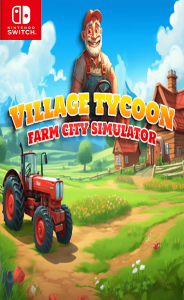
Village Tycoon: Farm City Simulator Switch NSP
Report Link Error
Select the broken download file, then submit the report.
Screenshots

About Game
Village Tycoon: Farm City Simulator Switch NSP is a Nintendo Switch simulation and strategy game about turning a modest plot of land into a productive agricultural settlement and, eventually, a larger city. Developed and published by DEMENCI Games, it arrived on November 10, 2023, with English language support for Europe and USA regions. Its focus is not on a fixed campaign plot, but on the player’s own decisions: where to farm, what to build, how to use resources, and how to support a growing community.
Village Tycoon: Farm City Simulator at a Glance
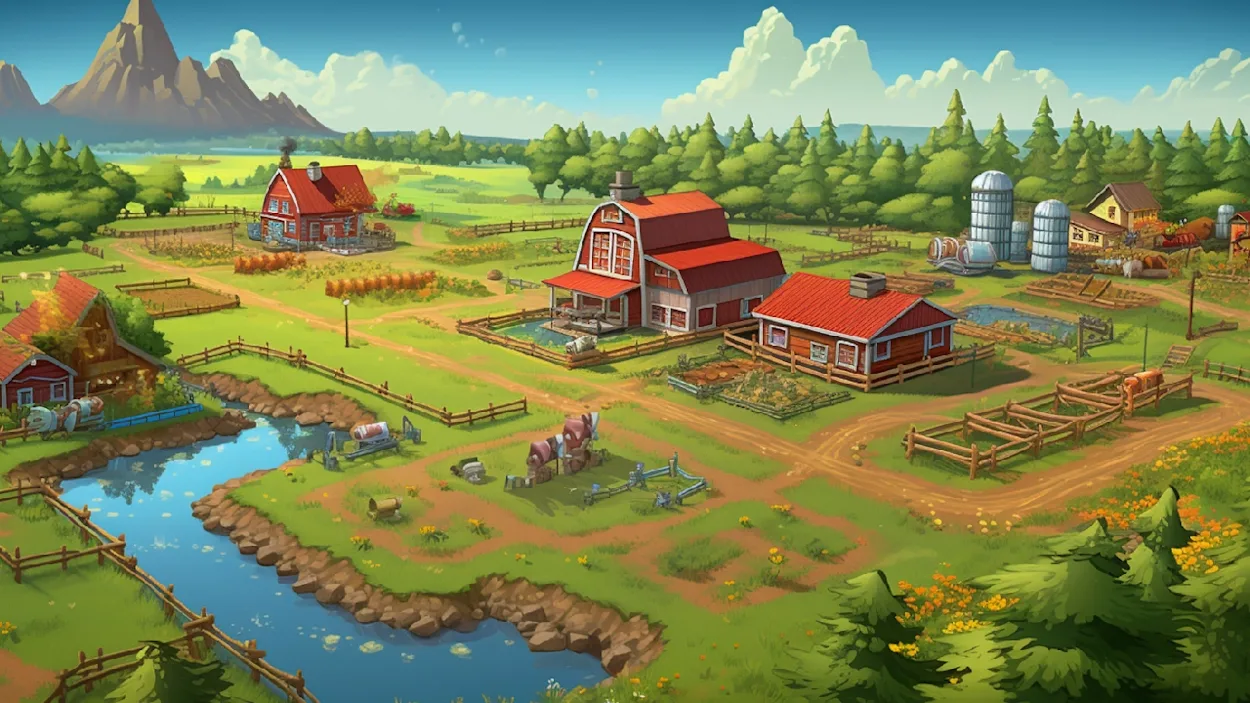
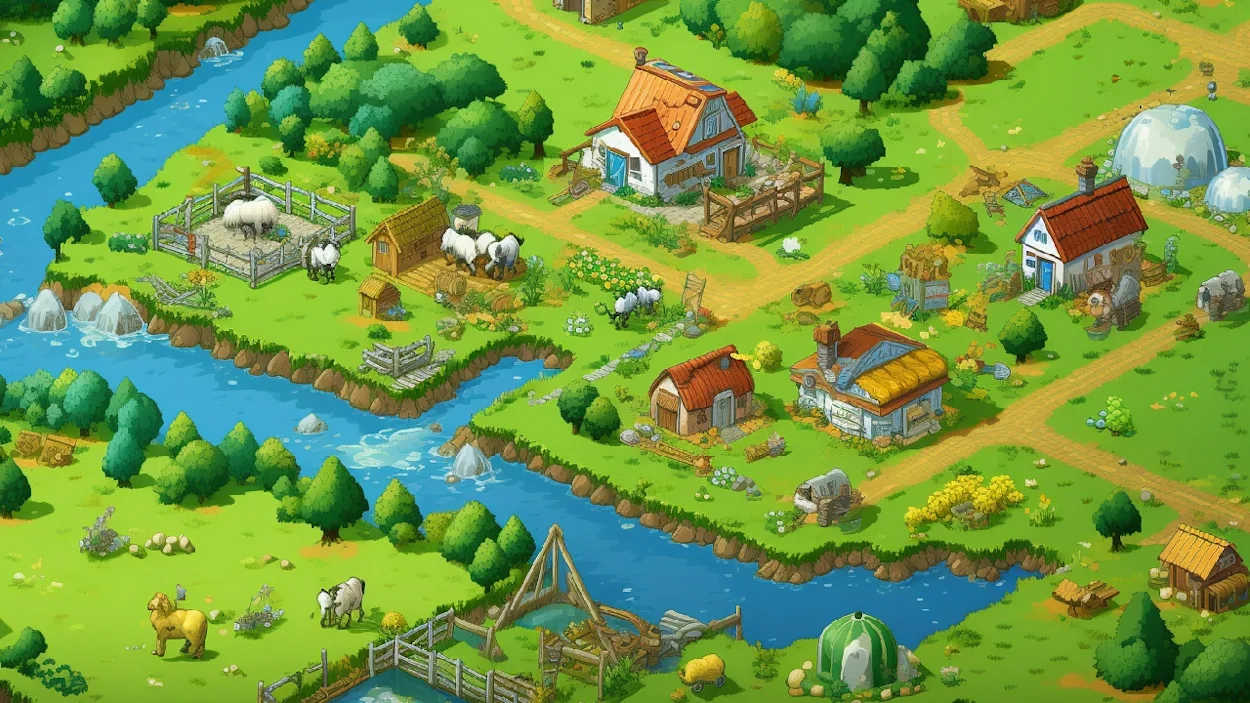
Village Tycoon: Farm City Simulator begins with the simple idea of developing a small settlement through careful management. The player takes the role of a settler building an agricultural hub from the ground up, combining farm work with the broader responsibilities of town planning. Crops need to be planted and harvested, raw materials can be processed into goods, and new buildings help make room for more residents.
That blend gives the game its identity as a Nintendo Switch simulation game with strategy elements. It is concerned with the practical links between a village’s farms, industries, roads, homes, shops, and public services. A settlement cannot expand through construction alone; production, resources, and resident needs all matter as the community develops.
The pace is positioned as relaxed, but its systems still ask for planning. A new bakery, for example, has greater value when there is a reliable supply of wheat and flour behind it. Expanding homes may bring in more residents, yet those residents also create a greater need for food, work, amenities, and an organized environment.
From Small Farm to Growing City
Village Tycoon Farm City Simulator progression is shaped by actions rather than a traditional linear storyline. The starting point is a humble settlement, while the long-term aim is a prosperous city with a larger population and wider influence. Each harvest, construction project, and expansion contributes to that personal development story.
This approach makes the journey from farm to city building feel flexible. Players are not simply moving through a set sequence of story missions. Instead, their village changes according to the choices they make around farming, production, layout, trade, and growth. Constructing housing may help attract residents; building industries can turn raw materials into more valuable goods; unlocking new areas creates access to further resources and building possibilities.
Resource limitations and logistical concerns give the growth loop its strategic side. The settlement needs a dependable foundation before it can comfortably support its next stage. A village that grows too quickly without enough food, jobs, or useful infrastructure may create new pressures. The more deliberate route is to let agricultural output, services, and expansion reinforce one another.
That player-directed structure also supports replay value in a straightforward way. Different priorities in construction, farming, trade, and land expansion can lead to different development paths, even though the broader ambition remains the same: create a thriving city from a small rural beginning.
Balancing Farming and City Planning
The central challenge in Village Tycoon farming is not isolated crop work. Farming feeds into the wider economy, while city planning determines how effectively the settlement can grow around that economy. Players cultivate crops, manage resources, construct essential buildings, and consider the placement of roads and infrastructure.
Village Tycoon city building includes houses, shops, and public services, all of which contribute to a more complete settlement. Planning matters because a productive village needs more than a collection of separate structures. Farms need to remain useful, industries need materials, residents need work and amenities, and roads should support a practical layout.
Processing industries provide an important connection between these systems. Sawmills, flour mills, and bakeries are identified as examples of buildings that turn raw materials into goods. This gives expansion a layered quality: growing a crop is only one part of the production chain, while processing and using or trading the resulting goods can further support the community.
The result is a strategy-focused simulation built around interdependence. Efficient production can strengthen the economy, but a larger population also requires thoughtful attention. The game’s calm setting does not remove those choices; it gives players room to make them at their own pace.
Crop Production and Food Supply
Food production is a practical starting point for a developing settlement. Village Tycoon crops include wheat, corn, and vegetables, with players planting and harvesting them to keep farms productive. As the population rises, maintaining that output becomes increasingly important because farms are expected to feed the growing community.
Wheat has a particularly clear role in the game’s production possibilities. It can connect agriculture to flour mills and bakeries, illustrating how one farm resource may support several stages of economic activity. The same broader principle applies across the settlement: raw materials gain importance when there is a plan for processing, use, or trade.
As a farm management simulator, the game asks players to keep output aligned with expansion. A productive farm base can support residents and feed industries, while weak planning can make it harder to sustain new construction. Crop work is therefore not a side activity; it is part of the village’s ongoing supply system.
Keeping Residents Happy as the Settlement Expands
Residents are central to the move from village to city. The settlement grows by attracting more people, but that growth works best when citizens have jobs, amenities, and a pleasant environment. Happy residents are described as productive residents, linking satisfaction directly to the health of the community.
Village Tycoon citizen happiness depends on more than housing. Houses create space for people to live, while shops and public services help shape a functional settlement. Jobs matter as well, especially as farms and processing industries expand. A well-planned environment gives these pieces a stronger chance to work together.
This makes the game’s city simulator residents more than a population number. They represent the reason to keep food supplies stable, create useful buildings, and avoid careless expansion. A city can become larger on paper, but a prosperous community needs the systems behind that growth to remain dependable.
7 Early Planning Priorities for a Prosperous Village
- Keep crops flowing. Plant and harvest wheat, corn, and vegetables so the settlement has a productive agricultural base for its growing population.
- Plan roads with purpose. Consider roads and infrastructure early, since an organized layout supports the village’s farms, buildings, and future expansion.
- Build processing capacity. Use industries such as sawmills, flour mills, and bakeries to turn raw materials into valuable goods.
- Support daily life. Add houses, shops, and public services as the settlement grows, giving new residents space and useful amenities.
- Watch resources carefully. Growth brings limitations and logistical challenges, so avoid treating construction as separate from production and supply.
- Use trade wisely. Trade can help secure needed resources or turn surplus goods into profit, strengthening the local economy.
- Expand thoughtfully. Unlock new areas when the existing village is ready to use new resources and building opportunities effectively.
For players drawn to measured growth, connected production chains, and the satisfaction of seeing a settlement take shape, Village Tycoon: Farm City Simulator Switch NSP offers a clear farm-and-city management premise. Its appeal lies in making each new field, building, service, and resident part of a larger community project.