Special Forces Assault: Tactical Hostage Switch NSP
Report Link Error
Select the broken download file, then submit the report.
Screenshots
About Game
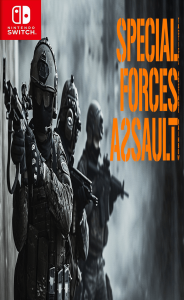
Special Forces Assault: Tactical Hostage Switch NSP is a Nintendo Switch release built around high-pressure special-operations scenarios, where careful preparation matters as much as the assault itself. Released on February 8, 2024, it combines Action, Fighting, and Strategy elements in a mission-focused format from Gogame Console Publisher, which serves as both publisher and developer. The game is available in Europe and the USA, with English language support.
Special Forces Assault: Tactical Hostage Switch at a Glance
Positioned as a tactical action experience, the game asks players to lead an elite multinational unit through dangerous operations rather than simply rush toward enemy positions. Its genre mix suggests a balance between direct confrontations and deliberate decision-making: weapons and firefights are part of the operation, but reconnaissance, squad coordination, and the protection of civilians are equally important.
Gogame Console Publisher’s February 2024 release frames each operation around escalating risk. Missions can involve infiltration, hostage rescue, and the disarming of dangerous devices, with a criminal threat linking those objectives together. The result is a game designed around tense scenarios in which an apparently successful attack may still fall short if civilians are endangered or the team loses control of the situation.
The setting moves between intricate locations including city environments and remote bunkers. Those spaces are more than a backdrop for combat. Doors can be opened, walls can be breached, and cover can be destroyed, making the layout of an area part of the tactical problem. The game supports multiple difficulty levels and optional challenges, giving repeated operations a reason to be approached differently.
The Crimson Dawn Crisis and the Mission to Protect Civilians
The central threat is Crimson Dawn, an international syndicate responsible for coordinated attacks on vital infrastructure and the capture of civilians. Its motives are initially unclear, while the scale of its actions places global stability at risk. Players take command of a multinational special forces unit assigned to stop the organization and uncover its objectives as the story develops.
This hostage rescue story gives the missions a clear human priority. The team is not simply clearing hostile territory; it is working through crises where civilians are directly exposed to danger. That premise supports the game’s emphasis on disciplined planning. An operation can require the unit to enter hostile areas, locate hostages, counter armed resistance, and deal with dangerous devices while keeping the broader mission intact.
The narrative also promises developments as the campaign continues, with the syndicate’s intentions becoming clearer over time. That progression gives the special forces unit a continuing purpose beyond individual assignments. Each mission contributes to a wider attempt to neutralize Crimson Dawn’s threat.
Tactical Hostage Rescue as the Central Objective
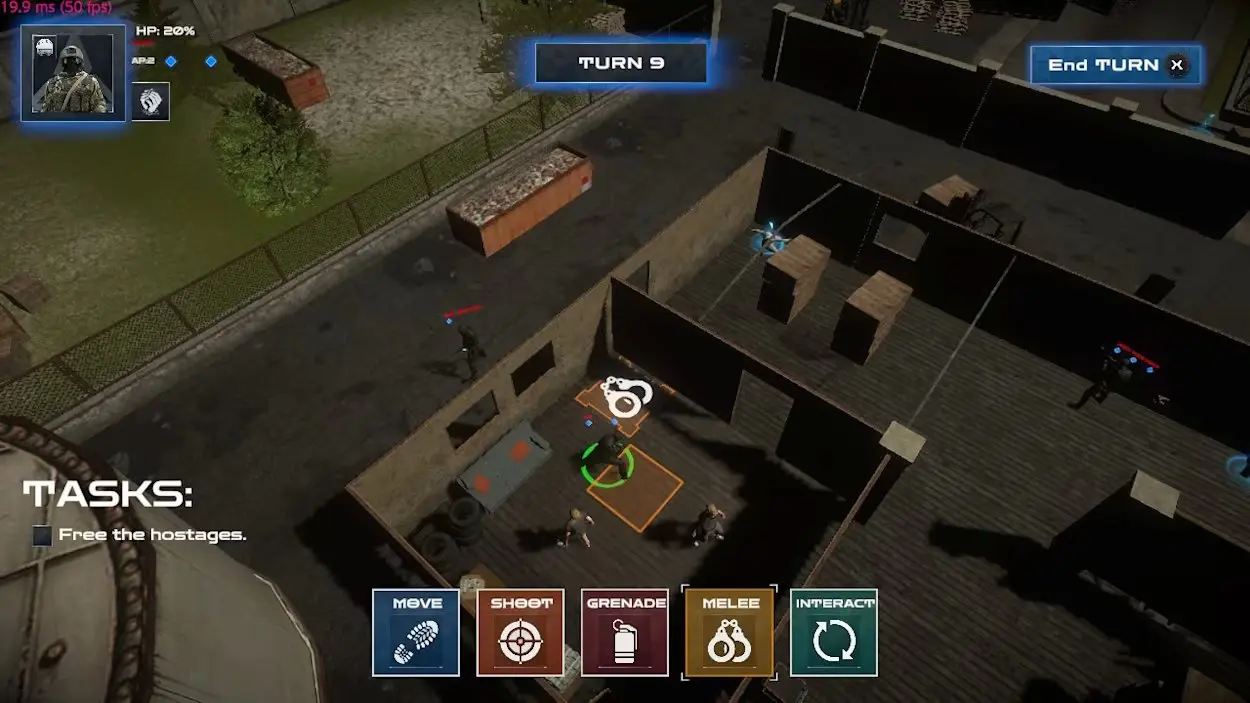
Hostage safety sits at the center of the game’s operations. The aim is to secure civilians and escort them out safely, not merely defeat opponents. This creates pressure in every confrontation, particularly when enemy resistance and hostage locations may force the squad to make decisions in confined or vulnerable spaces.
Safe extraction makes collateral damage a serious concern. The game describes firefights as an expected part of the experience, but it also allows room for smart planning and non-lethal solutions. That tension is important: force may solve an immediate threat, while a controlled approach may better protect civilians and preserve mission success.
Choices are also presented as having consequences for the unit’s reputation. The rescue mechanics therefore reinforce the larger tactical tone. A player must consider how to secure and move hostages, when to engage, and how to keep an assault from creating new risks. The strongest result is not simply surviving an encounter; it is completing the mission with the people under protection brought to safety.
Planning Assaults Through Reconnaissance, Cover, and Movement
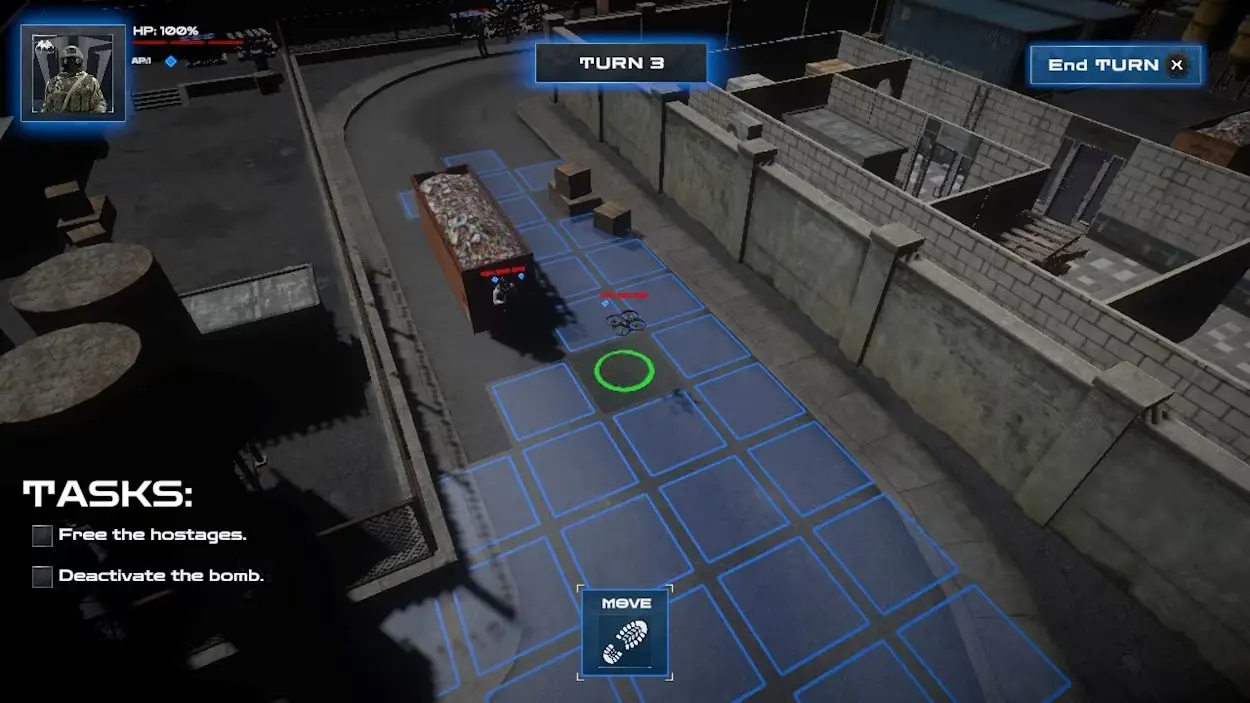
The game’s tactical planning begins before the first exchange of fire. Reconnaissance is encouraged as a way to assess threats and plan an approach. Surveying a position can help the player decide where the squad should move, which obstacles can be used, and how an assault may unfold once enemies react.
Cover is a key part of that process. Players are asked to use it intelligently while navigating complex environments, but cover is not necessarily permanent. Destructible objects and breachable walls can change the shape of an encounter, opening routes or removing protection. This makes movement a continuing calculation rather than a single decision made at the start of a mission.
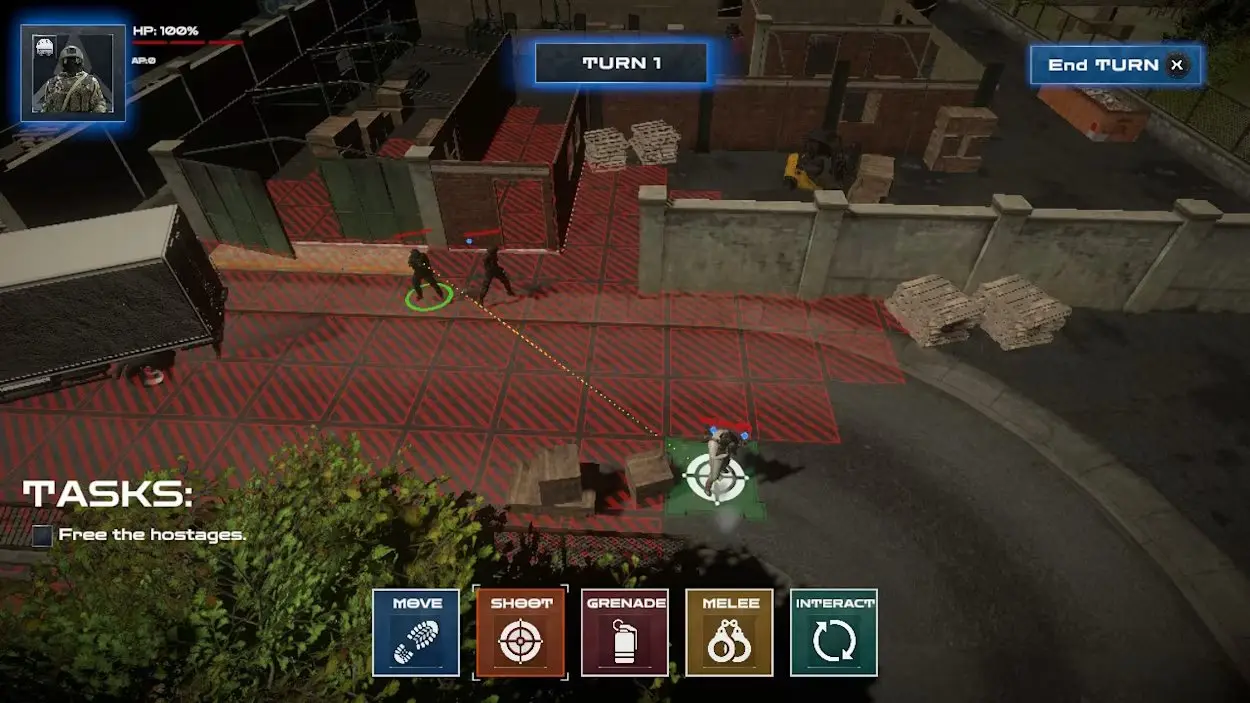
Enemy forces are described as reacting to player actions through flanking and coordinated attacks. That calls for flexibility once a plan is underway. A route that seemed safe may become exposed; an enemy response may require the team to reposition; a hostage situation may demand a more cautious pace. The atmosphere comes from this pressure between preparation and adaptation, with each operation asking the player to keep control as circumstances change.
Loadouts, Weapons, Gadgets, and Tactical Flexibility
Customizable loadouts give the unit tools for different kinds of operations. Players can equip team members with a selection of weapons, gear, explosives, and specialized gadgets, shaping their approach around the demands of a mission. The source material identifies the weaponry as authentic, while the broader loadout system supports varied tactical choices.
That flexibility matters because missions do not all present the same problem. A rescue operation may call for a cautious approach focused on securing civilians, while another situation may require breaching options, explosives, or equipment intended to overcome a defended position. Specialized gadgets add another layer to the squad’s preparation, allowing players to select tools that fit their intended plan rather than relying on one fixed setup.
The squad command system supports those choices during play. Precise commands can be issued to AI teammates for coordinated maneuvers, making the unit’s composition and placement meaningful. Special Forces Assault: Tactical Hostage Switch NSP therefore places its tactical flexibility in both preparation and execution: choose the equipment, direct the squad, then adjust when resistance or changing objectives disrupt the original plan.
5 Practical Priorities for Stronger Rescue Operations
- Scout first. Use reconnaissance before engaging to assess the situation and form an assault plan. Knowing the environment and likely threats supports more controlled decisions once the operation begins.
- Protect the hostages. Keep safe extraction as the mission’s central concern. Secure and escort civilians carefully, and avoid unnecessary collateral damage during confrontations.
- Use cover with purpose. Move strategically through the environment instead of treating cover as a permanent shelter. Openings, destructible cover, doors, and breachable walls can all affect the safest route forward.
- Coordinate the squad. Give AI teammates precise commands for maneuvers that support the plan. Team actions are particularly valuable when enemies flank or coordinate their own attacks.
- Adapt the plan and loadout. Select weapons, gear, explosives, and specialized gadgets for the operation, then remain ready to change tactics as objectives evolve or opposition responds.
For players interested in a Nintendo Switch action strategy game with a rescue-focused structure, the appeal lies in the relationship between planning and consequence. The campaign’s Crimson Dawn crisis supplies the stakes, while dynamic objectives, responsive enemies, configurable equipment, and replay-oriented difficulty options give each operation room for deliberate tactical play.