Football Simulator 2024 Switch NSP

Report Link Error
Select the broken download file, then submit the report.


Screenshots

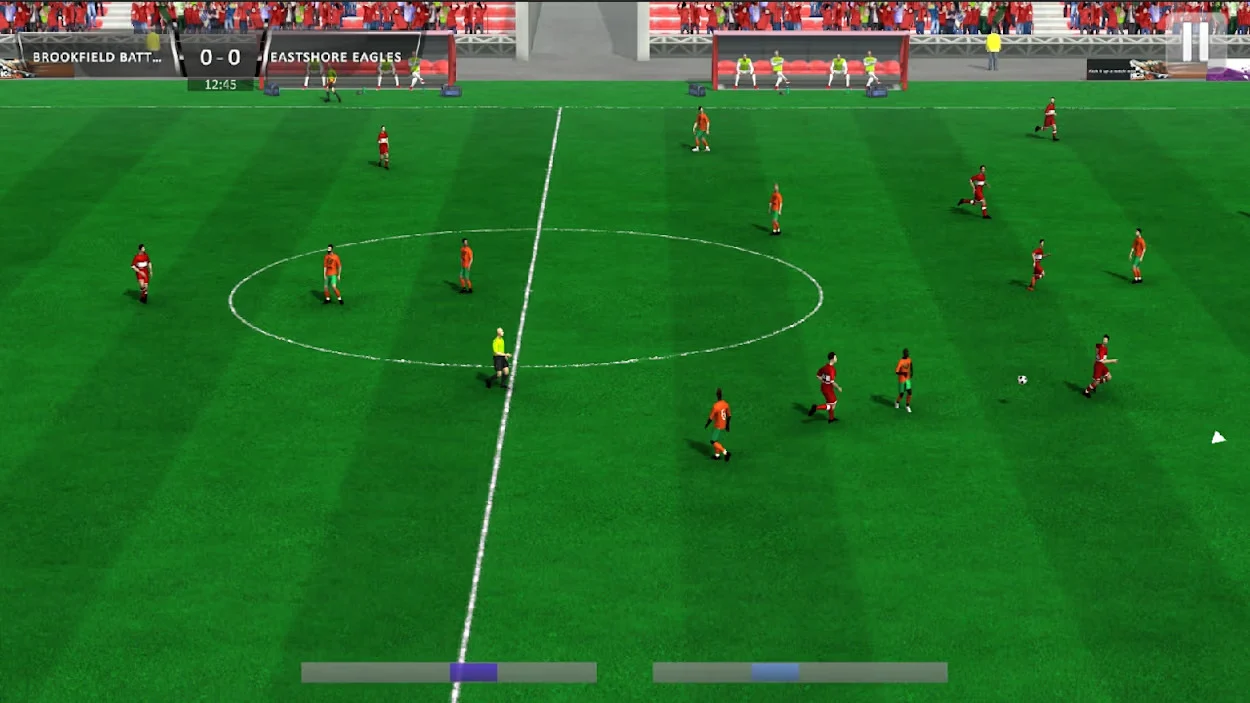
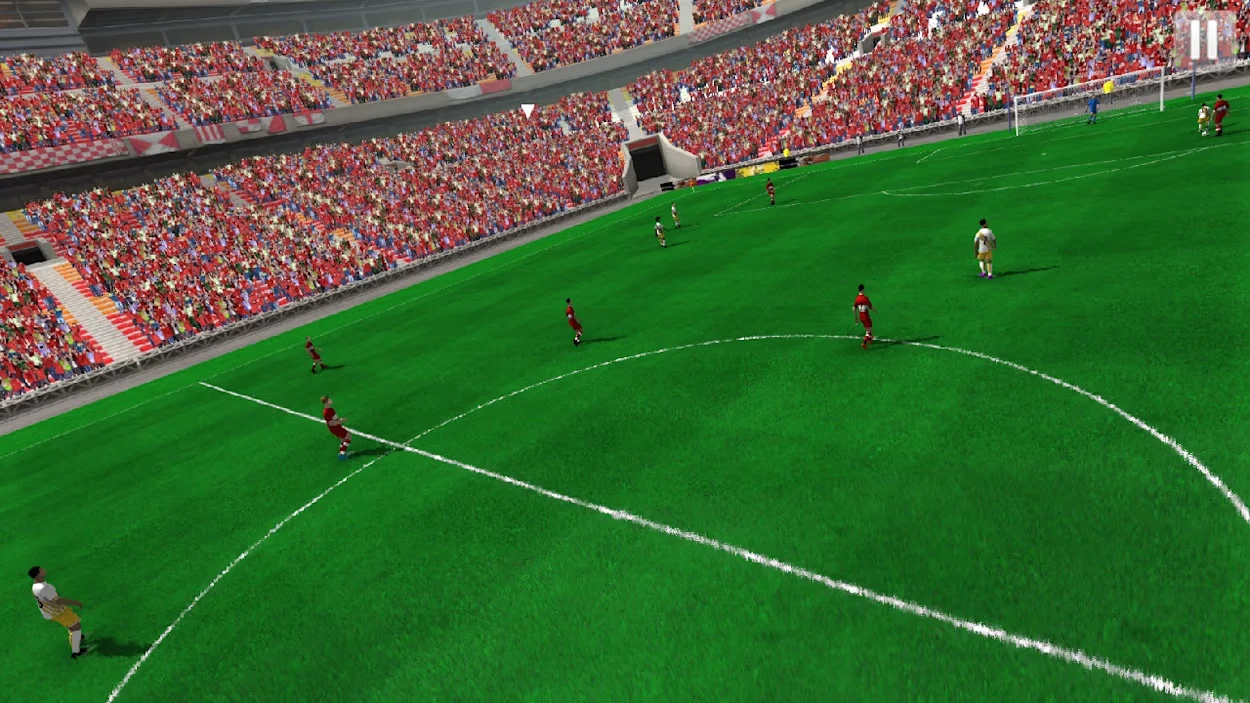
About Game
Football Simulator 2024 Switch NSP places the player in charge of a football club’s direction rather than telling a fixed, linear story. Developed and published by DEMENCI Games, this Simulation and Sports release arrived on February 9, 2024, for Nintendo Switch. Its focus is managerial: building a squad, setting tactics, handling finances, and making the choices that shape a club over multiple seasons.
Football Simulator 2024 on Nintendo Switch: A Management-Focused Football Experience
This is a football management simulation built around leadership decisions. The central role is not that of a single player on the pitch, but of a manager responsible for the wider club. Match preparation, recruitment, contracts, morale, budgets, and player development all feed into the team’s progress.
DEMENCI Games frames the experience around control of a club’s footballing future. That creates a different kind of sports-game rhythm: planning can matter as much as matchday action. A manager may spend time looking at the squad’s needs, considering a transfer target, preparing a formation, or deciding how much room remains in the transfer budget before the next fixture arrives.
The game’s interface is described as approachable for newcomers while retaining management depth for players who want to spend more time on strategy. Its atmosphere comes from the pressure of those connected decisions. A result is not simply an isolated event; it can influence morale, future planning, and the direction of a season.
Creating a Club Legacy Through Seasonal Decisions
The Football Simulator 2024 career is a player-created narrative. Rather than following a prewritten protagonist or a fixed sequence of plot events, it begins with a manager’s journey through the lower leagues. The story develops through league campaigns, cup competitions, transfers, player growth, and the consequences of major decisions.
That progression gives the idea of a club legacy practical meaning. Results build momentum, while difficult periods create new problems to solve. A successful signing may improve the squad immediately; a well-developed young player may become important in later seasons. Contract choices can also affect continuity, particularly when key players approach the end of their deals.
Because a season can unfold differently according to squad selection, finances, tactics, and match decisions, the game has room for repeat play. One career might prioritize careful development from the lower leagues, while another could focus more heavily on scouting and recruitment. The common thread is that the club’s history emerges from managerial choices rather than a predetermined script.
Building a Squad Through Scouting, Transfers, and Contracts
Recruitment is one of the core responsibilities in Football Simulator 2024. Managers can scout talent, pursue signings, negotiate transfers, and manage player contracts. The process asks players to think beyond the next match and consider how each addition fits the squad as a whole.
Player scouting supports a more deliberate approach to squad building. Regular scouting can help identify promising or undervalued players, including talent in lower leagues. This can be especially useful when a club cannot simply solve every weakness through expensive recruitment.
Transfers are tied to negotiation and financial limits, so a signing is not only a football decision. The player’s role, contribution to the tactical setup, and contract situation all matter. Keeping track of expiring contracts is equally important, as losing a key player can disrupt longer-term planning.
Youth development adds another path forward. The game allows managers to develop youth academy prospects, creating the possibility of homegrown players becoming part of the first team in future seasons. That gives squad planning a longer horizon: immediate reinforcements can work alongside patient investment in younger talent.
Tactics, Formations, and Matchday Preparation
Football Simulator 2024 tactics begin before kickoff. Managers can establish detailed match plans and choose football formations based on the players available. The most useful setup is not necessarily the same from one squad to another; the source material emphasizes understanding player strengths, weaknesses, and roles.
A formation can therefore be treated as a way to organize the team around its personnel. Choosing roles that suit a preferred tactical style helps create a clearer plan, while experimentation can reveal alternatives when the squad changes. This makes recruitment and tactics closely connected: a new signing may address a weakness, but may also create fresh options in the shape of the team.
Matchdays bring those plans into a live setting. The game includes real-time tactical adjustments and player substitutions, allowing managers to respond during matches rather than relying only on pre-match choices. Adapting to an opponent’s play is presented as a useful part of the challenge, and it reinforces the sense that management continues after the initial lineup is selected.
Balancing Club Finances Without Sacrificing Ambition
Club finances are another part of the managerial workload. Budget management affects how aggressively a team can pursue transfers and how sustainable its plans may be over several seasons. A large outlay on one player can reduce flexibility elsewhere, while a more measured approach can leave room for future needs.
Football Simulator 2024 finances reward spending discipline rather than unchecked ambition. Managers are encouraged to avoid excessive transfer costs and maintain a healthy financial balance. That does not mean abandoning ambition; it means linking ambition to a workable plan for the squad, the budget, and the club’s future.
Scouting undervalued talent and developing youth prospects can support that balance. These systems give managers alternatives to costly signings, while contract management helps prevent avoidable losses. The result is a club-building challenge in which finances, recruitment, and competitive goals are all connected.
7 Strategic Priorities for New Football Simulator 2024 Managers
- Assess the squad first. Review the team’s strengths and weaknesses before committing to a formation, transfer target, or player role.
- Match roles to the plan. Choose player roles that support the tactical style and formation you want the team to use.
- Scout consistently. Regular scouting can reveal promising and undervalued players, including options from lower leagues.
- Protect morale. Player morale is a factor to manage, and unhappy players can affect performance.
- Track contracts early. Keep watch on expiring deals so important players are not lost through poor planning.
- Develop youth prospects. Investing in the youth academy can create a longer-term supply of homegrown talent.
- Adapt on matchday. Use tactical changes and substitutions during live matches when the opponent’s approach demands a response.
Football Simulator 2024 is suited to players who enjoy the strategic side of football: planning a club’s development, managing constraints, and watching decisions accumulate across seasons. Its management systems make each campaign less about a fixed destination and more about the route a manager chooses to build.