Unicorn Overlord Switch NSP
Report Link Error
Select the broken download file, then submit the report.


Screenshots
About Game
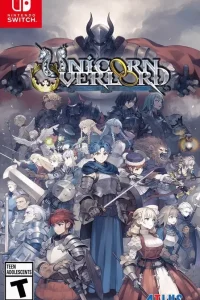
Unicorn Overlord Switch NSP refers to the Nintendo Switch release of SEGA’s Strategy/RPG, launched in the USA on March 8, 2024. Set on the war-torn continent of Fevrith, it combines open-ended travel, liberation efforts, army management, and battles shaped by preparation as much as execution.
Unicorn Overlord on Nintendo Switch: Release and Game Details
The Nintendo Switch version carries Title ID 010069401ADB8000 and is classified as a Strategy/RPG. SEGA published the game for the USA region, with language support for English, Spanish, French, German, Italian, Korean, Simplified Chinese, Traditional Chinese, and Japanese. Its listed firmware requirement is 16.1.0, while the reported file size is 2.98 GB.
The March 8, 2024 Unicorn Overlord release date placed a sprawling fantasy campaign on Switch, built around the tension between broad exploration and focused tactical encounters. The game’s structure gives players room to travel through Fevrith, pursue quests, reclaim occupied places, and strengthen an expanding resistance. That makes its strategic identity feel broader than combat alone: every new ally, recovered town, and collected resource can feed back into the army Alain is trying to build.
As a SEGA strategy RPG, Unicorn Overlord emphasizes unit composition, class strengths and weaknesses, positioning, and carefully chosen commands. The battles unfold dynamically after players set their approach, so preparation has real weight. A squad that looks capable on paper can still struggle if its rows, matchups, or planned actions do not fit the enemy’s formation.
Alain’s Fight to Reclaim Fevrith
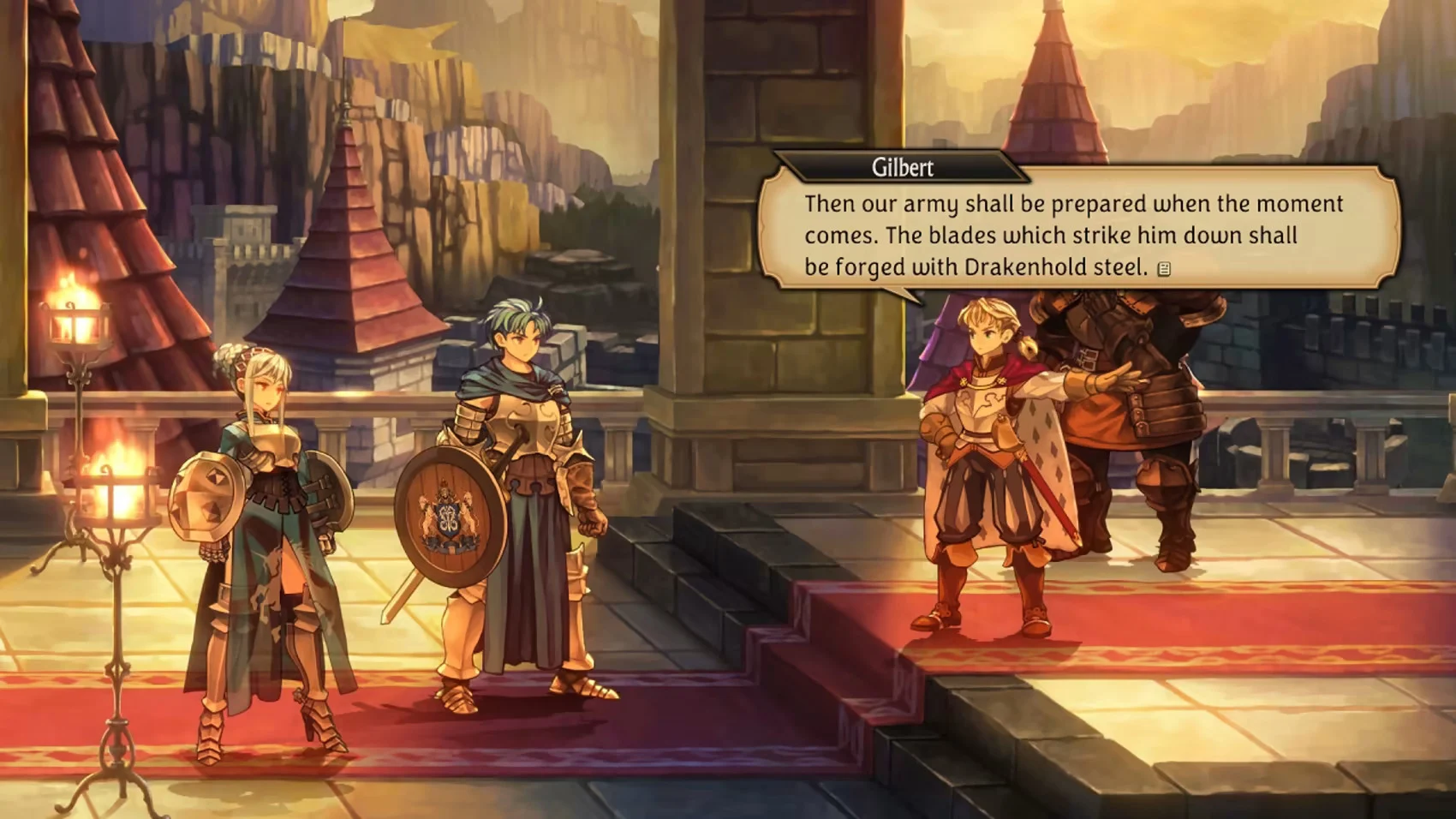
The Unicorn Overlord story begins after the Zenoira Empire conquers the five nations of Fevrith. Under the rule of Galerius, the continent has fallen into oppressive control. Alain, the prince of the defeated kingdom of Cornia, becomes the central figure in the effort to resist that empire and restore freedom.
Alain’s campaign is not presented as a solitary march toward a throne. To challenge Zenoira, he must gather an army and bring together people from across the continent. That creates a journey shaped by political divisions, personal histories, and the practical demands of leading a growing force. The goal of reclaiming Cornia remains personal for Alain, but the larger struggle reaches throughout Fevrith.
Characters who join the resistance come from different nations and carry their own motives and backstories. Their presence gives the conflict a wider perspective: the campaign concerns not only one fallen prince, but communities living under imperial rule and the alliances needed to change their situation.
Exploration, Liberation, and Army Building
Unicorn Overlord exploration ties its world map activities directly to progression. Players can move through Fevrith, search for secrets, complete quests, and liberate towns and regions. These activities help make the continent feel like a place under active pressure rather than merely a sequence of separate battle maps.
Liberation also has a strategic purpose. Reclaiming areas supports the broader resistance while providing opportunities to gather resources and manage the needs of the army. Materials and gold can be used for gear, facilities, and the upkeep of a growing force. That loop gives decisions outside battle tangible value: exploration may reveal a new task, a liberated town may support progress, and resources can help prepare squads for later engagements.
Recruitment is equally important to army building. New characters expand the available pool of classes, abilities, and potential combinations. Rather than treating each ally as interchangeable, the game asks players to consider how individual strengths can serve a particular unit. The result is a campaign where movement across the continent and the development of the army remain closely connected.
How Five-Character Squad Formation Shapes Battles
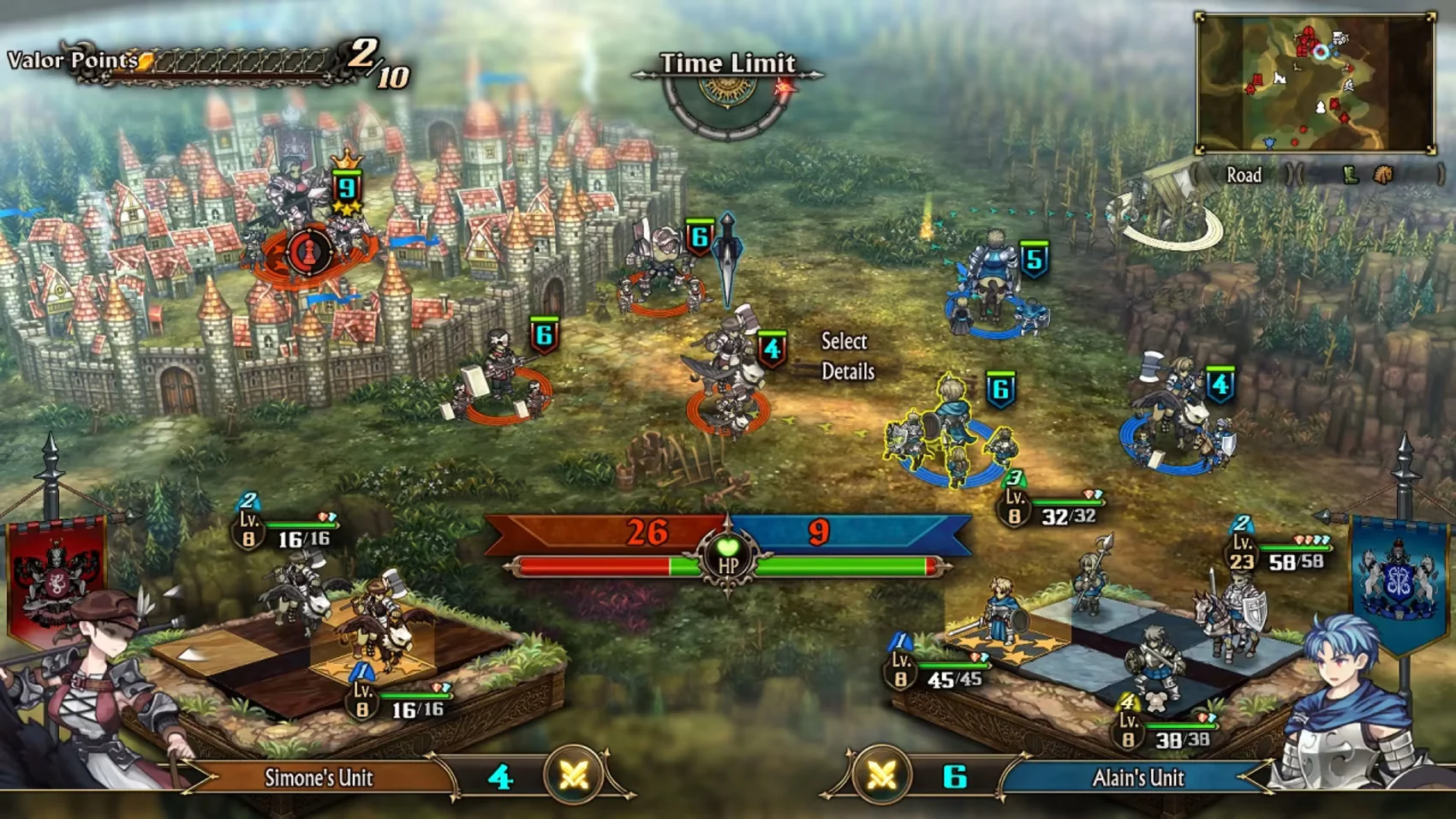
The core of Unicorn Overlord squad formation is the ability to build units containing up to five characters. Those characters can be arranged between front and back rows, and that placement matters. A front-line role may need to withstand pressure, while a back-row role can be positioned to support the unit from relative safety.
Formation choices work alongside the class system. Characters have distinct strengths, weaknesses, and skills, so a successful five-character unit is not simply a collection of the strongest available recruits. It is a group arranged with a purpose. Players need to think about who is exposed, who can support others, and how the squad’s abilities will interact once combat begins.
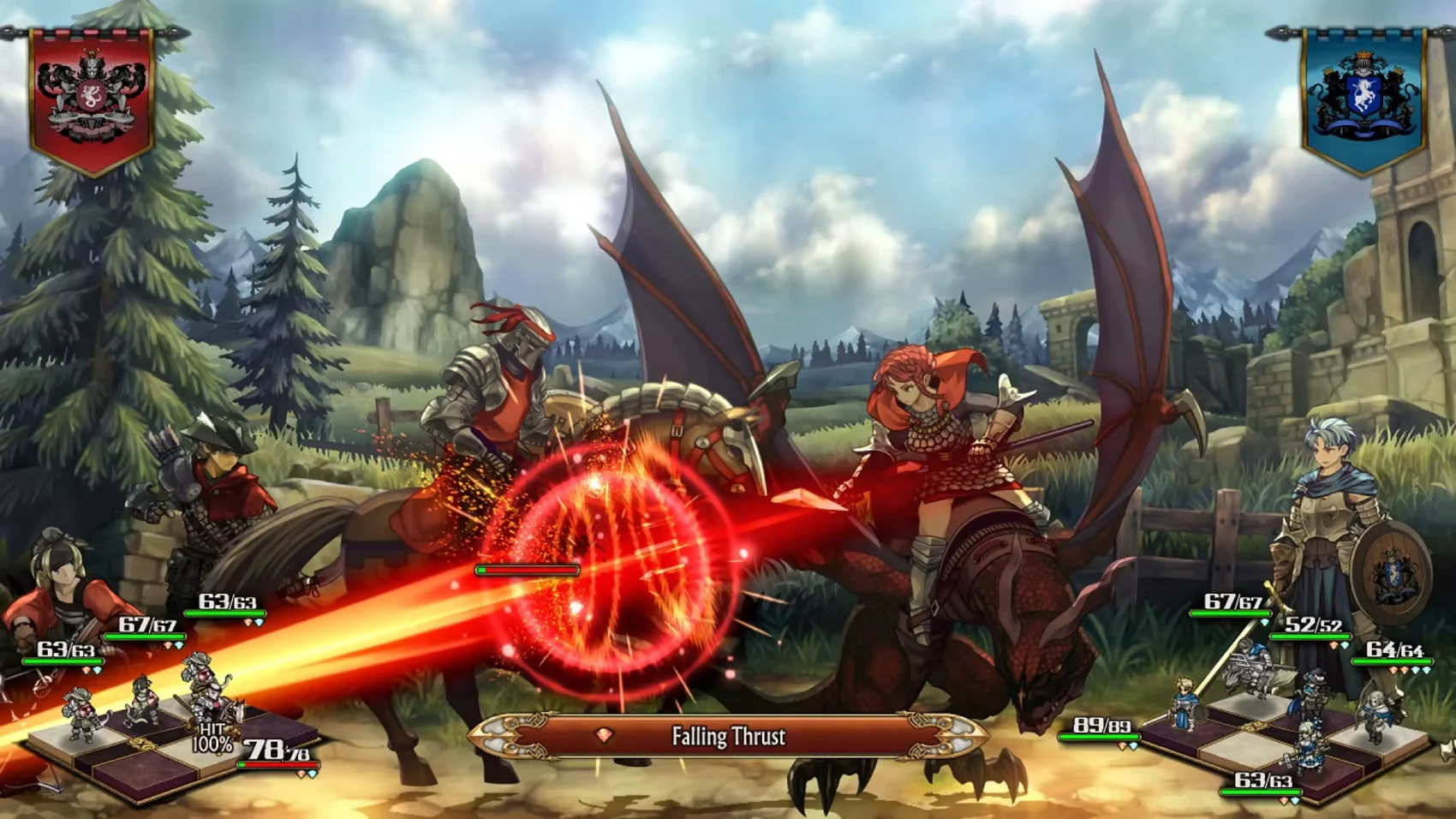
Commands are set before an engagement, after which the battle plays out dynamically. This structure rewards foresight. Planning a unit’s actions, recognizing class matchups, and placing characters in useful rows can be more important than reacting after the fighting has started. Counter-attacks and coordinated assaults further encourage players to view squads as connected systems rather than individual fighters.
Relationships, Alliances, and a Diverse Resistance
The resistance grows through recruitment, but the characters Alain meets also contribute to the game’s relationships and alliances. Allies arrive from different parts of Fevrith, with distinct reasons for joining the cause. Learning about those motives gives greater meaning to the campaign’s effort to unite the continent against Zenoira.
Unicorn Overlord relationships have a gameplay dimension as well. Developing bonds between characters can unlock special dialogue and new abilities. This gives players another reason to consider who fights together and how the army develops over time. Relationships are not detached from the strategic side of the game; they can affect what a squad is capable of doing.
These connections reinforce the central theme of rebuilding. Alain is attempting to reclaim Cornia, but he is also forming a network of people and nations capable of resisting a larger empire. The alliances across Fevrith make the conflict feel collective, with recruitment serving both the narrative and battlefield sides of the experience.
7 Strategic Priorities for Building Better Squads
- Read the opposition. Assess an enemy formation before committing to battle. Knowing how opponents are arranged helps determine which squad and approach may be most effective.
- Protect the right roles. Balance front- and back-row placement so durable characters can face pressure while supporting characters are positioned appropriately.
- Respect class matchups. Each class has particular strengths, weaknesses, and skills. Build squads with those differences in mind rather than relying on a single type of unit.
- Create useful synergies. Look for combinations of characters and abilities that complement one another. Coordinated groups can offer more than a set of isolated fighters.
- Set commands with intent. Since actions are chosen before combat unfolds, planned commands should suit both the squad’s composition and the enemy it is facing.
- Use counter-attacks wisely. Effective counter-attacks can turn an opponent’s approach against them, especially when the unit’s formation and matchups are prepared in advance.
- Fund the resistance. Gather materials and gold through exploration, quests, and liberation, then direct those resources toward gear, facilities, and the needs of the army.
For players drawn to tactical planning, character recruitment, and a fantasy campaign centered on reclaiming occupied lands, Unicorn Overlord Switch NSP offers a strategy-focused journey through Fevrith. Its systems encourage thoughtful squad design while keeping the larger objective in view: build enough trust, strength, and unity to challenge the Zenoira Empire.