Aragami 2 Switch NSP

Report Link Error
Select the broken download file, then submit the report.
Screenshots
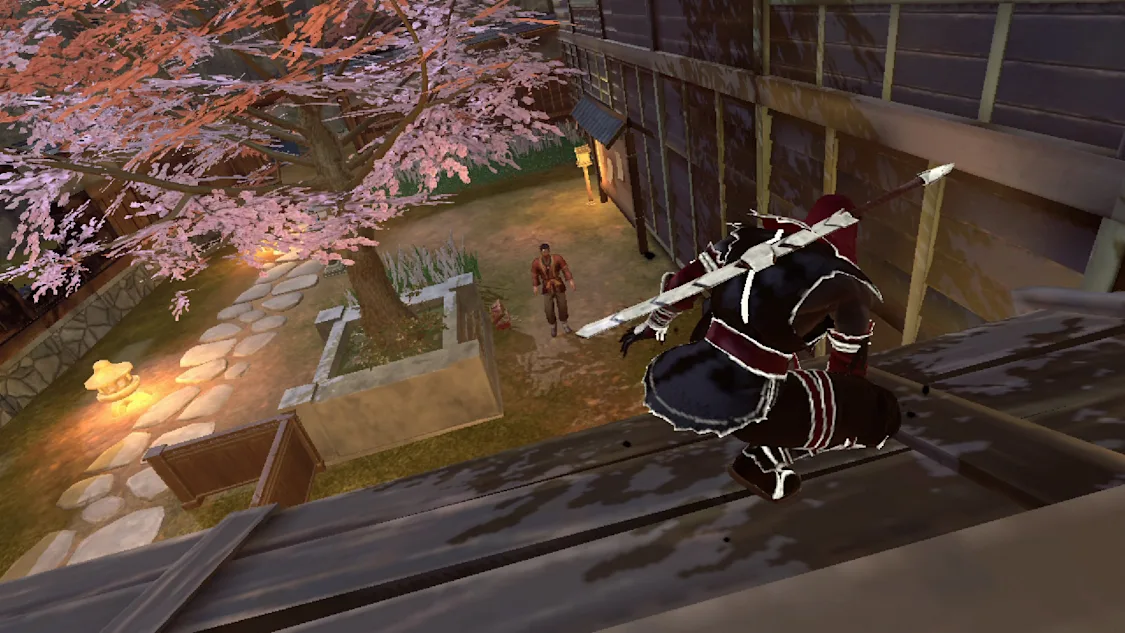
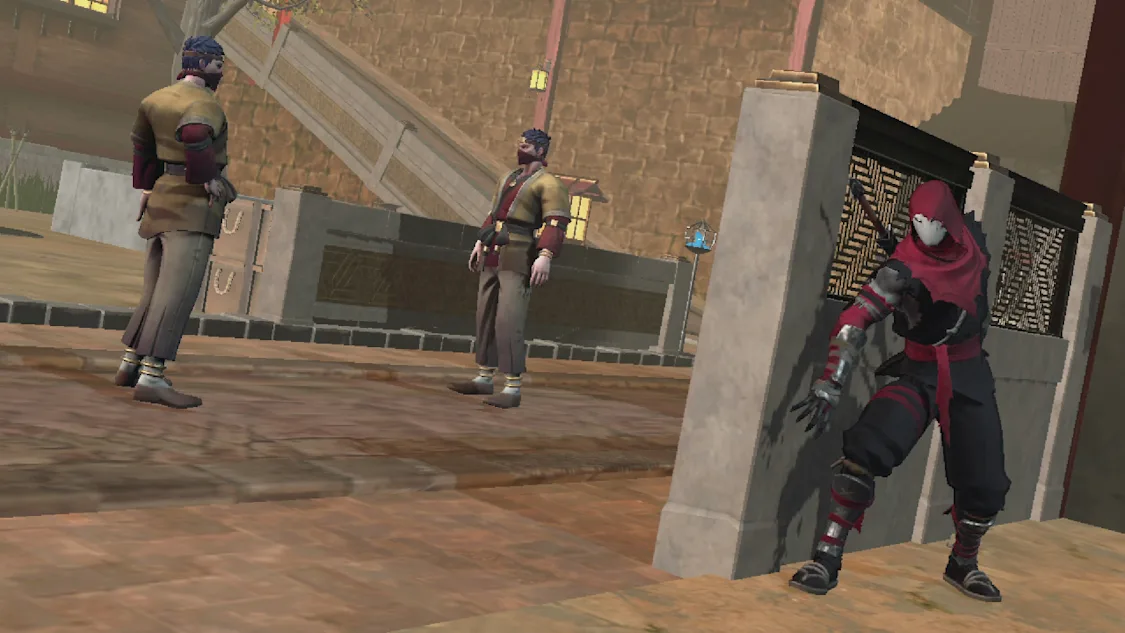
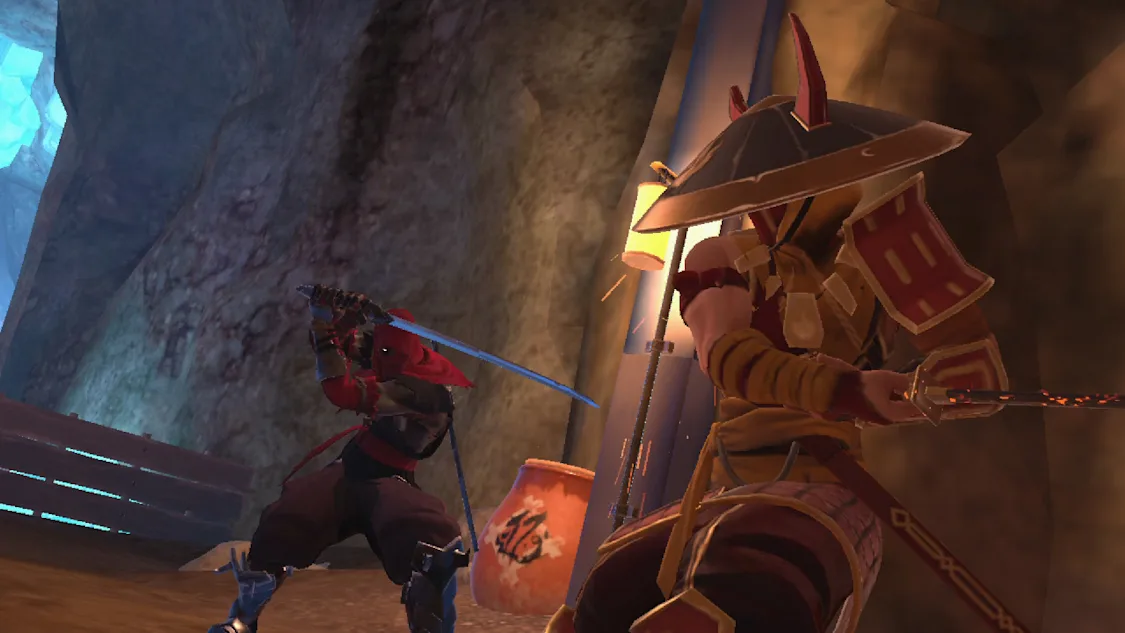
About Game
Aragami 2 Switch NSP brings its shadow-focused action and stealth framework to Nintendo Switch with a clear emphasis on positioning, patience, and supernatural movement. Released on November 10, 2022, this Action/Adventure title places players in a threatened land where staying unseen is often as important as confronting an enemy directly.
Aragami 2 on Nintendo Switch: Release and Game Details
The Nintendo Switch edition of Aragami 2 arrived on November 10, 2022. Merge Games served as both publisher and developer, placing the game in a notably unified production role. It is listed in the Action and Adventure genres and is available in the Europe and USA regions.
Language support includes English, French, German, Portuguese, Russian, and Spanish. The game’s premise and mechanics lean into a darker, supernatural form of stealth rather than simple avoidance. Movement through darkness, silent eliminations, tactical swordplay, and mission planning all feed into its identity as an action game where awareness matters.
The setting is designed around layered environments and routes that invite observation. Instead of treating every encounter as a straightforward fight, the game encourages players to look for shadows, hiding places, patrol patterns, and routes toward an objective. That approach gives the Switch version a deliberate pace: progress can depend on reading a space before acting within it.
A Shadow Warrior’s Fight for Rashomon Valley
The Aragami 2 story begins with the player as one of the remaining Aragami, a people of shadow warriors suffering from a mysterious affliction. The illness is consuming them, turning the conflict into something more urgent than a struggle over territory alone. The search for a cure is tied to the survival of the Aragami themselves.
Rashomon Valley, the home of the Aragami, is threatened by the expanding Akatsuchi Empire. This gives the campaign a personal stake: protecting the valley and its people while pursuing answers about the condition affecting them. The conflict with the Akatsuchi Empire also creates the wider pressure around missions, adversaries, and the future of the region.
There is a strong sense of tension in that setup. The player is not simply a hidden fighter moving from target to target; they are part of a dwindling group facing a danger from within and an invading force from without. Ancient prophecies, difficult decisions, powerful opponents, and discoveries concerning the Aragami’s past all contribute to the narrative direction described for the game.
Using Shadow Powers for Movement, Distraction, and Escape
The defining tools in Aragami 2 are its supernatural stealth abilities. Shadow is both cover and opportunity, shaping how a player approaches elevated paths, guarded spaces, and escape routes. The goal is often to turn the environment into an advantage before an enemy has time to respond.
Shadow Leap is central to that mobility. It allows the character to teleport between shadows, opening a quick way to cross a dangerous gap, reach a different route, or disappear after taking action. It is an ability with practical value beyond spectacle, since a well-timed leap can help preserve the element of surprise.
Other shadow powers broaden the tactical options. Some can create distractions, shifting an opponent’s attention away from a route or objective. Others can temporarily blind foes, creating a short window to move, hide, or act. Silent takedowns fit naturally into this approach, while sword combat remains available when concealment breaks down.
That balance gives supernatural stealth a flexible character. Direct combat is presented as challenging, with parrying and dodging important to survival, so shadow abilities do not merely add flair. They can reduce the need for a risky confrontation in the first place.
- Observe first: Watch patrols, hazards, and potential hiding places before committing to a route.
- Use darkness: Treat shadowed areas as movement options as well as places to remain unseen.
- Leap with purpose: Save Shadow Leap for a better position, a clean exit, or a sudden bypass.
- Split attention: Distractions and temporary blindness can create useful openings without a direct fight.
- Keep an escape route: A stealth plan is stronger when there is a shadowed path away from danger.
Character Progression, Equipment, and Crafting Tools
Aragami 2 progression gives players room to develop a preferred style over time. New shadow abilities can be unlocked, while equipment can be upgraded. These systems support an evolving approach to missions, allowing the character’s available tools to grow alongside the demands of the campaign.
The game also includes crafting. Resources gathered during play can be turned into practical items, including healing elixirs and traps. These are useful complements to the core stealth systems: an elixir can help after a difficult encounter, while a trap can assist with controlling a threatening situation or protecting an approach.
Equipment, powers, and crafted items give missions a degree of replay value because they support different methods of solving the same kind of problem. A player focused on concealment may prioritize movement and distractions, while another may prepare more carefully for the possibility of combat. The framework does not remove the importance of skill, but it offers more than one way to prepare.
Mission Objectives Beyond Assassination
Aragami 2 missions extend beyond eliminating assigned targets. The stated mission range includes assassinations, rescues, and sabotage, each of which can change how a player evaluates a location. A rescue can place more value on a discreet approach and a safe route out; sabotage can encourage careful access to a guarded objective.
This variety matters because it keeps stealth from becoming a single repeated routine. Assassination missions may reward close observation and silent timing, while sabotage and rescue objectives can place greater emphasis on movement, distractions, and avoiding alarms. The same core mechanics remain relevant, but their use can shift according to the task.
For players drawn to tactical action, that structure supports a measured style of play. The environments are not only spaces to cross; they are problems to assess. Paths above, around, and through enemy positions can become part of a plan, particularly when shadow movement and crafted tools are available.
Co-op Strategies for Three Shadow Warriors
Cooperative multiplayer allows up to three players to tackle missions together. In Aragami 2 Switch NSP, that option can change the feel of a stealth operation without changing its underlying priorities. Coordination still matters, because multiple players can create opportunities for one another but can also complicate an approach if they act without a shared plan.
A three-player group can divide attention in useful ways. One shadow warrior might scout a route, another might create a distraction, and a third could move toward the objective. Teammates can also coordinate escapes, watch different approaches, or handle separate parts of a mission when the situation allows it.
Co-op is especially suited to players who enjoy discussing routes and timing rather than rushing into combat. It preserves the game’s shadow-driven atmosphere while adding a social layer to reconnaissance, sabotage, rescues, and assassinations. For solo players, the progression and mission structure offer room for experimentation; for groups, cooperative stealth provides a reason to revisit those challenges with fresh plans.
Recommended Similar Games
 Etrian Odyssey Origins Collection Switch NSP XCIView Game
 Half-Life 2 Switch NSPView Game
 Azure Striker Gunvolt Trilogy Enhanced Switch NSPView Game
 Love Too Easily 2: Summer Pocha Switch NSPView Game
 Castlevania: Symphony of the Night (Port) Switch NSPView Game
 LumenTale: Memories of Trey Switch NSPView Game
