Phantom Breaker: Omnia Switch NSP
Report Link Error
Select the broken download file, then submit the report.


Screenshots
About Game
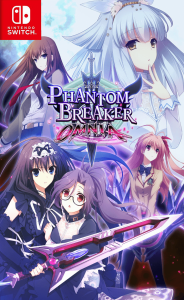
Phantom Breaker: Omnia Switch NSP brings fast, anime-inspired 2D fighting to Nintendo Switch with a release dated March 15, 2022. Developed and published by Rocket Panda Games, it is listed in the Arcade and Action genres and released across Europe, the USA, Asia, and Japan. Its appeal is built around direct combat, distinct character motivations, and a tournament story that grows far beyond a simple series of arena matches.
Phantom Breaker: Omnia on Nintendo Switch: Release and Game Profile
Rocket Panda Games’ Switch release arrived on March 15, 2022, positioning Phantom Breaker: Omnia as a fighting game focused on quick reactions and tactical decision-making. The Arcade and Action labels fit its emphasis on immediate, match-based competition, while its deeper systems provide room for players who want to study character options, defensive timing, and different approaches to combat.
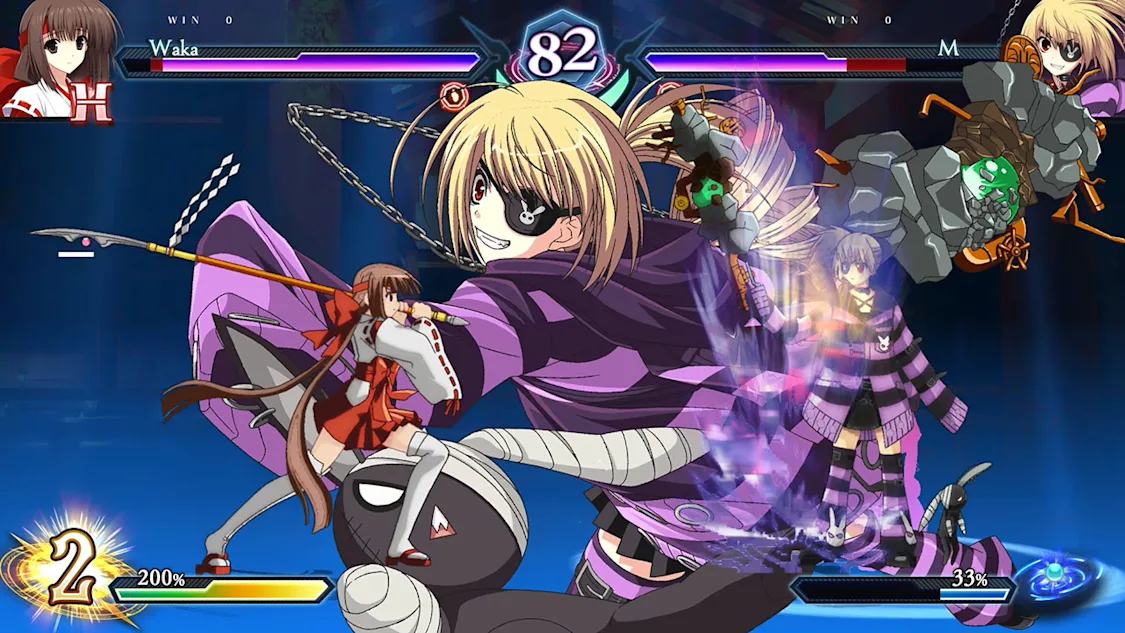
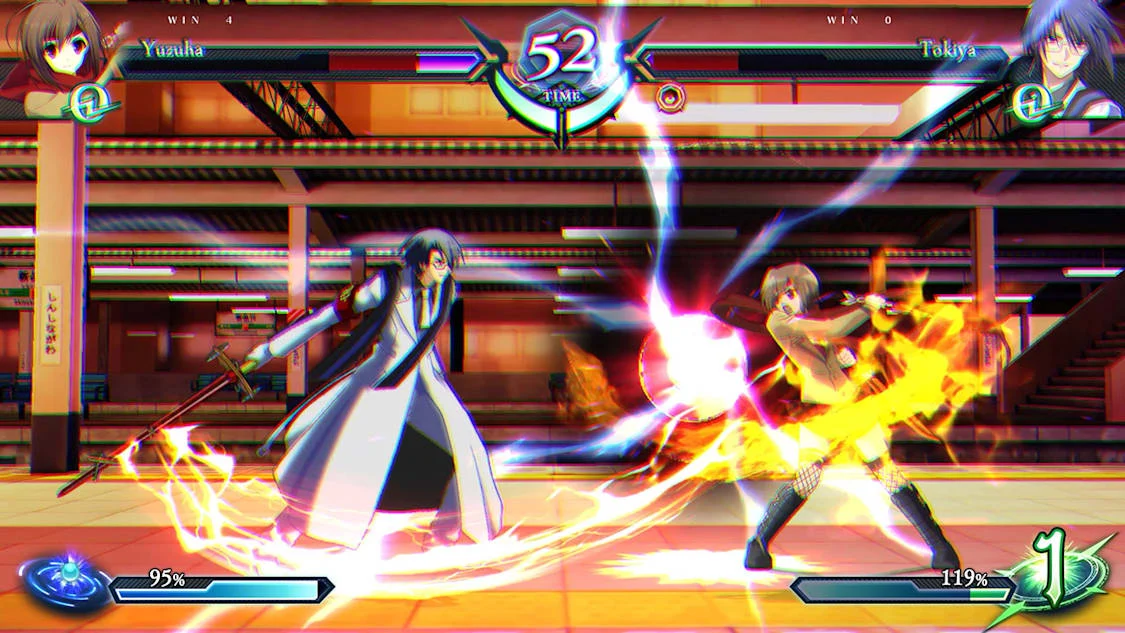
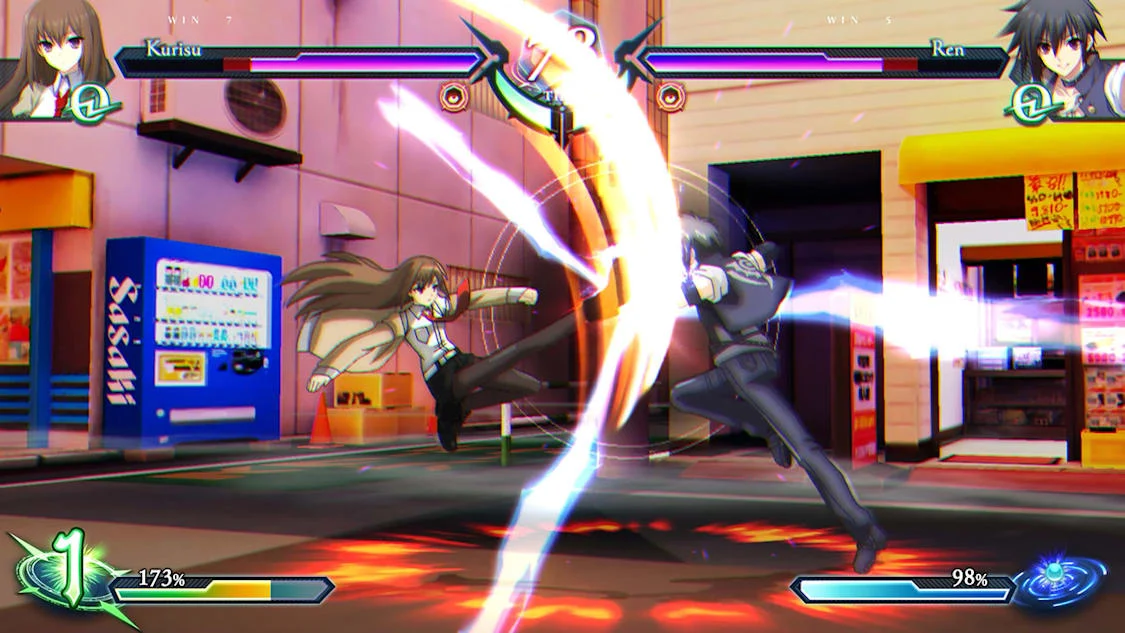
The game uses a classic 2D pixel-art presentation, giving its fighters and battles a distinctly anime-styled visual identity. That look supports the heightened tone of the game’s cast and story: dramatic rivals, unusual powers, and a shadowy contest in which every participant arrives with something to gain or lose.
Combat is not limited to straightforward attacks. Players can work with combos, special moves, super moves, burst attacks, and the Tension Gauge, which governs access to powerful actions. The result is a fighter where offense can be forceful, but where smart defense and well-timed responses remain just as important.
The Tournament at the Center of Phantom Breaker: Omnia
The Phantom Breaker Omnia story begins with a mysterious tournament arranged by a figure known only as Phantom. Participants are offered powerful weapons called Fu-mension Artifacts when they enter the contest. Phantom also promises to grant the competitors’ deepest wishes, creating a clear reason for desperate or determined fighters to accept the invitation.
That premise gives the tournament an uneasy atmosphere. The promise of power and fulfilled desires makes the event seem purposeful, yet Phantom’s role remains deliberately obscure. The matches are not merely sporting challenges between rivals; they are part of an arrangement controlled by someone whose real intentions are hidden from the people doing the fighting.
The Fu-mension Artifacts are therefore more than visual flourishes within a fantasy fighting game. They are tied to the reason the cast has been drawn together. Each battle can feel personal because the competitors are not entering the arena for the same reason, even though they are all caught within Phantom’s tournament.
Character Motivations and the Threat Beyond the Arena
The fighters of Phantom Breaker: Omnia are connected by the tournament, but their individual goals differ. Some enter in pursuit of revenge. Others fight to protect people they care about. A few simply want the challenge that the contest offers. Those motivations give the roster a useful dramatic variety, allowing personal conflicts to sit beside the larger mystery surrounding Phantom.
As events develop, the conflict reaches beyond the arena. Phantom’s plans involve a dangerous disruption of space and time, placing parallel dimensions at risk. The game’s anime fighting story shifts from private wishes and rivalries toward a broader threat, with the combatants realizing that they may be involved in a much more destructive scheme than they first understood.
This escalation gives victories and defeats added context. A match can still be a contest of technique, but it also belongs to a narrative in which the fate of multiple dimensions is in question. Personal stories remain part of the picture, while the consequences of Phantom’s actions make the tournament feel increasingly unstable.
Defense, Counters, and Evasion in Fast 2D Combat
Phantom Breaker: Omnia’s speed is balanced by a defensive layer that asks players to recognize pressure rather than simply absorb it. Blocking is a basic tool for withstanding incoming attacks, but the game also gives players counter and evasion mechanics that can change the momentum of an exchange.
The counter system provides a way to answer an opponent’s offense with precise timing. Evasion, meanwhile, offers a means of escaping danger or repositioning when direct defense would leave a player pinned down. Used well, these tools can turn a defensive moment into an opening for a combo, special move, or a more assertive attack sequence.
Fighting styles also shape the decision-making. Players can select from Quick, Hard, and Omnia, with each style affecting character abilities, movement, and defensive options. This makes style choice meaningful before a match even begins. A player interested in mobility may approach a character differently from someone seeking a more durable or forceful game plan.
The combination of attacks, meter management, counters, and evasive movement supports both accessibility and strategic depth. Newcomers can focus on responsive controls and immediate exchanges, while experienced players have reasons to refine timing, learn matchups, and test how a chosen style changes a familiar fighter.
5 Ways to Explore Phantom Breaker: Omnia’s Game Modes
- Follow the mystery: Story Mode provides a route into the tournament, its participants, Phantom’s promises, and the wider danger involving space, time, and parallel dimensions.
- Take on the arcade path: Arcade offers a match-focused way to engage with the fighting system and face a sequence of battles outside the story’s larger context.
- Set up direct clashes: Versus is suited to focused matchups, letting players bring characters and fighting styles together for immediate competitive battles.
- Learn the details: Training Mode gives players space to work on moves, combos, defensive responses, counter timing, and evasion without the pressure of a standard match.
- Return with a new plan: Together, these modes support experimentation and repeated battles. Players can practice in Training, test ideas in Versus or Arcade, then revisit Story Mode with greater command of their chosen character and style.
This structure gives the game replay value through improvement rather than through a single fixed route. A player can experiment with different members of the roster, compare Quick, Hard, and Omnia styles, or concentrate on tightening defensive decisions. The more closely someone engages with its systems, the more room there is to alter their approach.
Language and Regional Availability for the Switch Release
The Switch release is listed for Europe, the USA, Asia, and Japan. Its language support includes English, French, Spanish, German, Italian, Japanese, and Chinese, making the game accessible across the regions named in its release information.
For players looking for a Nintendo Switch fighting game with a dramatic tournament premise, pixel-art anime presentation, and systems built around offense and defense alike, Phantom Breaker: Omnia Switch NSP presents a compact but layered arena. Its appeal lies in the tension between immediate action and deliberate choices: when to block, when to evade, when to counter, and when to commit to a powerful response.