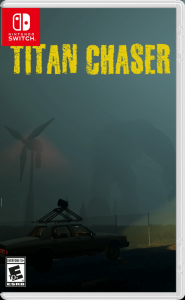
Titan Quest Switch NSP
Report Link Error
Select the broken download file, then submit the report.


Screenshots
About Game
Titan Quest Switch NSP brings a myth-driven action role-playing adventure to Nintendo Switch, built around real-time fights, flexible character development, and a long search for better equipment. Its journey moves through ancient settings inspired by Greece, Egypt, and Asia, where humanity and the gods face danger after the Titans escape their prison. The result is an adventure shaped as much by exploration and preparation as by the next battle.
Real-Time Action RPG Combat Against Mythical Enemies
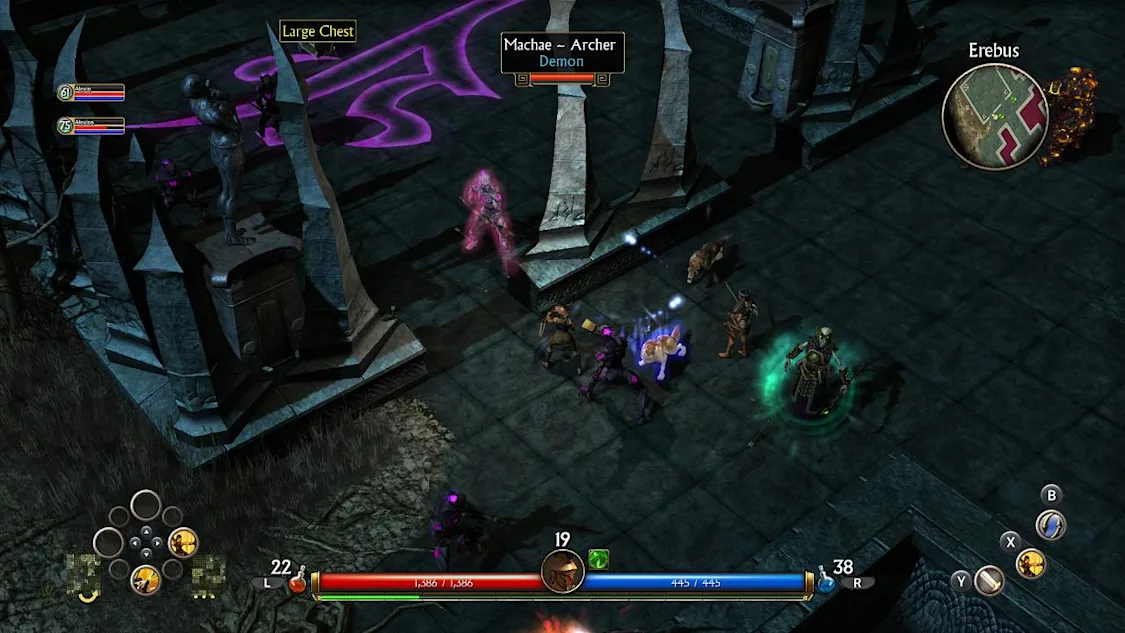
The combat in Titan Quest is direct and active. Players meet enemies in real time, using attacks, abilities, positioning, and healing resources to survive crowds of hostile creatures. Skeletal warriors, minotaurs, powerful bosses, and other mythological monsters give the game’s encounters a clear ancient-world identity rather than a purely medieval fantasy feel.
Its hack-and-slash structure rewards attention to the situation around the hero. Ranged enemies and spellcasters can demand a different response than close-range opponents, while larger threats can test a player’s ability to dodge, counterattack, and retreat when necessary. Potions matter during difficult battles, particularly when a fight becomes crowded or a boss puts sustained pressure on the character.
This action RPG Switch experience also benefits from enemy variety. The journey is not simply about cutting through one type of opponent; the mythology-based setting supports battles against creatures that fit the places being explored. Powerful foes are part of the progression loop, giving the player a reason to refine skills, reconsider gear, and return to combat with a more focused approach.
Building a Hero With the Dual Mastery System
The Titan Quest dual mastery system is central to how a character develops. Rather than following a single fixed route, players can combine two mastery types and their related skill trees. That structure creates room for distinct builds, allowing a hero to emphasize particular damage types, defensive choices, summons, pets, or other useful abilities.
Skill choices affect more than raw power. They influence how a character handles groups, approaches difficult enemies, and supports a preferred combat style. A player who invests early in one or two damage types can create a clearer direction for progression, while the second mastery adds another layer of options. This makes planning valuable without removing the appeal of experimentation.
- Choose a direction: Focus early skill points around one or two damage types to give a build a clear purpose.
- Pair masteries thoughtfully: Combining two skill trees lets players shape different offensive and defensive approaches.
- Use support tools: Certain masteries offer pets or summons that can contribute during demanding encounters.
- Adjust to the threat: Positioning, potions, and defensive preparation are important when enemies overwhelm the hero.
- Let equipment support the plan: Weapons, armor, and bonuses are most useful when they match the character’s chosen strengths.
The flexibility of Titan Quest builds gives the game replay value. A new pairing of masteries can change the feel of progression, encouraging players to test alternative skill trees instead of treating every run as the same journey with different numbers.
Loot, Weapons, Armor, and Magical Artifacts
Titan Quest loot is closely tied to combat and character growth. Defeated enemies and explored areas can provide weapons, armor, and magical artifacts, adding a constant sense that the next useful item may be close by. Equipment is not only a reward for fighting; it is part of the decision-making that supports a build.
Weapons and bonuses that complement a primary damage type can improve a hero’s effectiveness, while armor and other items with useful resistances can help answer elemental or physical threats. Even common equipment can have practical value early on, especially when a character needs a damage boost or added protection rather than a rare-looking reward.
This makes inventory evaluation a meaningful part of the adventure. A piece of Titan Quest equipment may be useful because it strengthens an existing strategy, patches a defensive weakness, or better prepares the player for a difficult optional area. The equipment hunt suits players who enjoy comparing item bonuses and gradually tuning a character through both skills and gear.
Exploration Beyond the Main Path
Titan Quest exploration extends beyond moving from one story objective to the next. Large ancient environments invite players to search side paths and corners of the map for hidden chests, side quests, optional areas, and extra challenges. That structure gives the world a more adventurous rhythm: a detour may lead to rewards, more enemies, or a test that is not required for immediate progress.
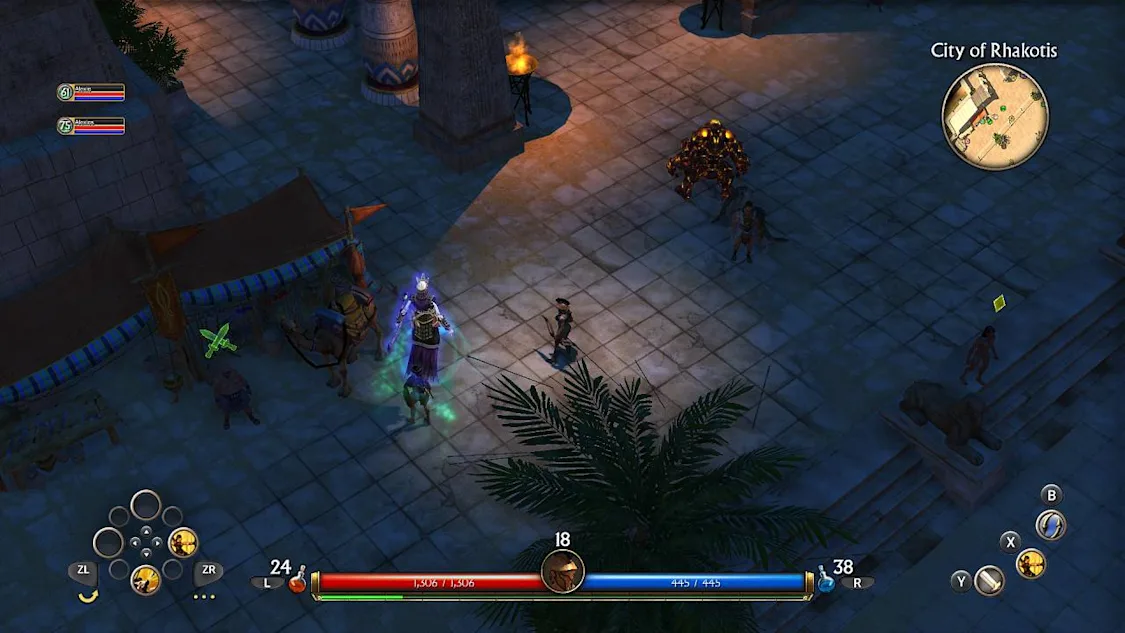
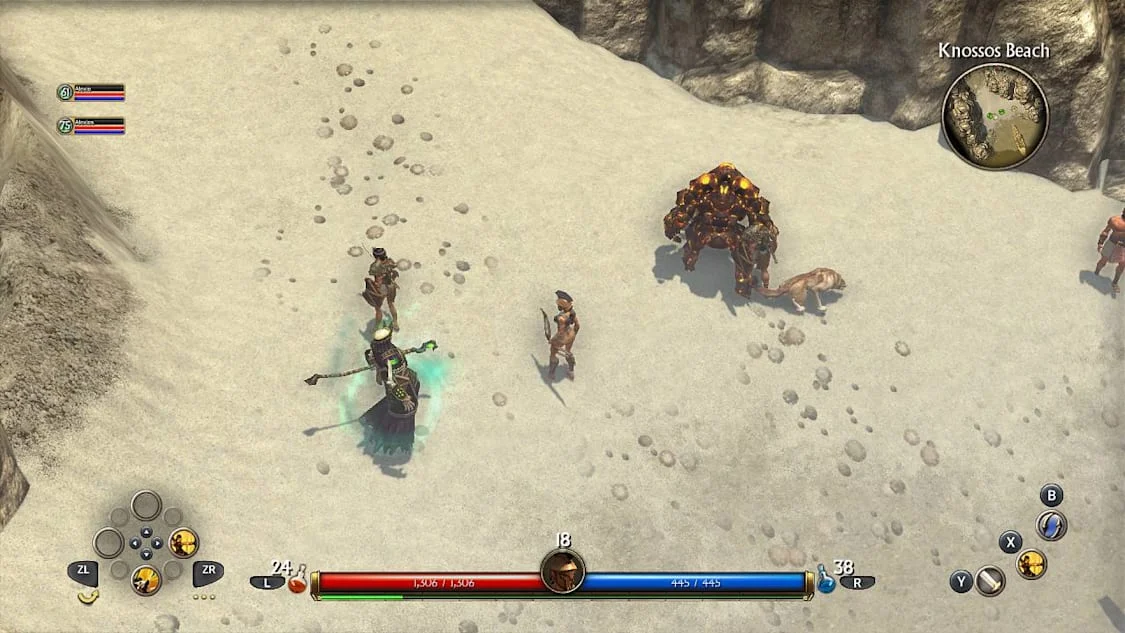
The ancient settings also help establish the game’s atmosphere. Greece, Egypt, and Asia provide a broad route for heroic travel, with each area forming part of a world where myths and legendary creatures are treated as active dangers. Exploration is therefore connected to the game’s presentation as well as its rewards. Searching a location can feel like part of the larger expedition through civilizations marked by gods, monsters, and looming catastrophe.
Players inclined to investigate thoroughly will find particular value here. Hidden chests and side quests provide reasons to slow down, while optional challenges can offer an opportunity to test a developing build before the main path demands more from it.
Nintendo Switch Release and Technical Game Details
The Titan Quest Nintendo Switch release arrived on July 31, 2018. It is listed in the Action and Role-Playing genres, with THQ Nordic serving as both publisher and developer. The release is identified for Europe and the USA under Title ID 0100605008268000.
Supported languages are English, French, German, Italian, Spanish, Japanese, Russian, and Chinese. The base version lists firmware v5.0.2, while the update lists firmware v10.0.1. The listed file size is 7GB.
Titan Quest Switch NSP is also suited to a platform where the full adventure can be approached in shorter stretches or longer sessions. Its progression loop—fight, collect equipment, improve a build, and search further into the world—naturally supports returning to the character over time. Local and online cooperative multiplayer for up to six players adds another way to experience its battles and exploration.
Why Ancient Mythology Fits Titan Quest’s Adventure Structure
Titan Quest mythology gives the game a strong framework for action RPG progression. The central threat comes from the Titans, whose escape places both humanity and the gods in peril. The player’s hero is drawn into a journey to stop the destruction, moving through locations associated with ancient civilizations and confronting the creatures and powers that belong to that world.
Gods, Titans, legendary locations, and mythological enemies are not merely decorative references. They provide the setting for the game’s combat encounters, boss battles, exploration, and heroic purpose. A minotaur or a group of skeletal warriors carries more thematic weight in an ancient mythology RPG than it would in a setting without that shared context.
For players looking for real-time combat, extensive skill customization, equipment-driven progression, and a mythology-rich setting, Titan Quest offers a focused blend of those elements. Its adventure remains grounded in the practical pleasures of the genre: facing dangerous enemies, finding useful artifacts, and shaping a hero capable of pushing deeper into a world under threat.
Recommended Similar Games
 Atelier Sophie 2: The Alchemist of the Mysterious Dream SWITCH NSPView Game
 Nickelodeon Kart Racers 3: Slime Speedway Switch NSPView Game
 COSMIC FANTASY COLLECTION Switch NSPView Game
 Tomb Raider I-III Remastered Starring Lara Croft Switch NSPView Game
 Made in Abyss: Binary Star Falling into Darkness Switch NSP XCIView Game
 Palia Switch NSPView Game