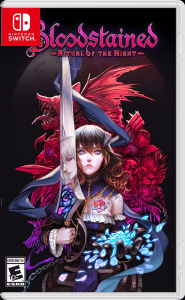
Bloodstained: Ritual of the Night Switch NSP XCI
Report Link Error
Select the broken download file, then submit the report.


Screenshots
About Game
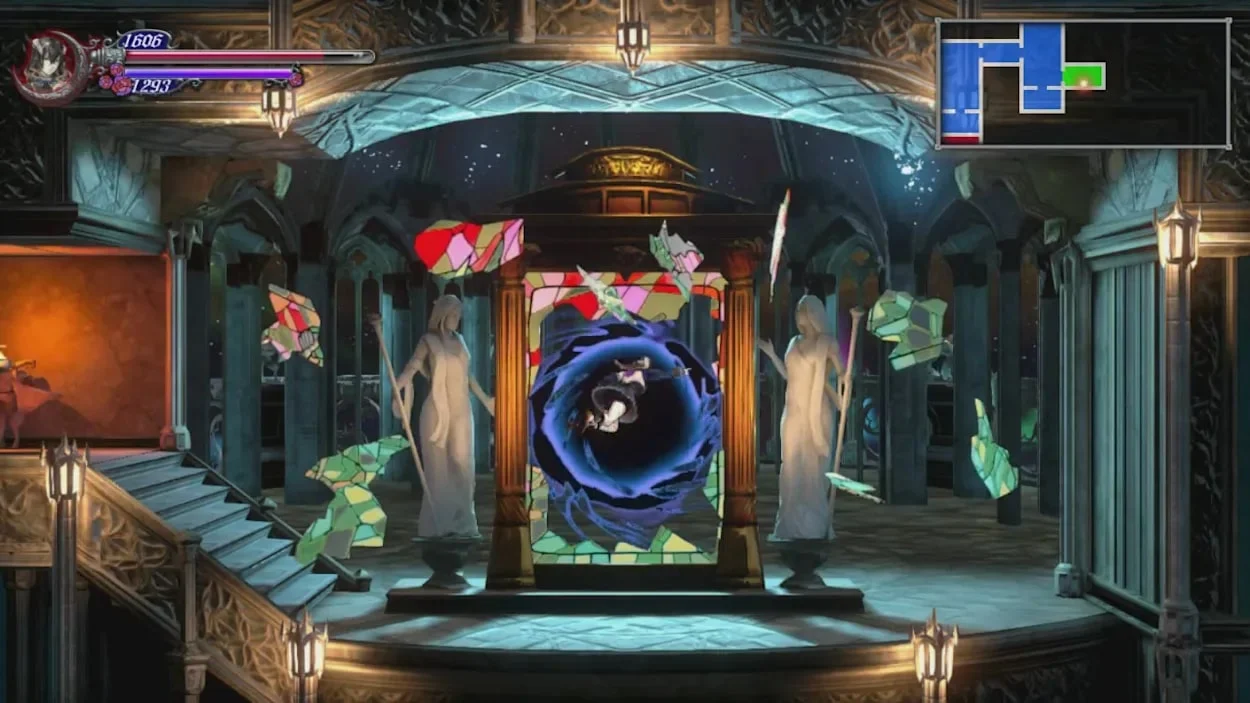
Bloodstained: Ritual of the Night Switch NSP XCI places a cursed heroine inside a sprawling Gothic stronghold where every corridor can lead to danger, discovery, or a route that was previously out of reach. Developed by ArtPlay and published by 505 Games, this 2019 platformer combines dramatic demon combat with a steadily expanding set of RPG-style tools.
Miriam’s Curse and the Demonic Castle
The story follows Miriam, an orphan burdened by an alchemist’s curse that gradually crystallizes her body. She awakens after a ten-year coma to find a crisis threatening humanity, with a demon-infested castle at its center. The castle is connected to Gebel, Miriam’s former friend, who has also been affected by the curse and now commands its dark forces.
Miriam’s journey into the stronghold is not simply a mission to defeat monsters. It is also an attempt to understand the alchemical experiments behind her condition, the nature of the demonic invasion, and Gebel’s role in the unfolding disaster. The premise gives the castle a personal weight: it is a dangerous place to explore, but also a space tied directly to Miriam’s past and the future she is trying to protect.
The Gothic atmosphere supports that tension. A castle filled with demons, secrets, bosses, and locked-off passages naturally suits a tale about crystallization, sacrifice, and hidden intentions. Rather than treating the setting as a sequence of disconnected stages, the game frames it as a single threatening domain that gradually reveals more of its mysteries.
A Gothic Metroidvania Built Around Exploration
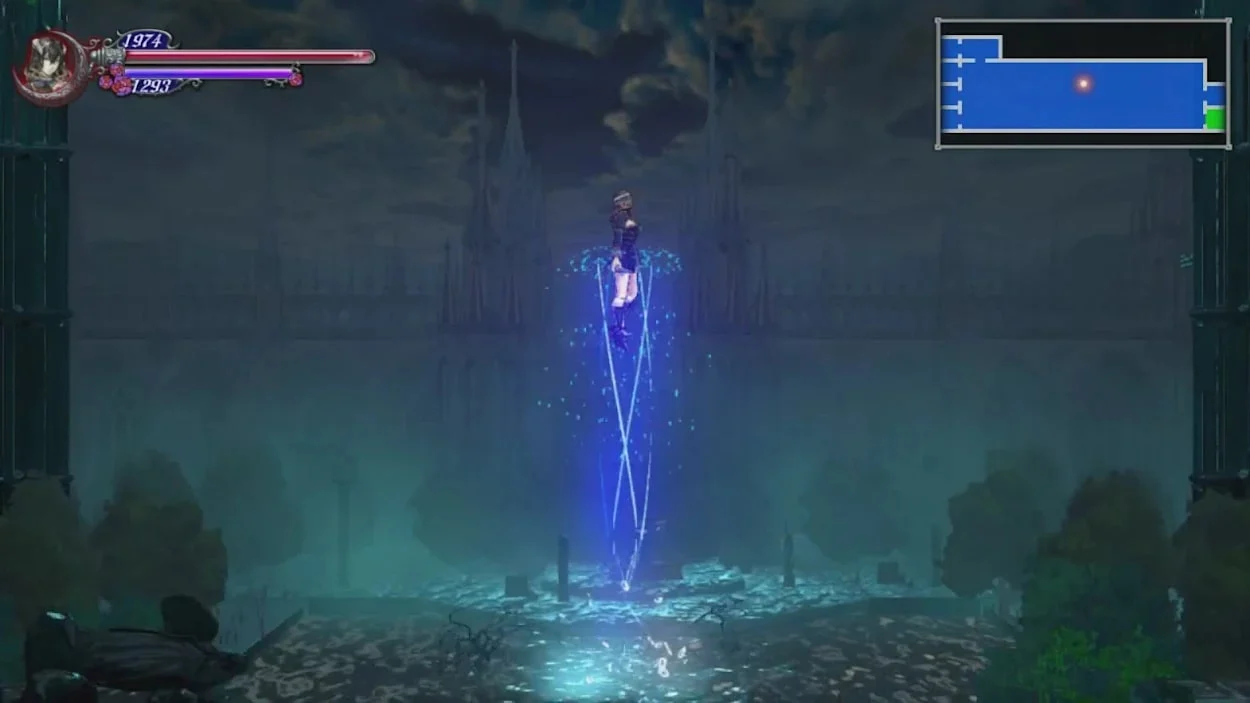
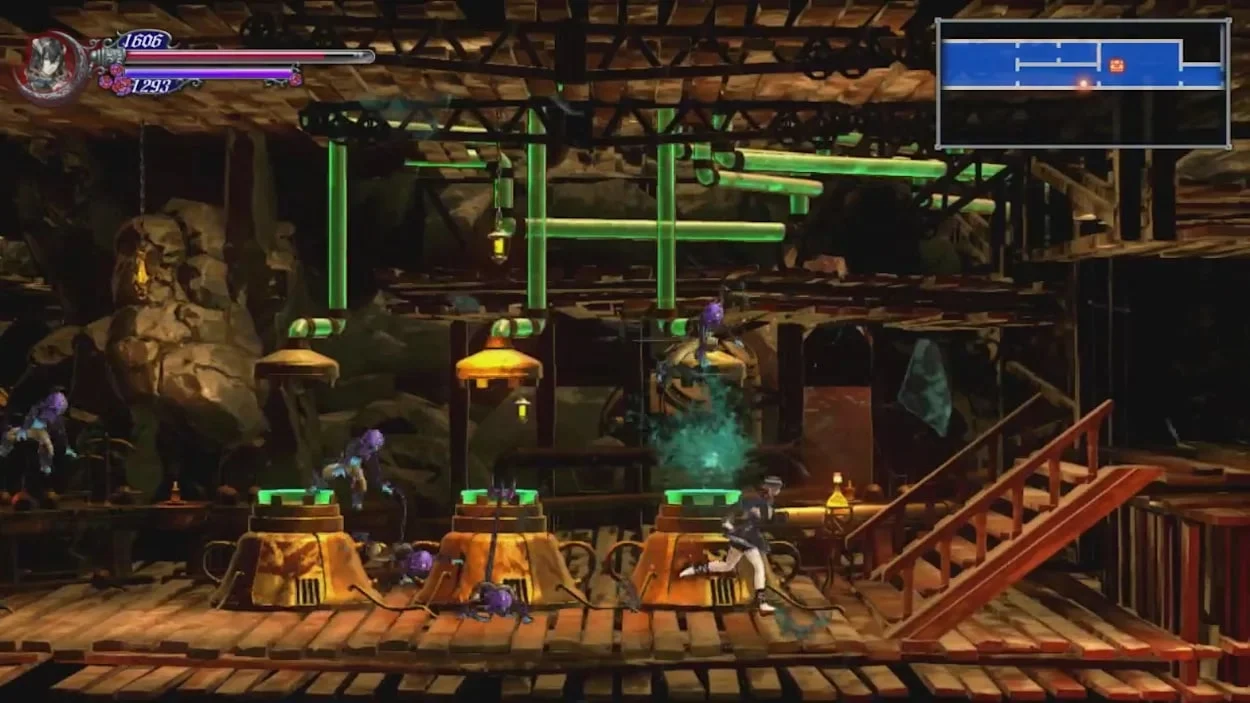
Bloodstained uses a Metroidvania structure built around an interconnected castle. Progress is not limited to moving in a straight line from one challenge to the next. Players are encouraged to search rooms carefully, investigate side routes, and return to earlier locations after gaining abilities that change what Miriam can reach or overcome.
This makes exploration part of progression rather than a distraction from it. Hidden areas can contain useful materials, equipment, enemies, or other rewards, while new powers can reveal pathways that were inaccessible during an earlier visit. The castle’s non-linear design gives each discovery practical value, especially when a newly acquired movement or combat option changes the meaning of a familiar location.
That approach also gives the game a deliberate pace. A player can push deeper toward the next major encounter, or pause to revisit a suspicious route and see what has changed. The appeal comes from the relationship between memory and discovery: a blocked passage noticed earlier may become a meaningful destination later.
Shard Abilities and Combat Customization
Miriam’s defining system is the collection of shards. Defeated demons can provide these abilities, adding magical attacks, passive effects, or transformations to her growing skillset. Shards turn enemy encounters into more than simple obstacles, because each demon may represent another possible tool for movement, survival, or offense.
The variety of demon abilities supports experimentation. Some shard choices can emphasize direct magical power, while others offer passive bonuses or transformations that alter Miriam’s options in battle. Combining different shards lets players adjust their approach when a particular enemy or boss demands a different strategy.
- Defeat demons: Encounters can yield shards that expand Miriam’s available abilities.
- Test combinations: Different shard loadouts can change how magic and combat tools work together.
- Revisit old routes: New abilities can make previously unreachable parts of the castle accessible.
- Prepare equipment: Weapons, armor, and accessories add another layer to Miriam’s setup.
- Adapt for bosses: Tough encounters reward attention to abilities, magic use, healing items, and gear.
The system gives combat customization a clear purpose. Rather than relying on one fixed fighting style, players can experiment with abilities collected during exploration and build a setup that feels appropriate for a difficult area. Resource management matters as well, particularly when using magic powers and maintaining healing supplies during longer expeditions.
Weapons, Armor, and Flexible Character Builds
Shards are only one part of Miriam’s progression. Weapons, armor, and accessories allow further adjustments to her fighting style, while materials found during the adventure can be used for crafting. Equipment can be forged and upgraded, giving exploration and enemy drops another role in the wider progression loop.
These systems make character builds flexible without separating combat from the castle itself. Searching rooms may lead to materials; materials can support new equipment; new equipment can help with harder enemies or boss fights. Cooking also contributes to preparation, as meals can provide temporary buffs that may be useful before major encounters.
The result is an action-focused RPG structure in which preparation is meaningful but not detached from play. A player who meets resistance can reconsider weapon choices, armor, accessories, and shard loadouts instead of treating every setback as a pure test of reflexes. That flexibility also supports replay value through different combinations of gear and demon powers.
Nintendo Switch Release Details for Bloodstained: Ritual of the Night
Bloodstained: Ritual of the Night released for Nintendo Switch on June 25, 2019. ArtPlay developed the game, and 505 Games published it. The listed regions are Europe and the USA.
Supported languages include English, Japanese, French, German, Italian, Korean, Russian, Chinese, Spanish, and Portuguese. The Nintendo Switch release has Title ID 0100BF500207C800. Its listed firmware information is Base – v11.0.1 and Update – v14.1.2, and the listed file size is 4.8GB.
For players looking up Bloodstained: Ritual of the Night Switch NSP XCI, the key creative identity remains the same: a Gothic castle adventure centered on Miriam, her curse, demon-derived powers, and a world designed to be explored in layers.
Why Bloodstained Blends Platforming, RPG Systems, and Action
Bloodstained’s platformer identity comes through movement across the castle and the pursuit of routes that become available over time. Its action component comes from demon combat, boss battles, weapon use, and magic. Its RPG systems appear in equipment progression, crafting, cooking, resources, and the ability to tailor Miriam’s build.
These elements reinforce one another. Exploration produces materials and abilities; abilities can open new pathways; new pathways lead to further encounters and secrets; combat rewards can broaden the available shard collection. The castle is therefore both the setting and the structure that connects every major system.
This makes the game suitable for players who enjoy deliberate exploration alongside action combat, particularly those who like checking hidden routes, refining equipment, and trying new ability combinations. Miriam’s gradual growth gives the journey a sense of momentum, while the demonic castle ensures there is always another secret, threat, or unexplored passage waiting beyond the next door.