Daemon X Machina Switch NSP XCI
Report Link Error
Select the broken download file, then submit the report.
Screenshots
About Game
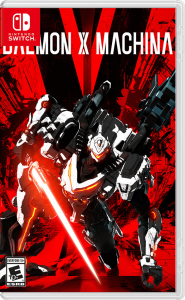
Daemon X Machina Switch NSP XCI places players in the cockpit of an Arsenal, a customizable armored machine built for fast, forceful combat. Set after the Moonfall catastrophe, the game follows an Outer: a human enhanced through exposure to Femto and drawn into a war against the hostile Immortals. Its appeal comes from the constant interplay between speed, weapon power, movement, and the freedom to adjust an Arsenal for the next assignment.
High-Speed Ground and Aerial Mech Combat
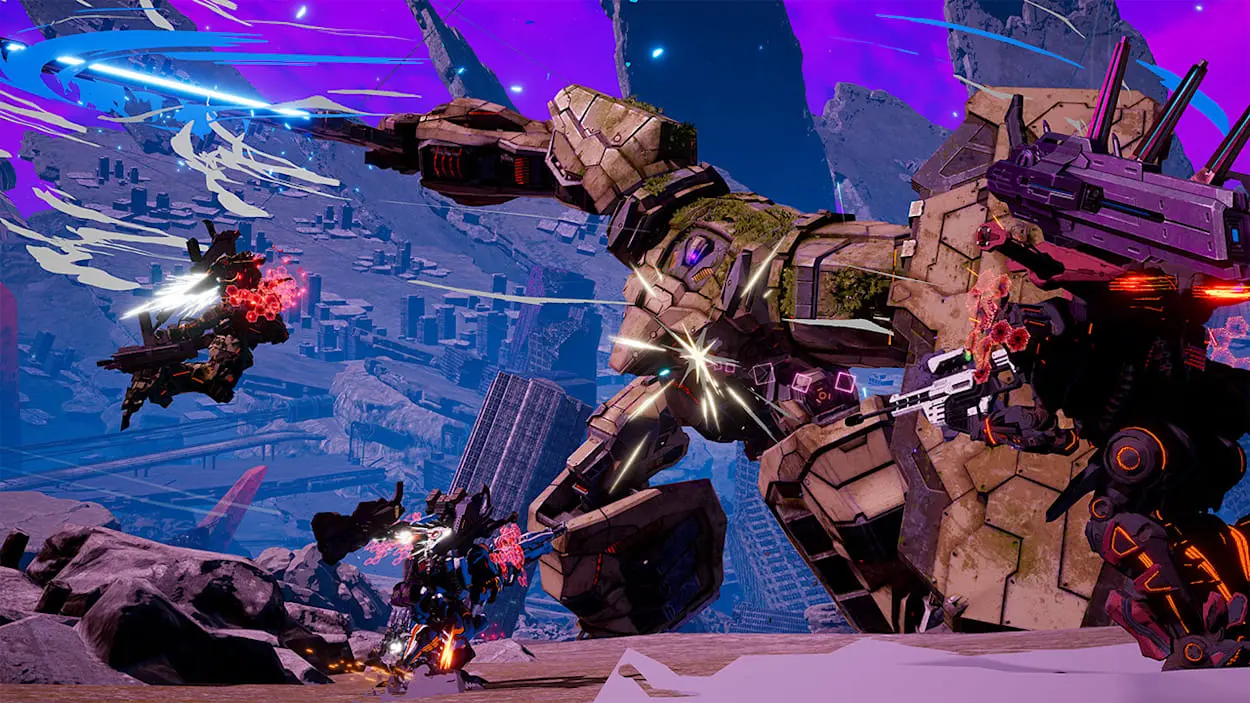
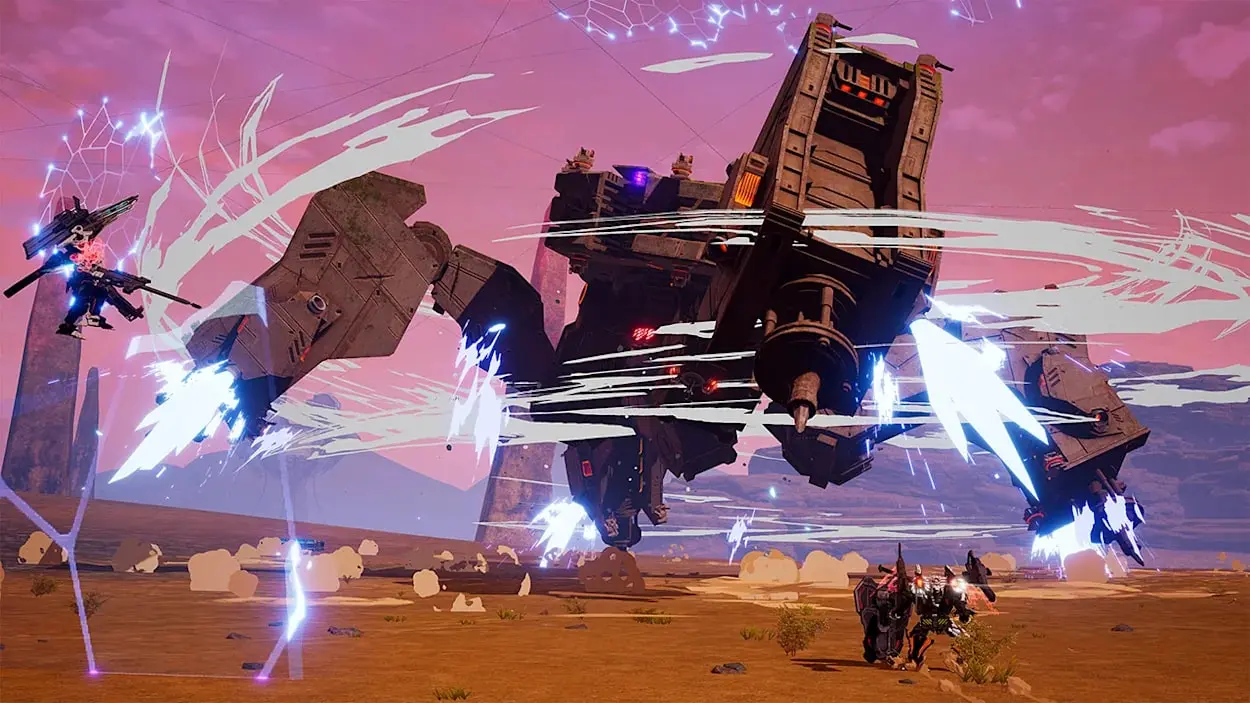
Combat in Daemon X Machina is designed around mobility. An Arsenal can engage enemies across the ground, then quickly take to the air to reposition, evade incoming fire, or pressure targets from a different angle. That shift between land-based fighting and aerial maneuvering gives battles a restless pace. A favorable position can change quickly when enemies close in or when a large threat demands more room to move.
The third-person shooter format keeps the player close to the machine’s movement and destructive output. Weapons are central to the feel of each fight, but they are not the only consideration. Flight, spacing, and the choice to press forward or pull back all shape how an encounter unfolds. Arsenal battles reward attention to the battlefield rather than simple force alone, especially when opponents arrive in groups.
The post-apocalyptic setting supports that pressure. Missions take place in a world scarred by the Moonfall, where humanity is attempting to reclaim its future from the Immortals. The visual presentation and rapid combat work together to create an atmosphere of mechanical conflict: large armored machines moving through damaged environments, firing heavy weaponry, and responding to threats from both ground level and the sky.
Arsenal Customization and Loadout Experimentation
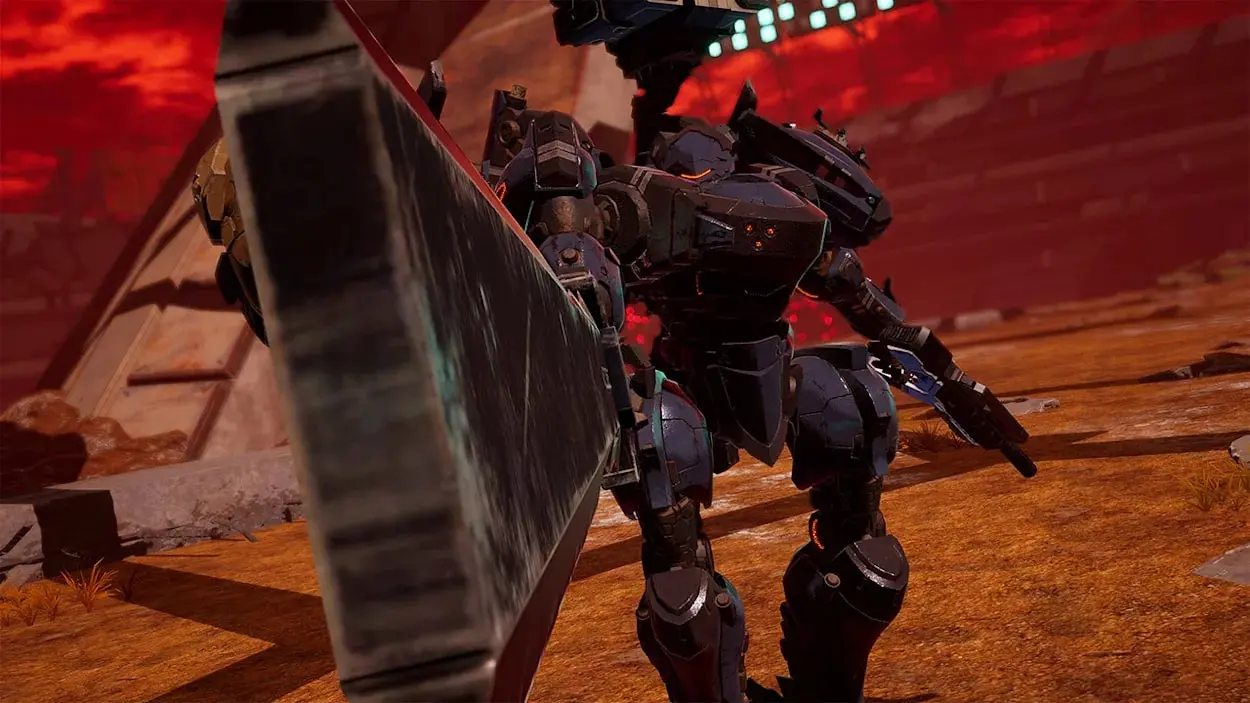
Customization is a major part of the game’s progression loop. Arsenals can be fitted with different body parts, weapons, armor, and inner upgrades, allowing players to build around their preferred approach. A player who values agility can pursue a more mobile setup, while someone drawn to raw damage can lean toward heavier weapon options. The system also makes room for practical adjustments between missions.
Daemon X Machina loadouts are not merely cosmetic choices. A mission’s objective, the enemies involved, and the player’s own movement habits can all influence which equipment feels useful. Experimenting with combinations gives the game replay value because a familiar mission can play differently when approached with another set of weapons or a differently configured body.
- Start with movement. Choose body parts and equipment that support the pace and positioning you want in combat.
- Match the mission. Adjust mech weapons when an escort task, a skirmish, or a major encounter calls for a different response.
- Test combinations. Pair weapons, armor, and inner upgrades to see how they affect a preferred combat style.
- Use recovered parts. Scavenged equipment can feed back into later Arsenal customization.
- Prepare for scale. A boss loadout may need different priorities from a build made for groups of smaller foes.
That flexibility gives the Arsenal a personal quality. The machine is the player’s main tool, but it also becomes a record of experimentation. Each adjustment can reflect a new strategy, a difficult encounter, or a better understanding of how the game’s movement and weapons fit together.
Mission Types That Shape the Battlefield
Daemon X Machina missions cover a range of objectives instead of relying on one repeated combat pattern. Escort missions ask players to manage threats while protecting a target. Skirmishes against groups of enemies emphasize awareness, target selection, and the ability to avoid being surrounded. Boss battles bring a different form of pressure, asking for stronger preparation and more deliberate movement.
This variety helps make the battlefield feel responsive to the assignment rather than simply serving as a backdrop for gunfire. Escort missions can make positioning especially important, since mobility is needed not only for survival but also for getting back to a vulnerable objective. Group encounters can favor movement between enemies and careful use of available firepower. Larger confrontations shift attention toward endurance, weapon selection, and finding room to maneuver.
The game’s story context gives these missions purpose. As an Outer working with a mercenary group, the player is involved in humanity’s struggle against the Immortals. Themes of survival, humanity, and the consequences of advanced machines run through that conflict, while the mission structure keeps the immediate focus on piloting and preparation.
Colossal Immortals and Boss-Fight Preparation
Colossal Immortals are among the encounters that put the game’s systems under the clearest strain. Their scale turns a fight into more than a contest of damage. Players must consider movement routes, aerial space, weapon effectiveness, and the strengths of the Arsenal they have brought into the mission. A poorly suited build can make a demanding enemy feel even more imposing.
These Daemon X Machina bosses encourage preparation without dictating a single answer. Weapon choices matter, but so does the ability to maintain distance when necessary or move aggressively when an opening appears. A tailored build can support a chosen plan, while the player’s handling of the Arsenal determines whether that plan holds up under pressure.
For players interested in mech strategy, these encounters are a useful test of the customization system. They ask players to take what they have learned from ordinary skirmishes and apply it against a much more demanding target. The result is a clear connection between preparation in the hangar and execution in the field.
When to Leave the Arsenal During a Mission
The Outer is not limited to remaining inside the Arsenal at all times. During missions, players can exit the machine to use pilot abilities and scavenge parts. This adds another layer to the combat and customization loop, because the field can become a source of equipment as well as a place of immediate danger.
Choosing when to leave the Arsenal is therefore a tactical decision. The option creates a contrast with the usual heavy-mech action: the player can step outside the armored machine, make use of the Outer’s abilities, and seek useful parts before returning to the larger fight. It reinforces the role of the Outer as more than a passive pilot.
The mechanic also supports the game’s focus on experimentation. Scavenged parts can contribute to later adjustments, making an individual mission feel connected to future loadout decisions. For players who enjoy refining a build over time, that link between field activity and Arsenal customization is especially relevant.
Online Co-op and Tougher Cooperative Missions
Daemon X Machina Switch NSP XCI also includes online cooperative play. Players can team up for cooperative missions and face tougher foes together, bringing a shared dimension to the game’s mech combat. Co-op can make the action feel different because multiple Arsenals can contribute movement, weapon pressure, and distinct builds to the same encounter.
That format suits the game’s emphasis on customization. One player may favor mobility, another may arrive with a different weapon focus, and the group can confront demanding missions with more than one approach in play. Cooperative missions are a natural fit for players who enjoy comparing Arsenal choices and taking on larger threats alongside others.
Released for Nintendo Switch on September 13, 2019, Daemon X Machina is a third-person shooter game developed by Marvelous First Studio and published by Nintendo. It is suited to players drawn to customizable mechs, fast aerial movement, mission-based combat, and the challenge of adapting an Arsenal to increasingly demanding encounters.