Kill la Kill The Game IF Switch NSP

Report Link Error
Select the broken download file, then submit the report.


Screenshots

About Game
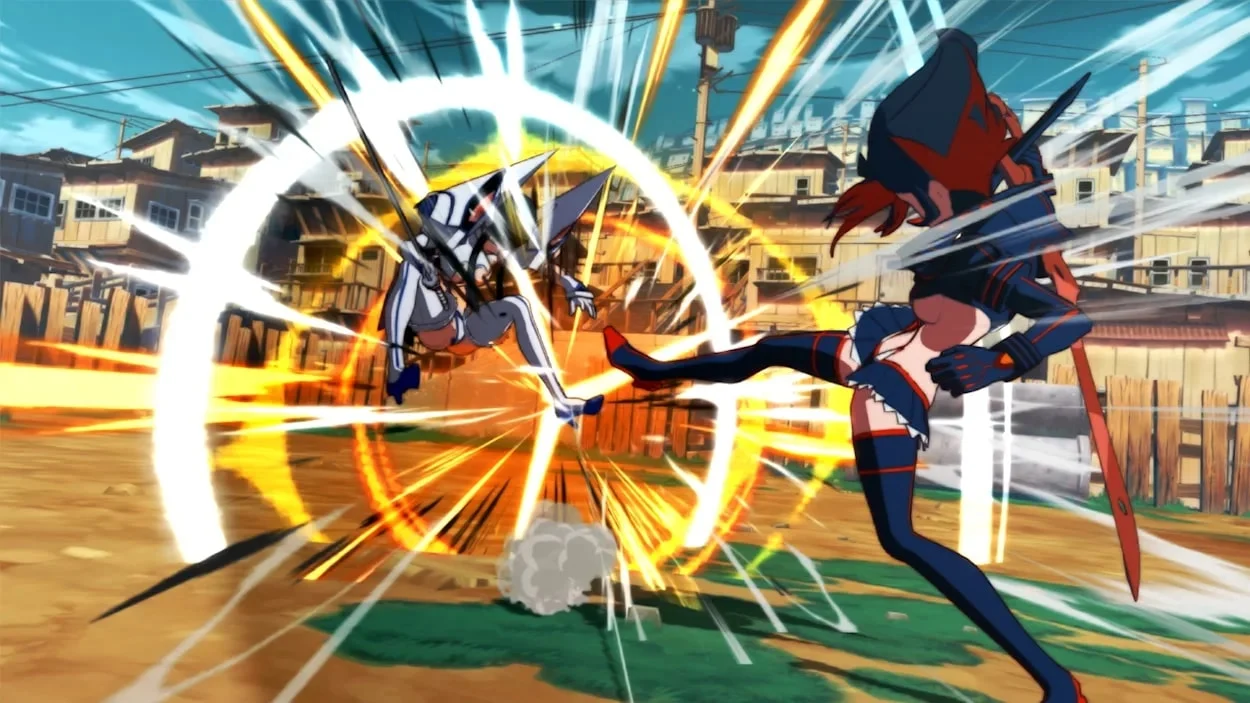
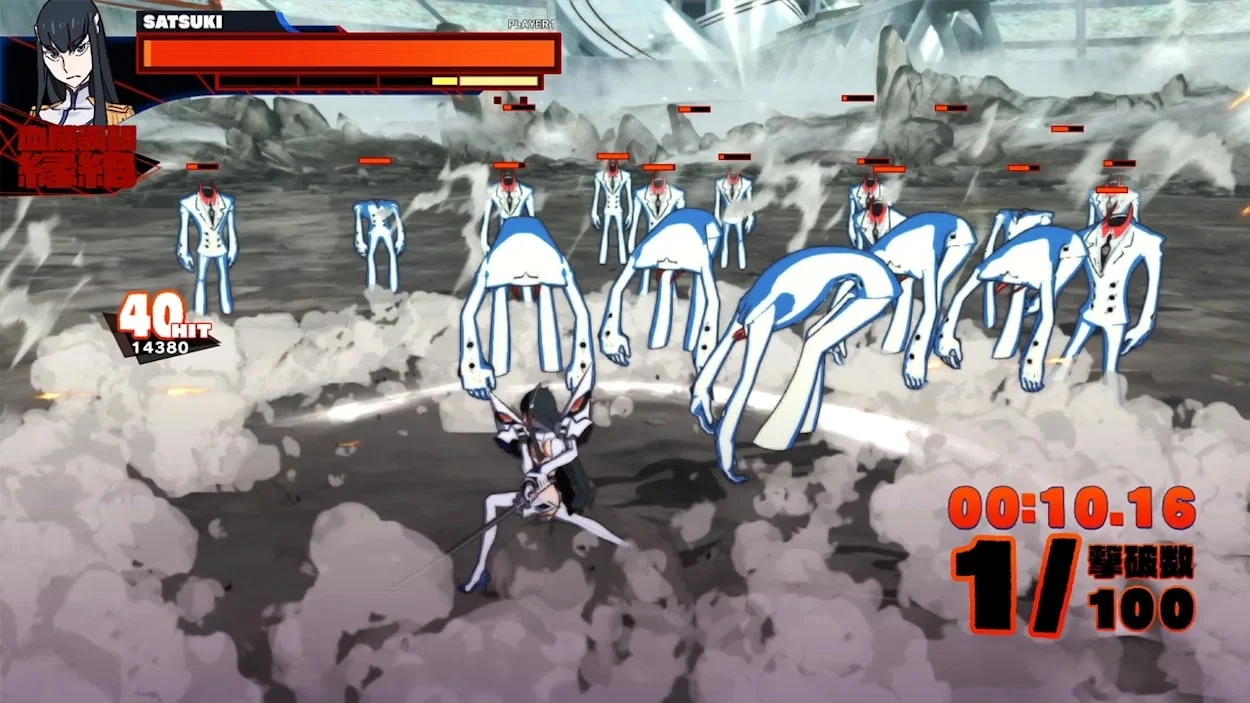
Kill la Kill The Game IF Switch NSP is an Action/Fighting game published by Arc System Works and developed by APLUS Games. Built around the heightened conflict, bold characters, and visually explosive confrontations associated with the series, it places players in fast 3D battles where movement, timing, and tactical decisions matter as much as spectacle. Its Version 1.10 release is listed at 6.1GB.
Kill la Kill The Game IF: A Fighting Game Built Around Anime Energy
Kill la Kill The Game IF approaches its source material through direct, one-on-one combat rather than a conventional adventure structure. The result is an Action Fighting game designed to make confrontations feel immediate: fighters dash across arenas, exchange rapid attacks, defend against pressure, and launch large-scale special techniques with the kind of visual force expected from the series.
Arc System Works and APLUS Games frame that energy through 3D arenas and character-specific fighting styles. Ryuko Matoi, Satsuki Kiryuin, members of Nudist Beach, and the Elite Four are among the playable figures referenced in the game’s roster. Their clashes are supported by familiar locations from the animated world, with interactive arena elements adding another layer to the presentation.
The tone is deliberately dramatic. Attacks and finishing moves are presented as screen-filling events, while the pace of a match encourages players to stay alert rather than simply trade hits. For players drawn to anime-styled fighters, the appeal lies in that balance: the action is flashy, but it also asks for awareness of distance, defense, and momentum.
Ryuko and Satsuki Perspectives in Story Mode
Kill la Kill The Game IF Story Mode is built around an original IF storyline that explores an alternate path within the series’ setting. Satsuki Kiryuin has a central role in this scenario, offering a perspective that shifts attention toward her motivations and her complicated connection to Ragyo Kiryuin. The story explores possibilities beyond the main anime narrative while keeping its conflicts tied to familiar characters and the struggle involving the Life Fibers.
Story Mode is not restricted to one viewpoint. Players can experience the scenario through both the Satsuki Kiryuin perspective and Ryuko Matoi’s perspective, giving the narrative a broader frame. That dual structure is meaningful for a game built on rivalries and competing motivations: events can carry different weight depending on the character through whom they are seen.
The IF storyline also gives returning viewers a reason to revisit the setting without simply repeating the original plot. Its dramatic encounters and alternate developments create room for revelations involving characters players already know. For newcomers, the game still presents a concentrated fighting-game route through the setting, centered on conflicts, personalities, and escalating battles.
How the 3D Arena Battles Work
Kill la Kill The Game IF gameplay takes place in 3D arena battles, where positioning is as important as choosing an attack. Fighters can move freely around an opponent, dash to close a gap or escape danger, dodge incoming offense, and block when a direct response would be too risky. This freedom gives each encounter a more mobile feel than a fixed-line fighting match.
Combos form the offensive backbone of combat. Once an opening appears, players can link attacks and build pressure before finishing with stronger options. Special moves add the larger visual punctuation, turning successful reads into dramatic bursts of damage and animation. The game’s presentation leans into these moments, using powerful effects to make major attacks feel consequential.
Speed alone does not decide a match. Dashing without a plan can leave a fighter exposed, while blocking too predictably can invite a counter. The more useful approach is to treat movement as a way to create the right range and timing for a response. A dodge can avoid a committed attack; a dash can turn a defensive moment into an opening; a well-timed block can prevent a sequence from gaining momentum.
Attack, Guard, and Break: The Core Combat Dynamic
The key strategic idea in the Kill la Kill IF combat system is the Attack, Guard, and Break relationship. This rock-paper-scissors-style mechanic adds a clear decision layer to one-on-one battles. Attack pressures an opponent, Guard protects against offense, and Break is used to challenge guarding behavior.
That relationship means that defensive play is useful but not absolute. A player who relies on Guard can be vulnerable to Break, while a player who attacks too freely may run into a prepared defense. Success comes from recognizing habits and changing choices before the opponent can settle into a reliable pattern.
This is where fighting strategy becomes more than executing combos. Players must watch what the other fighter is trying to establish. Is the opponent rushing forward after every reset? Are they blocking after a dash? Are they waiting for a large attack? The Attack Guard Break system gives those observations practical value, rewarding players who adapt during the course of a match.
Versus, Practice, and Tutorial Options
Beyond Story Mode, Kill la Kill IF Versus Mode provides several ways to engage with the combat. Local versus supports direct matches with another player, while online battles extend that competitive format beyond the same room. Players can also fight AI opponents, making it possible to test characters and tactics without arranging a multiplayer session.
Tutorial and practice mode options are especially useful because the game combines free movement, combo execution, defensive choices, and the Attack Guard Break system. A tutorial can establish the basics, while practice sessions offer a more controlled place to repeat movement, test special moves, and work on combo timing.
These modes also support replay value. Story Mode provides the original scenario and two perspectives, but versus play and training give players reasons to return after the narrative route. Trying another fighter, improving a response to Guard, or preparing for a tougher human opponent can make the same core systems feel different from match to match.
5 Combat Priorities for New Kill la Kill The Game IF Players
- Learn the arena first. Practice moving around an opponent, dashing into range, and dodging away from danger before relying on extended offense.
- Read Attack, Guard, and Break. Treat these options as answers to player behavior, not as buttons to use at random. Guarding opponents invite Break, while reckless attacks create defensive opportunities.
- Build reliable combos. Start with sequences that are easy to repeat, then add stronger follow-ups and special moves once the timing feels natural.
- Use defense deliberately. Blocking and dodging can stop pressure, but alternating between them is safer than repeating a single response.
- Prepare for Bloody Valor. These Kamui Clashing sequences reward successful inputs with buffs and super moves, so staying composed during the clash can change the direction of a battle.
For players interested in stylized arena fighters, Kill la Kill The Game IF Switch NSP offers a combat-focused interpretation of the series. Its original story, dual character perspectives, mobile 3D encounters, and Attack Guard Break decisions give the game structure beneath its deliberately over-the-top presentation.
Recommended Similar Games
 Yacht Haven Tycoon: Marina Port Parking Simulator Switch NSPView Game
 The Rogue Prince of Persia Switch NSPView Game
 The Legend of Zelda: Link’s Awakening Switch NSP XCIView Game
 Avatar Legends: The Fighting Game Switch NSPView Game
 DRAGON QUEST I and II HD-2D Remake Switch NSPView Game
 Dave the Diver Anniversary Switch NSPView Game