Fire Emblem Warriors Switch NSP XCI
Report Link Error
Select the broken download file, then submit the report.
Screenshots
About Game
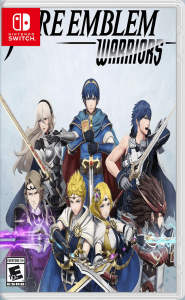
Fire Emblem Warriors Switch NSP XCI is a 2017 action game for Nintendo Switch that brings Fire Emblem characters into the large-scale battle format associated with Warriors games. Published by Nintendo and developed by KOEI TECMO Games, it arrived on October 20, 2017, in Europe and the USA, with language support for English, German, Spanish, French, and Italian. Its focus is not simply on individual duels: players are asked to move between objectives, direct allies, and manage a shifting battlefield filled with enemy forces.
Fire Emblem Warriors on Nintendo Switch: Release and Game Details
Released as an action title, Fire Emblem Warriors places familiar series ideas inside a faster, more expansive combat structure. KOEI TECMO Games Nintendo collaboration brings together Fire Emblem’s recognizable heroes and weapon relationships with Musou-style encounters against large groups of opponents.
The Switch version frames those battles around direct control of powerful characters. A player can take command of a hero, cut through crowds, and then change to another unit when a different part of the map needs attention. That combination gives the game a distinct rhythm: immediate action in the foreground, with tactical choices continuing across the wider field.
Its presentation is built around crossover scale. Heroes associated with separate Fire Emblem settings are brought into one conflict, allowing the action to move beyond a single kingdom or cast. The result is a game aimed at players who enjoy fast combat but still want reasons to consider positioning, weapon matchups, allies, and urgent map objectives.
Aytolis and the Dimensional Rift Crisis
The Fire Emblem Warriors story begins in Aytolis, a peaceful kingdom thrown into crisis by dimensional rifts. These disruptions draw heroes from different Fire Emblem worlds into Aytolis and create a threat that reaches beyond one land. The rifts give the crossover its narrative foundation: characters who would normally belong to separate stories must fight within a shared emergency.
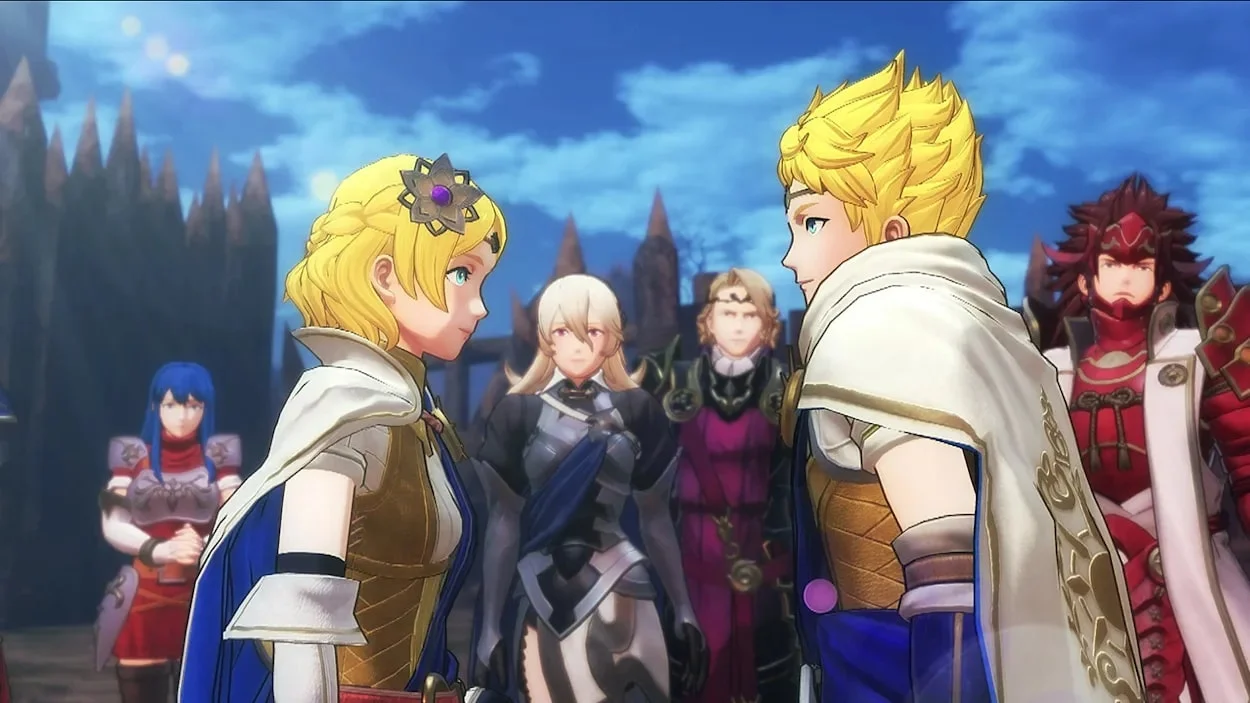
Rowan and Lianna, the twin heirs of Aytolis, lead the central effort. Their journey involves gathering the legendary Shield of Flames and uniting the summoned heroes against the darkness threatening their world. The stakes are broad, but the premise remains clear: restore peace to a kingdom fractured by forces it cannot face alone.
This setup supports an atmosphere of urgent reunions and constant movement. Familiar figures arrive with their own backgrounds and motivations, while the central conflict gives them a common purpose. Fire Emblem Warriors Aytolis is therefore less about retelling one existing Fire Emblem campaign than about creating a meeting place for heroes facing a dimensional crisis together.
Heroes United From Across Fire Emblem
The Fire Emblem crossover roster concept is central to the game’s appeal. Marth, Chrom, Ryoma, and Corrin are among the heroes who appear in the struggle for Aytolis, joining Rowan and Lianna in battles against formidable foes. Their presence gives players different characters to command while reinforcing the idea that multiple Fire Emblem worlds have collided.
Each hero contributes to the shared conflict through combat role and weapon choice, rather than serving only as a cameo. Switching between them matters when objectives spread across the battlefield or when a particular enemy type calls for a more favorable matchup. The crossover also lends the story a sense of accumulation: the campaign’s growing group of allies reflects the effort to bring separate worlds into one coordinated defense.
For players drawn to Marth, Chrom, Ryoma, Corrin, and other recognizable Fire Emblem characters, this structure offers the chance to see them operating beside one another in battles built for scale. Their combined strength is presented as essential to the fate of Aytolis and the dimensions connected to it.
How Musou Combat Meets Fire Emblem Strategy
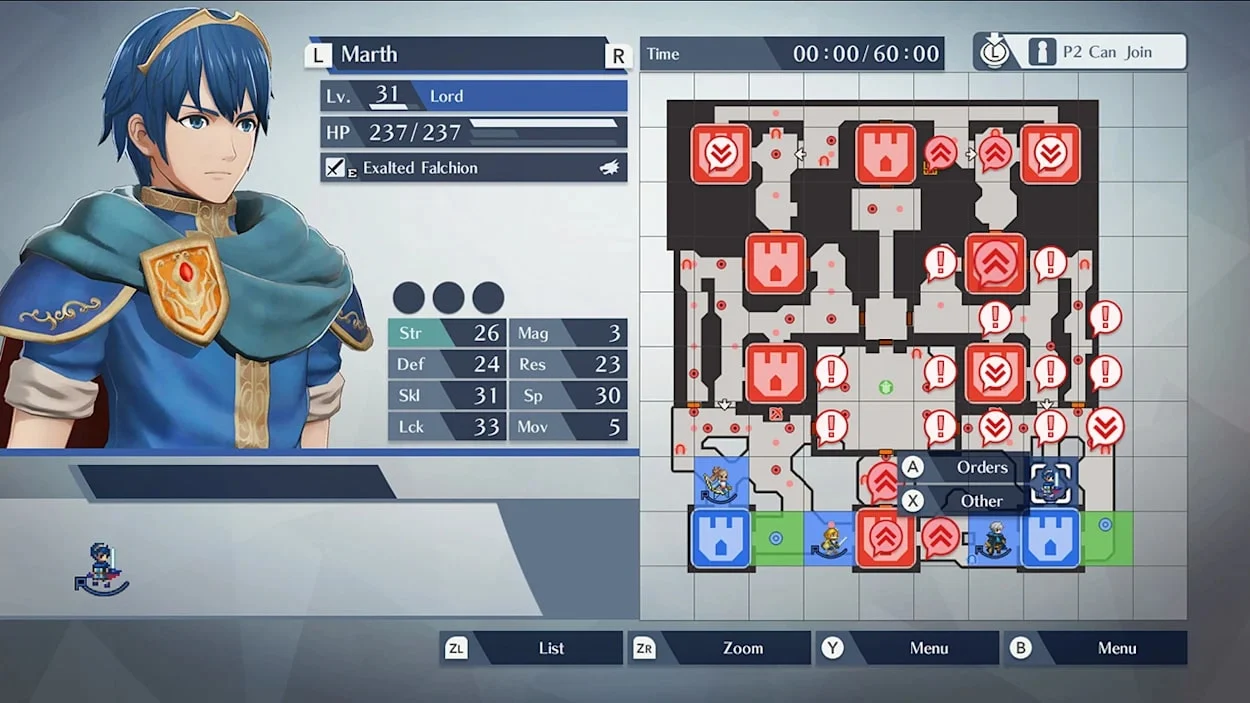
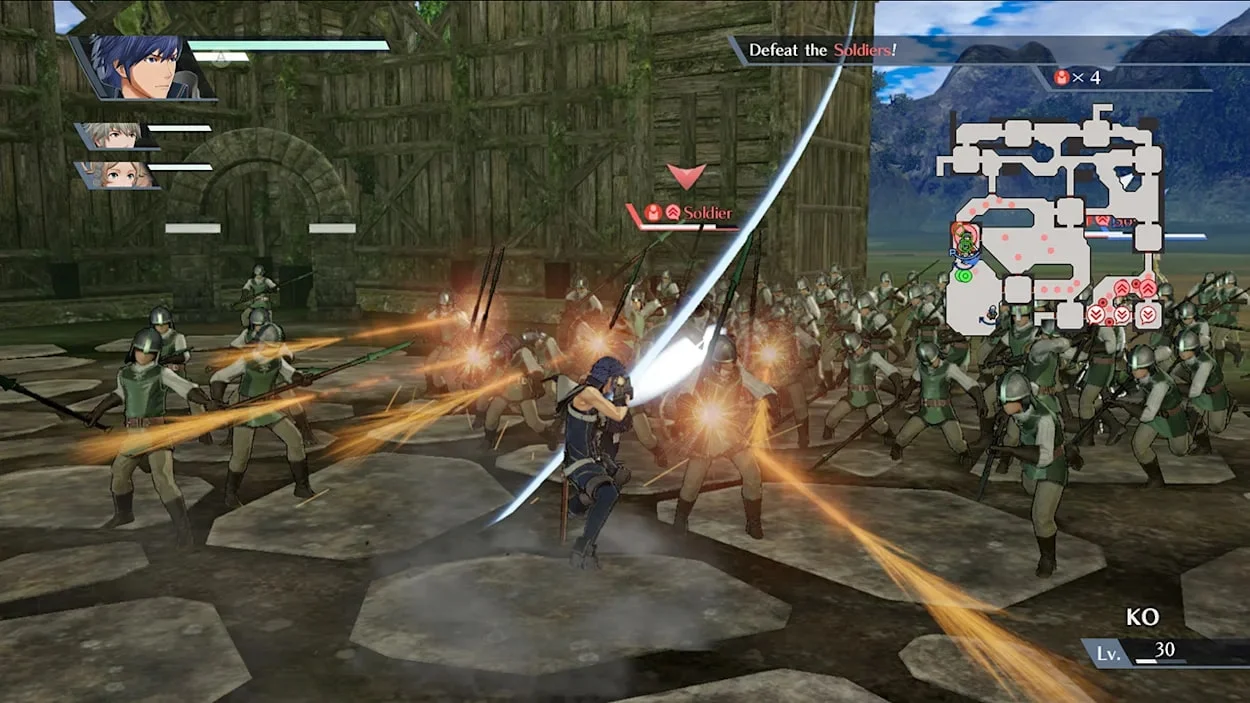
Fire Emblem Warriors gameplay combines large-scale hack-and-slash action with decisions that cannot be solved by attacking one group at a time. Players control heroes against hordes of enemies, but they can also command allies, protect strongholds, defeat enemy commanders, and respond to objectives developing in different locations.
Up to four heroes can be commanded on the battlefield, with players switching between them as needed. That system helps keep the action flexible. A character may be sent to address a threat elsewhere while the player takes direct control of another hero at a more urgent location. Battles reward attention to the map as much as enthusiasm in the middle of a crowd.
- Change leaders: Switch between available heroes when another objective needs immediate attention.
- Issue orders: Send allies toward strongholds, commanders, or areas that require defense.
- Protect positions: Allied strongholds are part of the battle’s larger priorities, not background scenery.
- Target commanders: Defeating key enemies helps secure progress across the map.
- Build strength: Level up heroes, unlock skills, and equip stronger weapons and crests.
This is where Fire Emblem strategy action takes shape. The spectacle of Musou combat is present in the number of enemies on screen and the power of each hero’s attacks, yet victory also depends on recognizing which task matters next. The game’s various Story, History, and Challenge modes further extend that structure beyond a single campaign path.
Using the Weapon Triangle in Battle
The classic weapon triangle remains an important tactical rule in Fire Emblem Warriors. The relationship is direct: Sword beats Axe, Axe beats Lance, and Lance beats Sword. Sending the right hero against the right opponent can make an encounter more manageable and helps players clear objectives with greater efficiency.
That relationship gives the battlefield more texture than a straightforward rush from one enemy group to another. A sword user has an advantage against an axe-wielding foe, while other matchups may call for a different character. Because players can switch heroes and direct allies, weapon awareness can influence both the immediate fight and the wider plan.
The system also encourages players to look beyond raw damage. Enemy types, allied needs, and the current objective can all shape the best response. Fire Emblem Warriors weapon triangle mechanics give a familiar Fire Emblem principle a practical place within rapid action.
Pair Up, Awakening, and Warrior Specials
Several combat systems add further choices to the battles. Pair Up lets heroes enhance their stats and perform powerful combined attacks. It also provides a defensive guard break, making it useful when pressure is building or when a player wants to push through a difficult engagement.
Awakening moves and Warrior Special techniques supply the game’s most forceful bursts of damage. These attacks fit the heightened presentation of a Warriors crossover, turning a tense moment into a dramatic offensive opportunity. Used alongside weapon advantages and character switching, they give players ways to respond when an objective becomes crowded or a commander needs to be brought down quickly.
Progression supports repeated experimentation. Heroes can level up, gain new skills, and use stronger weapons and crests, while Story, History, and Challenge modes provide different contexts for returning to battle. Fire Emblem Warriors Switch NSP XCI is suited to players who appreciate Fire Emblem characters and tactical considerations, as well as those who enjoy commanding powerful fighters through large, objective-driven action battles.