Layers Of Fear 2 Switch NSP
Report Link Error
Select the broken download file, then submit the report.


Screenshots
About Game
Layers Of Fear 2 Switch NSP brings Bloober Team’s adventure horror experience to Nintendo Switch with an emphasis on unease, fractured perception, and a story that unfolds through close observation. Its horror is rooted less in constant shocks than in the disturbing feeling that the world may change whenever the player looks away.
Layers Of Fear 2 on Nintendo Switch: A Psychological Horror Overview
Developed and published by Bloober Team, Layers Of Fear 2 is an adventure game built around psychological horror. The setting is not simply a backdrop for frightening scenes. Corridors, cabins, props, and shifting views all contribute to an atmosphere in which certainty gradually disappears.
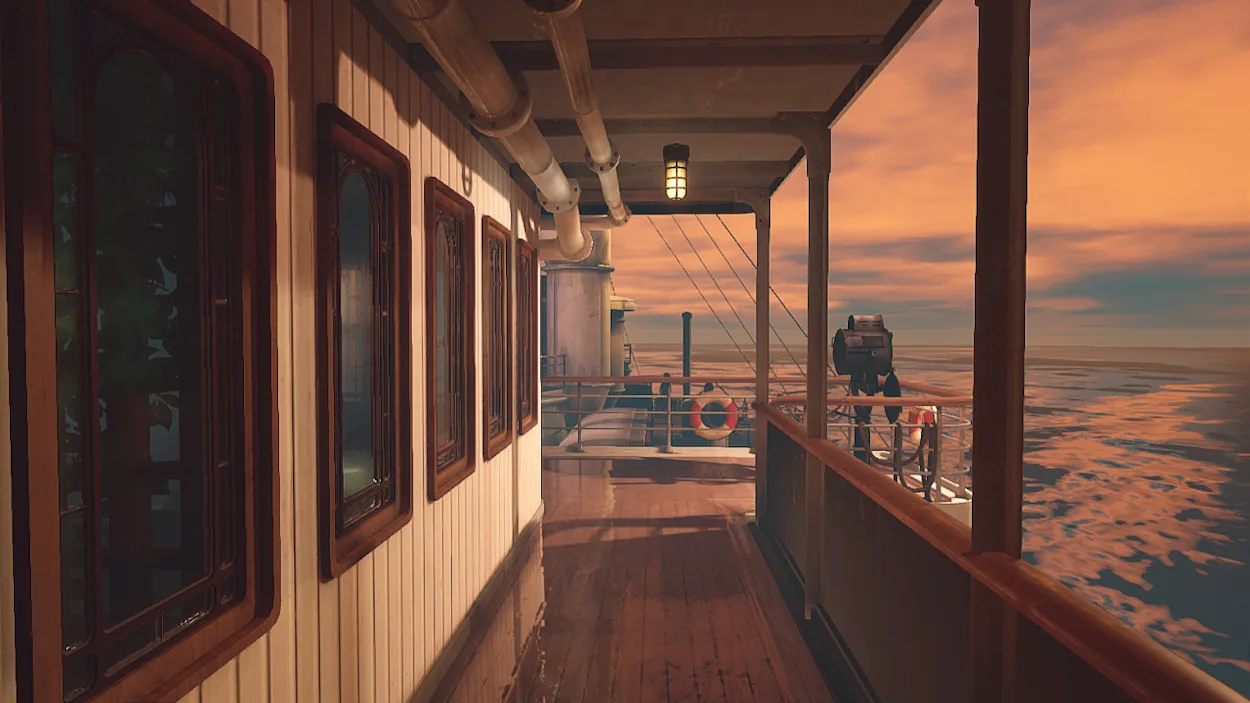
The Nintendo Switch version suits a game structured around careful exploration. Progress comes from moving through the ocean liner, studying what is present, and noticing when familiar spaces no longer behave as expected. Rather than presenting horror as a series of isolated moments, the game sustains a tense mood through unsettling imagery, environmental changes, and the sense that the protagonist’s perspective cannot always be trusted.
Bloober Team frames the experience around identity, trauma, artistic ambition, and self-perception. That focus gives the horror a personal dimension: the player is not only exploring a threatening ship, but also following an actor whose performance and private suffering begin to overlap.
The Ocean Liner Setting and the Actor at Its Center
The Layers Of Fear 2 story begins with an accomplished Hollywood actor called to an ocean liner to perform in a film. Waiting behind that invitation is a mysterious, demanding director who pushes the actor deeper into the role. What should be a professional assignment becomes increasingly unstable as the boundaries between acting, memory, and personal torment begin to blur.
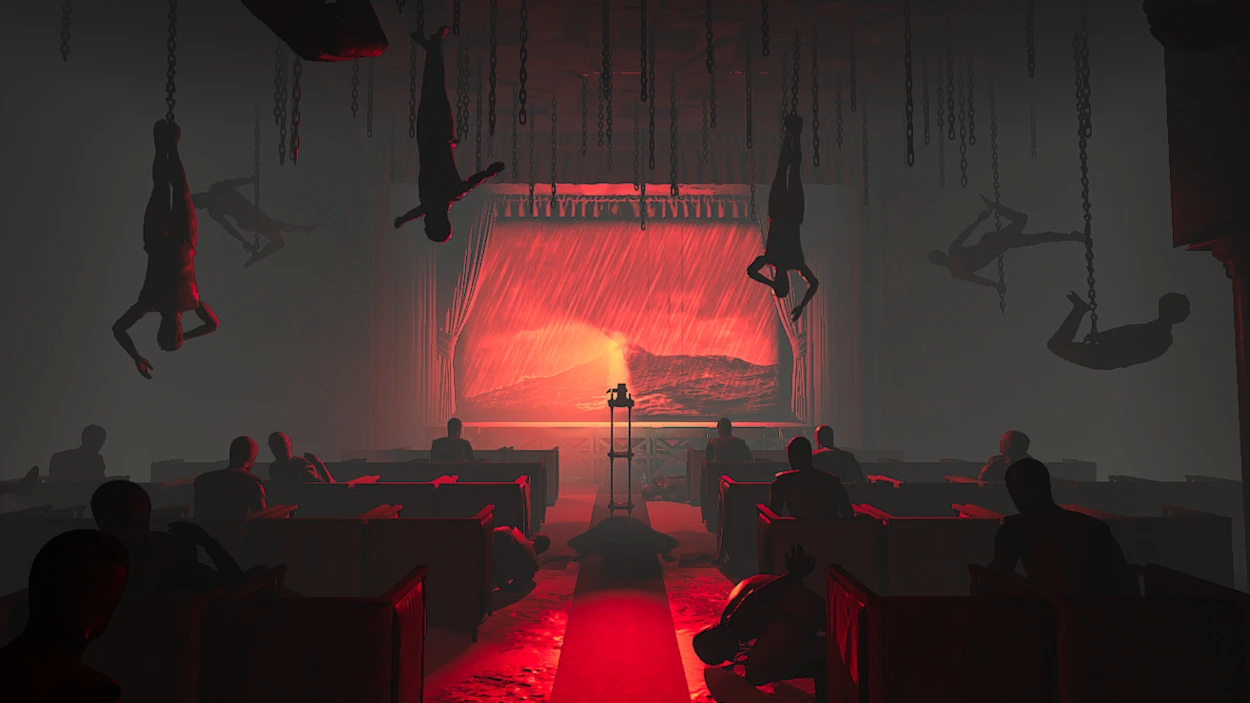
The ocean liner supplies a confined but mutable setting for that descent. Its cabins and corridors hold unsettling memories, disturbing visions, and signs of a fractured past. As the actor moves forward, the ship’s environment shifts and transforms in ways that reflect a deteriorating mental state. The result is a story in which location and character are closely connected: the liner is both a place to explore and a stage for the protagonist’s uncertainty.
Strange mannequins, ghostly figures, and disturbing imagery appear as parts of the broader narrative. These manifestations do not merely decorate the journey; they feed into questions about the director’s intentions, the actor’s role, and the sacrifices associated with art and perfection. The game’s tension comes from piecing together those elements while never being fully sure where performance ends.
Exploration, Object Interaction, and Environmental Clues
Layers Of Fear 2 gameplay is led by exploration. Players travel through the liner, interact with objects, and inspect details that may reveal more about the story. The pace rewards a methodical approach because small clues can add context to the larger, fragmented narrative.
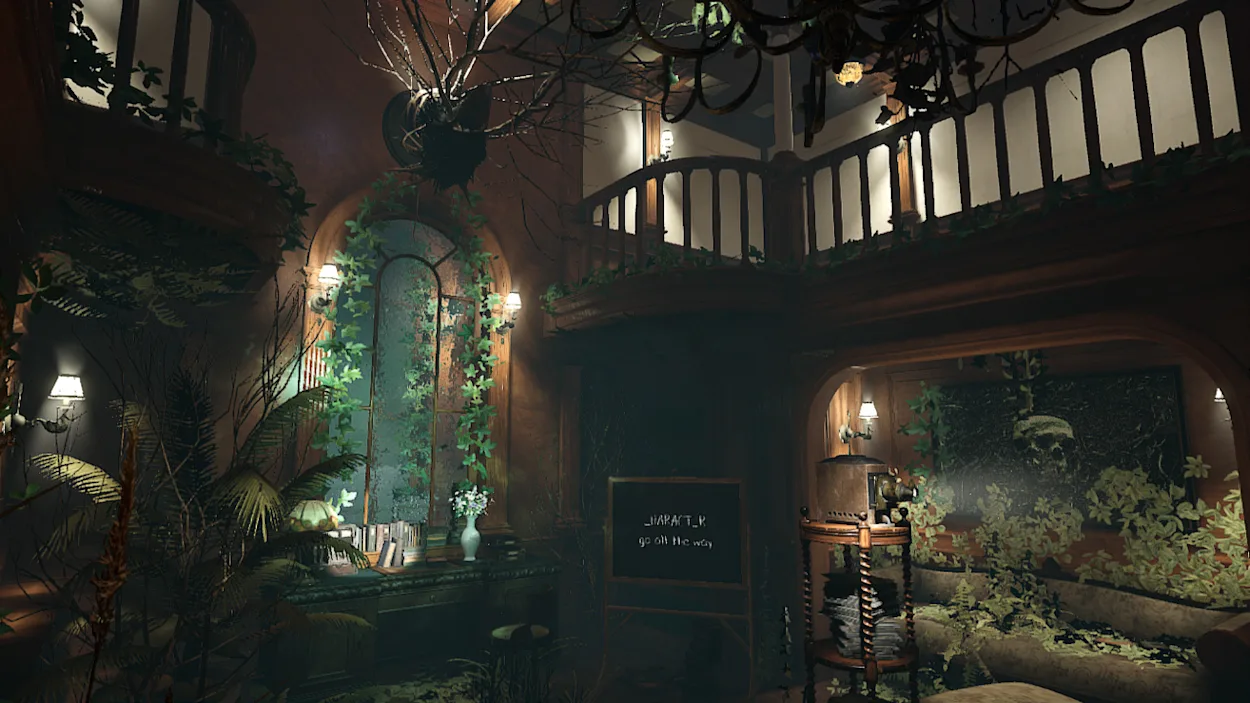
Environmental storytelling is central to this structure. A room can communicate through its arrangement, an object can suggest a memory, and a changed viewpoint can make a once-familiar corridor feel wrong. The environment actively responds to the player’s actions and perspective, supporting the game’s recurring uncertainty about what is real and what may be part of a hallucination.
This approach gives progression a deliberate rhythm. Instead of relying on frequent jump scares, the game uses a pervasive sense of dread. Visual details, audio hints, and transformations in the ship encourage players to remain attentive. The presentation repeatedly asks the player to observe, reconsider, and connect what has been seen with what is now changing.
Subtle Puzzles and Choices That Shape Perception
The game includes subtle puzzles and clue-based interactions that fit its exploration-driven design. These moments ask players to pay attention to objects and surroundings rather than treating the liner as a straightforward route from one scene to the next. A detail that initially seems minor may gain importance once it is viewed alongside another part of the environment.
Player choices also influence how the protagonist perceives reality during the journey. That reinforces one of the game’s defining ideas: reality and illusion are not cleanly separated. The actor’s experience is filtered through personal distress, the demands of the film, and the changing spaces of the ship.
For players drawn to psychological horror, this creates an experience focused on interpretation as much as movement. The game does not present its story as a simple chain of events. It builds a fragmented account through images, interactions, memories, and unsettling shifts in perspective. Layers Of Fear 2 Switch NSP is therefore most suited to players willing to slow down and engage with atmosphere, visual clues, and ambiguity.
7 Ways to Read the Environment More Carefully
- Move slowly. Take time in corridors and cabins instead of rushing ahead; the game’s tension and storytelling are closely tied to observation.
- Inspect objects. Interacting with items can reveal clues that help assemble the fractured narrative.
- Listen closely. Audio hints can guide attention or foreshadow a narrative beat and an approaching disturbance.
- Watch for visual changes. The ocean liner can shift and transform, so details in the environment may not remain fixed.
- Revisit your view. Looking again at a space can be useful when the game alters the player’s perspective or presentation.
- Check behind you. Turning around may reveal something new or show that the environment has changed.
- Connect details to the story. Consider how images, objects, and visions relate to the actor, the director, and the film being made.
Switch Release Details: Date, Languages, and Technical Metadata
The Nintendo Switch release date for Layers Of Fear 2 is May 20, 2021. It is listed as Region Free and carries the Title ID 01001730144DA000. The required firmware version is v11.0.1, and the listed file size is 5.6GB.
Supported languages are English, German, Spanish, French, Italian, Portuguese, and Russian. The genre is Adventure, while both development and publishing are credited to Bloober Team. These details place the Switch release clearly within the game’s established psychological-horror format: an exploration-focused journey through an unstable ocean liner, shaped by a Hollywood actor’s increasingly uncertain sense of reality.