XCOM 2 Collection Switch NSP XCI
Report Link Error
Select the broken download file, then submit the report.
Screenshots
About Game
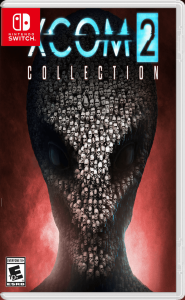
XCOM 2 Collection Switch NSP XCI places a familiar science-fiction premise in an unusually bleak position: humanity has already lost. Set twenty years after the alien victory, Firaxis Games’ action role-playing strategy title asks players to rebuild a resistance from the margins, balancing urgent battlefield decisions with the longer campaign to undermine an occupying regime. Released on May 29, 2020, for the Nintendo Switch, the collection combines the base game with the War of the Chosen expansion and additional DLC.
Earth Under ADVENT Control: The Premise of XCOM 2 Collection
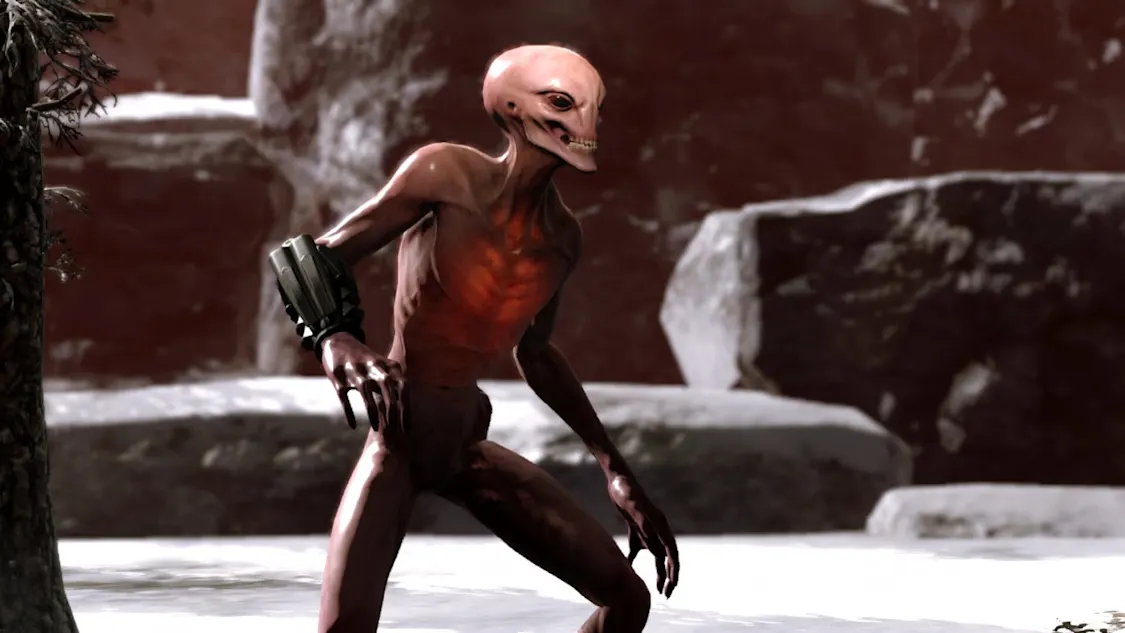
The world of XCOM 2 Collection Switch is shaped by defeat rather than triumph. Alien invaders control Earth through ADVENT, a regime that presents itself as the public face of order while maintaining its position through surveillance, propaganda, and force. Daily life exists beneath that pressure, with humanity watched, restricted, and discouraged from challenging the new rulers.
That ADVENT occupation gives the campaign its tense atmosphere. XCOM is not a dominant military organization launching missions from a position of strength. It is a concealed human resistance attempting to survive long enough to challenge an enemy with greater reach, resources, and authority. The alien invasion story is therefore built around recovery: learning what ADVENT is pursuing, disrupting its plans, and creating the conditions for a broader rebellion.
The setting also gives strategic decisions a sharper tone. Missions are not detached encounters; they are part of an escalating effort to push back against a system designed to make resistance seem impossible. That sense of a world under control helps frame each success as a small but meaningful gain.
The Commander and XCOM’s Fight for Freedom
Players take the role of the XCOM Commander, awakened from stasis to lead the resistance. The Commander’s task is not simply to win individual firefights. It is to guide XCOM’s return as an organized force, expose ADVENT’s real motives, and support the growing human resistance across the globe.
This role gives the campaign two connected perspectives. On missions, the Commander directs a small squad through dangerous encounters with alien forces. Between missions, the Commander determines how XCOM develops: which technologies to pursue, which facilities to establish, and how to prepare soldiers for future operations. The alien invasion story moves through those decisions as much as through its major confrontations.
XCOM’s position remains precarious. The resistance must act with limited room for error while facing an opponent that is already entrenched. The result is a campaign where planning and momentum matter. A successful operation can strengthen the cause, while poor preparation can leave the organization struggling to recover.
Turn-Based Battles Where Positioning Matters
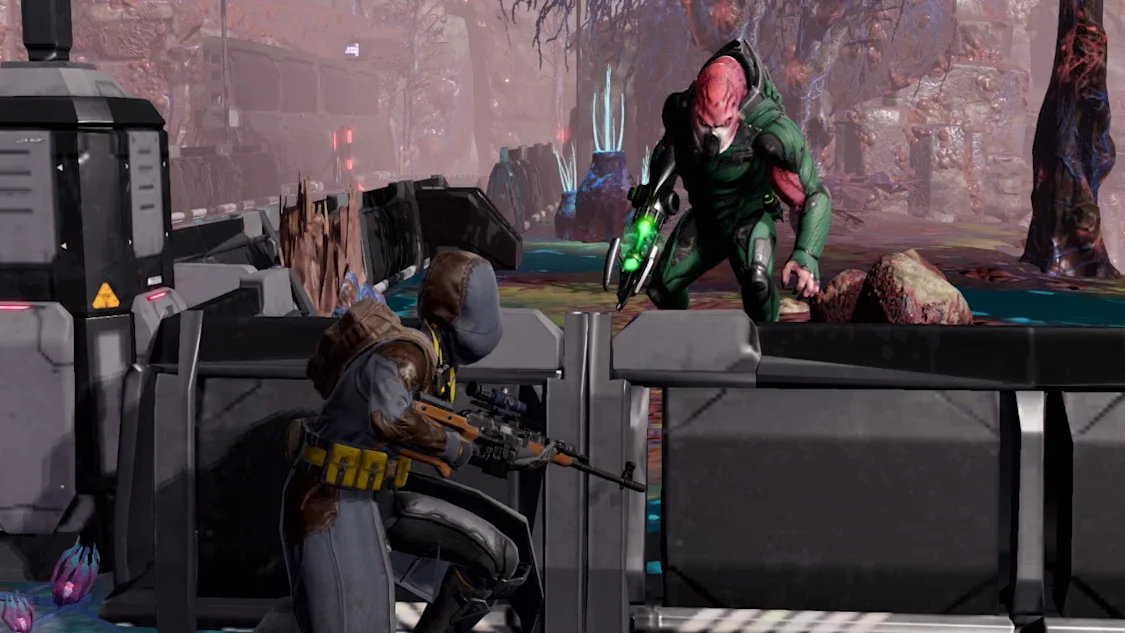
The central play is turn-based tactical combat. Players command a squad of soldiers with different abilities and equipment, directing each member through varied combat spaces against alien threats. The pace is deliberate: movement, firing, skill use, and target selection all carry consequences that may not become clear until the enemy responds.
Cover is fundamental. A soldier caught in a poor position can be exposed to danger, while a well-placed unit may gain a safer angle or protect a vulnerable teammate. Abilities and equipment add further choices, encouraging players to consider not only what can be done this turn, but what position the squad will occupy when the next turn begins.
- Choose cover carefully: Positioning can determine how much risk a soldier faces when the enemy acts.
- Use squad roles together: Different soldiers bring distinct abilities, making coordination more valuable than isolated actions.
- Plan around equipment: Loadouts affect the options available when a mission becomes difficult.
- Respect every decision: A single move, attack, or ability choice can alter the direction of an encounter.
- Adapt to changing missions: Procedurally generated maps and objectives keep familiar plans from becoming automatic.
That procedural generation supports replay value by ensuring that missions do not unfold in exactly the same way from one playthrough to another. The tactical foundation remains consistent, but fresh layouts and objectives can require a new approach. For players who enjoy measured strategy rather than rapid reactions alone, XCOM 2 strategy offers a campaign built around weighing risk before committing.
Managing the Avenger as XCOM’s Mobile Headquarters
Combat is only one side of the resistance. The Avenger serves as XCOM’s mobile headquarters and the center of its strategic development. From this base, players research technology, build facilities, train soldiers, and decide how resources should be used to improve the organization’s chances.
This base management layer makes progression feel connected to the battlefield. Research can open new technological possibilities, facilities can expand what the resistance is able to do, and training helps shape a more capable roster. Each investment represents a choice about what XCOM needs most urgently.
The Avenger also reinforces the campaign’s mobile, covert character. It is not a static symbol of secure control; it is the operational home of a force working against ADVENT’s dominance. Managing its development becomes part of the narrative of rebuilding. XCOM research and facility construction are not merely menus between missions, but tools for keeping pace with an expanding threat.
Beyond the headquarters, the broader strategic campaign includes efforts to liberate regions, respond to alien pressure, and challenge the ADVENT agenda. This makes the resistance feel larger than any one squad, even though the people deployed in individual missions remain the most immediate expression of its strength.
Why Permadeath Raises the Stakes of Every Mission
XCOM 2 permadeath gives the tactical layer much of its tension. When a soldier falls, that loss is permanent. A mission may be completed, but the cost can remain with the campaign long afterward, affecting squad composition and removing a trained member from the roster.
This rule changes the emotional weight of decision-making. Soldiers are recruited, trained, customized, and developed through their individual classes and skills. Over time, they become more than interchangeable units. Their survival matters because their experience matters, and because replacing them may require a new investment of time and resources.
Permadeath also encourages restraint. Rushing into an exposed position or relying on a risky attack can have consequences beyond the current objective. The game rewards players who consider cover and abilities, preserve squad survival, and recognize when a short-term gain may create a long-term problem. Tactical consequences are not abstract here; they are carried forward through the people who return to the Avenger, and those who do not.
War of the Chosen: New Threats and Resistance Factions
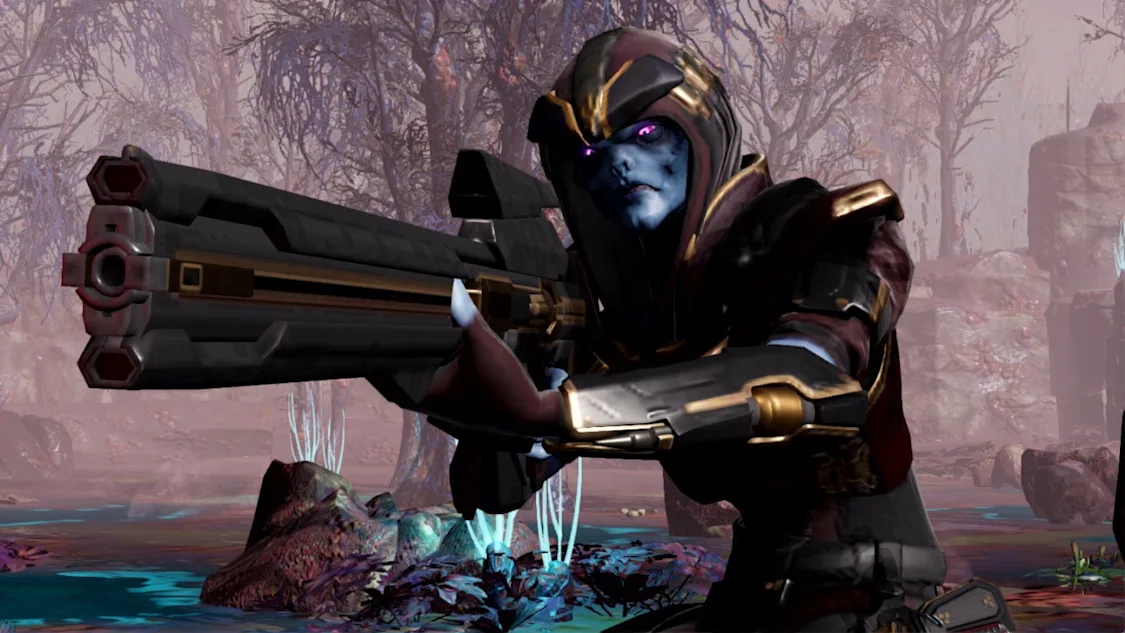
War of the Chosen expands the campaign with new enemies, narrative elements, and resistance groups. Its defining antagonists are the Chosen, powerful alien adversaries who persistently hunt the resistance across the globe. Their presence adds another source of pressure to a campaign already defined by ADVENT’s control.
The expansion also introduces resistance factions, each associated with unique soldiers and additional story material. These groups broaden the human side of the conflict, showing that XCOM is not fighting alone even if it remains the force under the Commander’s direction. Their distinctive soldiers add new possibilities to squad-building and tactical planning.
War of the Chosen deepens the larger struggle by pairing its new threats with fresh story developments, including ancient alien conspiracies and the continuing effort to reclaim Earth. For players drawn to demanding squad tactics, campaign management, and a resistance narrative where every trained soldier can matter, the collection offers a substantial strategy experience. The Nintendo Switch release is listed for Europe and the USA, with English, Japanese, French, German, Russian, Chinese, Italian, Spanish, and Korean language support; its base firmware requirement is v9.0.0, while the update requirement is v10.0.4.