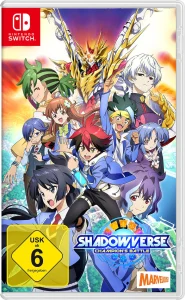
Shadowverse Champions Battle Switch NSP
Report Link Error
Select the broken download file, then submit the report.


Screenshots
About Game
Shadowverse Champions Battle Switch NSP brings card duels into a structured Nintendo Switch role-playing adventure, pairing familiar Shadowverse-style strategy with an original school story. Developed and published by Cygames, this 2020 RPG places deck building, character encounters, exploration, and competitive battles on the same path toward a national tournament.
A Switch RPG Take on Shadowverse Card Battles
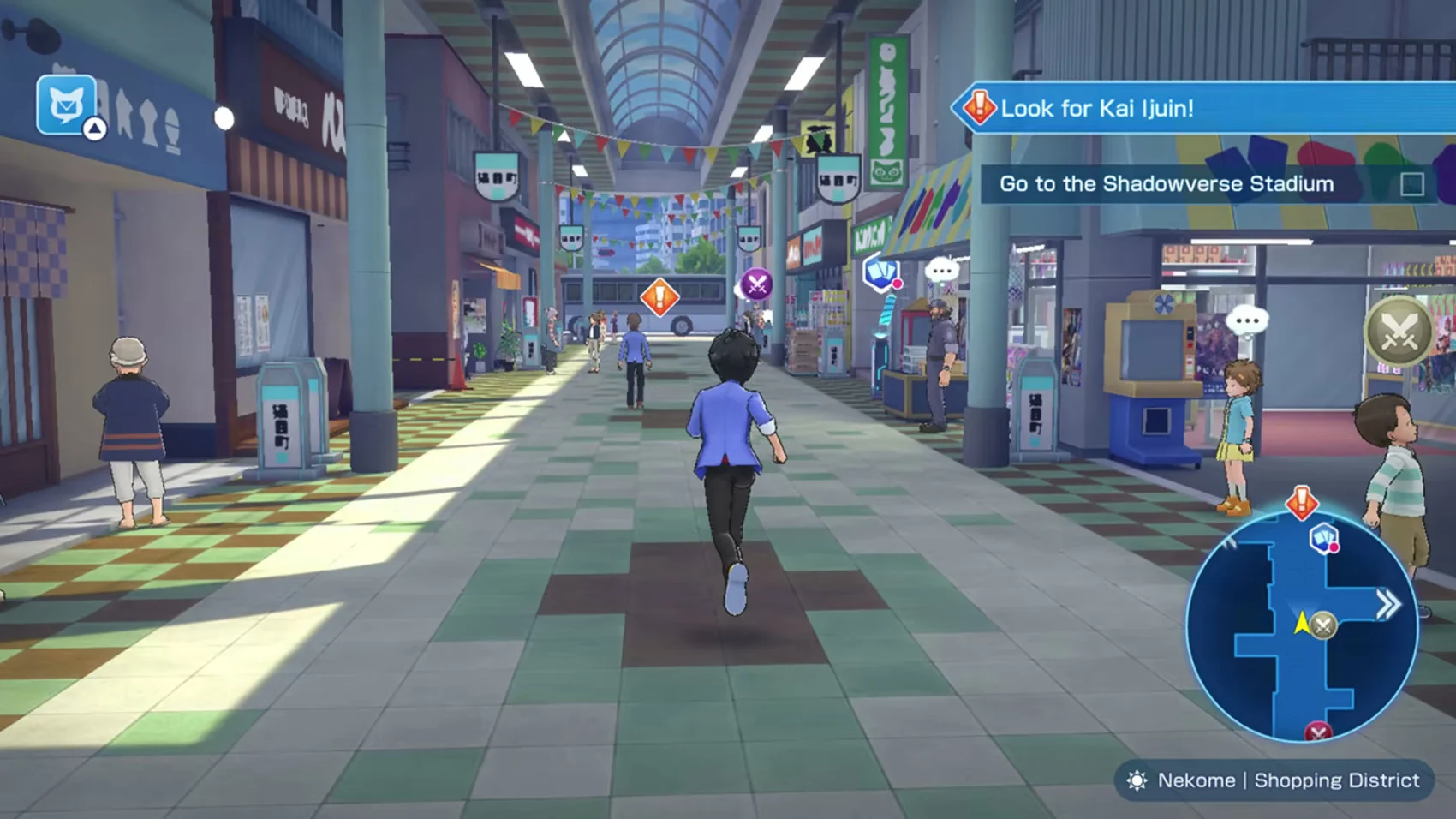
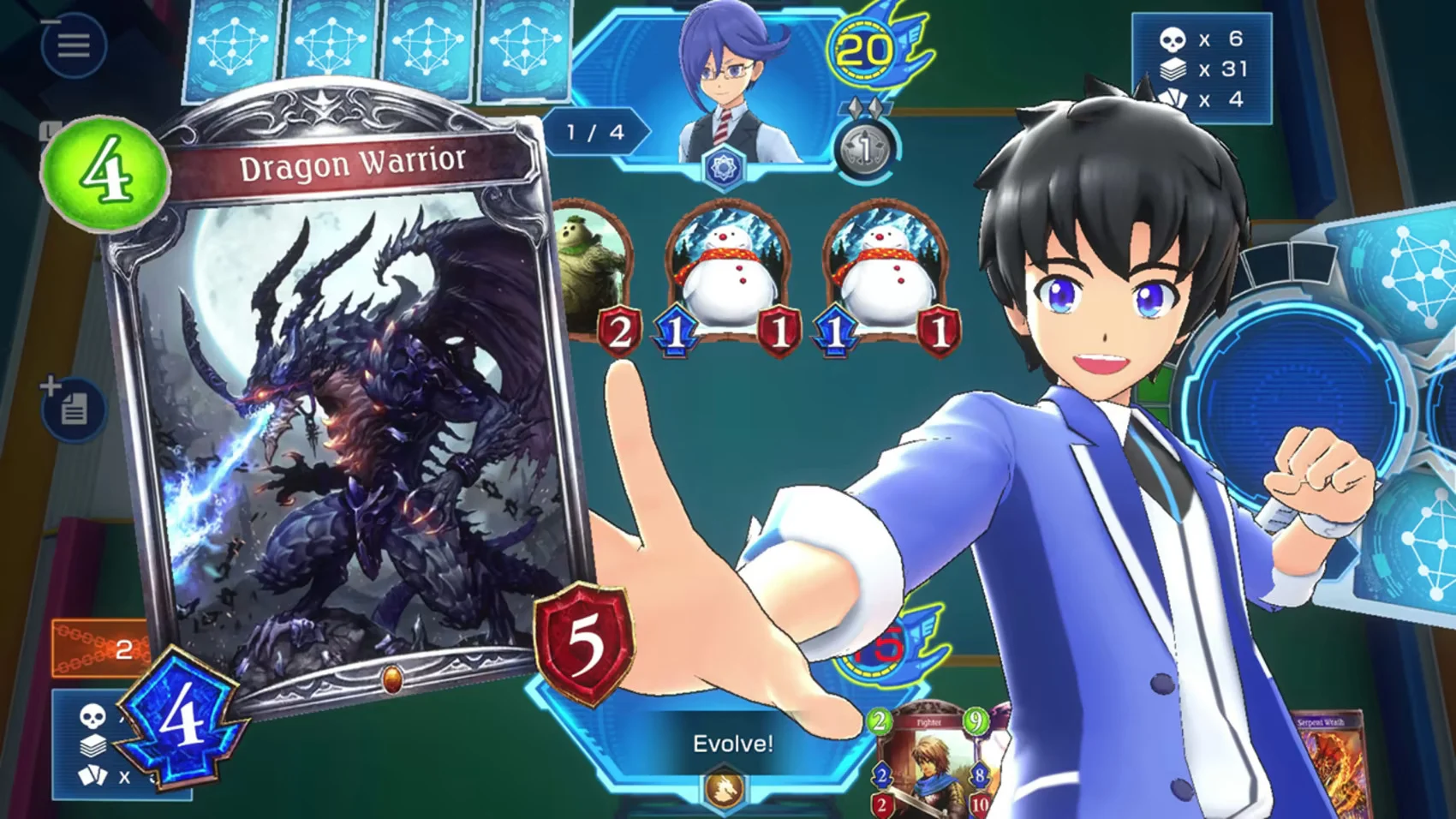
The appeal of this card battle RPG lies in its two connected sides. During duels, players assemble 40-card decks from followers, spells, and amulets, then try to reduce an opponent’s defense to zero. Between matches, the game shifts into a 3D adventure around Tensei Academy and nearby locations, where conversations, events, and activities give the card game a broader context.
That structure makes the Nintendo Switch version feel less like a sequence of isolated matches and more like a campaign built around them. A difficult opponent can be part of the story rather than simply another entry in a battle menu, while collecting cards supports both immediate deck adjustments and longer-term experimentation.
The presentation follows an anime-style school setting, with tournament ambitions, friendships, rivals, and dramatic turns shaping the tone. Its original narrative is separate from the mobile game’s lore, allowing the adventure to focus on its own student cast and championship journey. English, Japanese, Taiwanese, and Chinese language options are listed for the release across Europe, the USA, and Japan.
Life at Tensei Academy and the Road to the Championship
The original story begins with the player arriving as a new student at Tensei Academy, a place where Shadowverse is woven into everyday life. A chance encounter opens the door to competitive play, and the new student soon meets allies, rivals, and the energetic Rei. Together, the group forms a club and begins aiming for the national Shadowverse championship.
This setup gives the card battles an emotional throughline. Matches are tied to friendships, personal growth, competition, and mysteries surrounding the game. Tournaments provide obvious milestones, but the story also makes room for the relationships built between them. The result is a campaign that treats a duel as both a strategic challenge and a moment in a larger school adventure.
Tensei Academy provides the game’s social atmosphere, while the surrounding exploration helps the setting feel active rather than purely decorative. Players can speak with characters, move through locations, and take on additional activities beyond the main route. That sense of place matters because it gives deck progression a narrative rhythm: new encounters lead to battles, and battles lead back into the story.
The Evolve Mechanic: Timing a Match-Turning Play
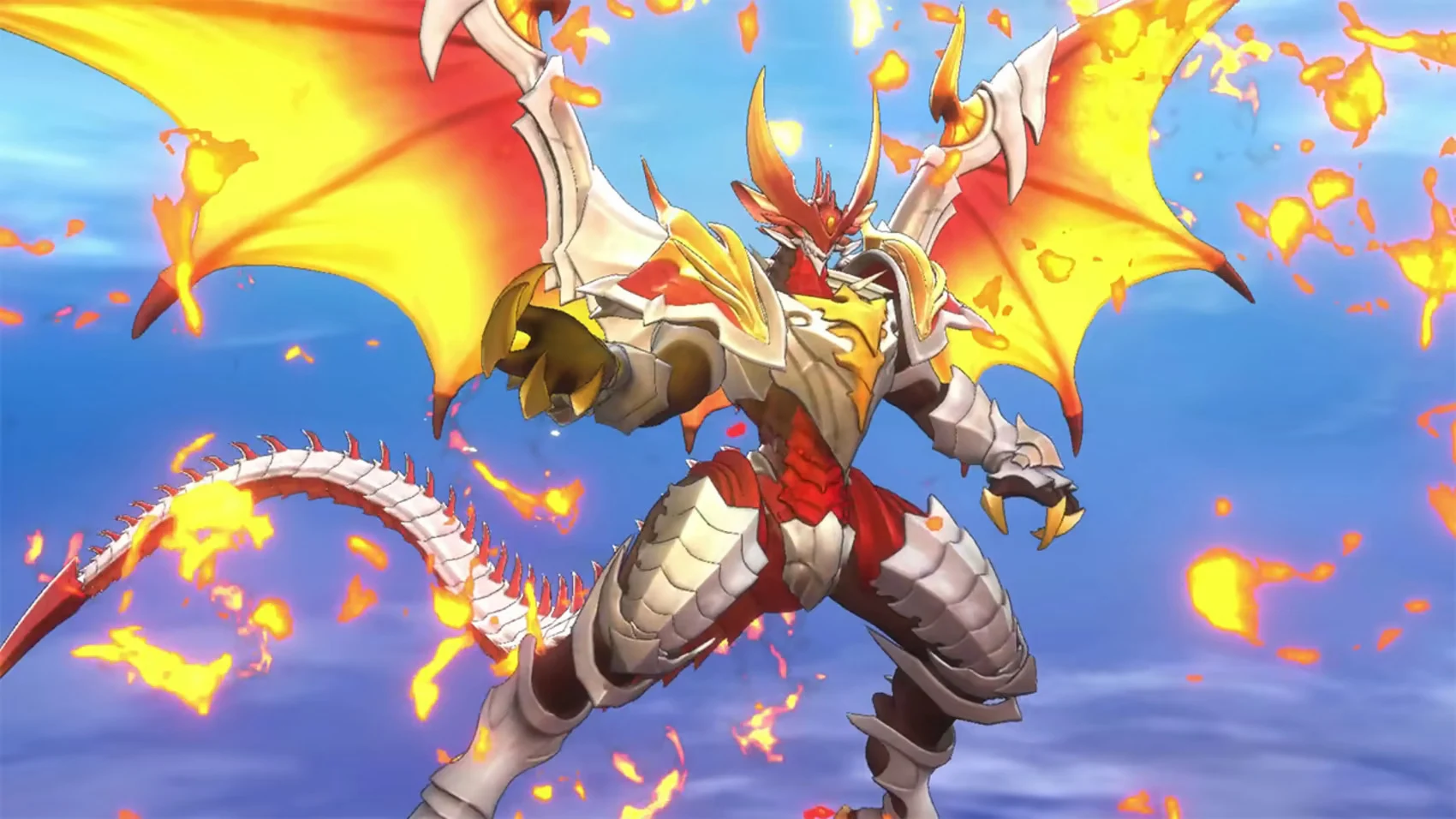
The Evolve mechanic is central to the tension of a Shadowverse duel. It allows a follower to be strengthened during battle and can grant new abilities, turning a previously ordinary board position into a serious threat. A well-timed follower evolution may create a favorable trade, improve pressure on the opponent, or change which cards must be answered first.
Its importance comes from timing rather than raw power alone. Using an evolution immediately can secure an advantage, but saving it may create a more valuable opening later. That decision adds an extra layer to each turn: players are not only considering what to play, but also which follower is worth empowering and when the effect will have the greatest impact.
This is where Shadowverse strategy becomes especially readable. Followers establish presence on the board, spells and amulets offer different kinds of support, and evolution can reshape the balance between them. The mechanic gives matches a clear turning-point quality without removing the need for planning ahead.
Classes, Leaders, and the Strategic Matchup Layer
The game’s class-based system adds another strategic consideration before a match even begins. Players can build around a chosen leader and the strengths associated with that class, rather than treating every available card as interchangeable. The source material describes the system as a rock-paper-scissors-style class structure, encouraging attention to matchups as well as individual card effects.
That makes deck construction more purposeful. A deck works best when its cards support a shared plan and fit its class strengths. Leader abilities, card effects, and class strategy can all influence those choices, so a collection of individually impressive cards is not automatically a reliable deck.
With thousands of cards available to build from, there is room to revise a list as new options appear. Some players may prefer refining one dependable class-focused deck; others may enjoy testing different leaders and approaches. Local wireless battles and AI opponents provide different settings for that experimentation, helping the card game retain interest beyond the main story route.
Side Quests, Mini-Games, and Progression Rewards
Progression is not limited to tournament battles. Side quests and mini-games can provide rewards while giving the adventure a change of pace. They support the wider RPG structure by encouraging players to spend time in the academy world rather than moving only from one mandatory duel to the next.
Story progress also unlocks new cards and cosmetic items. That creates a useful connection between the narrative and the deck-building side: advancing through the campaign can expand the tools available for future matches. Cosmetic rewards add another reason to engage with activities outside the core competitive path.
For replay value, the most durable element is the ability to adjust decks, try classes, face AI opponents, and play local wireless matches. The story has a defined championship focus, but the card pool and matchup layer invite continued tinkering after a player has found an initial strategy that works.
5 Smart Priorities for New Shadowverse Champions Battle Players
For newcomers, Shadowverse Champions Battle Switch NSP is likely to be more approachable when deck choices and battle decisions are treated as connected parts of the same plan. These priorities keep the focus on what the game’s systems reward.
- Build for cohesion. Choose cards that work together instead of filling a deck with powerful effects that have no common direction.
- Commit to a class plan. Let the chosen leader, class strengths, and available card effects guide deck building decisions.
- Manage resources carefully. Consider when a card should be played and when holding it for a later turn may create a better opportunity.
- Save evolution for value. The Evolve mechanic can alter a duel quickly, so use it where a strengthened follower can make a meaningful difference.
- Expand your options. Take part in battles, story progress, side quests, and mini-games to earn rewards and add cards or cosmetics to the collection.
This RPG is suited to players who want strategic card battles framed by a school-based anime adventure. Its strongest rhythm comes from moving between academy life, story encounters, deck refinement, and the next important duel on the road to the championship.
Recommended Similar Games
 The Legend of Heroes: Trails Through Daybreak Switch NSP XCIView Game
 Atelier Firis: The Alchemist And The Mysterious Journey DX Switch NSPView Game
 The Legend of Heroes: Trails beyond the Horizon Switch NSP XCIView Game
 Monster Crown: Sin Eater Switch NSPView Game
 Trine 5: A Clockwork Conspiracy Switch NSP XCIView Game
 LIVE A LIVE Switch NSP XCIView Game