Palia Switch NSP
Report Link Error
Select the broken download file, then submit the report.


Screenshots
About Game
Palia Switch NSP refers to the Nintendo Switch edition of Singularity 6 Corporation’s community-focused adventure. Released on December 14, 2023, it brings together adventure, role-playing, and simulation ideas in an online world built for unhurried exploration, crafting, conversation, and personal projects.
Palia on Nintendo Switch: Release and Platform Details
Palia arrived on Nintendo Switch on December 14, 2023. Singularity 6 Corporation serves as both publisher and developer, placing the game’s creative direction and release under the same studio. Its genre labels—Adventure, Role-Playing, and Simulation—fit its broad structure: players explore a shared world, develop practical skills, take on quests, and shape a home life over time.
The Switch release is available across Europe, the USA, Asia, and Japan. Its language support includes English, French, German, Italian, Japanese, Korean, Portuguese, Simplified Chinese, Spanish, and Traditional Chinese. That wide selection suits a game whose pace depends heavily on reading dialogue, following requests from villagers, and gradually learning more about its setting.
Rather than pushing players through a narrowly defined sequence of challenges, Palia Nintendo Switch presents a gentler rhythm. Progress can come from gathering materials, improving equipment, working on a home, helping characters, or simply spending time moving through its landscapes. The result is less concerned with urgency than with settling into a new place.
A Cozy Adventure Built Around Community and Discovery
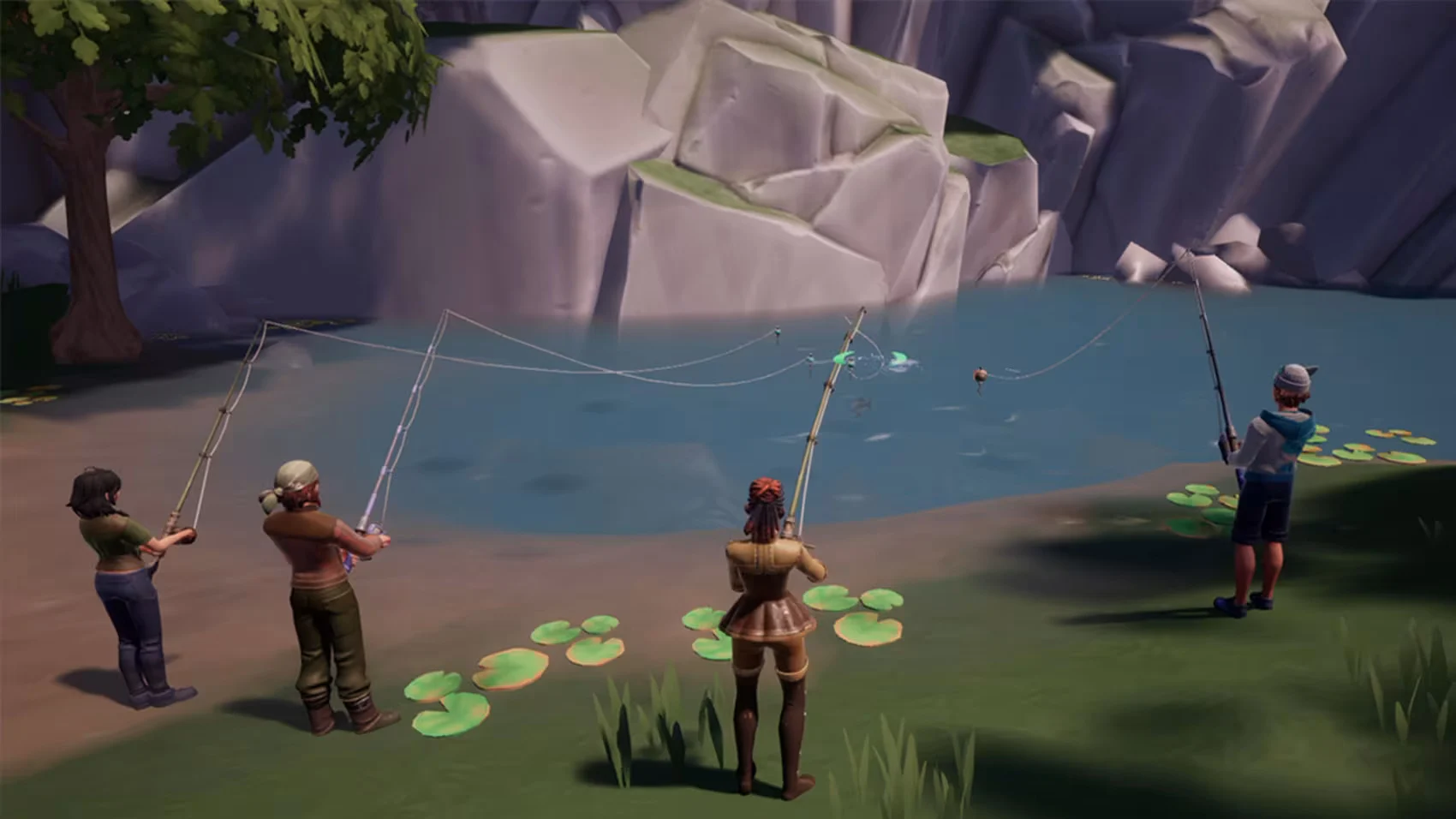
Palia gameplay blends life-simulation routines with the shared-space qualities of an online world. Players can farm, garden, cook, fish, hunt, mine, catch bugs, craft, and complete quests. These activities create a steady loop: explore an area, collect useful resources, turn those resources into tools or items, then use the results to support future projects.
The game’s relaxed tone comes from the freedom to set a personal pace. A session might be spent looking for wood and stone, tending crops, preparing meals, furnishing a room, or speaking with villagers. There is room for more directed play through quests and lore, but the structure also supports quiet, self-directed routines.
- Gather widely: Wood, stone, plants, and other resources support crafting and quest objectives.
- Develop useful skills: Fishing, hunting, mining, bug catching, gardening, cooking, and crafting all feed into daily progression.
- Upgrade tools: Improving basic tools helps make resource gathering more efficient over time.
- Talk to villagers: Conversations can lead to quests, insights, friendships, recipes, and a deeper understanding of the world.
- Make a home of it: Crafted furniture and decorative pieces give practical progression a visible personal result.
That combination gives the game replay value through ongoing goals rather than a single fixed route. Players can return to improve a plot, pursue different activities, meet people, or search for areas and materials they have not yet encountered. It is a cozy adventure game for those drawn to gradual development and a less pressured style of play.
The Mystery of Humanity’s Return
The central Palia story begins with an absence. Humanity disappeared from the world for thousands of years, then mysteriously returned. Players awaken as one of these returned humans without memories of their past or any clear explanation for their reappearance.
This premise gives ordinary tasks a larger context. As the player settles into a new life, quests and conversations reveal pieces of history concerning humanity, its legacy, and the magical beings that inhabit the world now. The goal is not framed as a simple march toward one answer; personal discovery and relationships remain important parts of learning what happened.
The Majiri are among the people encountered during this process, alongside other creatures and characters with their own personalities and stories. Their requests and conversations give the world a lived-in feeling while also connecting players to its deeper mysteries. Palia lore is uncovered gradually, making curiosity as valuable as efficiency.
Exploring Kilima Valley and Bahari Bay
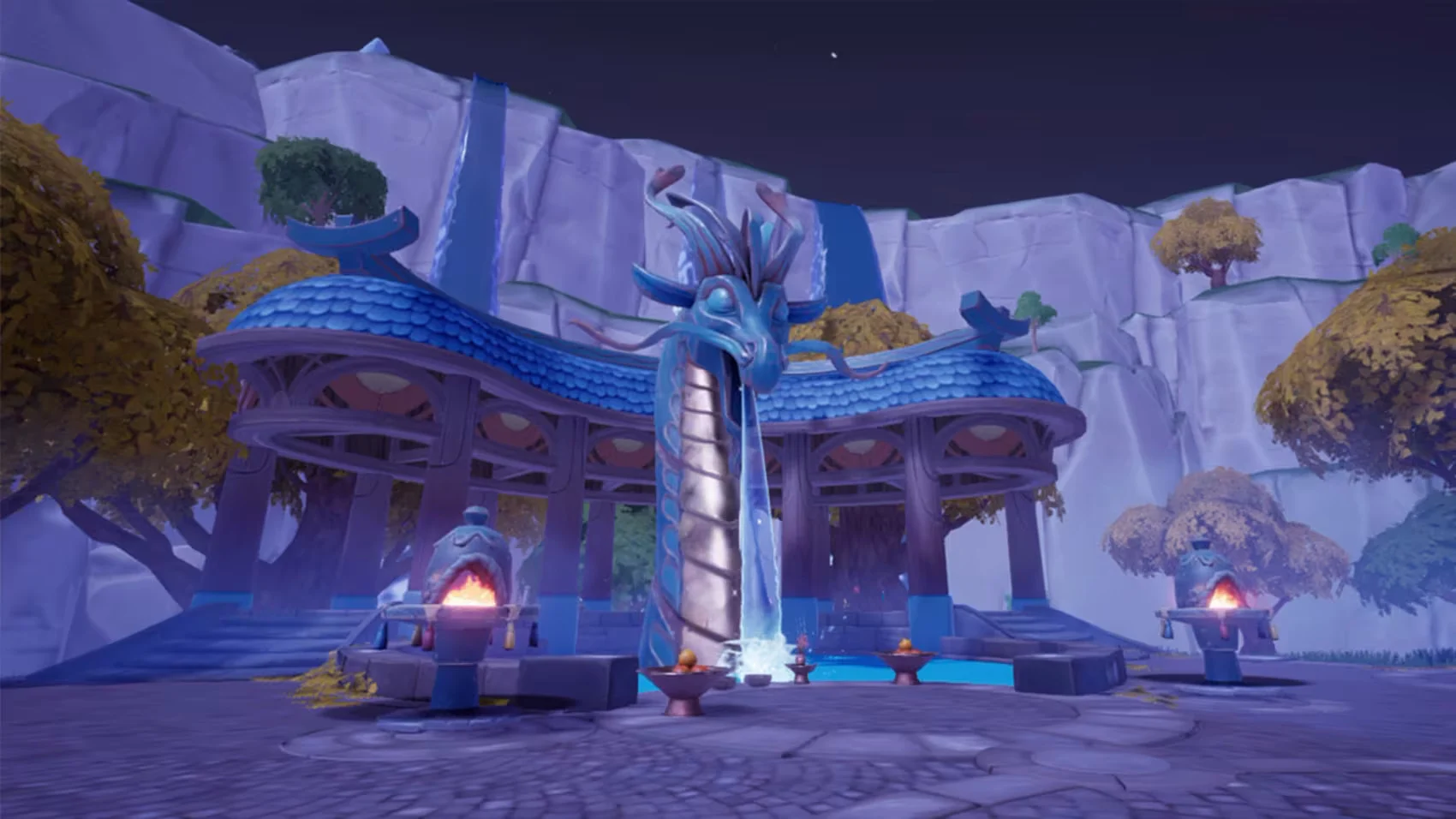
Kilima Valley and Bahari Bay provide the main settings for Palia exploration. They are places to travel through, gather resources, meet characters, accept quests, and search for hidden areas and secrets. Their role is practical as well as atmospheric: the landscapes supply the materials needed for crafting, cooking, home projects, and other forms of progression.
Kilima Valley supports the feeling of beginning a new life among a community, while Bahari Bay extends the sense of discovery beyond a single settlement. Moving between these areas encourages players to look beyond immediate objectives. A hunt for materials may lead to a quest, an unfamiliar character, or another clue about the world’s past.
The exploration loop remains accessible because it can be approached in small pieces. Players can head out with a specific need in mind, such as gathering supplies for furniture or food, then follow whatever opportunities appear along the way. This makes exploration suitable for both focused sessions and more casual wandering.
Building a Personal Home and Plot
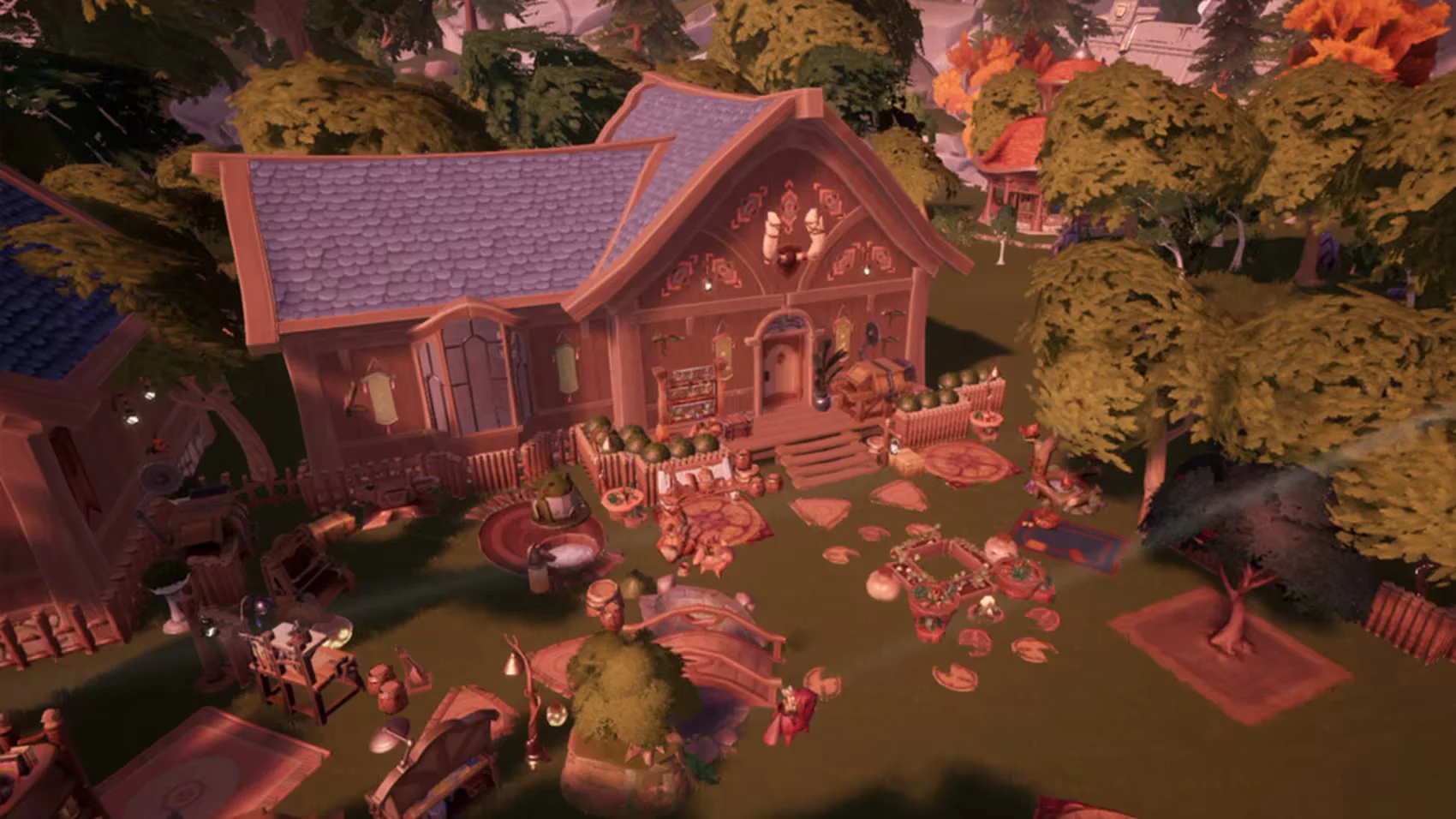
Housing is one of the clearest expressions of player choice in Palia. Each player can build and customize a personal home on their own plot, turning gathered materials and learned crafting skills into a space that reflects their priorities. A practical work area, a carefully decorated home, or an expanding collection of furniture can all become long-term projects.
Palia home customization is supported by crafting tools, furniture, and decorative items. Gardening contributes crops, cooking turns ingredients into meals, and gathering supplies the broader crafting economy. These systems connect rather than sit apart: time spent outdoors can directly improve what is possible at home.
This is where progression becomes visible. Better tools can improve gathering, gathering supports more crafting, and crafting expands the options available for a plot. The home is not merely a backdrop; it is a continuing record of the player’s work and interests.
Playing Alongside Others in a Persistent World
Palia multiplayer is rooted in a persistent online world where players can encounter one another, form friendships, and cooperate toward shared goals. The social side extends beyond other players to the game’s villagers, whose stories and personalities encourage regular conversation and relationship-building.
Importantly, the communal setting does not remove the appeal of solo play. Gathering, decorating, farming, crafting, and exploring can all suit a quieter approach, while cooperation remains available for players who want company. That balance gives the game a welcoming shape: it can be a social space, a personal routine, or a mixture of both.
For players interested in a calm simulation with adventure and role-playing elements, Palia Switch NSP offers a world where progress is measured through connections, skills, discoveries, and the home built along the way.