Hellblade: Senua’s Sacrifice Switch NSP
Report Link Error
Select the broken download file, then submit the report.


Screenshots
About Game
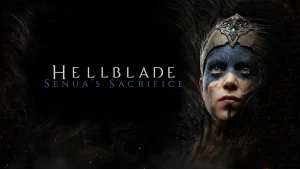
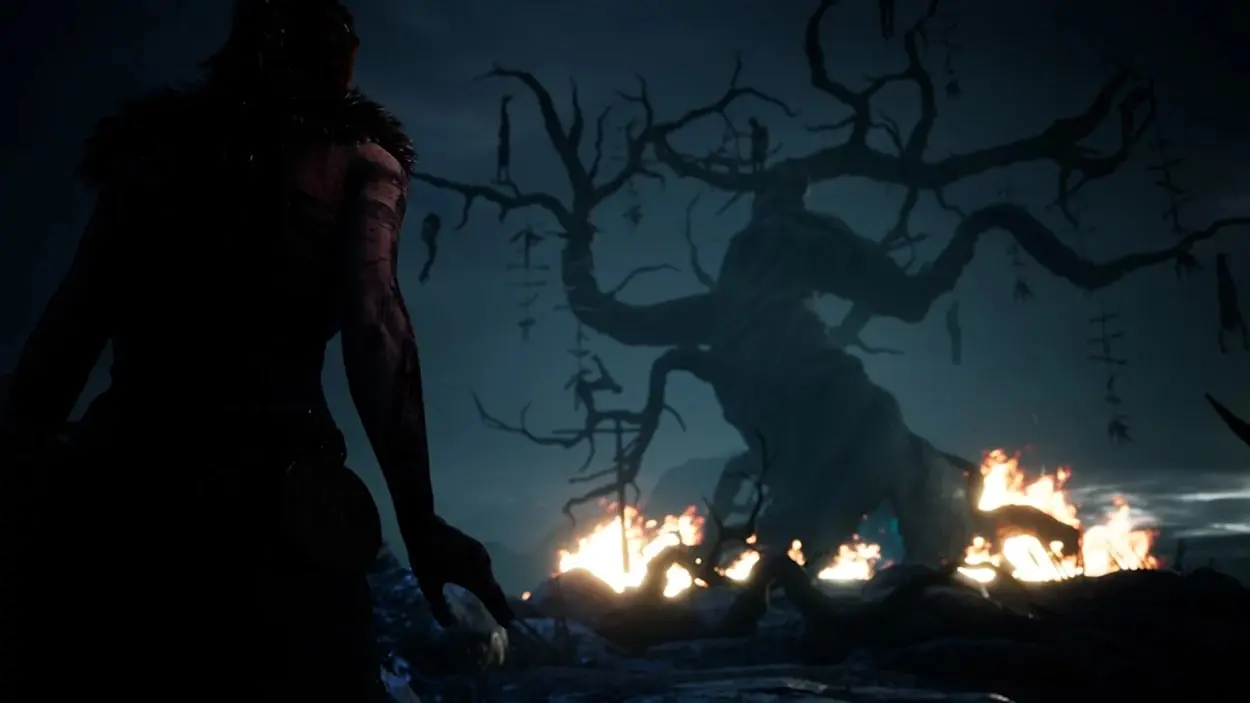
Hellblade: Senua’s Sacrifice Switch NSP brings Ninja Theory’s intense Action-Adventure to Nintendo Switch, pairing Norse mythology with a deeply personal tale of grief, fear, and endurance. Senua’s journey through dark Nordic landscapes and Helheim is not framed as a simple heroic campaign. It is an experience shaped by trauma, uncertain perception, hostile creatures, and voices that remain present through exploration, puzzles, and combat.
Hellblade: Senua’s Sacrifice on Nintendo Switch: A Psychological Norse Journey
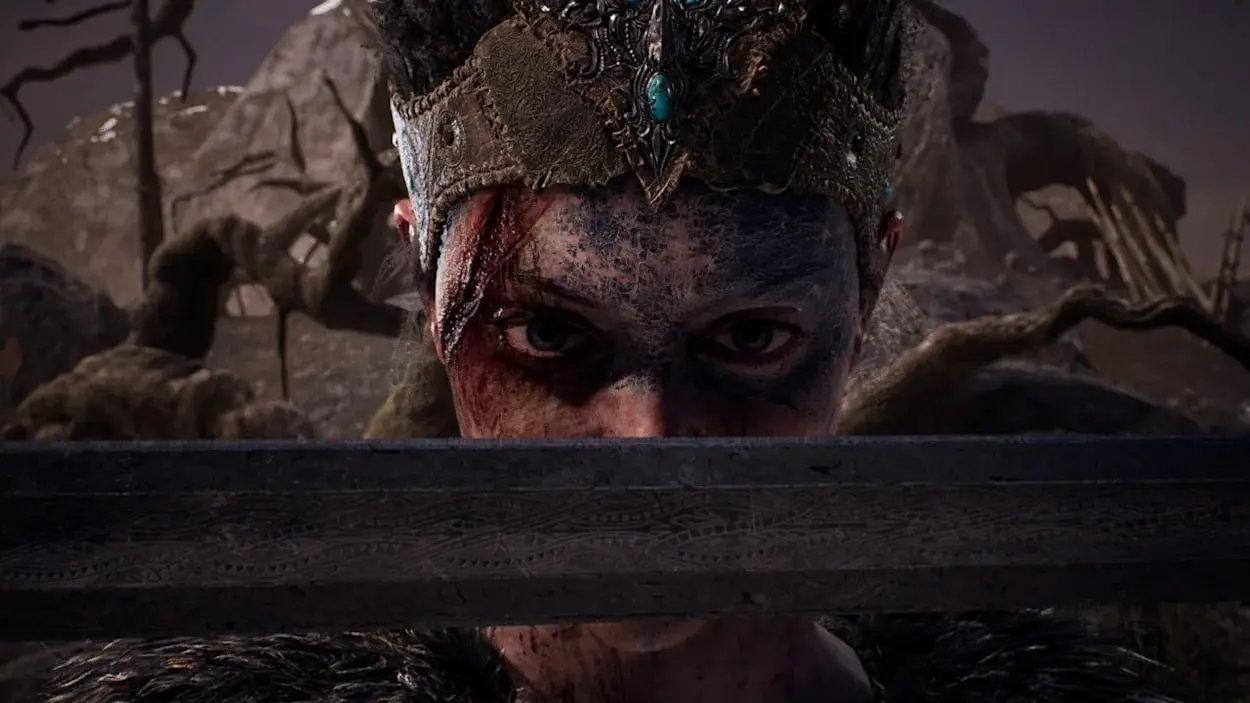
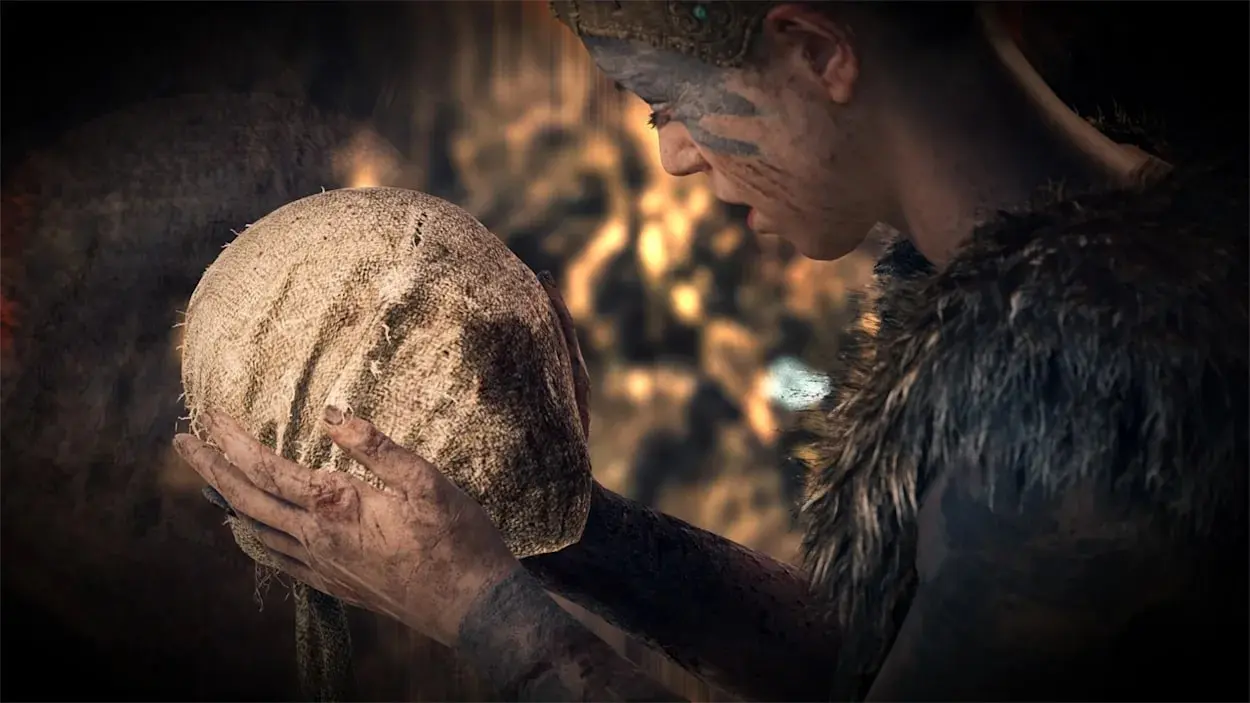
Developed and published by Ninja Theory, Hellblade: Senua’s Sacrifice follows Senua, a Celtic warrior travelling into Helheim, the Viking land of the dead. Her purpose is intensely personal: she hopes to rescue the soul of her beloved Dillion from the goddess Hela. The setting draws on Norse legends, but the emotional weight comes from Senua’s connection to loss and the memories that accompany her forward.
The Nintendo Switch version keeps the focus on a close, often unsettling third-person journey. Its environments move between atmospheric Nordic scenery and oppressive underworld spaces, while the narrative continually returns to Senua’s past and the way she understands the world around her. Combat, environmental puzzles, and exploration are not separate distractions from the story; each one supports the sense that the player is moving through Senua’s difficult, fractured perspective.
There is a deliberate heaviness to the adventure. Mythical foes are dangerous, the route ahead is rarely comfortable, and even quiet stretches can carry tension. For players interested in an Action-Adventure that uses its Norse setting for more than spectacle, Ninja Theory’s approach is notably intimate.
Mental Health Themes, Perception, and Empathetic Storytelling
Hellblade places Senua’s internal struggle at the center of its storytelling. Her traumatic visions, auditory hallucinations, and visual hallucinations influence how scenes are presented and how events are interpreted. The game does not position these elements outside the adventure as background information. Instead, they are inseparable from the player’s perspective.
This psychological horror approach gives the journey a persistent uncertainty. Senua’s fears and memories overlap with Norse imagery, making it difficult to separate external danger from the emotional burden she carries. Her fight is therefore not only against creatures and obstacles in Helheim, but also against despair, trauma, and the lasting pain of loss.
The result is a narrative built around empathy rather than easy answers. Senua’s perceptions may be frightening or contradictory, yet the game asks players to remain close to her point of view. That focus makes the atmosphere more personal than a conventional fantasy quest. The horror is not simply in dark corridors or threatening enemies; it also comes from the instability of what Senua sees, hears, and believes.
Environmental Puzzles Built Around Observation and Sound
The environmental puzzles slow the pace and ask for careful puzzle solving rather than quick reactions. Visual clues are often embedded in the world itself, rewarding players who stop, look closely, and consider the shapes and details around them. A path, object, or arrangement in the environment can matter more than it first appears.
Sound is equally important. The voices Senua hears may offer direction, create doubt, or draw attention to something that deserves another look. They are not a replacement for observation, but they can change how players read a location. A puzzle that seems unclear may become more understandable once the environment and the audio cues are considered together.
This structure suits the game’s wider themes. Perception is not merely a story device; it becomes part of the challenge. The strongest approach is usually patient attention, especially in areas where the answer is presented through the surrounding landscape rather than a direct instruction.
How the Voices Affect Exploration, Puzzles, and Combat
The voices are among the defining features of Hellblade: Senua’s Sacrifice. They add to the unease of exploration, but they can also have practical value. During puzzle sequences, they may function as exploration hints, encouraging Senua to reconsider a route or focus on a possible solution. Their guidance is not always straightforward, which preserves the tension between useful information and uncertainty.
In combat, auditory cues can become combat warnings. Enemies may attack from outside the immediate view, and the voices can alert the player to incoming danger. Listening closely can help with defensive decisions, including when to dodge, parry, or reposition.
These sounds give the action a distinctive rhythm. Combat is described through brutal, tactical encounters against Norse creatures, with light and heavy attacks alongside defensive timing. The voices do not remove the need for player skill, but they reinforce the feeling that Senua is never entirely alone in her experience. They are narrative texture and gameplay information at the same time.
5 Ways to Approach Hellblade’s Challenges More Carefully
- Listen before reacting. Auditory cues and voices can provide useful warnings in combat or nudge attention toward an overlooked puzzle detail.
- Study the surroundings. Environmental puzzles frequently depend on visual clues, so pause and examine shapes, objects, routes, and the wider scene.
- Respect combat timing. Dodges, parries, and attacks are most effective when used with care rather than through constant aggression.
- Search for lore. Exploration can reveal environmental storytelling and backstory that add context to Senua’s world and her journey.
- Do not rush. Encounters and puzzles benefit from patience, particularly when the game is intentionally creating uncertainty around what is happening.
The game’s tension is also supported by its permadeath mechanic, although it is more forgiving than it may initially seem. Its presence encourages caution without changing the core lesson of the experience: observe, listen, and make decisions deliberately.
Switch Release Details and Supported Regions
Hellblade: Senua’s Sacrifice Switch NSP was released for Nintendo Switch on April 10, 2019. Ninja Theory served as both publisher and developer. The listed regions are Europe and USA, and the supported languages are English, French, German, Italian, and Spanish.
The Nintendo Switch release is suited to players looking for a focused, story-led Action-Adventure with psychological horror elements, Norse mythology, environmental puzzles, and demanding third-person combat. Its strongest appeal lies in the way every major element—voices, visuals, combat pressure, exploration, and narrative—returns to Senua’s difficult emotional journey.